


The History of Slave Trade in Zanzibar reveals the island’s dark past during the 18th and 19th centuries, when Zanzibar became one of the largest slave markets in the Indian Ocean under Omani Arab rule, with enslaved Africans captured from inland regions and sold in brutal Stone Town auctions.
These individuals were used primarily for labor on clove plantations or sent across the Indian Ocean to serve in Persia, India, and the Middle East. Life for the enslaved was harsh and dehumanizing, yet stories of resistance and survival persist. While Britain pushed for the abolition of slavery in Zanzibar — culminating in the 1873 treaty and the official end of slavery by 1897 — the legacy of the trade left lasting cultural, social, and economic impacts.
Today, sites like the Old Slave Market and Stone Town’s memorials stand as solemn reminders of this dark chapter, helping modern generations remember the suffering and resilience of those who lived through it.
The History of Slave Trade in Zanzibar
A Paradise with a Painful Past

Today, Zanzibar is often seen as a tropical paradise — a destination of white-sand beaches, turquoise waters, and rich Swahili culture. But beneath this beauty lies a haunting legacy. For much of the 18th and 19th centuries, Zanzibar was at the center of one of the largest and most brutal slave trading networks in the Indian Ocean region. This trade shaped the island’s history, economy, and identity, and its echoes are still felt today.
The Emergence of a Slave Trade Hub
Zanzibar’s location off the East African coast made it a natural crossroads for trade between Africa, the Middle East, and Asia. But it wasn’t until the arrival and eventual dominance of Omani Arab rulers that the island became a major slave trading hub. When Sultan Said bin Sultan moved his capital from Muscat, Oman, to Zanzibar in 1840, he transformed the island into the political and commercial heart of his empire.
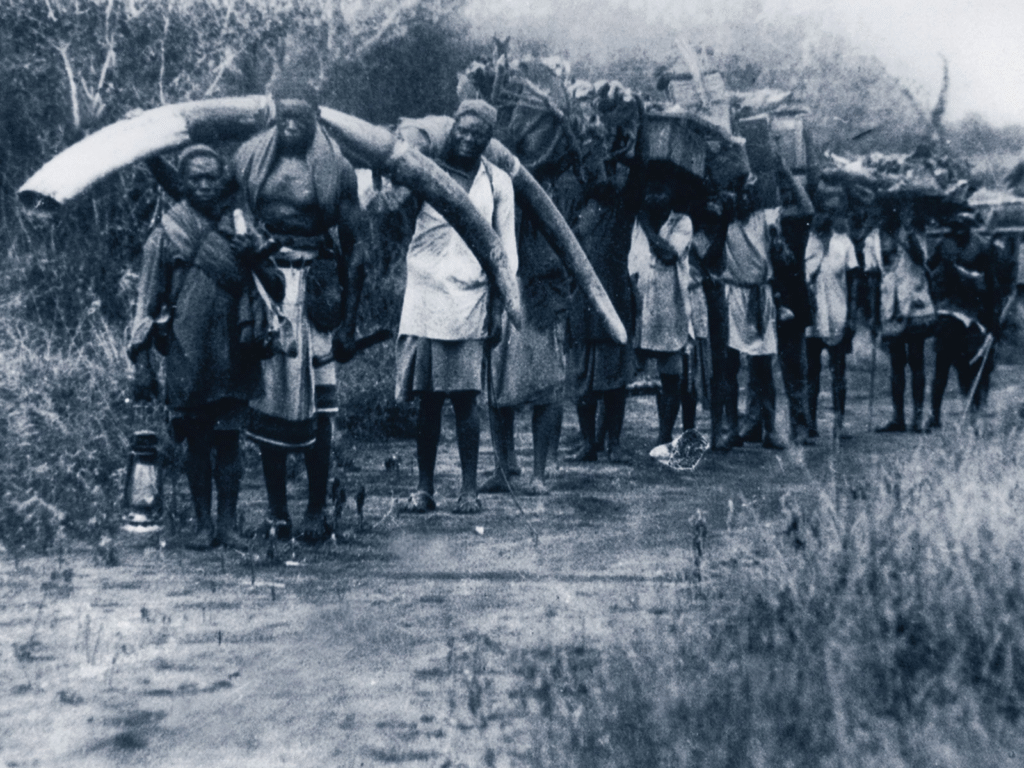
Under his leadership, the clove plantation economy exploded — and with it, the demand for labor. Slavery, which had already existed in the region, became institutionalized on a massive scale. Tens of thousands of enslaved Africans were captured from the interior — often from what are now Tanzania, Mozambique, Congo, and Malawi — and forced to march to the coast. Many died along the way. Those who survived were brought to Zanzibar and sold in open markets.
The Role of Arab and Swahili Traders
Arab and Swahili traders were key players in the operation of the East African slave trade. These traders established long-distance networks that reached deep into the African continent. Caravans would travel for months through forests, savannahs, and across rivers to capture people — sometimes through direct violence, other times by trading weapons, cloth, or beads with local chiefs in exchange for human lives.
Once in Zanzibar, slaves were detained in underground holding chambers with barely any light, food, or air. These dungeons, still preserved today in Stone Town, stand as chilling reminders of the island’s dark past. From there, the enslaved were taken to markets where they were inspected like animals, sold, and branded.
Brutality and Resistance
Life for the enslaved in Zanzibar and beyond was marked by extreme hardship. On clove plantations, men, women, and children worked long hours in oppressive heat, receiving little food and no pay. Domestic slaves, meanwhile, lived in their masters’ homes, serving without rights and often facing abuse.
Yet, despite the crushing conditions, enslaved people resisted. Some fled into the forests, forming hidden communities. Others used more subtle forms of resistance: sabotage, work slowdowns, or secret religious gatherings that preserved their dignity and identity. Stories of rebellion were often brutally suppressed but left powerful legacies of defiance.
The Push Toward Abolition
By the mid-19th century, global attitudes toward slavery were beginning to change — especially in Europe. Britain, having abolished slavery within its empire, began pressuring Sultan Barghash of Zanzibar to end the slave trade. British naval ships patrolled the Indian Ocean, intercepting slave dhows (boats) and freeing captives.
A major breakthrough came in 1873 when the British forced the Sultan to sign a treaty banning the slave trade. Public slave markets were closed, and the British began taking more direct control over the island’s affairs. However, the trade did not end immediately. Slavery continued illegally for decades, hidden behind plantations and under weak enforcement.
Abolition and Its Aftermath
It wasn’t until 1897, under British protectorate rule, that slavery was formally abolished in Zanzibar. Even then, the process of freedom was slow and uneven. Many formerly enslaved people had no land or money and were left vulnerable. Some joined new villages supported by Christian missionaries, while others returned to rural areas in hopes of starting anew.
Zanzibar’s economy also changed. Without enslaved labor, clove plantations declined, and the island shifted toward other forms of trade. Yet, the social divisions created by slavery endured, influencing racial, cultural, and class dynamics long after abolition.
Remembering Through Place and Memory

Today, Zanzibar is making efforts to remember this history. The Old Slave Market in Stone Town is now home to the Anglican Cathedral of Christ Church, built deliberately on the site of the former slave market as a symbol of healing and transformation. A moving monument stands nearby: statues of chained figures emerging from a sunken pit, their eyes empty, their bodies silent witnesses to pain.
Museums, guided tours, and educational programs are helping to preserve this memory. The goal is not to shame but to understand — to confront a past that shaped millions of lives and continues to inform the present.
Why This History Matters
The history of the slave trade in Zanzibar is not just a regional or African story — it’s a global one. It is a chapter in the larger narrative of human exploitation and colonialism. Acknowledging it means recognizing the resilience of those who suffered and honoring their legacy. It also reminds us of the cost of silence, and the importance of telling difficult truths.
By learning about this painful part of Zanzibar’s history, we do more than remember. We take a step toward understanding the deeper patterns of injustice in our world — and how they can be resisted, healed, and transformed.
