- Home
- Marangu Route
Marangu Route
Amazing Route
Marangu Route
Walk the path of legends—where Kilimanjaro’s charm meets comfort
Price From
$1400
Overview of the Marangu route
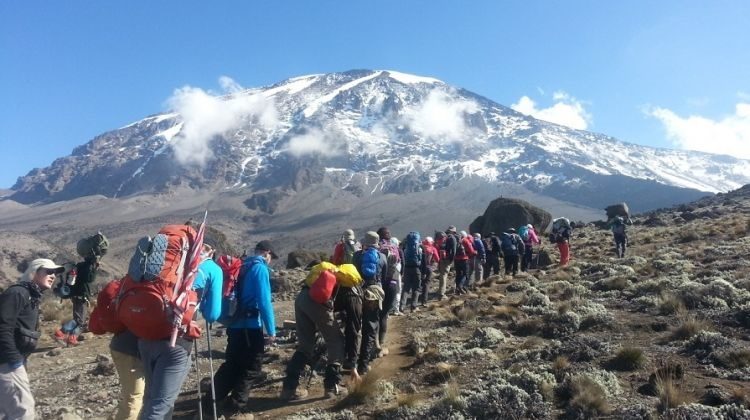
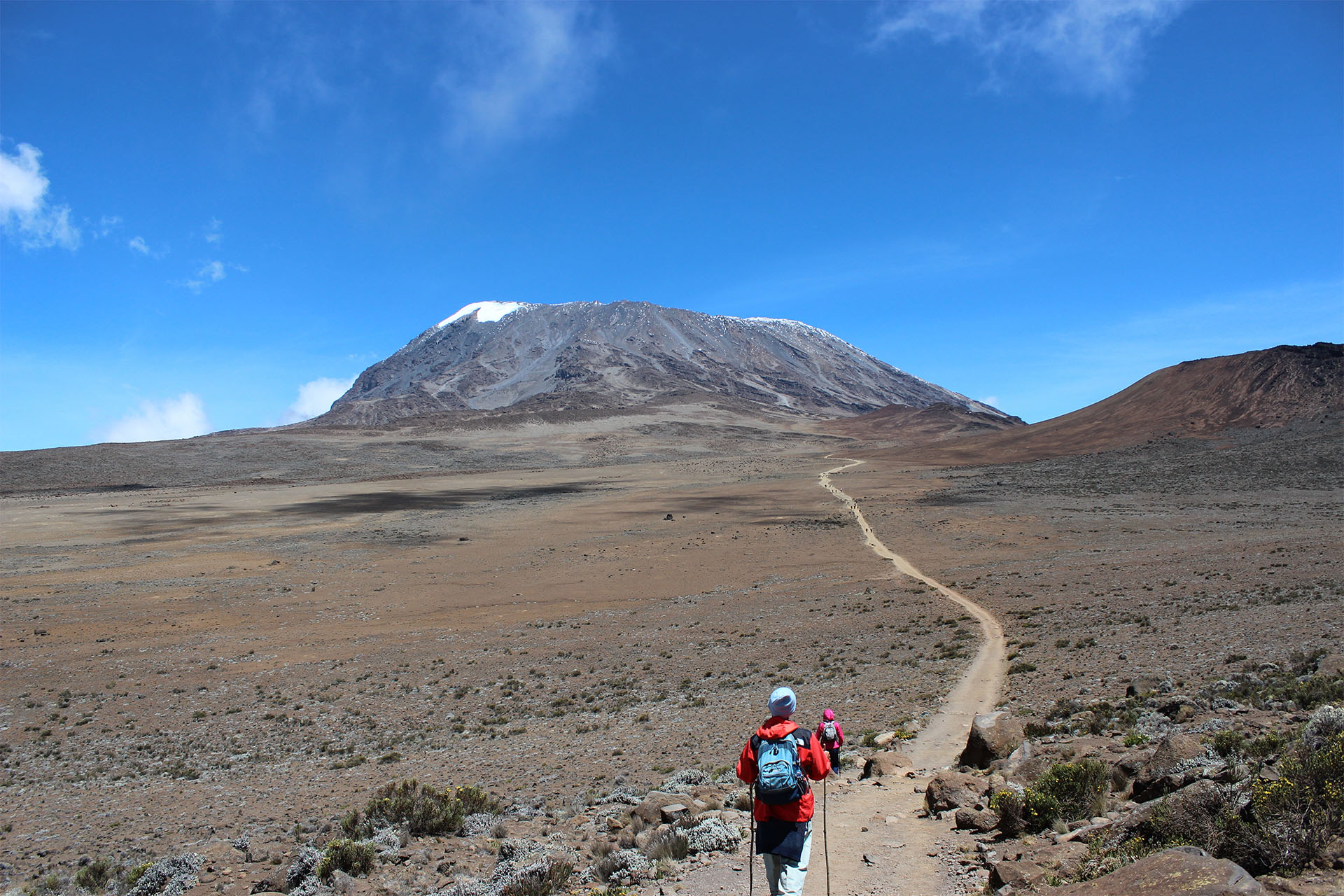
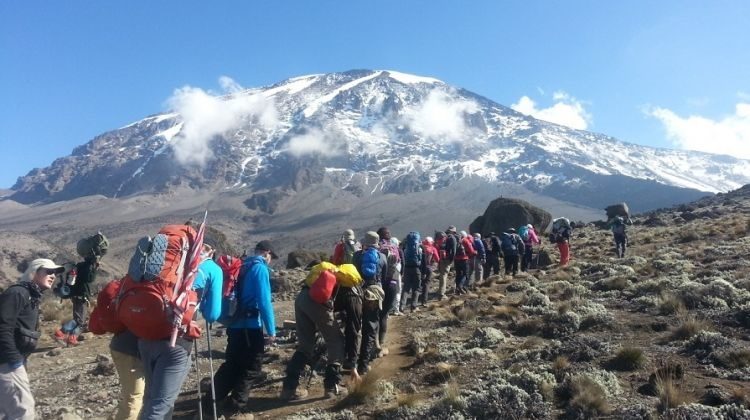
The Marangu Route, affectionately known as the “Coca-Cola Route,” is a classic trail that invites you to experience Kilimanjaro in the most comfortable and scenic way. This is the path where history was made—the very route of the first successful summit in 1889. It winds through the heart of Kilimanjaro National Park, taking you on a breathtaking journey from vibrant tropical forests to otherworldly alpine landscapes.
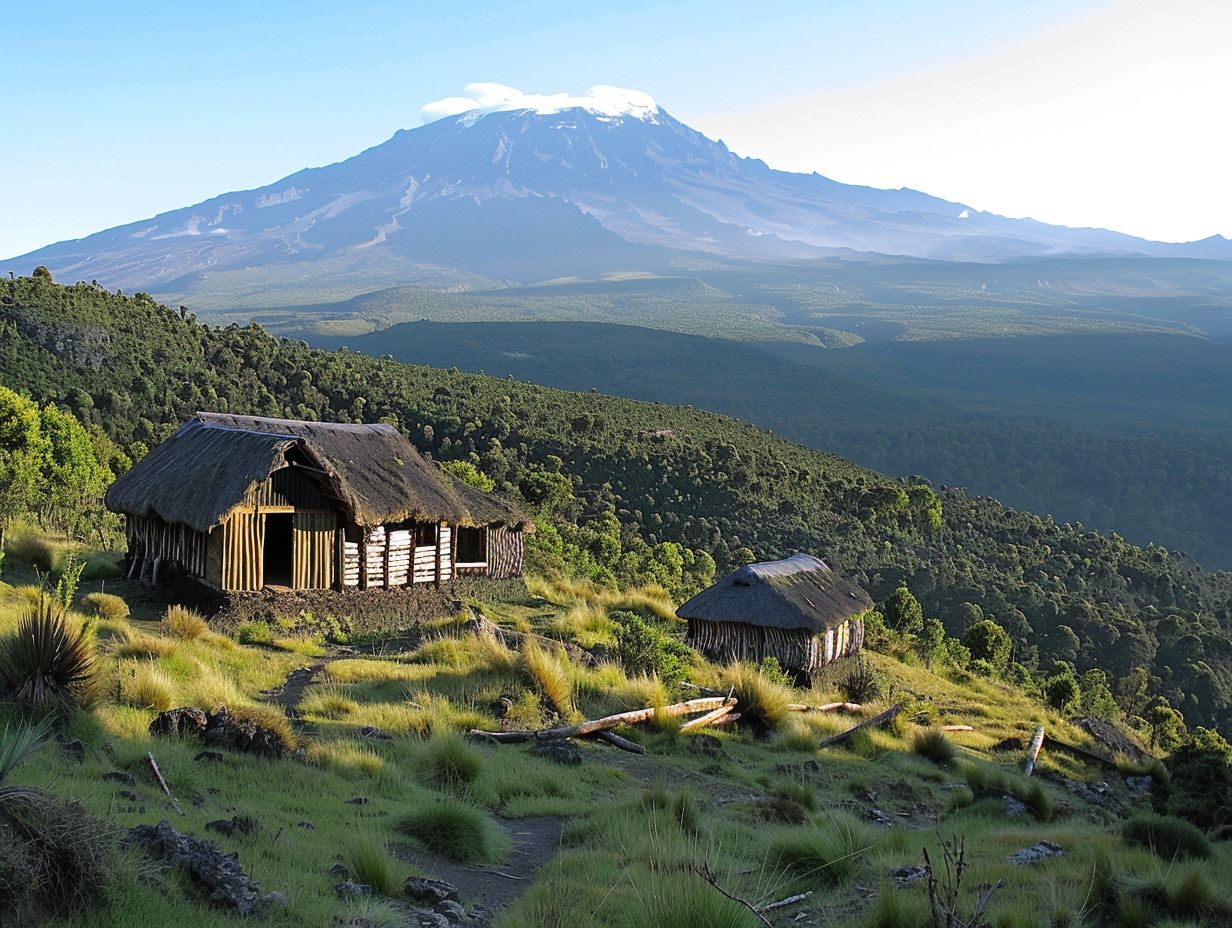
What makes Marangu truly unique is its cozy, dormitory-style mountain huts—the only route offering such shelter. This makes it a top pick during the rainy seasons (mid-March to late May and late October to December), when staying warm and dry is a game-changer for a successful climb.
At Jambo International Tours, we offer both 5-day and 6-day Marangu adventures. The 6-day itinerary is especially recommended, giving your body the time it needs to adjust to the altitude and dramatically improving your summit chances. Whether you’re chasing a lifelong dream or adding to your adventure story, Marangu delivers a soulful, scenic, and smoother path to Uhuru Peak.
Expert Recommendation
The Marangu Route treats climbers to beautiful panoramas of Kilimanjaro’s southern slopes, offering a classic view of Africa’s tallest mountain. It’s a trail that blends natural beauty with a deep sense of history—but it’s important to choose wisely.
One thing to note: Marangu is the only route that uses the same trail for both the ascent and descent. While this makes logistics simple, it does limit the variety of scenery and can lead to more foot traffic along the way. Still, the serene beauty of the landscapes, especially in the early mornings, makes it all worthwhile.
If you’re considering the 5-day option, be aware—it comes with a steeper challenge. The shorter timeframe means less acclimatization, which can impact your summit success. That’s why we strongly recommend the 6-day version for first-time climbers. It offers a more gradual pace and significantly increases your chances of reaching the top with confidence and strength.
For those seeking even more adventure and scenic diversity, a 7-day or longer trek on a different route may be the perfect fit. But if you’re drawn to the rich history and cozy mountain huts of Marangu, the 6-day journey offers the perfect balance of comfort, challenge, and reward.
Marangu Route - Summit Success Rate
Over the years of guiding climbers to the Roof of Africa, we’ve carefully studied the performance of each Kilimanjaro route—and the Marangu trail is no exception. Our experience, combined with reliable data, offers valuable insight into what you can expect on this historic path.
✅ Marangu 5-day itinerary – Uhuru Peak: 83.8%, Crater Rim: 88.0%
✅ Marangu 6-day itinerary – Uhuru Peak: 86.6%, Crater Rim: 93.1%
As these numbers show, the 6-day itinerary has a noticeably higher summit success rate compared to the 5-day version. The extra day makes a real difference—it gives your body time to adapt to the altitude, boosting your chances of standing at the top of Africa with strength and clarity.
That said, even with the huts and gentle terrain, Marangu is not the easiest route for acclimatization. Its shorter duration compared to other routes like Lemosho or Machame means there’s less time for your body to adjust. While the 6-day trek remains a great option for reasonably fit first-timers, the 5-day version is best suited for those with prior high-altitude experience or recent acclimatization.
At Jambo International Tours, we go beyond simply guiding you—we prioritize your safety, comfort, and success every step of the way. From highly skilled mountain crews to rigorous daily health checks and safety protocols, we do everything possible to ensure you reach the summit feeling empowered, not exhausted.
When you climb with us, you’re not just chasing a peak—you’re chasing a lifelong memory, supported by a team that truly cares.
Marangu Route Detailed Itinerary
Arrival in Tanzania
Arrival at Kilimanjaro International Airport (JRO), where you will meet an Jambo Guide representative, and transfer to the hotel under the rate. The hotel will provide all the essentials for a comfortable stay In the evening there will be a briefing with our managers, who will also make sure you are ready to begin the climb
Day 1
Trekking from Marangu Gate to Mandara Hut.
On the morning of your climb, your guide and mountain support crew will meet you for a brief orientation session. Following the briefing, you’ll depart by vehicle to the Marangu Gate (1,860 m / 6,102 ft), the eastern entrance to Kilimanjaro National Park.
Upon arrival, you’ll complete the necessary registration procedures, including obtaining climbing permits and registering with the park’s search and rescue service. Once formalities are complete, your trek officially begins with a scenic hike to Mandara Hut (2,720 m / 8,922 ft).
This first section of the trail leads you through a lush rainforest zone, where tropical showers are common. We strongly recommend bringing rain gear and a change of clothes to stay comfortable. Upon reaching the camp, your mountain support crew will handle all logistics and prepare a well-deserved lunch to help you recharge for the journey ahead.
Day 2
3 Trekking from Mandara Hut to Horombo Hut.
After an early wake-up call and a hearty breakfast, the group will depart Mandara Hut and begin the ascent toward the second high-altitude camp—Horombo Hut (3,720 m / 12,202 ft). This segment of the trek offers increasingly open landscapes and rewards climbers with spectacular views of both Mount Kibo and Mount Mawenzi, two of Kilimanjaro’s iconic volcanic peaks.
Following lunch and a brief rest at Horombo Hut, you’ll embark on a short acclimatization hike in the direction of Kibo Hut, ascending approximately 200 meters (656 feet) before returning to Horombo. This additional hike is a crucial part of the acclimatization process, improving your body’s adjustment to the altitude. Upon your return, a warm dinner will be served, and you’ll have time to rest and prepare for the next stage of your journey.
Day 3
4 Trekking From Horombo Hut to Kibo Hut.
After breakfast, the group will set out on the trek to Kibo Hut (4,720 m / 15,482 ft), the final base before your summit attempt. While the trail itself is not technically challenging, it is essential to maintain a steady, moderate pace to conserve energy for the demanding ascent to Kilimanjaro’s summit later that night.
Upon arrival at Kibo Hut, a nutritious lunch will be served. The remainder of the afternoon is dedicated to rest and preparation. To optimize your chances of a successful summit, it is highly recommended to stay hydrated, avoid physical exertion, and get as much sleep as possible before the midnight departure.
Day 4
Trekking To Uhuru Peak Descent To Horombo Hut.
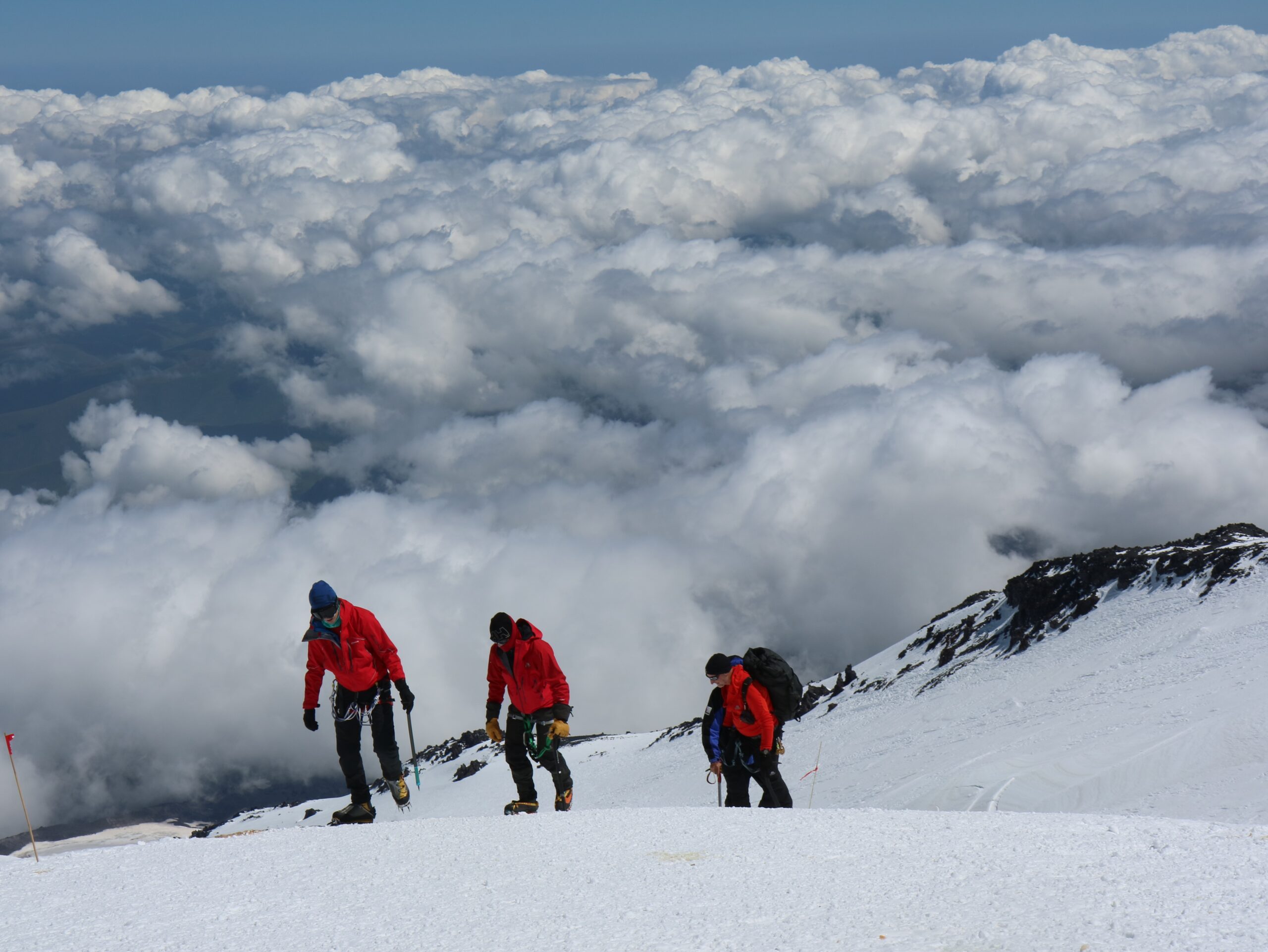
Your summit attempt begins just after midnight, departing from Kibo Hut (4,720 m / 15,482 ft) under the cover of darkness. The goal: reaching Uhuru Peak (5,895 m / 19,336 ft), the highest point in Africa. While the terrain is not technically demanding, the high altitude makes even routine movements physically challenging.
To ensure safety and support, each pair of climbers will be accompanied by a dedicated guide, who will closely monitor both physical stamina and mental well-being throughout the ascent. Upon reaching Uhuru Peak, you’ll have the opportunity to take in the breathtaking panoramic views, and—if conditions allow—descend briefly to a nearby glacier for a closer look.
After celebrating your successful summit, you will return to Kibo Hut for a well-earned two-hour rest. From there, the descent continues to Horombo Hut (3,720 m / 12,202 ft), where you’ll spend the night recovering from this unforgettable day.
Day 5
Descent Horombo Hut to Marangu Gate
In the morning, you’ll be served a warm, energizing breakfast before beginning the final descent to Marangu Gate (1,970 m / 6,462 ft), the official exit point of Kilimanjaro National Park.
Upon arrival, the entire group will come together for a celebratory gathering, marking the completion of your incredible journey. You’ll have the opportunity to share your reflections and feedback by signing the guestbook. To commemorate your achievement, you’ll be presented with an official summit certificate—a lasting symbol of your successful ascent.
After the celebration, we’ll arrange your comfortable transfer back to the hotel, where you can relax and reflect on your extraordinary experience.
Arrival in Tanzania
Arrival at Kilimanjaro International Airport (JRO), where you will meet an Jambo Guide representative, and transfer to the hotel under the rate. The hotel will provide all the essentials for a comfortable stay In the evening there will be a briefing with our managers, who will also make sure you are ready to begin the climb.
Day 1
Trekking from Marangu Gate to Mandara Hut.
On the morning of your climb, your guide and mountain support crew will meet you for a brief orientation session. Following the briefing, you’ll depart by vehicle to the Marangu Gate (1,860 m / 6,102 ft), the eastern entrance to Kilimanjaro National Park.
Upon arrival, you’ll complete the necessary registration procedures, including obtaining climbing permits and registering with the park’s search and rescue service. Once formalities are complete, your trek officially begins with a scenic hike to Mandara Hut (2,720 m / 8,922 ft).
This first section of the trail leads you through a lush rainforest zone, where tropical showers are common. We strongly recommend bringing rain gear and a change of clothes to stay comfortable. Upon reaching the camp, your mountain support crew will handle all logistics and prepare a well-deserved lunch to help you recharge for the journey ahead.
Day 2
Trekking from Mandara Hut to Horombo Hut.
After an early wake-up call and a hearty breakfast, the group will depart Mandara Hut and begin the ascent toward the second high-altitude camp—Horombo Hut (3,720 m / 12,202 ft). This segment of the trek offers increasingly open landscapes and rewards climbers with spectacular views of both Mount Kibo and Mount Mawenzi, two of Kilimanjaro’s iconic volcanic peaks.
Following lunch and a brief rest at Horombo Hut, you’ll embark on a short acclimatization hike in the direction of Kibo Hut, ascending approximately 200 meters (656 feet) before returning to Horombo. This additional hike is a crucial part of the acclimatization process, improving your body’s adjustment to the altitude. Upon your return, a warm dinner will be served, and you’ll have time to rest and prepare for the next stage of your journey.
Day 3
Acclimatization Day At Horombo Hut.
After breakfast, you will embark on an acclimatization hike towards Kibo Hut, then return to Horombo Hut camp. This hike is designed to aid your body’s adjustment to the increasing altitude.
Following lunch, you’ll have the opportunity to explore the surrounding area, photograph the stunning Mawenzi Volcano, or simply rest and conserve energy in preparation for the upcoming ascent to Kibo Hut.
To support optimal acclimatization, the team will spend an additional night at Horombo Hut, remaining at the same altitude.
Day 4
Trekking From Horombo Hut to Kibo Hut.
After breakfast, the group will begin the trek to Kibo Hut (4,720 m / 15,482 ft)—the final base camp before your summit attempt. While the trail is not technically difficult, it is crucial to maintain a steady, moderate pace to conserve energy for the challenging ascent to Kilimanjaro’s summit later that night.
Upon arrival at Kibo Hut, a nutritious lunch will be provided. The afternoon is reserved for rest and final preparations. To give yourself the best chance of a successful summit, it is strongly advised to stay well-hydrated, minimize physical activity, and get as much rest as possible ahead of the midnight departure.
Day 5
Ascent to Huru Peak Decsent To Horombo Huts.
You will depart at night from Kibo Hut (4,720 m / 15,482 ft) and begin the trek toward Uhuru Peak (5,895 m / 19,336 ft)—the highest point on Mount Kilimanjaro and in Africa. While this section of the Marangu Route is not technically challenging, the extreme altitude makes even moderate physical effort demanding.
During the summit attempt, each guide will accompany two climbers, closely monitoring their physical condition and offering continuous encouragement and support throughout the final ascent.
Day 6
Descent from Horombo Hut to Marangu Gate
You will be offered a warm breakfast in the morning, after which we will head for the Kilimanjaro National Park’s exit: Marangu Gate (1,970 m /6,462 f). After your descent, the whole group will gather to congratulate you, and then you will have the chance to share your opinions on the trip in the guestbook. Lastly, we will present you with your commemorative certificates and provide you with a transfer back to airport.
Climbing Cost Includes
We provide smooth, reliable pick-up and drop-off services to and from Kilimanjaro International Airport (JRO), ensuring you arrive and depart stress-free.
From the moment you land to the moment you leave, we’ve got you covered.
Airport pickup & drop-off in a private, comfortable vehicle
All transfers between your hotel and the mountain gate
✅ Zero hassle. Just step off the plane and let Jambo handle the rest.
You’ll stay in handpicked, comfortable hotels in Moshi with hot showers, cozy beds, Wi-Fi, and great service.
1 night before your hike
1 night after your descent
✅ The perfect way to rest, recharge, and celebrate your summit in comfort.
This is the heart of your climb—a team that goes above and beyond.
Highly trained guides with years of Kilimanjaro experience
Friendly, hard-working porters who carry your gear and support your journey
✅ Climb with a crew that cares, encourages, and inspires.
Altitude sickness is real—but we’re always prepared.
Oxygen tanks carried on every trek
Guides trained in high-altitude response
✅ Safety first, summit second—because your life matters more than any peak.
Fuel your summit with delicious, energy-packed meals prepared fresh every day by our mountain chefs.
Hot breakfasts, hearty lunches, and warming dinners
Special dietary needs? No problem. We customize meals for all preferences.
✅ Food is energy, and we never cut corners.
While Marangu Route includes huts, we still provide all the essential gear and extras you need for a safe and smooth climb:
Warm sleeping bags (even in huts, nights are cold!)
Dining gear, tables, chairs
Mountain-ready duffels & rain covers
✅ You pack light—we handle the heavy lifting.
Your health is our constant priority. We conduct two health check-ups per day to track your acclimatization.
Pulse oximeter readings
Headache, sleep, appetite, and hydration assessments
Extensive medical kits carried by every guide
✅ Peace of mind that we’re watching over you—even before you realize you need it.
Climbing Cost Excludes
Your flights to and from Tanzania (Kilimanjaro International Airport – JRO) are not included.
We’re happy to help advise on the best flight options, but tickets must be purchased on your own.
💡 Travel Tip: Book your flight early to get the best rates—and aim to arrive a day before your trek starts.
f you don’t want to carry bulky gear or are missing key items, you can rent high-quality equipment in Moshi.
Available gear includes:
Sleeping bags
Trekking poles
Down jackets
Daypacks, gaiters, waterproof pants, and more
🧳 Our team will check your gear before the climb and help you rent anything missing.
Tipping is customary and deeply appreciated by your mountain crew.
It’s a major source of income for them and helps sustain local families.
🤝 Tipping isn’t just a thank-you—it’s part of our culture of fair and respectful tourism.
Drinking water is provided during the trek, but personal beverages like sodas and alcoholic drinks are not included.
Travel insurance is not included but mandatory for all climbers.
You’ll need a policy that covers:
High-altitude trekking (up to 6,000m)
Medical evacuation
Trip cancellations or delays
Lost or delayed luggage
⚠️ Make sure your provider explicitly covers Kilimanjaro climbs.
Most international travelers require a visa to enter Tanzania.
Tourist visas can be obtained online (eVisa) or on arrival at the airport.
The standard visa fee is $50 USD (or $100 USD for U.S. passport holders).
🌍 We’ll guide you through the process if needed.
While breakfast is included during your hotel stays in Moshi, lunch and dinner are on your own.
There are fantastic local and international restaurants just minutes from your hotel, and we’ll happily recommend the best spots.
🍛 From local Tanzanian dishes to pizza and burgers—you’ll be well fed!
Marangu Route FAQ
Marangu vs. Machame – Which 6-day route is better?
Marangu vs. Lemosho – Which route should I choose?
What is the summit success rate for the Marangu Route?
Why is Marangu called the “Coca-Cola Route”?
How difficult is the Marangu Route?
The real test on this route is summit night, where you’ll face the frigid alpine desert and steep final push to Uhuru Peak. Preparation is key, and extra days greatly improve your chances.