
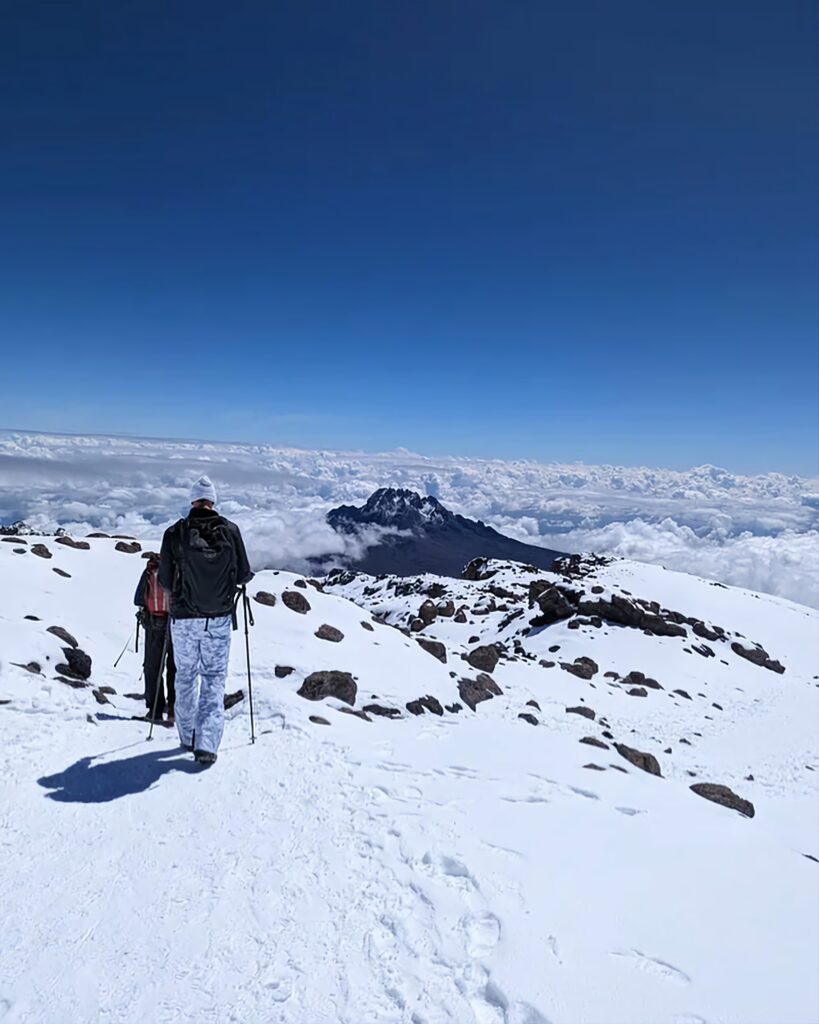
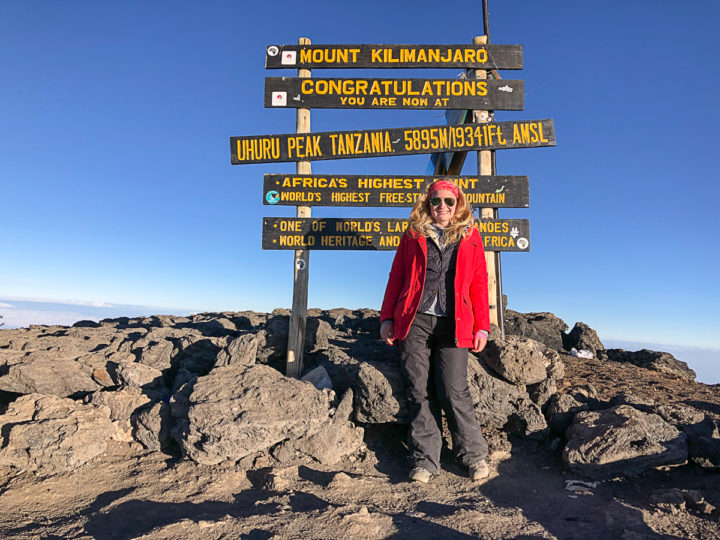
What You Should Know Before Climbing Mount Kilimanjaro. Mount Kilimanjaro Is one of the most rewarding challenges for adventurers, hikers, and nature lovers. As the highest peak in Africa and the tallest free-standing mountain in the world at 5,895 meters (19,341 feet), Kilimanjaro offers a once-in-a-lifetime experience. But this epic trek requires serious planning and knowledge before you set foot on the mountain. In this in-depth guide, we’ll cover everything you need to know before your Kilimanjaro climb—from preparation and packing to altitude safety and mental resilience.
It’s a Trekking Challenge, Not a Technical Climb

One of the most common misconceptions is that Kilimanjaro requires mountaineering or technical climbing skills. In reality, it’s a high-altitude trek rather than a climb, meaning there are no ropes, ice axes, or harnesses needed. However, don’t let that fool you into thinking it’s easy. The trek tests your endurance, mental strength, and ability to cope with altitude.
Expect to walk anywhere between 5 to 15 kilometers a day, often in steep terrain and varying weather conditions. The higher you go, the more the air thins, and each step becomes more difficult. While the path is walkable, the journey is physically and mentally demanding. If you underestimate it, the mountain will let you know.
Choosing the Right Route is Crucial

Mount Kilimanjaro offers multiple routes to the summit, and choosing the right one can significantly impact your experience. Each route has its own scenery, acclimatization profile, level of difficulty, and success rate.
The Machame Route is a favorite among trekkers for its dramatic scenery and good acclimatization profile. The Lemosho Route is considered the most beautiful and has one of the highest summit success rates due to its longer approach. For a quieter, drier trek, the Rongai Route offers a unique ascent from the north. If you’re looking for the longest and most gradual acclimatization, the Northern Circuit is ideal, though it takes 9 or more days.
The Marangu Route, sometimes called the “Coca-Cola route,” is the only one with hut accommodations instead of tents, but it’s also the most crowded and has lower success rates because it ascends more quickly.
To increase your chances of success, opt for a route that takes at least 7 days. The extra time at altitude allows your body to adapt gradually, reducing the risk of acute mountain sickness.
Altitude Sickness Is the Real Enemy
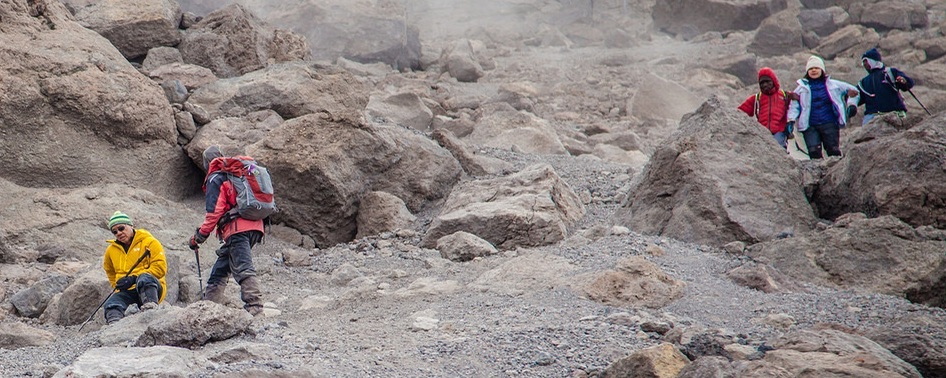
More than anything else, it’s the altitude that turns climbers back. Altitude sickness, or Acute Mountain Sickness (AMS), can affect anyone, regardless of age, experience, or fitness level. Symptoms include headaches, nausea, dizziness, fatigue, and shortness of breath. In severe cases, it can lead to life-threatening conditions like HAPE or HACE.
The best way to minimize your risk is to ascend slowly and allow your body time to adjust. That’s why routes with longer durations offer better outcomes. Drinking plenty of water (3–4 liters per day), eating well, and sleeping as much as possible are also key strategies.
Some climbers choose to take Diamox (Acetazolamide), a medication that helps the body acclimatize more efficiently. Always consult your doctor before using it, and test it out at home before your trip.
Your guide will closely monitor your health daily. Be honest about how you feel and never ignore symptoms. The mountain will always be there—you can try again another time if needed. Safety comes first.
Pack Smart for Extreme Weather
One of the unique aspects of Kilimanjaro is that you pass through five climate zones in just a few days—from humid rainforest to alpine desert, and finally, arctic conditions at the summit. Packing for this range of weather is critical.
Dress in layers. You’ll need moisture-wicking base layers, insulating mid-layers (like fleece), and an outer shell that’s both waterproof and windproof. For summit night, a down jacket and thermal leggings are essential as temperatures can drop to -20°C (-4°F) with wind chill.
Your boots should be broken-in, waterproof, and provide ankle support. A quality sleeping bag rated to at least -10°C (14°F) is a must. Bring a headlamp (for summit night), trekking poles (to ease joint strain), a water bladder, and a daypack for carrying your essentials.
Don’t forget small but crucial items like sunscreen, lip balm, energy snacks, and a buff or balaclava for cold winds. Most tour operators will carry your main bag (up to 15–20 kg), but you’ll need to carry your own daypack.
Physical and Mental Preparation Matter Equally

Training for Kilimanjaro is not about speed or power—it’s about stamina and endurance. Aim to hike regularly with a backpack on, gradually increasing distance and elevation. Incorporate cardio (like running or cycling), strength training, and flexibility exercises into your routine.
More importantly, prepare your mind. Many climbers say Kilimanjaro is more of a mental challenge than a physical one. The long days, freezing nights, and summit push can wear you down. Staying motivated, breaking the climb into manageable parts, and having a strong “why” can help you persevere when it gets tough.
Summit night, in particular, is brutal: You’ll begin around midnight, hiking for 6–8 hours in the dark and freezing cold to reach Uhuru Peak at sunrise. This is where mental resilience can be the difference between giving up and standing on the summit.
Travel with a Reputable Tour Operator
You can’t climb Kilimanjaro independently—Tanzania requires all climbers to be accompanied by a registered guide. Choosing the right tour operator is one of the most important decisions you’ll make.
A quality company will provide experienced guides trained in altitude-related first aid, ethical porter treatment, quality food, and safety equipment like oxygen and oximeters. Look for operators affiliated with KPAP (Kilimanjaro Porters Assistance Project), which ensures porters are treated fairly and paid well.
One trusted company to consider is Jambo International Tour, known for its professional guides, excellent safety record, and strong commitment to porter welfare. They also offer well-structured itineraries, delicious meals on the mountain, and personalized service that makes climbers feel supported every step of the way.
Cheap operators may cut corners with food, safety, and porter welfare. Don’t gamble your safety or others’ well-being to save a few hundred dollars. With a reputable outfitter like Jambo International Tour, you’re investing in both your experience and in ethical, responsible travel.
Support Ethical Tourism and Respect the Mountain

Thousands of porters, guides, and cooks support climbers on Kilimanjaro. Ethical tourism ensures they are fairly treated, well-fed, and adequately clothed. Ask your company about their porter policies and check whether they follow KPAP guidelines.
Porters carry heavy loads up the mountain, often with limited gear. Be respectful—don’t overpack, and keep your duffel bag within the weight limit. Also, tipping is customary and expected. Budget $250–$300 for tips, to be distributed fairly among the crew.
Also, be mindful of your environmental impact. Stay on the trail, don’t litter, and respect local customs and communities. Kilimanjaro is more than a mountain—it’s a cultural and natural treasure.
The Best Time to Climb Kilimanjaro
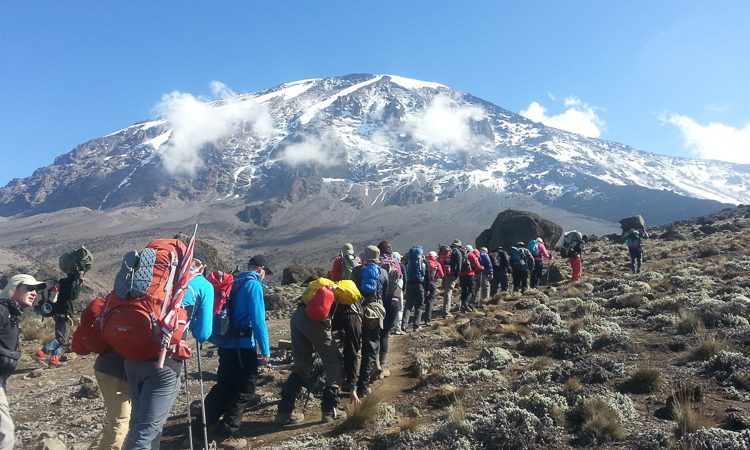
Kilimanjaro can be climbed year-round, but the best weather typically falls within two dry seasons: January to mid-March, and June to October.
January to March is generally quieter, with the chance of snow at the summit. June to October is the most popular period, especially among European and North American climbers. These months offer clearer skies and more stable weather.
Avoid climbing during the rainy seasons—April to May and November—as the trails become muddy and visibility is low.
Enjoy the Journey and Stay Present
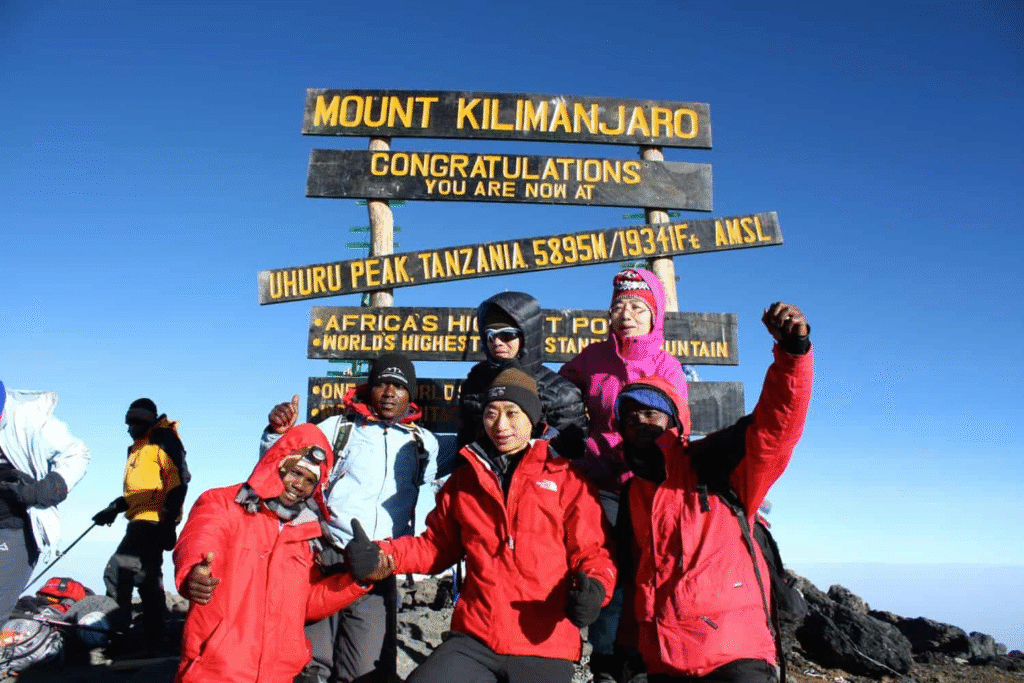
Reaching Uhuru Peak is an incredible accomplishment, but the journey itself is just as meaningful. You’ll walk through ancient rainforests, surreal alpine deserts, and icy summit ridges. You’ll bond with fellow trekkers and local guides, and you’ll face parts of yourself you’ve never met before.
Take photos, journal your experience, and soak in every sunrise and starlit sky. But also be prepared to turn back if necessary. The mountain doesn’t judge success by the summit—it rewards those who respect it and learn from it.
Final Thoughts: The Roof of Africa Awaits
Climbing Mount Kilimanjaro is more than a physical feat—it’s a powerful emotional and spiritual journey. With the right preparation, the right mindset, and the right team, standing on the “Roof of Africa” becomes more than just a dream. It becomes your story.
So train well, pack smart, go slow, and trust the journey.
Pole pole (slowly, slowly), as the locals say—step by step, you’ll get there.
