- Home
- Machame Route
Machame Route
Whiskey Route
Machame Route
Challenge the mountain—where adventure thrives on every winding trail
Price From
$1700
Overview of the Machame route
The Machame Route, affectionately known as the “Whiskey Route,” is one of the most sought-after trails for climbers aiming to reach the summit of Mount Kilimanjaro. Renowned for its breathtaking landscapes, diverse ecosystems, and higher success rate with proper acclimatization, the Machame Route offers a perfect blend of challenge and reward.
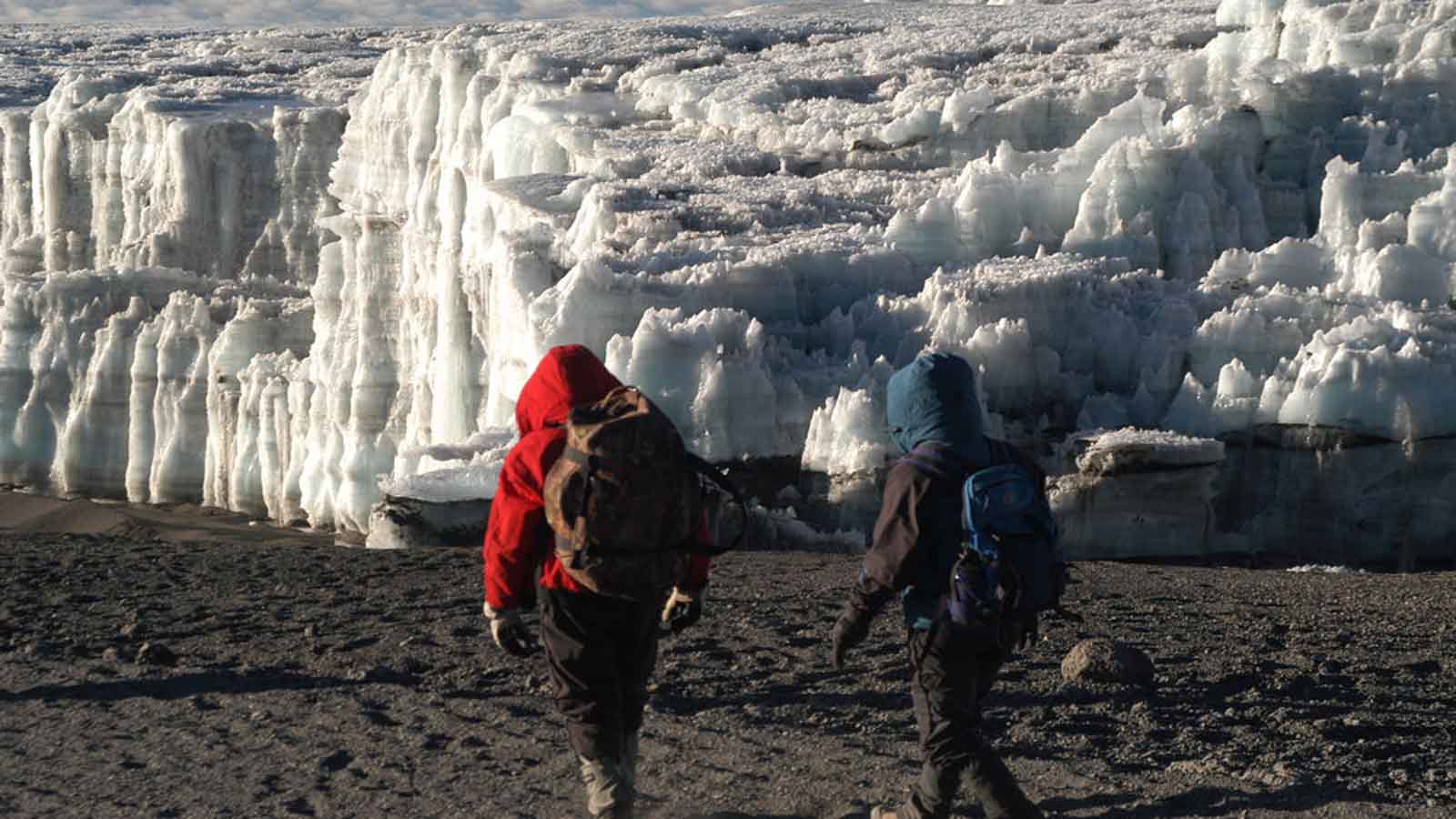
This route begins on the southern slopes of Kilimanjaro, weaving through lush tropical rainforests before opening up to moorlands, alpine deserts, and the icy summit zone. Trekkers are treated to panoramic views, stunning sunrises, and the unforgettable sight of glaciers near the roof of Africa.
At Jambo International Tours, we offer both 6-day and 7-day Machame itineraries, with the 7-day option being ideal for better altitude adaptation and increased summit success. Whether you’re a first-time hiker or a seasoned adventurer, the Machame Route provides an unforgettable journey through all five of Kilimanjaro’s ecological zones—from dense rainforest to arctic landscapes.
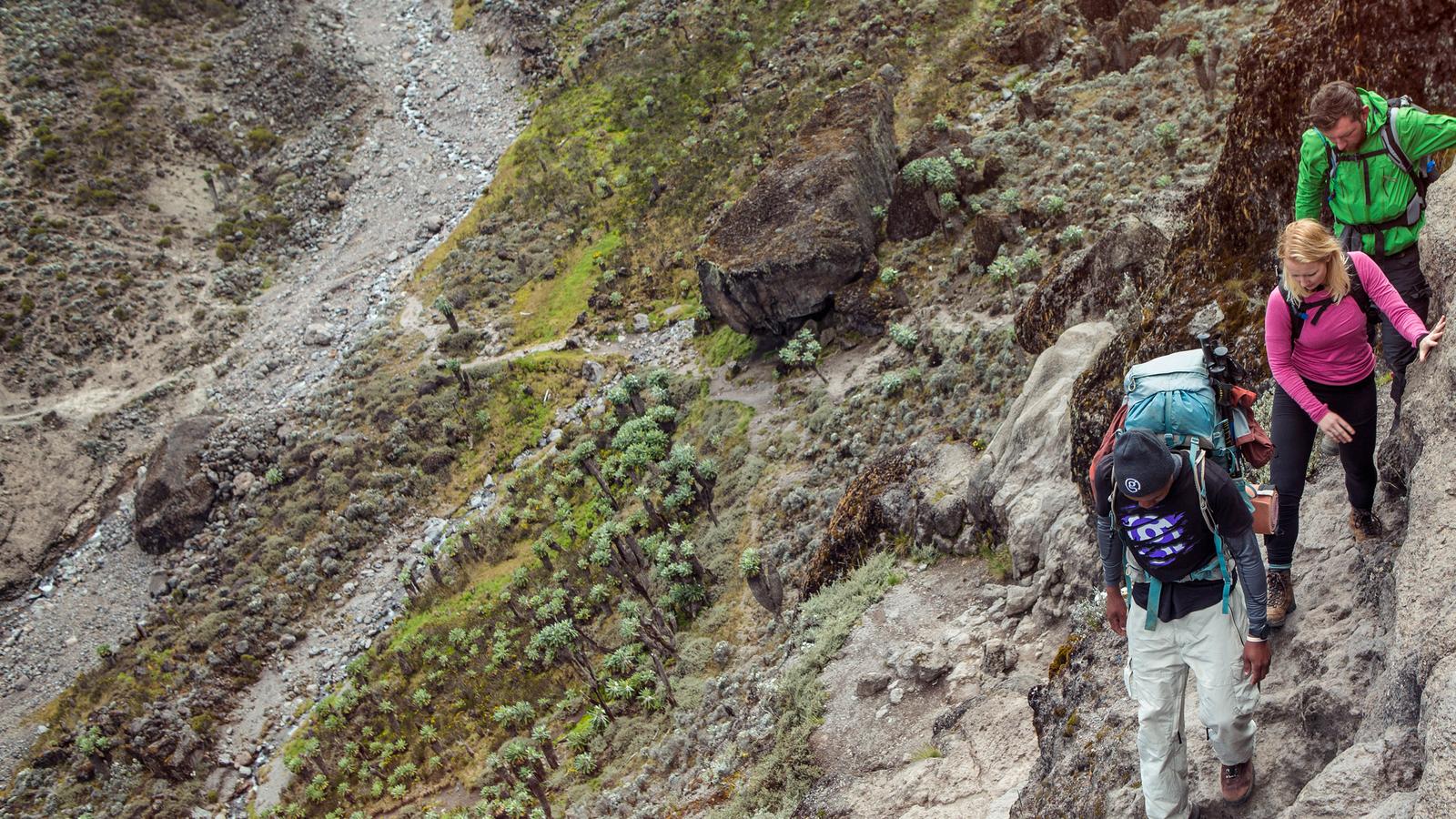
A true highlight of this route is the dramatic climb up the Barranco Wall, a thrilling scramble with unbeatable views. You’ll also encounter unique high-altitude flora like the giant Dendrosenecio kilimanjari, an otherworldly plant species found only on Kilimanjaro.
Choose the Machame Route with Jambo International Tours for a safe, well-guided, and awe-inspiring Kilimanjaro experience. Our expert mountain guides, carefully crafted itineraries, and deep local knowledge ensure your adventure is not only successful but deeply memorable.
Expert Recommendation
While both the 6-day and 7-day Machame Route itineraries lead to the summit of Mount Kilimanjaro, the difference between them is more than just an extra day—it can greatly impact your chances of success.
At Jambo International Tours, we strongly recommend the 7-day Machame itinerary, especially for first-time climbers and those without prior high-altitude trekking experience. The additional day includes an overnight stay at Karanga Camp, a crucial stop that allows your body to better acclimate to the thinning air. This dramatically increases your chances of safely reaching Uhuru Peak.
The 6-day variation, while faster, offers limited time for altitude adjustment. It is more physically demanding and has a noticeably lower summit success rate. For this reason, it is best suited for experienced high-altitude trekkers or those already acclimatized.
Some low-cost tour operators may promote the 6-day route as a budget-friendly option—but we prioritize your health, safety, and success above all else. When climbing with Jambo International Tours, we guide you to make informed choices for a successful and enjoyable Kilimanjaro adventure.
Machame Route - Summit Success Rate
If you’re planning to climb Mount Kilimanjaro, one of the most important questions you might ask is: What are the summit success rates for different routes? At Jambo International Tours, we’re proud to offer one of the best success rates on the Machame Route—thanks to our professional team, thoughtful itineraries, and a strong focus on climber safety and acclimatization.
Machame Route Summit Success Rates
6-Day Machame Route
Reaches Crater Rim: ~92%
Reaches Uhuru Peak: ~87%
7-Day Machame Route
Reaches Crater Rim: ~96%
Reaches Uhuru Peak: ~93%
As these figures show, the 7-day Machame itinerary significantly outperforms the 6-day version, especially when it comes to reaching Uhuru Peak—the highest point in Africa. That extra acclimatization day makes a major difference, giving your body more time to adjust to the altitude and improving your chances of a successful summit.
On day three, the Machame Route merges with the Lemosho and Umbwe routes, creating a shared summit approach that offers stunning alpine views and memorable trekking moments. Whether you’re a beginner or a seasoned hiker, the 7-day Machame trek remains one of the top choices for a safe, scenic, and successful Kilimanjaro climb.
At Jambo International Tours, we don’t just talk about success—we back it up with action. Our team includes some of the most experienced Kilimanjaro mountain guides, certified by local and international training programs. We also provide top-tier safety gear, including supplemental oxygen, comprehensive medical kits, and twice-daily health checks for all climbers and staff.
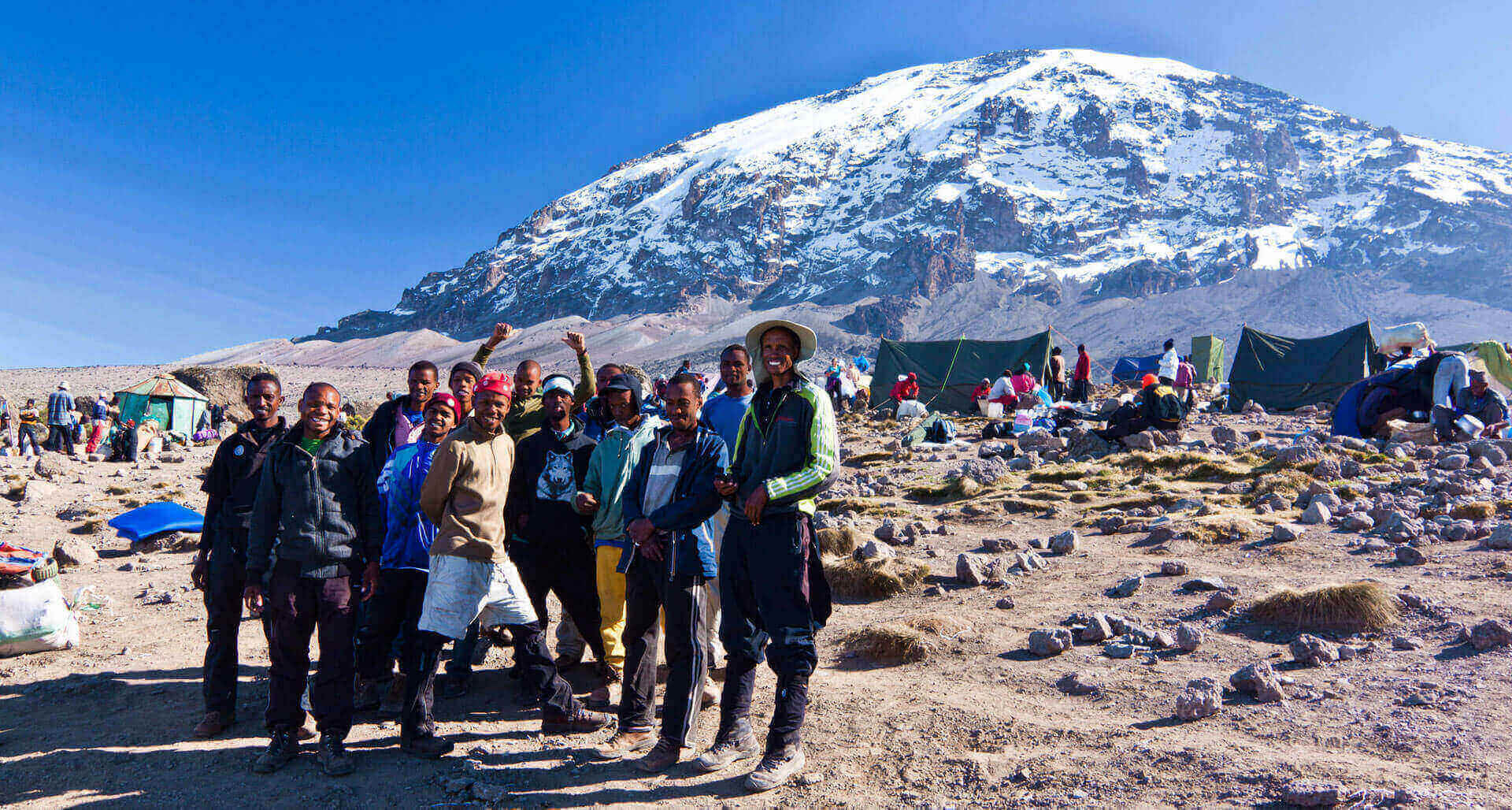
Our commitment to responsible tourism also means we treat our porters and guides fairly, ensuring excellent working conditions and wages. This motivates our team to deliver the best service possible—giving you not only a better chance of reaching the summit, but a more enriching and ethical trekking experience overall.
Ready to summit with confidence? Join us at Jambo International Tours and take the scenic route to the Roof of Africa—safely, successfully, and memorably.
Lemosho Route Detailed Itinerary
Arrival in Tanzania
Arrival.
Arrival at Kilimanjaro International Airport (JRO), where you will meet an Jambo Guide representative, and transfer to the hotel under the rate. The hotel will provide all the essentials for a comfortable stay in the evening there will be a briefing with our managers, who will also make sure you are ready to begin the climb.
Day 1
Trekking from Machame Gate to Machame Camp.
Your Kilimanjaro adventure begins with a morning visit from your mountain guide and support crew at your hotel. During this initial meeting, a brief orientation will be conducted to review the trek itinerary, safety protocols, and essential gear requirements.
Following the briefing, you will be transferred by vehicle to Machame Gate, the official entrance to Kilimanjaro National Park. Upon arrival, formalities such as obtaining climbing permits and registering with the park’s search and rescue service will be completed.
Once all preparations are finalized, the trek officially begins. Today’s hike leads you through the lush, green rainforest—a region characterized by dense vegetation and the likelihood of tropical showers. To stay comfortable, it is highly recommended that you carry a raincoat and spare clothing in your daypack.
The day concludes at Machame Camp, where you will enjoy your first evening on the mountain and rest in preparation for the ascent ahead.
Day 2
Trekking from Machame Camp to Shira Camp.
After breakfast, you’ll trek out of the rainforest and into the moorland zone, enjoying your first views of the Shira Plateau. Although the trail is not technically difficult, the rising altitude may be noticeable, so a steady pace is essential. Upon reaching Shira Camp, you’ll have lunch and rest before taking a short acclimatization hike toward Lava Tower Camp (400 m elevation gain). You’ll return to Shira Camp for a hot dinner and overnight stay.
Day 3
Trekking from Shira to Barranco Camp Via Ascent to the Lava Tower.
After breakfast, your group will depart from Shira Camp and begin the trek toward Lava Tower. This portion of the journey involves several ascents and descents, which can be physically demanding. However, reaching the Lava Tower at an elevation of 4,600 meters (15,088 feet) plays a vital role in the acclimatization process. For this reason, we encourage all groups to have lunch at the Lava Tower. Spending time at this higher altitude helps your body adjust more effectively before you descend approximately 700 meters (2,297 feet) to Barranco Camp, where you will spend the night. This strategic ascent and descent pattern is essential for enhancing your chances of a successful summit.
Day 4
Trekking Barranco Camp to Karanga Camp.
An early start is recommended on this day to avoid congestion on the approach to the Barranco Wall. While the Wall may appear intimidating due to its steep incline and impressive height, the actual ascent is relatively straightforward and typically takes about an hour to complete. Upon reaching the top, you’ll be rewarded with a stunning photo opportunity featuring Kibo Peak as a dramatic backdrop.
The trek continues with a series of ascents and descents across varied terrain. Your guides will set a comfortable and appropriate pace tailored to each trekker’s ability. After a midday stop for lunch at Karanga Camp, the group will embark on an acclimatization hike towards Barafu Camp, reaching a high point of approximately 3,995 meters (13,104 feet). This hike is designed to support proper acclimatization. Following the ascent, you’ll return to Karanga Camp for an overnight stay.
Day 5
Ascent to Uhuru Peak and Descent to Millennium Camp.
The final ascent to Uhuru Peak begins at night as your team departs from Barafu Camp. While the route itself does not involve technical climbing, the high altitude presents a significant physical challenge—making even basic movements feel more demanding. To ensure safety and well-being, each pair of climbers will be accompanied by a dedicated guide who will monitor their condition throughout the ascent.
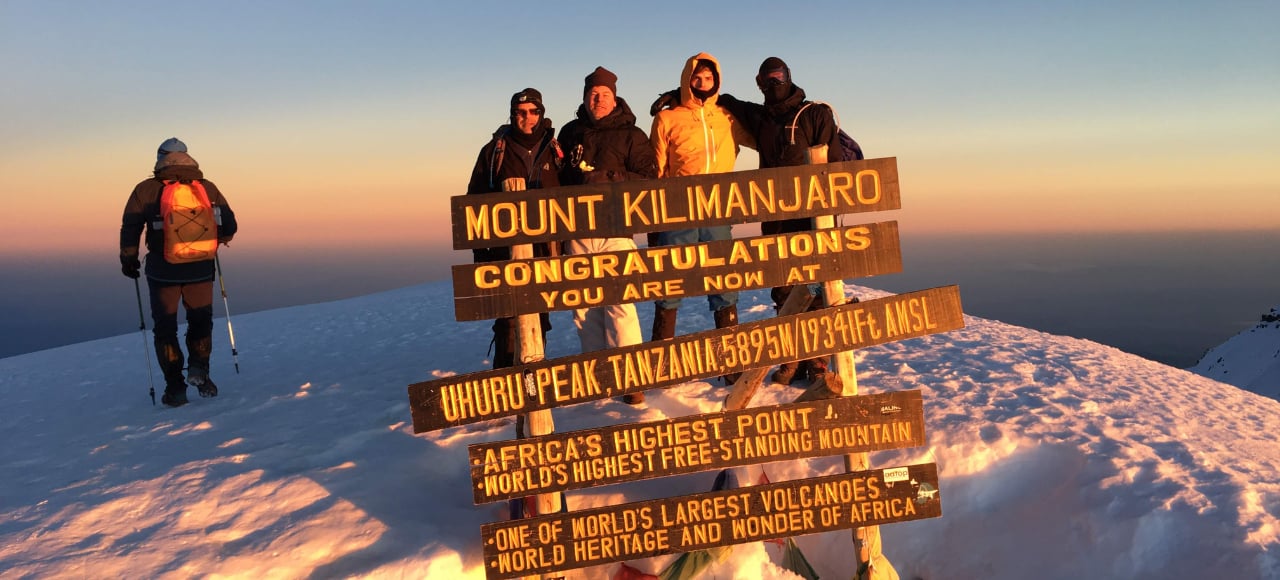
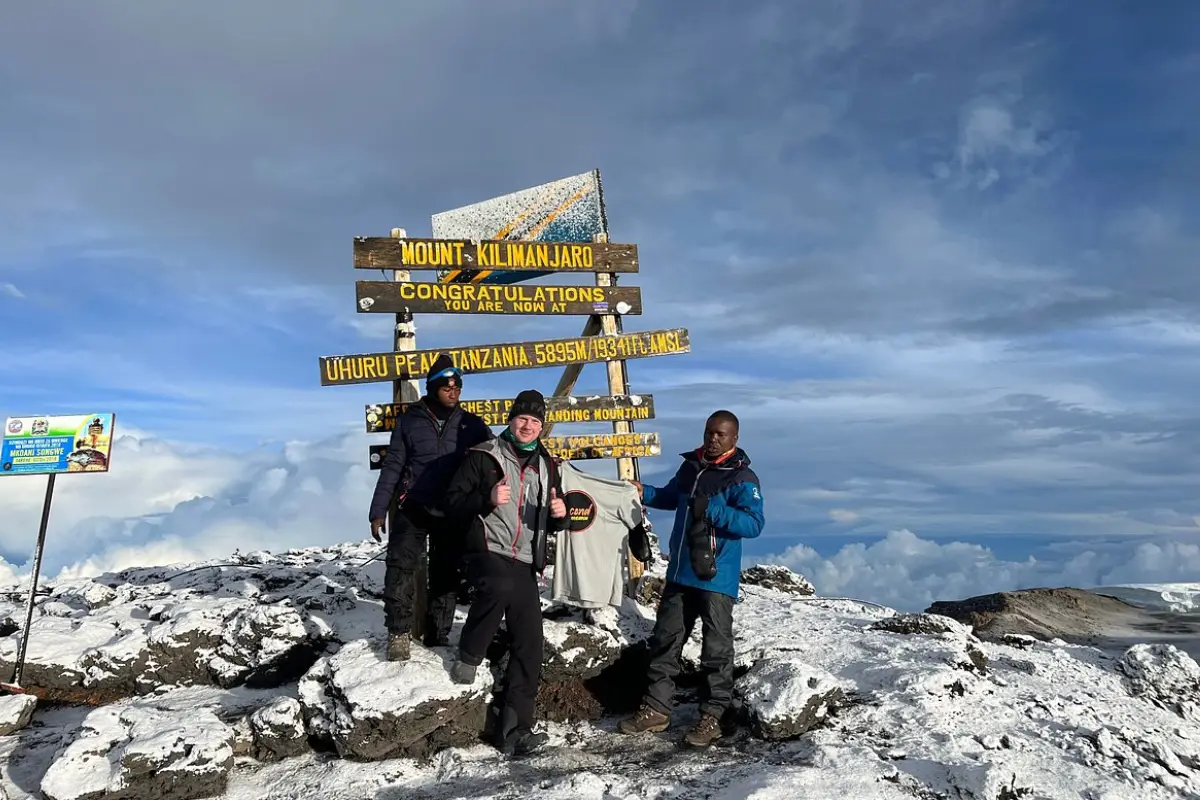
Upon reaching Uhuru Peak at 5,895 meters (19,336 feet), those who wish may take the opportunity to visit the nearest glacier, conditions permitting. Afterward, the group will return to Barafu Camp for a brief rest of about two hours. The day continues with a descent to Millennium Camp, where you will spend the night.
Day 6
Descent from Millennium Camp.
Millennium Camp is located within the upper reaches of the rainforest zone. By morning, the lower altitude typically brings noticeable physical relief, along with a sense of accomplishment following the summit. After breakfast, the group will begin the final descent toward Mweka Gate, the official exit point of the national park.
Upon arrival at the gate, there will be time for group members to reflect on the journey and, if they wish, record their impressions in the guestbook. Afterward, certificates acknowledging the completion of the trek will be issued at the office. A vehicle will then be arranged to return you to your hotel.
Departure Day
After a period of rest at the hotel, a transfer to the airport will be arranged according to your flight schedule.
Day 1
Upon arrival at Kilimanjaro International Airport, your guide will meet you and transfer you to your hotel for an overnight stay. This day is for resting, adjusting to the local time zone, and preparing for the trek. Some tours may also include an optional pre-trek briefing to go over the details of the climb.
Day 2
Moshi City to Machame Gate.
You’ll begin your adventure with a scenic drive from Moshi to Machame Park Gate for the necessary registration formalities. Once you’ve completed the paperwork, the real journey begins as we start our trek through the lush rainforest, following a winding trail that ascends a beautiful ridge. At the lower elevations, the trail can be a bit muddy and slippery, so gaiters and trekking poles will come in handy to ensure your comfort and safety. After a short yet rewarding hike, we’ll reach Machame Camp, where you can unwind and enjoy a delicious dinner before settling in for a restful overnight stay, ready for the days ahead.
Day 3
Trek Machame Camp to Shira Camp.
After breakfast, we’ll leave the lush glades of the rainforest behind and continue our ascent along a steep rocky ridge, crossing the valley below. The trail now veers westward, following a river gorge as we make our way to the Shira Campsite. Along the way, you’ll experience breathtaking views and varying landscapes, from rugged ridges to the expansive vistas of the Shira Plateau. Upon reaching Shira Camp, we’ll enjoy a delicious dinner, relax, and prepare for a peaceful overnight stay, all while acclimatizing to the higher elevation in preparation for the journey ahead.
Day 4
Trek Shira Camp to Barranco Camp.
From Shira Camp, we’ll head east up a ridge, passing the junction toward Kibo Peak. Then, we’ll turn southeast towards the Lava Tower (4,650 meters / 15,250 feet), also called the Shark’s Tooth. Afterward, we’ll reach another junction for Arrow Glacier before descending to Barranco Camp. Although we end up at a similar altitude to where we started, this day is key for acclimatization, giving your body time to adjust and prepare for summit day. You’ll also enjoy stunning views and varied terrain along the way.
Day 5
Trek Barranco Camp to Barafu Camp.
After breakfast, we’ll leave Barranco Camp and begin our steep ascent up the Barranco Wall (4,250 meters / 13,900 feet), a challenging but rewarding climb. Once we reach the top, we’ll descend into the scenic Karanga Valley (4,050 meters / 13,250 feet), where we’ll take a short break. Continuing on, we’ll reach the junction that connects to the Mweka Trail, then make our way up to Barafu Camp. By the time we arrive at Barafu Camp, we will have completed the South Circuit, which provides amazing views of the summit from various angles. The camp is set with stunning vistas of Kilimanjaro’s peak in the distance, setting the stage for the final climb. This is an important rest stop as we prepare for the summit push later.
Day 6
Summit to Mweka Camp
Very early in the morning (midnight to 2:00 am), we’ll begin our ascent towards the summit, passing between the Rebmann and Ratzel glaciers. Heading in a northwesterly direction, we’ll climb through the scree towards Stella Point on the crater rim. This section is the most mentally and physically demanding part of the trek.
At Stella Point, we’ll take a brief rest and be rewarded with an unforgettable sunrise. If you’re among the faster hikers, you may reach the summit in time to witness the sunrise from Uhuru Peak. From Stella Point, there may be snow along the 1-hour ascent to the summit. Upon reaching Uhuru Peak, you’ll have reached the highest point of Mount Kilimanjaro and all of Africa. After celebrating your achievement, we’ll begin our descent, heading straight down to Mweka Camp. We’ll stop at Barafu Camp for a break and lunch before continuing to Mweka.
Day 7
Mweka Camp to Moshi City.
After breakfast, we’ll begin our descent to the Mweka Park Gate, where you’ll receive your summit certificates. The lower elevations can be wet and muddy, so gaiters and trekking poles will be helpful. The weather here is typically warmer, so shorts and t-shirts will likely be enough. Once we reach the gate, our driver will be waiting to take you back to your hotel in Moshi, marking the end of your incredible Kilimanjaro trekking adventure.
Departure
After a period of rest at the hotel, a transfer to the airport will be arranged according to your flight schedule.
Climbing Cost Includes
We provide smooth, reliable pick-up and drop-off services to and from Kilimanjaro International Airport (JRO), ensuring you arrive and depart stress-free.
Your journey begins and ends with a comfortable hotel stay, complete with cozy rooms and friendly service—perfect for relaxing before and after your adventure.
All Kilimanjaro National Park entry fees, camping charges, and rescue fees are included—no hidden costs or surprises.
Your safety and success are our top priorities. Our treks are led by experienced, licensed mountain guides backed by skilled cooks and strong, supportive porters.
Stay fueled with three hot meals per day, plus snacks and clean drinking water—designed to support your energy and recovery on the trail.
We provide high-quality tents, sleeping mats, and all necessary camping equipment, so you don’t have to worry about a thing.
Climbing Cost Excludes
International and domestic flights to and from Kilimanjaro International Airport are not included.
You’ll need to bring your own boots, layered clothing, sleeping bag, and other personal items. (Gear rentals are available on request.)
Tipping your guides, porters, and support staff is customary and highly appreciated.
Drinking water is provided during the trek, but personal beverages like sodas and alcoholic drinks are not included.
We strongly recommend purchasing travel insurance that covers emergency evacuation and high-altitude trekking.
Tanzania entry visa fees are the responsibility of the traveler. Ensure your passport and visa are in order before arrival.
Machame Route FAQ
Why is it Called the “Whiskey Route”?
What is the Machame Route on Kilimanjaro?
Spanning either 6 or 7 days on the mountain, this route leads you through Kilimanjaro’s five distinct climate zones—from lush tropical rainforest to the stark beauty of the arctic summit. Trekkers on the Machame Route will experience stunning landmarks such as:
Machame 7 vs. Lemosho 7 – Which Should I Choose?
Is the Machame Route Difficult?
However, the 6-day version is more physically demanding and should only be attempted by those with prior high-altitude experience or excellent physical conditioning. At Jambo International Tours, we generally recommend the 7-day option for the safest and most enjoyable climb.
How Many Days Does the Machame Route Take?
Is the Machame Route Good for Beginners?
Our team at Jambo International Tours ensures beginners feel fully supported, with expert guides, thorough briefings, well-paced treks, and 24/7 mountain safety protocols—including twice-daily health checks and full medical kits on every expedition.
If you're dreaming of conquering Kilimanjaro and looking for a route that offers incredible views, safe acclimatization, and an unforgettable adventure, the Machame Route is your perfect match.