
Kilimanjaro Packing List: what to Bring Climbing Mount Kilimanjaro is one of the most extraordinary adventures on earth. At 5,895 meters (19,341 ft), it is the highest mountain in Africa and requires preparation both mentally and physically. One of the most overlooked aspects of a successful climb is what you pack. Having the right gear not only makes the journey safer but also more comfortable as you move through the mountain’s five distinct climate zones: cultivated farmlands, rainforest, moorland, alpine desert, and arctic summit. Each zone presents unique challenges, from humidity and mud to biting winds and freezing nights. This packing list provides a comprehensive guide to what you need for your Kilimanjaro climb, complete with detailed explanations so you know exactly why each item matters.
Clothing for All Weather Conditions
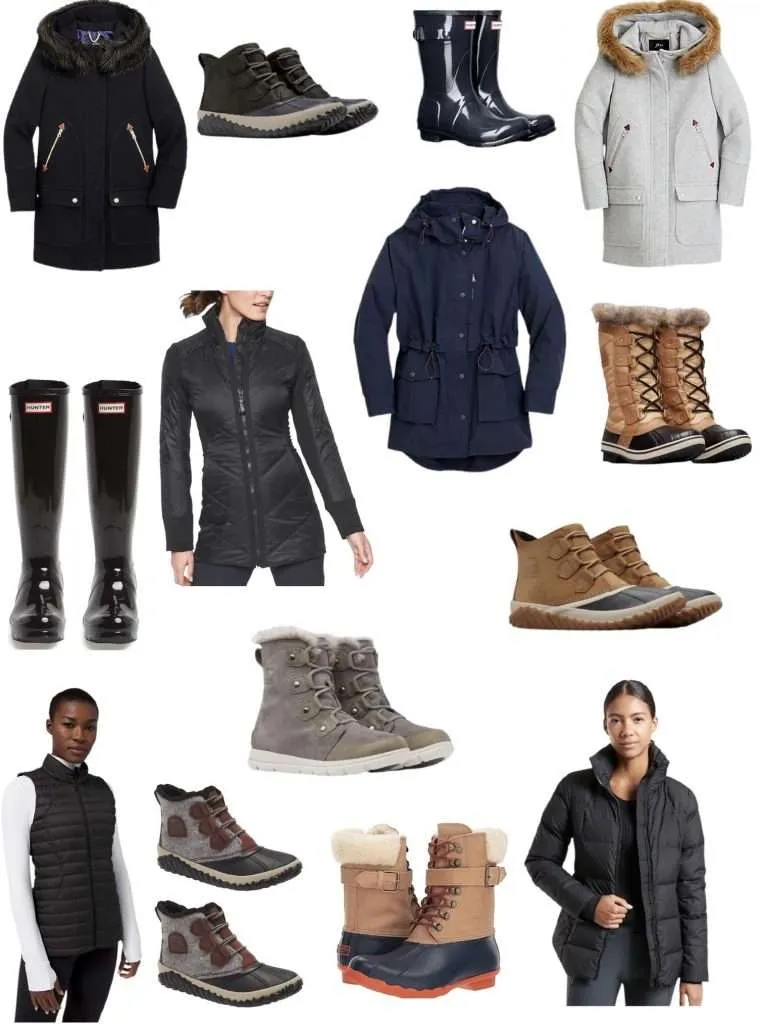
Kilimanjaro is like walking from the equator to the Arctic in just a few days. That’s why layering is the golden rule. Start with base layers—long-sleeved tops and bottoms made from merino wool or synthetic fabrics. These help wick away sweat, keeping you dry and reducing chills during rest stops. On top of that, you’ll need a mid-layer like a fleece jacket or light down jacket to trap warmth. Finally, your outer layer should be a waterproof and windproof shell jacket and pants, which protect you from rain, snow, and harsh summit winds. Climbers often underestimate how cold it can get at higher altitudes. Temperatures can drop to -20°C (-4°F) on summit night, so packing thermal underwear, insulated jackets, and windproof gear is absolutely essential. Avoid cotton as it retains moisture, which can lead to hypothermia in cold conditions.
Kilimanjaro Packing List: what to Bring Footwear and Hiking Gear
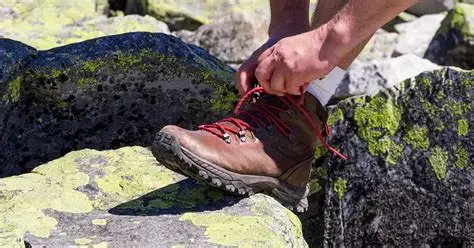
Your feet will carry you to the summit, so they deserve the best protection. Invest in high-quality hiking boots that are waterproof, sturdy, and provide ankle support. Break them in weeks before the climb to avoid painful blisters. Many trekkers bring 3–4 pairs of thick trekking socks, preferably merino wool, which provide warmth and reduce moisture. In addition to boots, gaiters are highly recommended, especially during the rainy season or in snow zones. They keep mud, water, and stones out of your boots. Camp shoes or sandals are useful for relaxing after a day’s hike, allowing your feet to breathe. Don’t forget trekking poles—they reduce strain on your knees, improve balance on steep or slippery paths, and help conserve energy. A pair of poles can make a huge difference, especially on descent when legs are most tired.
Essential Accessories

Small items often make the biggest difference. A warm hat or beanie is crucial for retaining body heat. Bring a sun hat for protection in lower zones, and a buff or balaclava to shield your face from wind and dust. Gloves are equally important: a lightweight liner pair for everyday trekking, and thick insulated mittens for summit night. Sunglasses with UV400 protection are non-negotiable. Snow glare at high altitudes can damage your eyes and cause snow blindness. Carrying them ensures you’re ready for bright alpine conditions.
Hydration and Nutrition
One of the main causes of altitude sickness is dehydration. You should drink at least 3–4 liters of water daily. A hydration bladder is convenient for drinking while walking, while insulated bottles prevent water from freezing on summit night. Since mountain water is collected from streams, always use water purification tablets or filters to make it safe. In addition, bring energy snacks like trail mix, protein bars, dried fruit, and electrolyte powders. These provide quick energy, help balance minerals, and keep you fueled for long hiking hours.
Personal Items and Toiletries
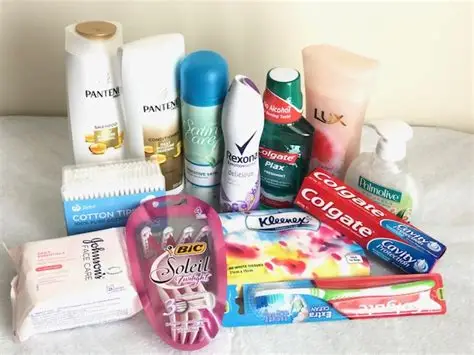
Life on the mountain is simple but basic hygiene matters. Carry biodegradable soap, wet wipes, and hand sanitizer since showers aren’t available. A toothbrush and toothpaste, lip balm with SPF, and sunscreen (SPF 30+) protect you against sunburn and dryness. A quick-dry towel is handy for washing up at camps, while a small pack of tissues or toilet paper is vital for bathroom breaks in the wild. Keeping yourself clean reduces the risk of illness and makes the trek more comfortable.
Gadgets and Useful Tools
Technology can make your climb smoother. A headlamp with spare batteries is critical for summit night, where you’ll hike in pitch darkness before sunrise. A power bank or solar charger ensures your phone and camera stay powered throughout the trek. Other useful tools include a multi-tool or small knife for unexpected gear repairs and duct tape for patching boots, bags, or tents. Some climbers also carry journals to record their daily progress, turning their Kilimanjaro journey into a lasting memory.
First Aid and Health Supplies

Health preparation is as important as physical training. Your personal first aid kit should include blister plasters, bandages, painkillers, antihistamines, and any prescribed medication. Many climbers also bring altitude sickness tablets like Diamox (consult your doctor before use). Other recommended items include rehydration salts, anti-diarrheal tablets, and motion sickness pills. Having these on hand can prevent small issues from becoming serious on the mountain.
Important Documents and Money

Never forget your essential documents. Carry your passport, travel insurance details, and required permits in a waterproof pouch. Travel insurance is especially important as it covers medical emergencies, evacuation, or trip cancellations. Tipping is customary on Kilimanjaro since porters, cooks, and guides work hard to support climbers. Bring cash in U.S. dollars or Tanzanian shillings for tipping at the end of the trek. This gesture not only shows appreciation but is part of the climbing culture.
Final Thoughts
Packing for Kilimanjaro is not about bringing everything you own—it’s about strategic preparation. Each item plays a role in helping you adapt to the mountain’s varied climates, conserve your energy, and stay safe. With the right clothing, gear, and essentials, you can focus on the breathtaking landscapes, the thrill of the trek, and the pride of standing at the highest point in Africa. A successful climb depends not just on your fitness but on your ability to be well-prepared. With this detailed packing list, you’ll be equipped for the challenge and ready to experience the magic of Kilimanjaro.
