- Home
- Historical Tour
Historical Tour
Destination
Tanzania Historical Tour
Tanzania is home to several remarkable historical sites that offer a glimpse into the country’s rich cultural heritage and history. Here are some of the top historical sites you might consider visiting during a tour of Tanzania.
- Key Sites
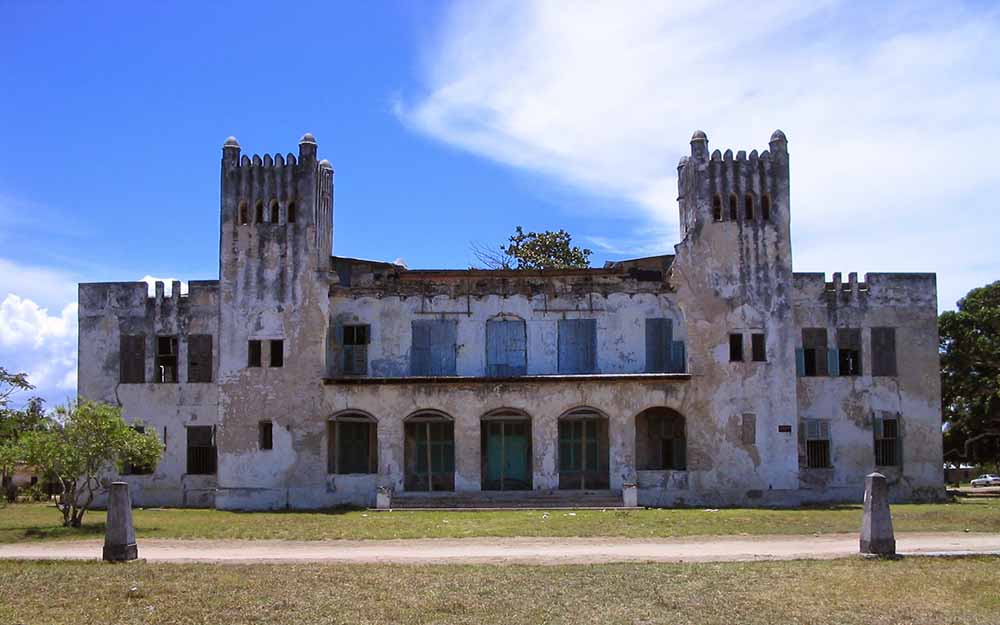
House of Wonders (Beit-al-Ajaib): Built in 1883, it was the ceremonial palace of Sultan Barghash and is one of the largest buildings in Stone Town.
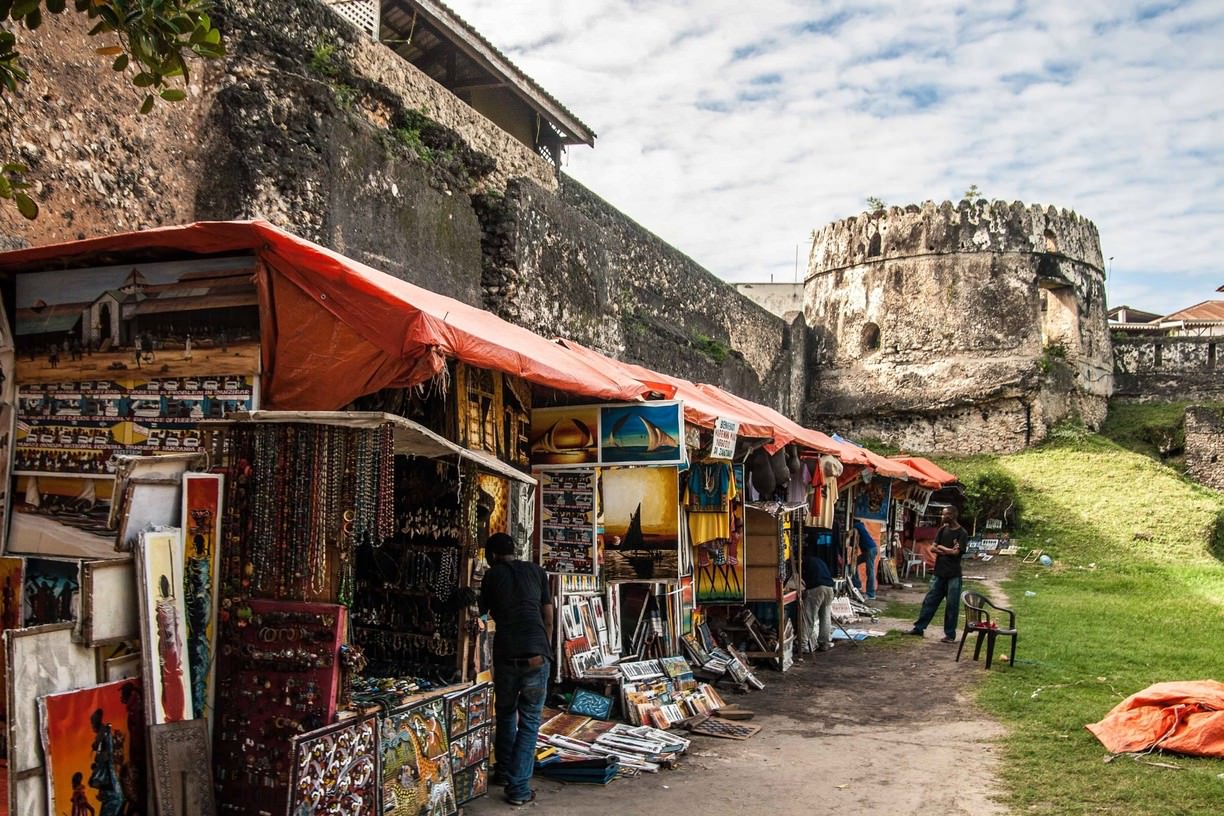
Old Fort (Ngome Kongwe): Built by the Omanis in the late 17th century to defend against the Portuguese, it is now a cultural center with a small museum.
Freddie Mercury House: The childhood home of the legendary Queen singer.
- Key Sites
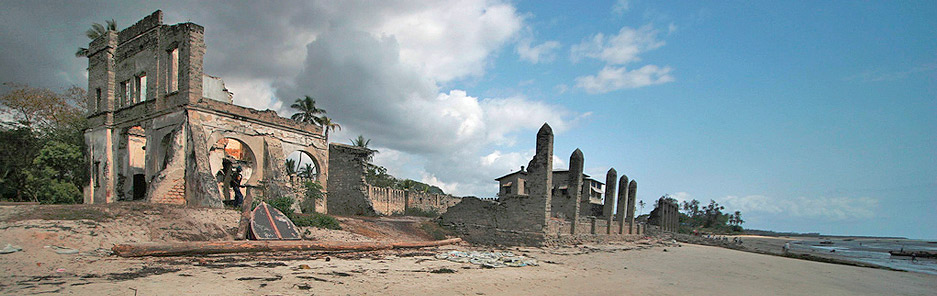
Old Fort and Caravanserai: Built in the 19th century, it was used to hold slaves before they were shipped to Zanzibar.
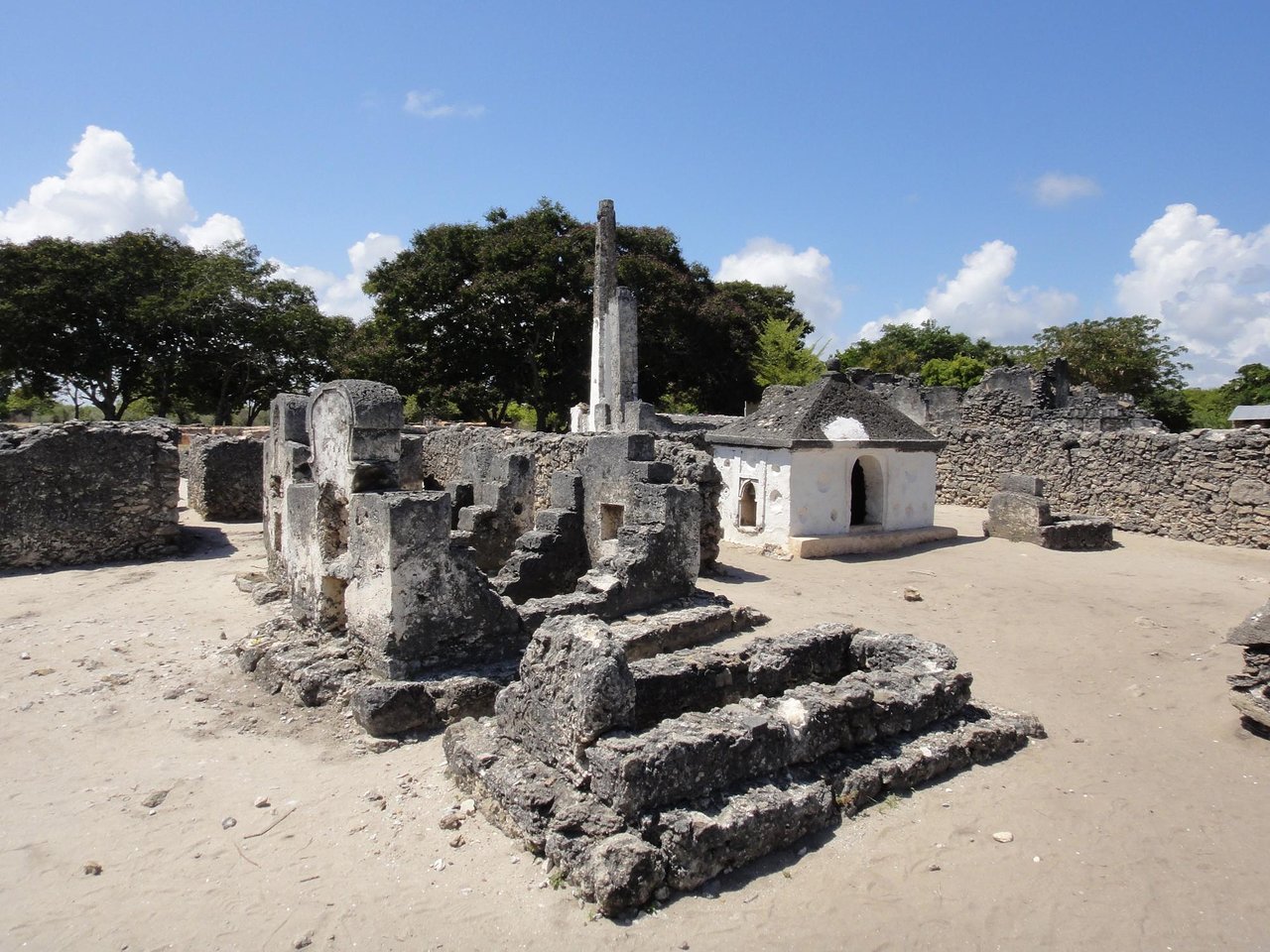
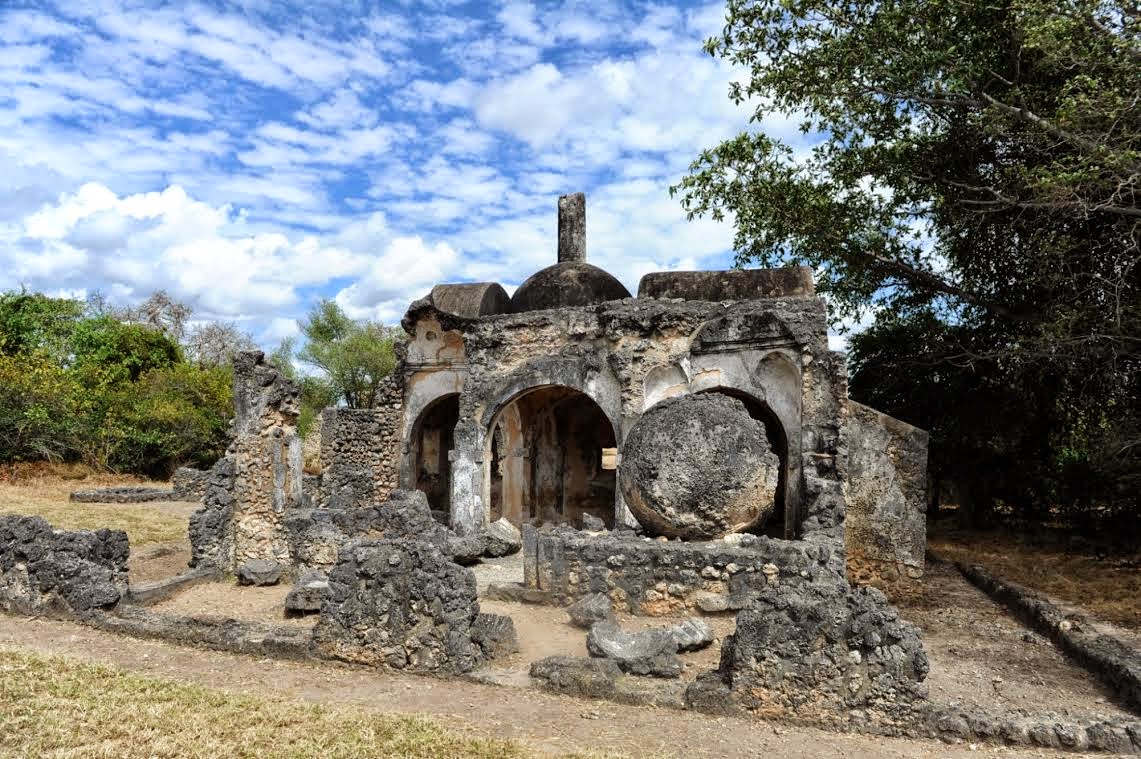
Kaole Ruins: Dating back to the 13th century, these ruins include ancient mosques and tombs that reflect the town’s Arab influence.
Catholic Mission: Established in 1868, it was one of the first Christian missions in East Africa.
Kilwa Kisiwani and Songo Mnara
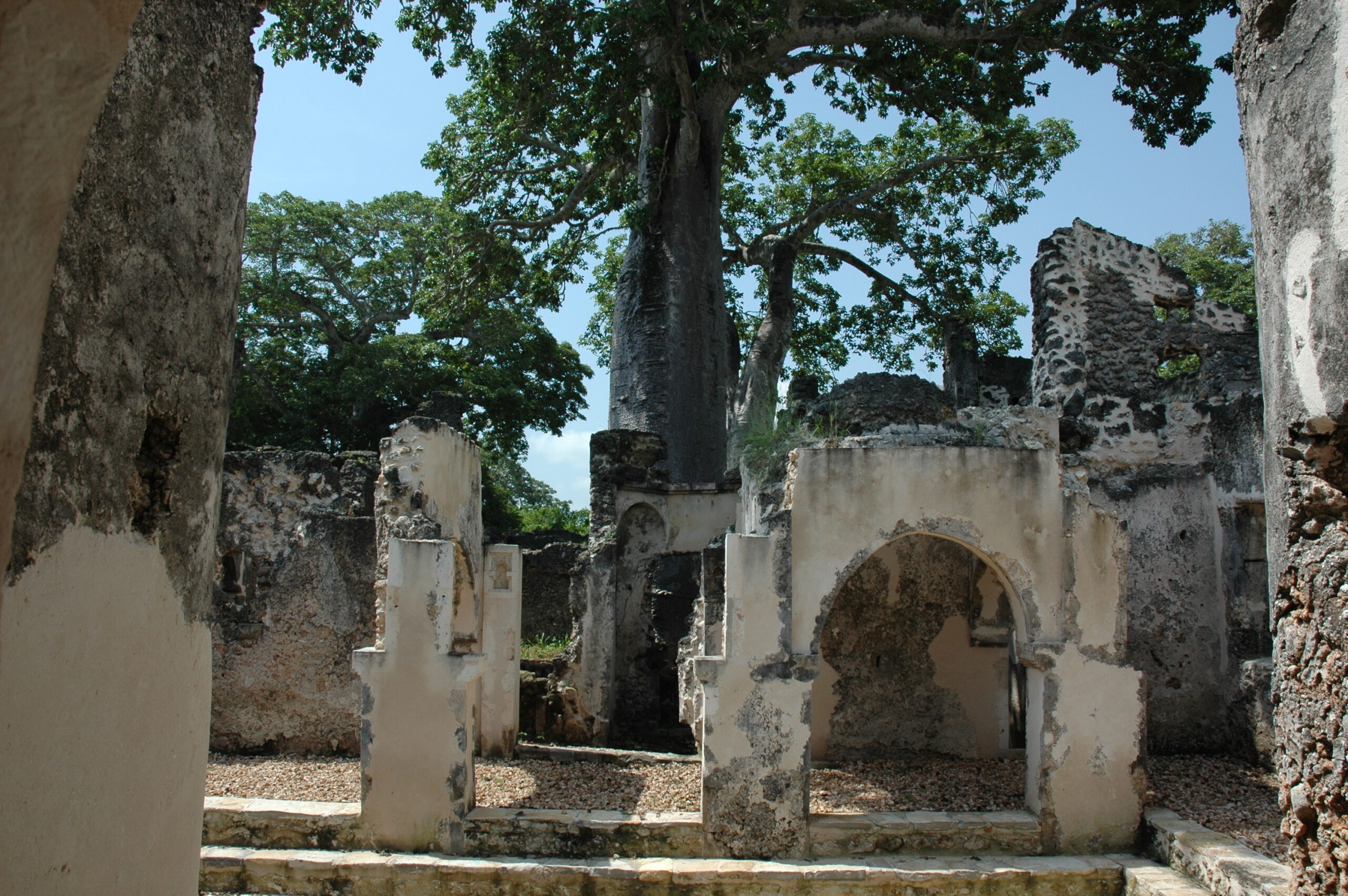
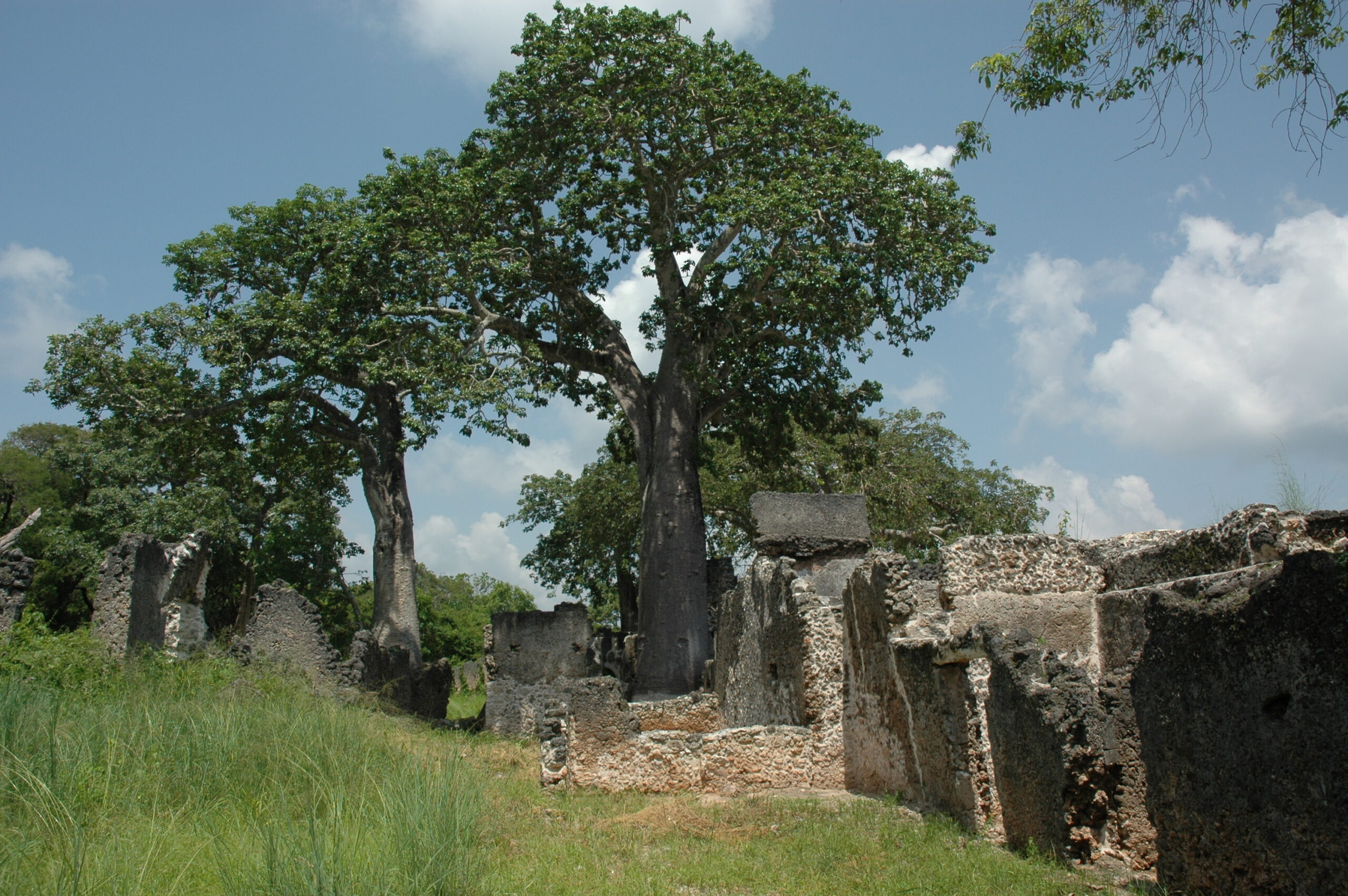
The ruins of Kilwa Kisiwani and Songo Mnara located on two islands close to each other just off the Tanzanian coast about 330 kilometers south of Dar es salaam. The name Kilwa takes its origin from the ancient medieval coastal city state Quila (a Portuguese word) and the word Kisiwani (a Swahili word) means an Island;
Songo Mnara originated from two words; Songo representing the the local natives of the place known as Wasongo and the language spoken is Kisongo; and Mnara means a Pillar. With its twin island of Songo Mnara, Kilwa Kisiwani known by its rich history and Swahili cultural heritage blended with African and Arabic cultures from the 9th to the 19th centuries. They are the remains of two ports that had an important position in East African trade between the 13th and 16th centuries.
- Key Sites
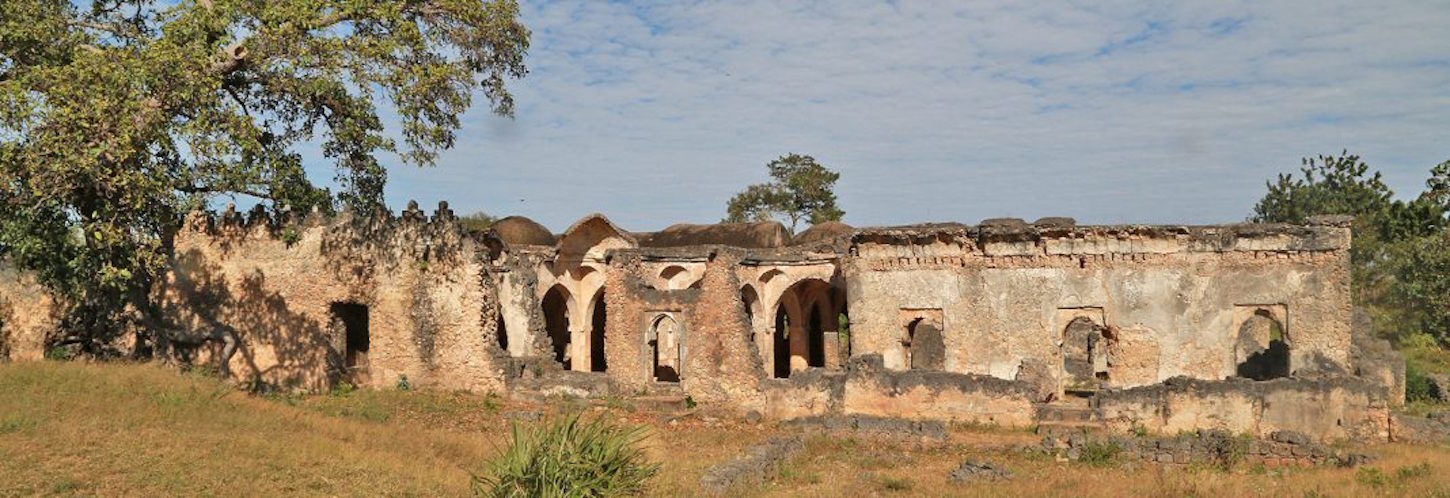
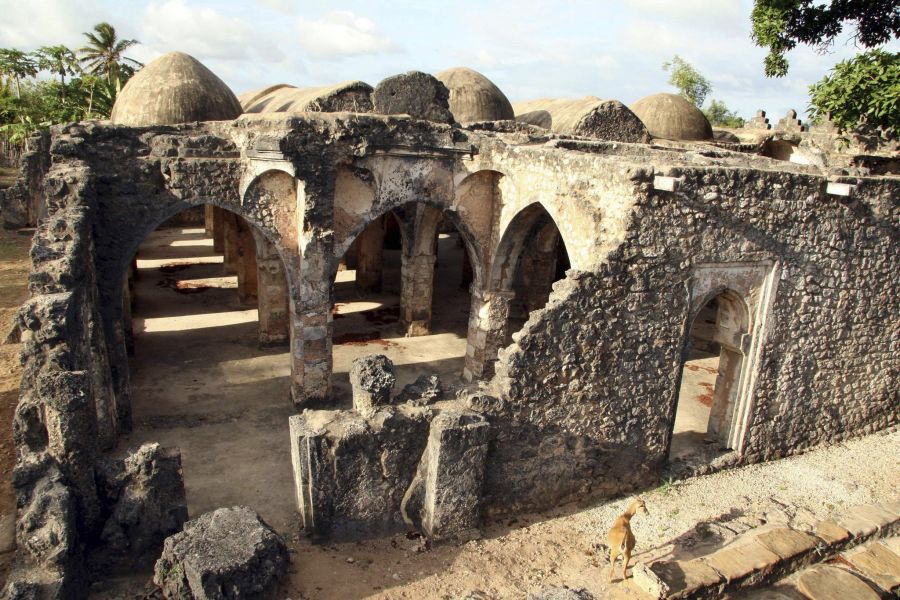
Great Mosque of Kilwa: One of the oldest standing mosques on the East African coast, originally built in the 11th century.
Husuni Kubwa Palace: A 14th-century palace that was one of the largest stone structures in sub-Saharan Africa.
Songo Mnara: Known for its well-preserved ruins, including mosques, tombs, and residential buildings.
Olduvai Gorge
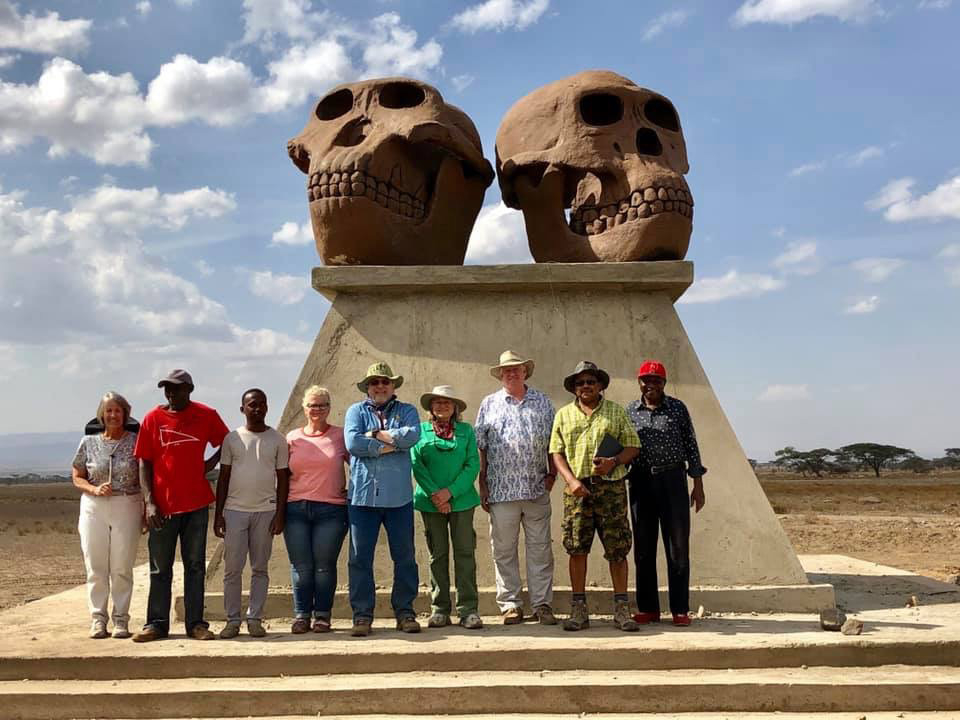
The Olduvai Gorge, which is a remarkable archaeological site in East Africa and perhaps in the world. It was officially recognized as a part of the UNESCO World Heritage Site in 1979. Exposed within the sides of the gorge is a remarkably rich chronicle of human ancestry and the evolution of the Serengeti ecosystem.
It was here that Mary and Louis Leakey, over the course of more than 30 years of backbreaking work, unearthed the first well-dated fossils and artefacts of some of our earliest human ancestors.
Their discoveries include the famous Zinjanthropus (Australopithecus boisei) skull, as well as remains of Homo habilis, the presumed maker of the numerous early stone tools found in deposits ranging in age from 1.6 to 1.8 million years ago, and Homo erectus, the larger- bodied and larger- brained hominin that preceded the earliest modern humans (Homo sapiens).
The gorge may be visited year-round. It is necessary to have an official guide to visit the actual excavations.
- Key Sites
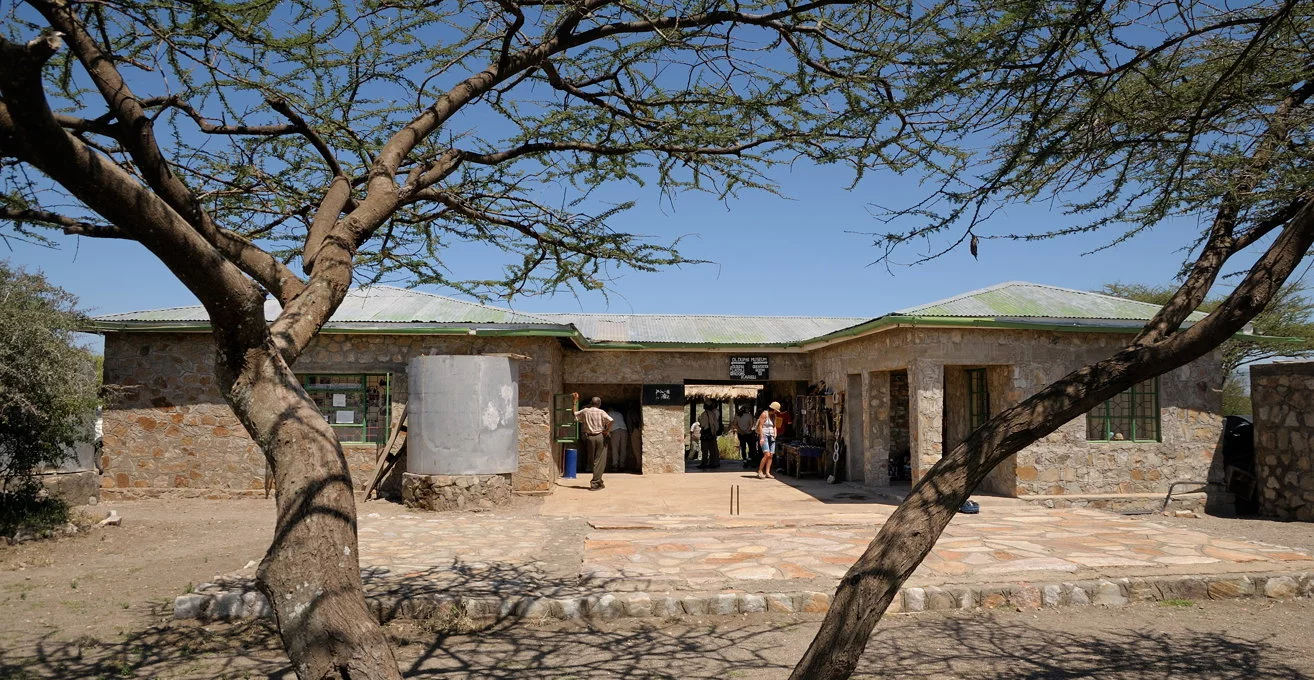
Olduvai Museum: Showcases fossils, artifacts, and exhibits on the history of human evolution.
Fossil Sites: Guided tours often include visits to the locations where significant fossils were found.
Kilwa Ruins
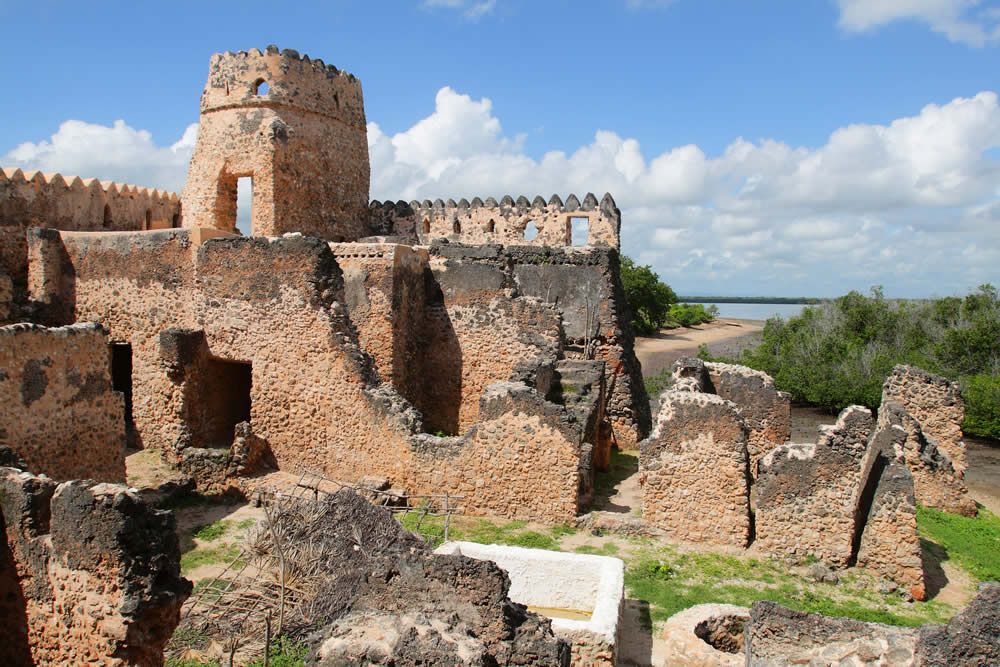
The island of Kilwa Kisiwani is located in the south of Tanzania, a short boat ride from the mainland. It was once a thriving seaport; from the eleventh century the sultans of Kilwa grew rich from control of the gold trade. Gold was mined at Great Zimbabwe far off in the interior, and carried by caravan and then by boat to Fatimid Cairo, passing through Kilwa on its way north. Kilwa grew in the thirteenth and fourteenth centuries and is mentioned by several early chroniclers.
The most significant standing ruins from this period are the Great Mosque and the Palace at Husuni Kubwa. The palace was unrivaled in East Africa for its architectural sophistication and splendor. Founded in the fourteenth century, the Great Mosque was, up until the sixteenth century, the largest mosque in sub-Saharan Africa. In 1498, the Portuguese arrived in East Africa and quickly asserted control over the region’s trade. They built a fort at the edge of the town, which was completed in 1505.
- Key Sites
Gereza Fort: A 16th-century Portuguese fort.
Mawroth Mosque: An ancient mosque believed to be one of the oldest on the East African coast.
German Boma, Iringa
Built in 1896, this fort was the administrative center for the German colonial government in the southern highlands of Tanzania. Today, it houses a museum that provides insights into the colonial period and the local Hehe culture.

- Key Sites
Iringa Boma Museum: Exhibits on the history of the Hehe people and the German colonial period.
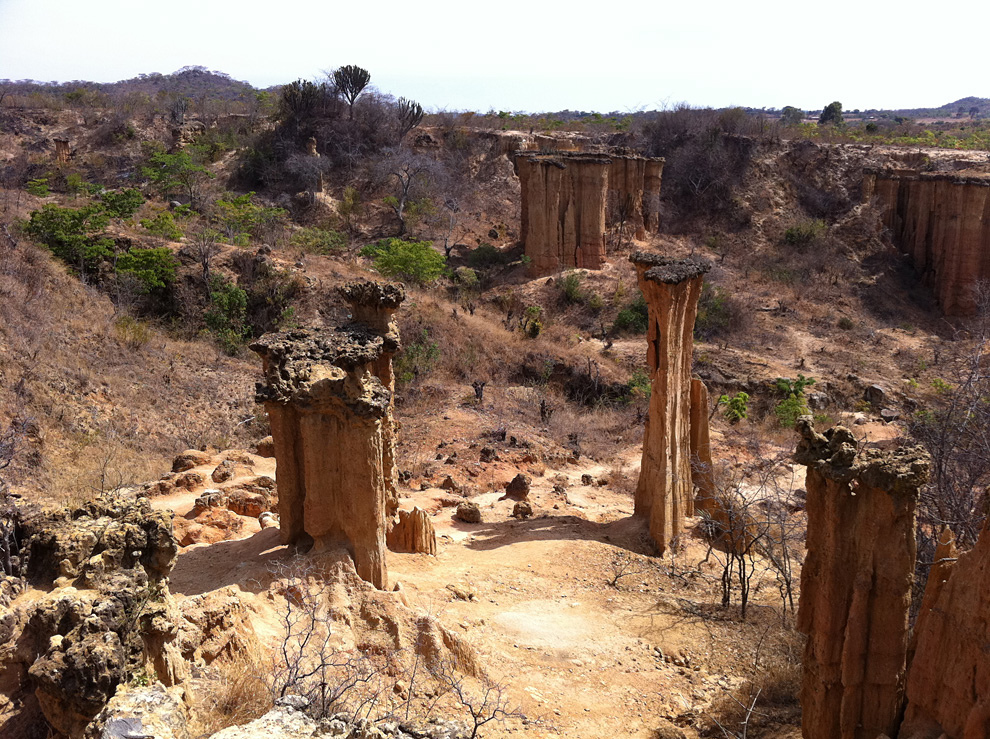
Nearby Ruins of Isimila: Stone age tools and artifacts can be found in this archaeological site near Iringa.
Laetoli
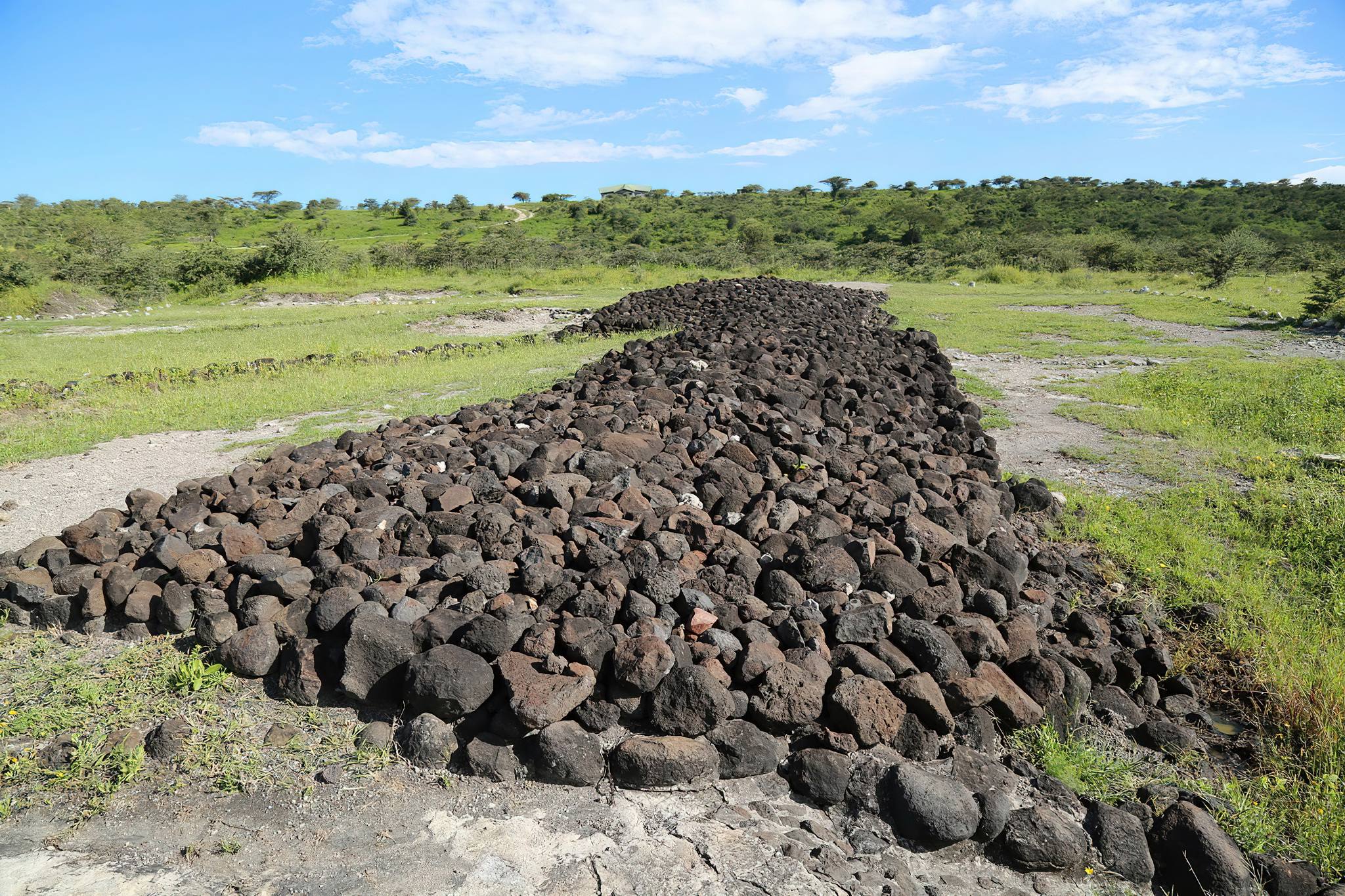
Laetoli is one of Africa’s most important palaeontological sites. It is located on the southern edge of the Serengeti Plains within the Ngorongoro Conservation Area and far north of Lake Eyasi. The site contains a long series of Plio-Pleistocene, predominantly volcano-sedimentary deposits rich in archaeological and paleontological remains, which are overlain by Precambrian metamorphic rocks.
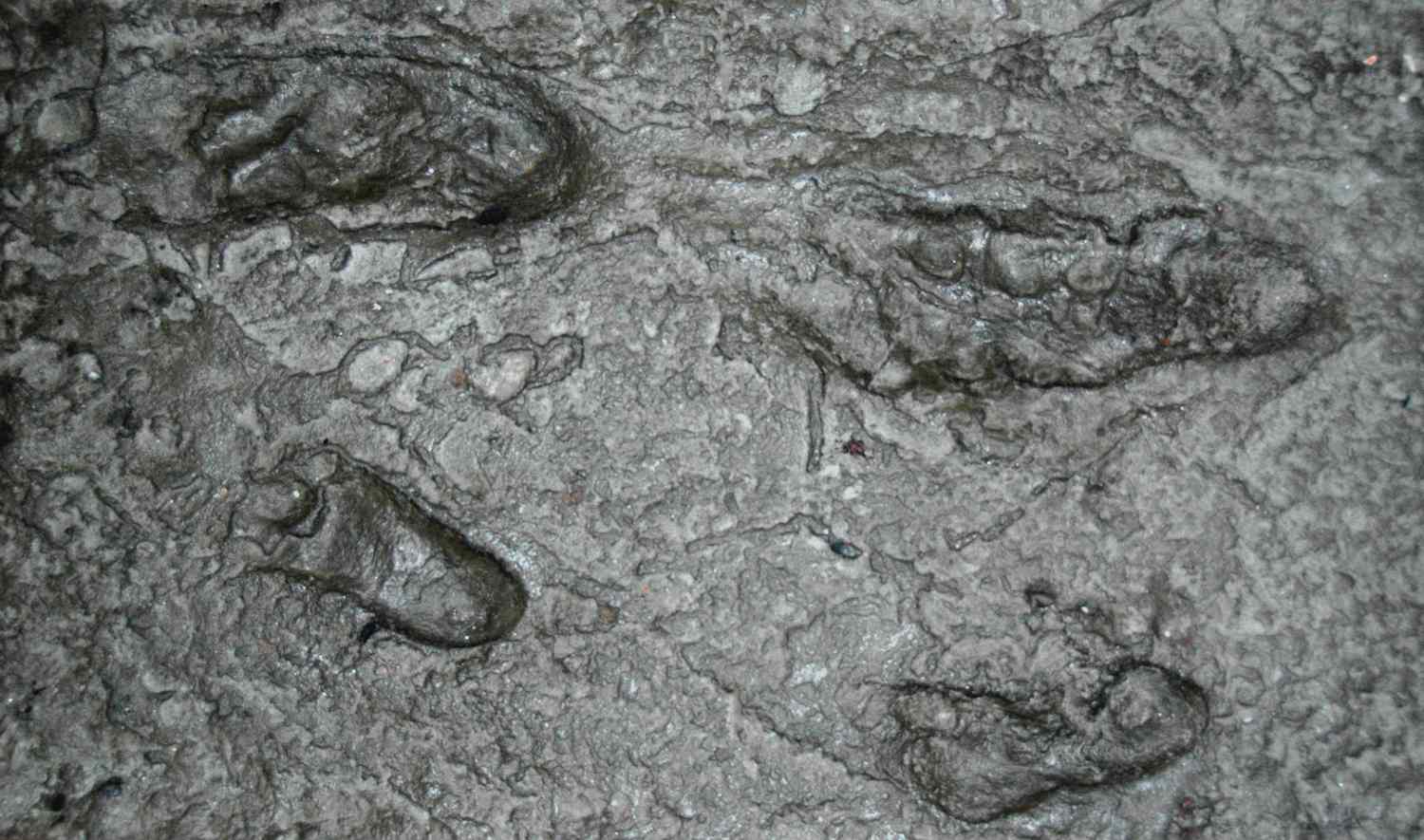
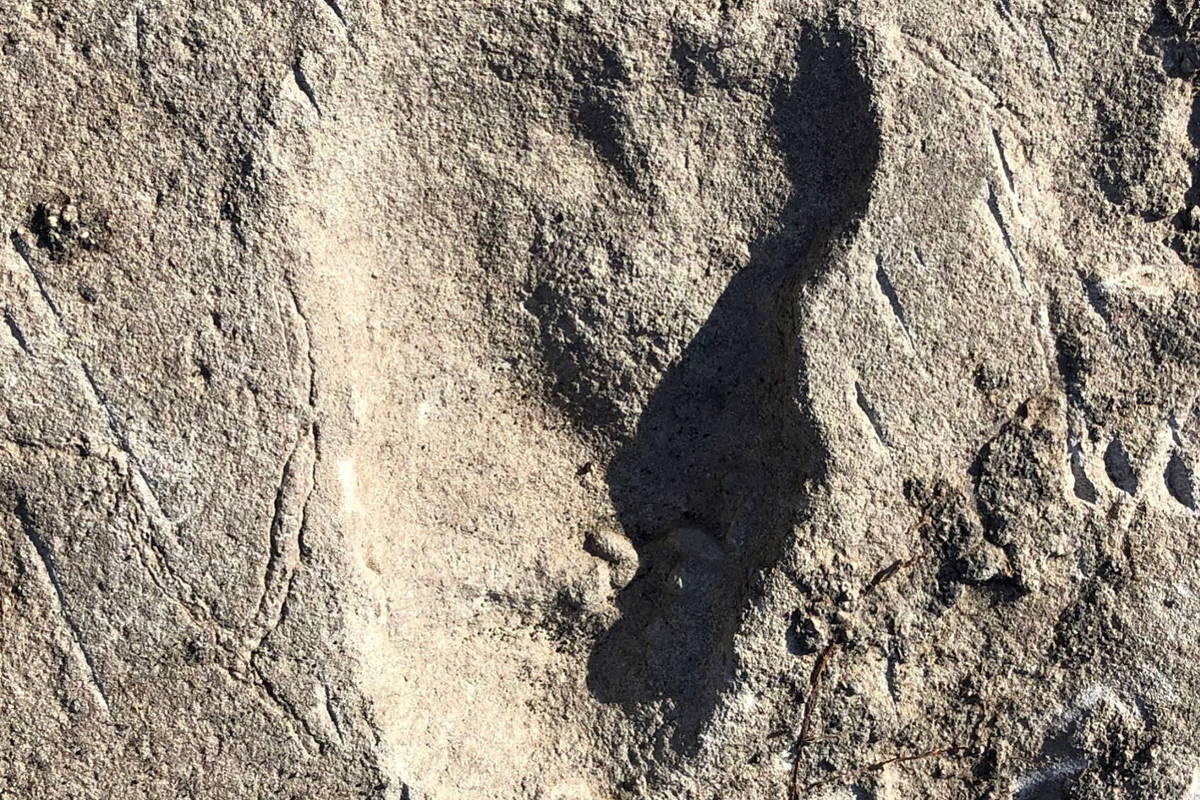
The paleoanthropological relevance of the entire area has been recognized since the mid-1930s, although Laetoli became known in the 1970s as a result of exciting discoveries such as the Holotype and other remains. It has exceptional evidence of the earliest bipedal hominid traces, which date back 3.6 million years. About 3.6 million years ago in Laetoli, two early ancestors of humans walked through wet volcanic ash. When the nearby volcano erupted again, subsequent ash layers covered and preserved the oldest footprints of early humans.
- Key Sites
Laetoli Footprints: The preserved tracks of early hominins walking upright.
Excavation Sites: Various sites where fossilized bones and tools have been found.
Mikindani
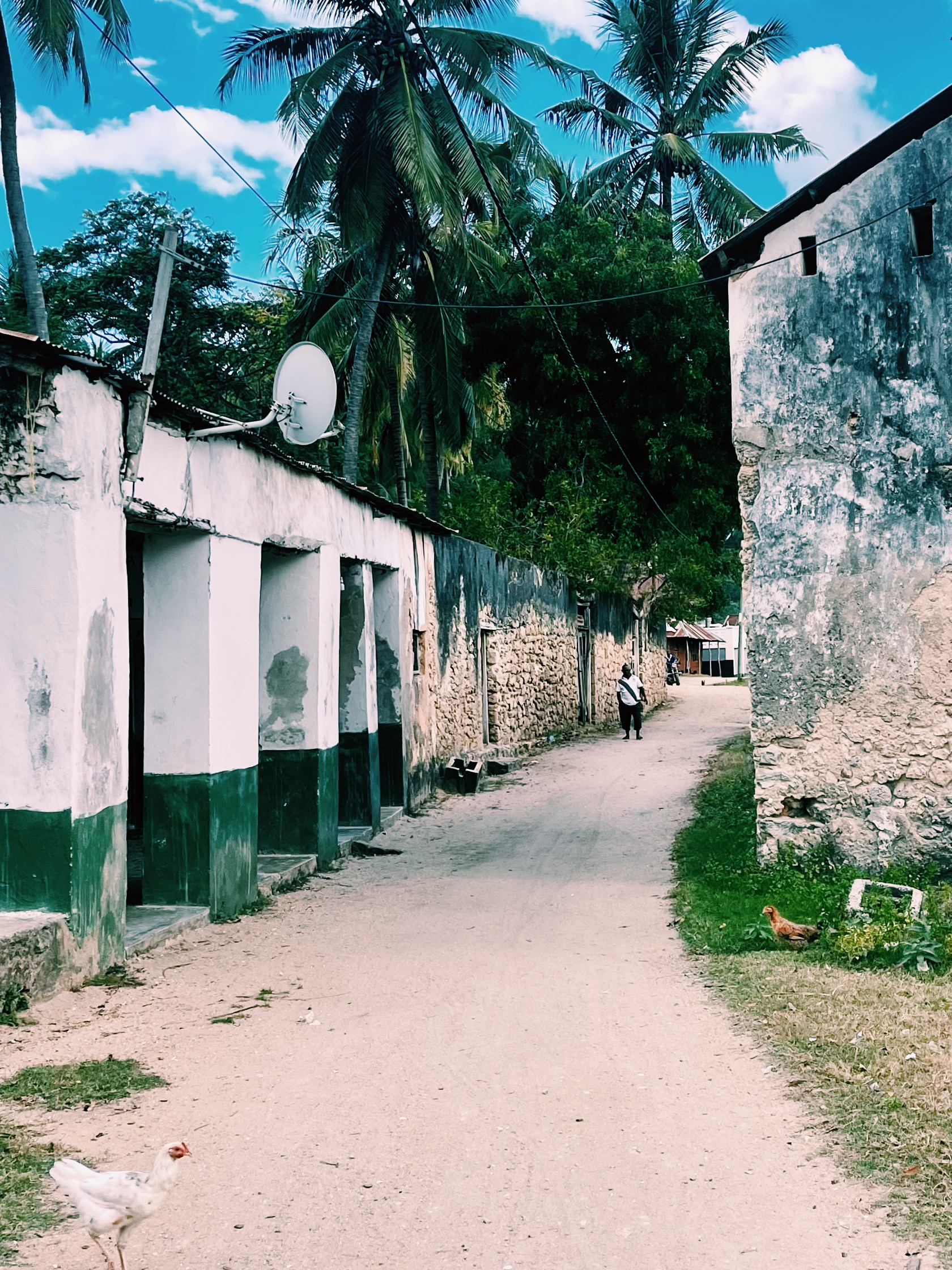
The Ancient Town of Mikindani was considered as a significant trading hub with finest port since 9 Century. Mikindani experienced influences from Arabs, Portugal, Germany and British that resulted in mixed multicultural traditions, languages and cuisine. Mikindani port used for exporting ivory, gum copal, slaves and seed crops while importing garments, ceramics, weapons, beads, and other items of a similar nature.
- Key Sites
Laetoli Footprints: The preserved tracks of early hominins walking upright.
Excavation Sites: Various sites where fossilized bones and tools have been found.
These sites offer a fascinating journey through Tanzania’s history, from ancient civilizations and the impact of the slave trade to colonialism and the evolution of modern Tanzania.
Book Now
Why Choose Jambo International Tour
At Jambo International Tour, we believe that travel is more than just visiting new places; it’s about creating unforgettable experiences that last a lifetime. Here’s why travelers trust us with their journeys:
Expertly Crafted Itineraries: Our tours are carefully curated by travel experts who have a deep understanding of the destinations. We design every itinerary to showcase the best of each location, with a perfect balance of adventure, culture, and relaxation.
Personalized Service: We understand that every traveler is unique, which is why we offer personalized services tailored to your preferences. From custom itineraries to private tours, we ensure that your trip is just the way you imagined it.
Local Expertise: Our guides are not just knowledgeable, but they’re passionate locals who know the ins and outs of every destination. They provide authentic insights and hidden gems that you won’t find in guidebooks.
Comfort and Convenience: Travel should be enjoyable, not stressful. We take care of all the details, from accommodations and transportation to dining and activities, ensuring a seamless and stress-free experience.
Commitment to Sustainability: We are dedicated to responsible tourism that respects the environment and local communities. We partner with eco-friendly accommodations and support local businesses to minimize our impact and give back to the places we visit.
Safety First: Your safety is our top priority. We adhere to the highest safety standards and protocols, so you can travel with peace of mind.
Value for Money: We offer competitive pricing without compromising on quality. Our tours provide exceptional value, with all the essentials included and no hidden costs.
Positive Reviews: Don’t just take our word for it—our customers consistently rate us highly for our service, expertise, and memorable experiences.