
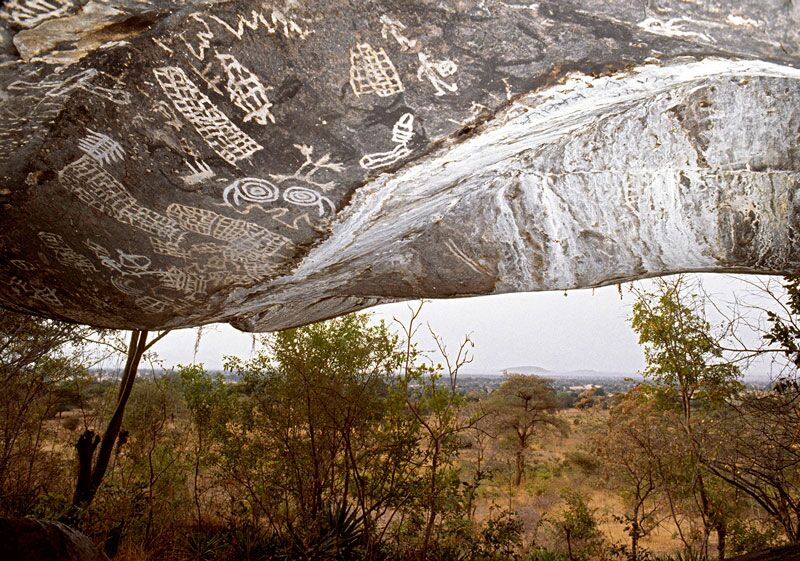
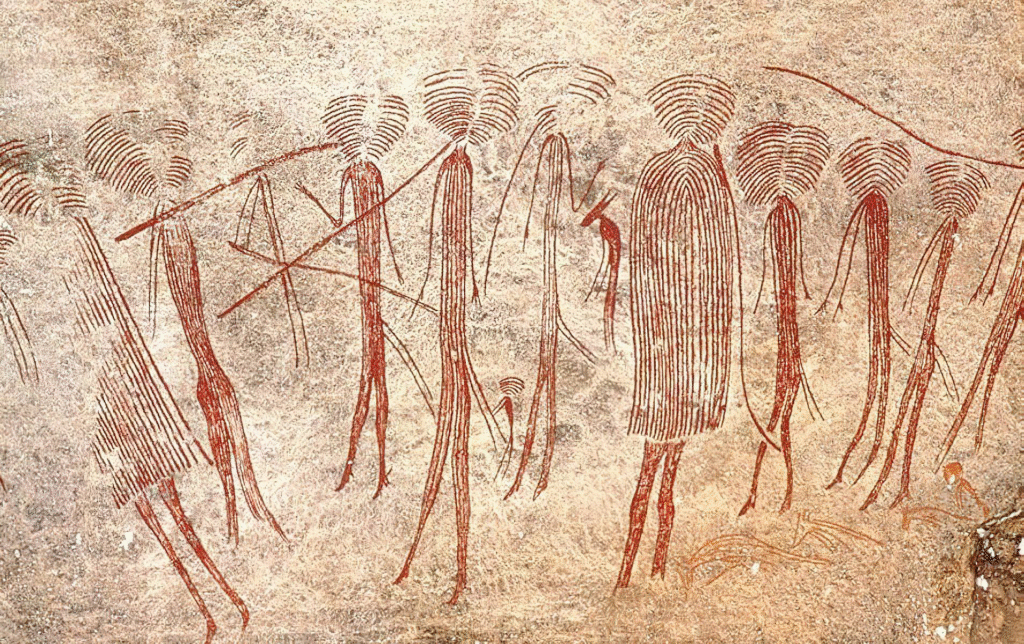
Dodoma’s Kondoa Rock Paintings: A UNESCO Art Legacy In the highlands of central Tanzania, where the sun casts long shadows over ochre stone and the wind whispers through ancient hills, lies one of the continent’s most astonishing cultural treasures: the Kondoa Rock Paintings. These mystical artworks, etched and painted onto rock shelters across the Irangi Hills, are far more than faded drawings—they are sacred symbols, ritual scripts, and living memories. Their legacy stretches across thousands of years, linking Tanzania’s past with the present, and connecting the local with the global.
Understanding the Depth Behind the Title
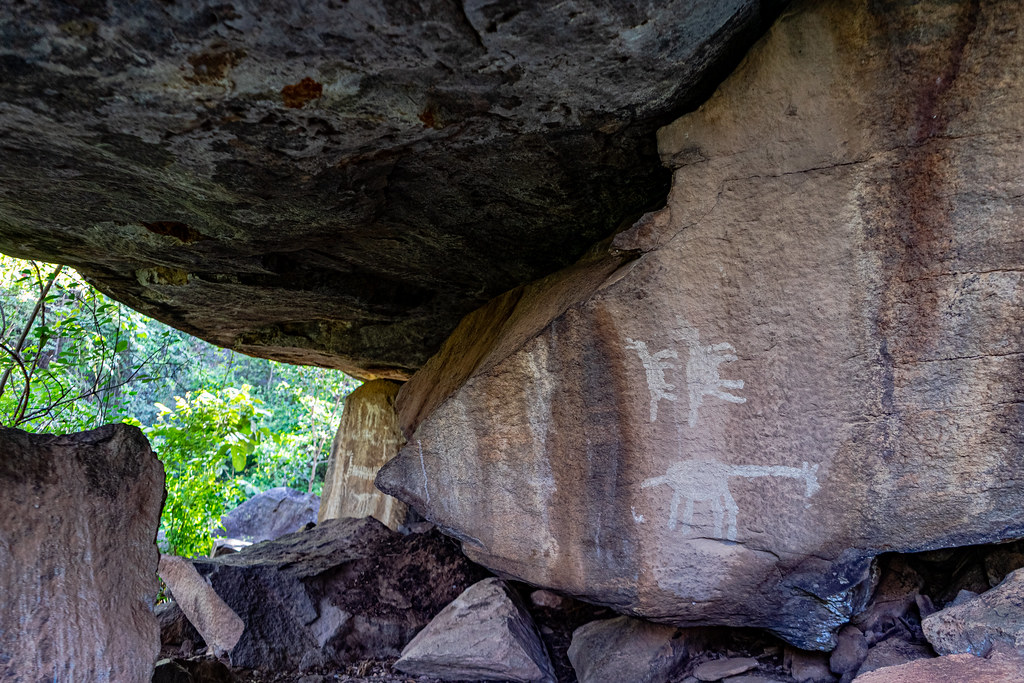
The phrase “UNESCO Art Legacy” carries significant weight. It acknowledges that the Kondoa Rock Paintings are more than local artifacts—they are globally recognized masterpieces of early human expression. They are part of our shared cultural DNA. These artworks reflect early man’s desire to make sense of the world—through symbolism, spirituality, and storytelling.
By including “Dodoma” in the title, we ground the story in place. Dodoma, often overshadowed by more famous Tanzanian destinations, is the heart of this ancient legacy. It is here that humanity carved its emotions, beliefs, and myths into stone—a legacy not just of art, but of identity.
A Sacred Landscape Hidden in Plain Sight

While much of Tanzania draws attention for its national parks and majestic Mount Kilimanjaro, the central region of Dodoma remains lesser-known to global travelers. Yet it is precisely this quiet remoteness that has allowed the Kondoa Rock-Art Sites to survive largely untouched for millennia.
Tucked into the rocky ridges of the Irangi Hills, these natural shelters contain a vast gallery of painted narratives. They do not appear grand at first glance—no towering pyramids, no grand ruins. But within these stone alcoves lies something more intimate and profound: the raw, honest expressions of ancient souls who once lived, dreamed, hunted, danced, and prayed here. The stillness of the landscape, the whispering trees, and the worn rocks evoke a kind of reverence that no museum can replicate.
Why UNESCO Gave the World Its Blessing

When UNESCO designated the Kondoa Rock-Art Sites as a World Heritage Site in 2006, it wasn’t just recognizing their age or beauty. It was honoring their universal significance—their ability to speak across cultures and time periods.
These sites are invaluable because they preserve:
- A continuous human presence, stretching over 2,000 years
- Evolving artistic traditions, from hunter-gatherer shamanism to Iron Age symbolism
- A living connection with local communities who still use some shelters for spiritual ceremonies
Unlike ancient ruins that exist solely in textbooks, the Kondoa sites are alive. They are used, honored, and respected by the descendants of those who created them. That continuity of belief and cultural use is extraordinarily rare and is one of the primary reasons for UNESCO’s recognition.
What the Paintings Reveal About Human History
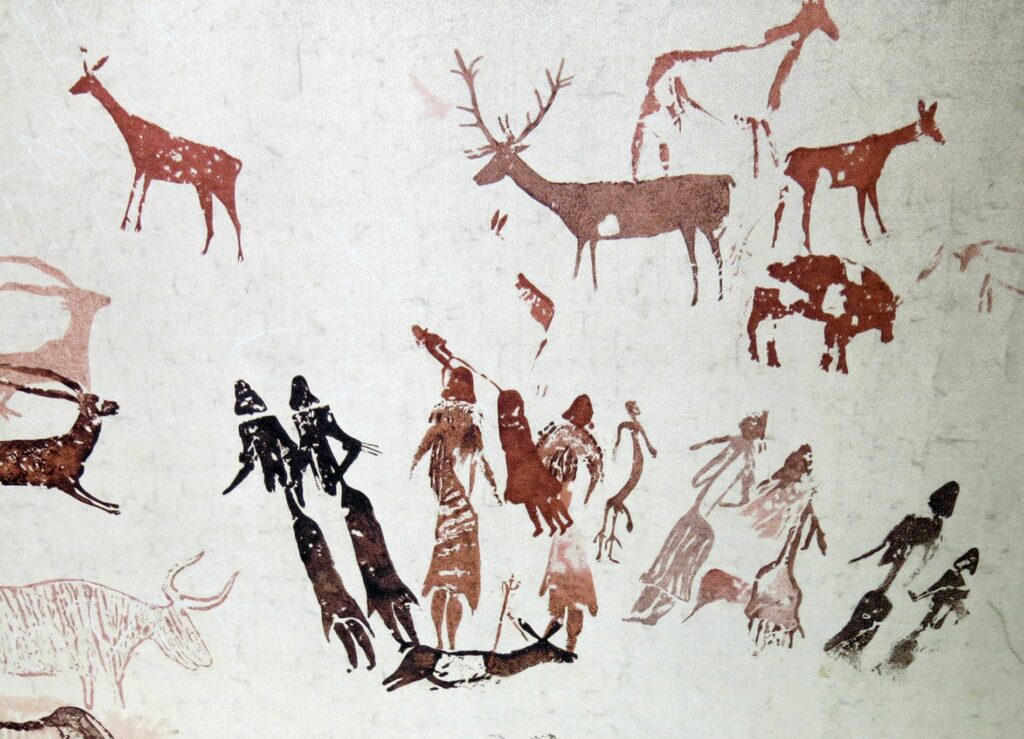
The paintings of Kondoa are layered—physically and symbolically. On many rocks, newer images are superimposed over older ones, forming a visible record of cultural transitions.
The earliest paintings, believed to be over 2,000 years old, likely reflect the lives of hunter-gatherer communities. These images are dynamic and fluid, showing:
- Animals in motion—giraffes stretching their necks, elephants moving in herds
- Human figures in trance or dance—possibly spiritual ceremonies
- Hunting scenes with bows, arrows, and spears
These were not simply illustrations. Many scholars believe they were created by shamans, spiritual leaders who entered altered states of consciousness to communicate with ancestors or nature spirits. The act of painting may have been part of the ritual itself, a spiritual offering to unseen forces.
As time passed, new cultural influences appeared. Iron Age pastoralists and farmers brought with them domesticated animals, agriculture, and new social structures. The themes in the art shifted to reflect:
- Cattle and livestock—central to wealth and livelihood
- Geometric patterns—possibly used in rites or tribal markings
- Group gatherings—ceremonial dances and community rituals
What’s striking is how these changes are not erased but layered—like a palimpsest of human experience, recorded in stone.
The Art of Creation: Tools, Materials, and Meaning
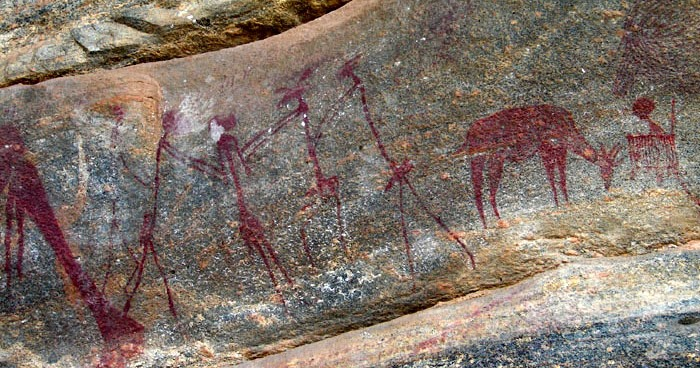
Creating images that last thousands of years requires more than artistic skill—it requires deep knowledge of the natural world. The Kondoa artists used mineral-based pigments derived from the earth itself:
- Red ochre, rich in iron, was used for figures, animals, and symbols associated with life, blood, or spiritual force.
- White clay (kaolin) symbolized purity, ancestors, or the divine realm.
- Charcoal or manganese provided black tones for outlines and contrasts.
These pigments were mixed with natural binders such as animal fat, tree sap, or egg white, and applied using fingers, feather brushes, or rudimentary tools. The durability of these methods speaks volumes about their ingenuity and intent.
The style of the art ranges from realistic depictions of animals and people to abstract symbols that still puzzle archaeologists. Some believe these abstract forms may have been part of a visual language—used to encode tribal stories, spiritual knowledge, or clan identity. Above all, these paintings were not meant for passive viewing. They were active parts of ceremonies—objects of power, portals to other realms, and tools for teaching or initiation.
Not Just History, But Living Culture

Perhaps the most beautiful aspect of the Kondoa Rock Paintings is that they are still spiritually alive. Many of the rock shelters are not considered historical ruins—they are sacred spaces, used today by local communities for rituals, prayers, and spiritual healing.
The Sandawe people, whose ancestors are believed to have created some of the oldest paintings, continue to hold ceremonies at specific shelters. They call upon ancestral spirits for rain, protection, fertility, and healing.
This continuity is incredibly rare in the archaeological world. In most ancient sites, the thread of spiritual tradition has long since been broken. But in Kondoa, the past is not past—it is woven into the daily and spiritual life of the people. Elders carry oral histories that explain the meanings of certain symbols. These stories, passed down through generations, are vital for understanding the deeper cultural context that science alone cannot capture.
The Fragile Nature of This Treasure
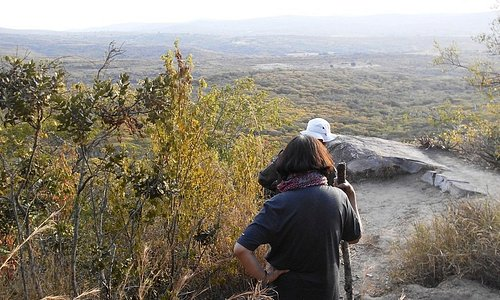
Despite their resilience, the Kondoa Rock Paintings are vulnerable. Time, weather, and human activity threaten their survival. The most pressing challenges include:
- Natural erosion, caused by rain, heat, and wind
- Biological growth, such as lichen and moss, which can break down pigments
- Human damage, including unintentional touching, vandalism, and expansion of nearby settlements
Without proper protection, these ancient voices could be lost forever.
Fortunately, conservation efforts are growing. The Tanzanian government, local communities, and international organizations are working to:
- Digitally archive and photograph every image
- Train local guides and stewards to protect and share the sites responsibly
- Create educational programs in nearby schools to inspire pride and responsibility
These initiatives are not just about science—they are about honoring and preserving the wisdom of those who came before us.
Cultural Tourism and Respectful Exploration
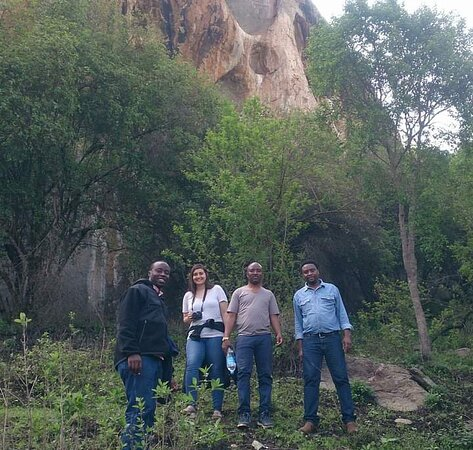
For those interested in meaningful travel, visiting the Kondoa Rock-Art Sites is an unforgettable experience. Unlike crowded tourist attractions, here you’ll find peace, mystery, and a tangible connection to early humanity.
The most accessible site is near Kolo village, where you can arrange for a guide—often a local elder or community member who knows the sacred histories passed down for generations. Walking through the painted shelters, with stories whispered in the wind and reverent silence surrounding you, is a journey into the soul of Africa.
However, this sacredness demands respect. Visitors are asked to:
- Avoid touching the paintings
- Refrain from loud behavior in sacred shelters
- Follow local customs and advice
- Support local businesses and preservation efforts
Cultural tourism here is not about sightseeing—it is about engaging with a legacy that belongs to us all, and helping ensure it survives.
The Echo of Humanity in Stone
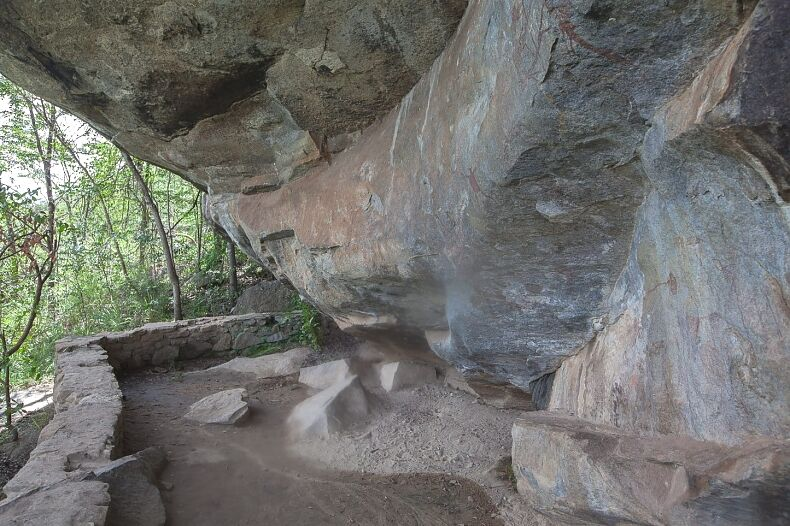
The Kondoa Rock Paintings are more than just images—they are messages carved in time, rich with meaning, memory, and spiritual force. They remind us that long before writing, before cities, before borders, humans were artists, dreamers, believers.
They speak to something universal—the need to create, to connect, to understand the world and our place in it.
By protecting these sites, we are not just preserving Tanzanian heritage. We are honoring a deeply human impulse—the impulse to leave behind beauty, meaning, and wisdom for those who come next.In a rapidly changing world, the stillness and sacredness of Kondoa offer a timeless reminder: we are part of a much older, much deeper story.
