
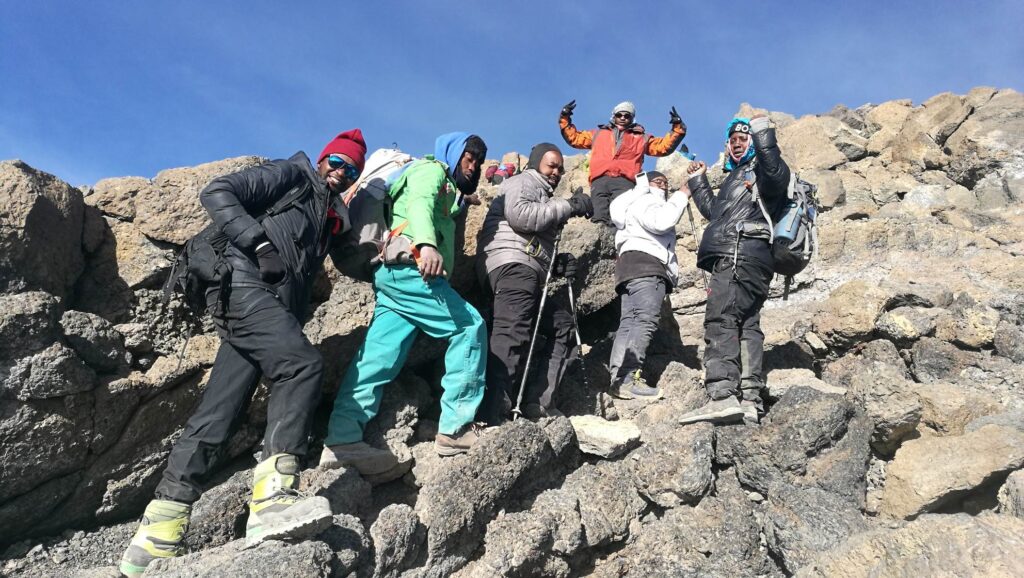
Daily Schedule on climb mount Kilimanjaro offers climbers a reliable blueprint—each set‑day mapped out with just the right balance of effort, rest, and breathtaking scenery. From the first light of dawn when tents stir and hot drinks are handed through flaps, to the evening hush under starlit sky, every hour has purpose. Your morning begins with a health check and a hearty breakfast, the day unfolds in gradual treks through shifting terrain, and evenings close with warm meals, camaraderie, and recuperation. This rhythm, structured for altitude and stamina, shapes not just the climb but the story you’ll tell.
Daily Schedule on climb mount Kilimanjaro
Mornings on Kilimanjaro: A Climber’s Dawn
The first light of day arrives gently, filtered through the thin mountain air. Around 6:30 AM, a porter slips quietly into your tent with a steaming cup of tea or coffee. Beside it, a shallow basin of hot water awaits — your morning ritual: wash your face, refresh your hands, and awaken your senses as the mountain day begins.
While the air is still cool, you’ll begin organizing: your daypack (with water, snacks, layers, sunscreen) goes in one hand, and your duffel bag (sleeping mat, extra gear) is placed outside the tent entrance for the porters to collect. By 7:00 AM, breakfast—porridge, eggs, bread, fruit, and more—will be served in the mess tent, its tables already laid out with cups, plates, and silverware. Sometimes, if skies are clear and the wind is mild, breakfast might be outdoors, letting you drink in the panorama of ridges and clouds.
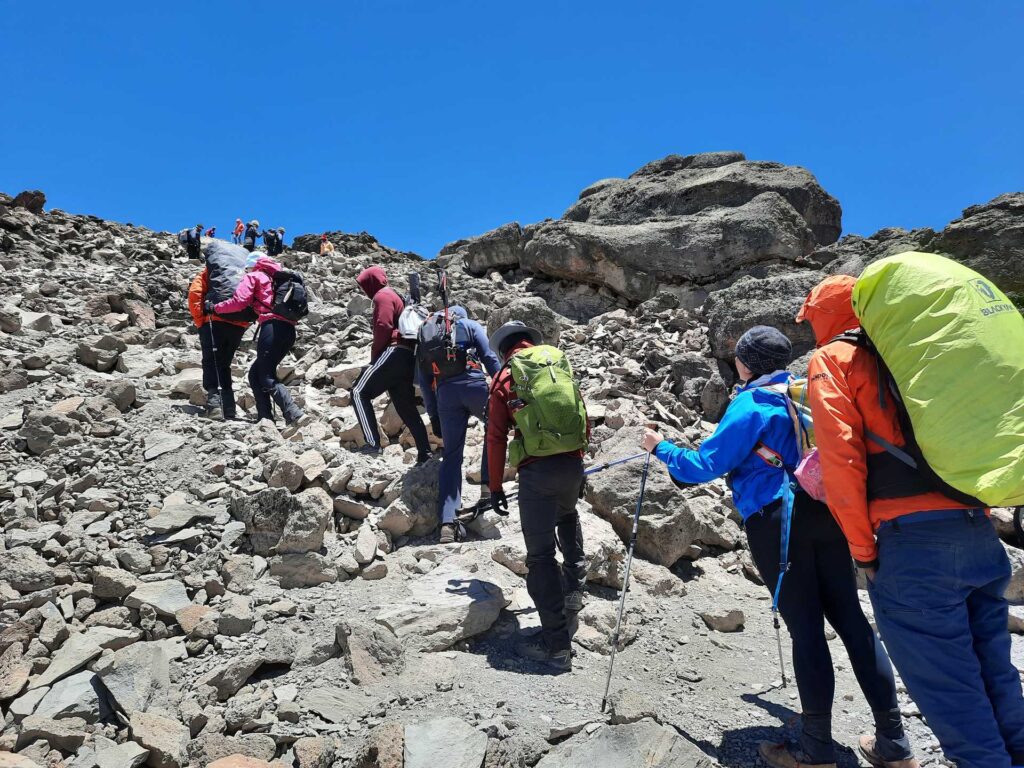
Before taking your first step on the trail, there’s a short but important pause: a health check (pulse, oxygen levels) by the guide. This ensures everyone is coping well with altitude and ready for the day. Around 8:00 AM, the march begins. Guides brief you on terrain, weather, and pacing. Your pace is steady and unhurried— “pole pole” (slowly slowly), the mantra of acclimatization. The porters, meanwhile, stay behind momentarily to dismantle tents, pack gear, and move ahead so that everything is in place when you arrive at the next camp.

Day Hiking on Kilimanjaro
Each day on the mountain Kilimanjaro typically features 4 to 6 hours of walking, though on acclimatization days or shorter routes, trekking sometimes stretches beyond that. Pace is not a race your guide sets a steady rhythm, and calls breaks usually every hour to rest, hydrate, and regroup.
Most climbers worry about being “too slow” or lagging behind. Rest assured: moving slowly is not a liability—it’s a strategy. The measured pace maximizes your body’s ability to adjust to thinning air. In fact, climbers are much more often turned back due to altitude illness than because they failed to keep up physically.
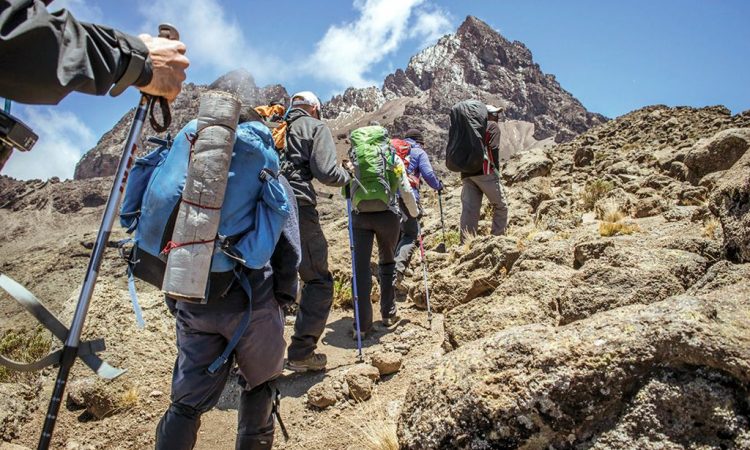
While you traverse the trail, porters are always one step ahead—collecting water, preparing meals, dismantling and transporting tents—so that when you arrive, camp is ready and waiting.
On some trekking days, you’ll get a hot lunch halfway through your hike, while on others you’ll eat once you reach the next camp. Either way, meals are timed to refuel you for the challenges still ahead.
Evenings at Camp: Rest, Recovery & Reflection
As your boots hit the campsite trail, you’ll be greeted with a warm welcome: snacks and hot drinks await to ease you out of your trekking rhythm. Conversations murmur through the tent flaps while you change into dry clothes and let your legs unwind.
Dinner is typically served around 6:00 PM, in the mess tent or under open skies if conditions allow. As flames dance off lanterns and the cold tightens its grip, everyone gathers over steaming plate soup, vegetables, carbs, proteins fuel for the night ahead.
Shortly after the meal, your guide leads an evening health check. Oxygen saturation, pulse rate, and a quick symptom check (headache, nausea, sleep quality) are recorded in a log—essential steps to monitor your acclimatization.
Dinner wraps, and the guides bring the next day into focus: they’ll deliver a detailed briefing—wake-up time, gear list, distance, trail notes, weather forecasts, rest stops. It’s your chance to ask questions, refine your mindset, and ease any lingering doubts.
When formalities finish, the rest of the evening unfolds slowly. You might:
- Simply rest quietly, letting fatigue and altitude lull you toward sleep
- Share stories and laughter over tea with your tentmates
- Leaf through a book or journal by lantern light
Summit Day — The Climactic Push
Summit Day is the defining moment of your Kilimanjaro journey—a long, grueling, yet unforgettable chapter. Expect 10 to 14 hours (sometimes more) of hiking, depending on the route, pace, and weather. It’s a test of endurance, mindset, and preparation all at once.
Before the Ascent
The night before, dinner ends early. You fall asleep with the summit in mind. Deep rest is vital because you’ll wake around midnight, leaving the warmth of the camp behind. A light snack or quick breakfast fuels you, and you bundle in layers—thermal base, windproof shell, sturdy gloves, hat—ready for cold, darkness, and thin air.
The Night Climb
You begin in pitch black, using headlamps to pierce the darkness. The trail climbs steeply through loose gravel, volcanic rock, and sometimes snow‑and‑ice patches. Every step is slow but steady; energy conservation is essential. Guides emphasize taking frequent but brief rest stops—just enough for a quick sip of water or bite of snack, then back to the trail so you don’t cool down too much.
Cold winds may bite, breath will shallow, and the altitude will demand attention. It’s as much a mental climb—handling fatigue, pushing past doubts—as it is physical.
Reaching the Summit
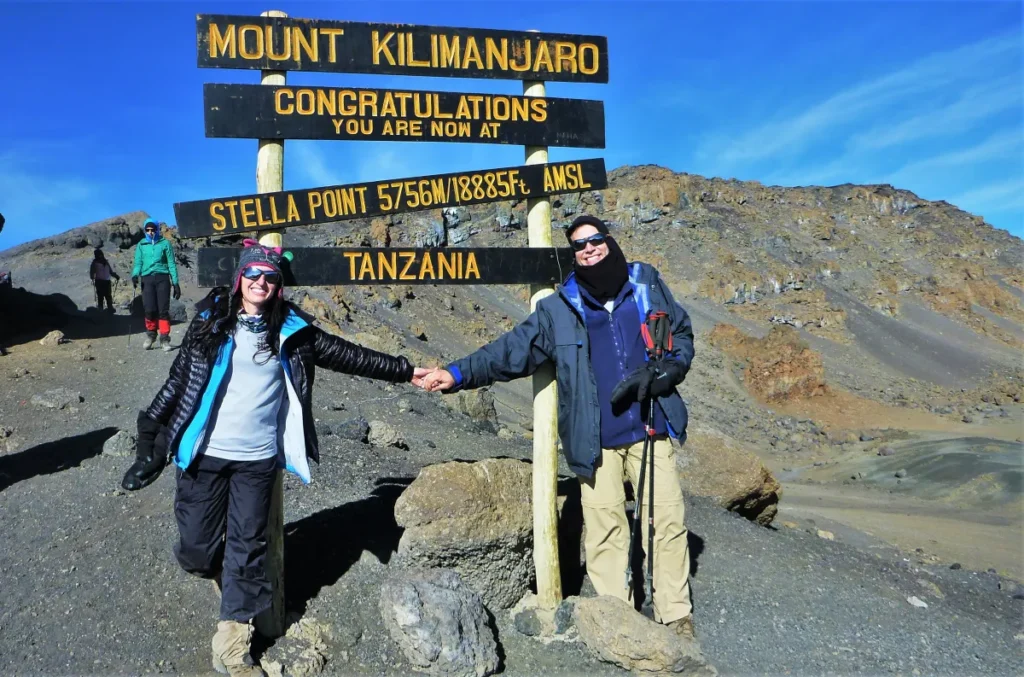
Your goal is Uhuru Peak, timed so you arrive just as the sun breaks over the horizon. The rising light transforms everything: shadows, glaciers, clouds, you. It’s a moment of triumph, humility, and awe. Photos get taken. Hugs, quiet reflections, maybe tears.
Final Descent Day
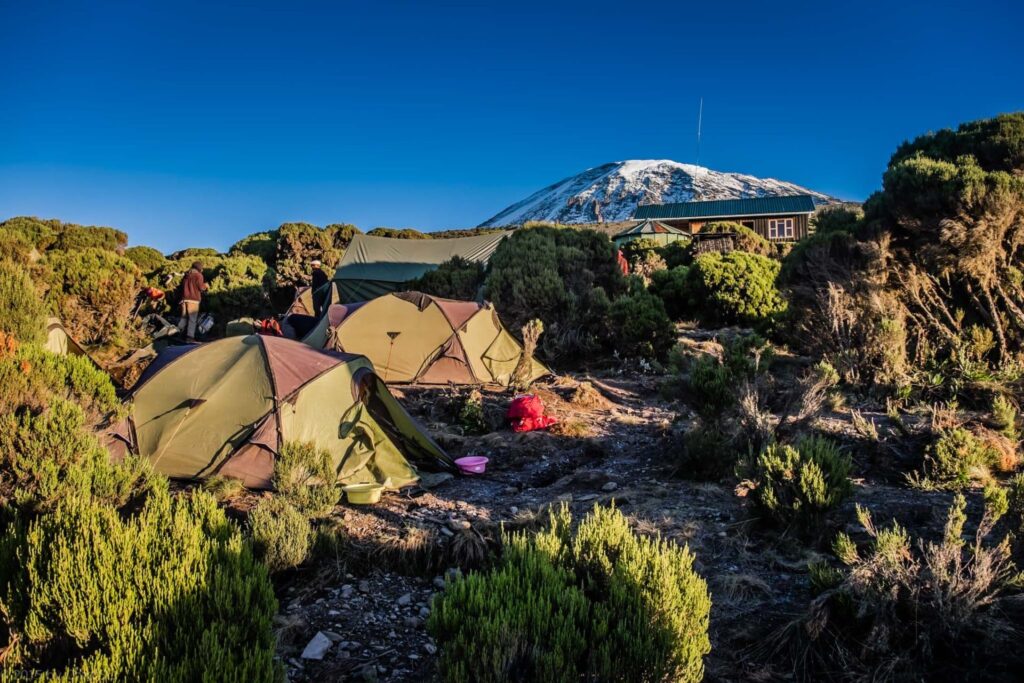
- Mweka Camp to Mweka Gate:
- Enjoy a final breakfast on the mountain and participate in a heartfelt “thank you” ceremony with your incredible mountain crew, celebrating their vital support.
- The final descent is through the lush rainforest, often muddy but much easier on the lungs.
- Hiking Time: 3-5 hours.
- Distance: You’ll cover significant ground as you rapidly lose altitude.
- At Mweka Gate, you’ll sign out of the park and proudly receive your summit certificates (green for Gilman’s Point, gold for Uhuru Peak).
- Transfer to Hotel: Your driver will be waiting to meet you at the gate and transfer you back to your hotel in Moshi or Arusha for that long-awaited hot shower, a comfortable bed, and a well-deserved celebratory dinner!
Key Considerations Throughout Your Climb:
- Hydration is King: Your guides will constantly emphasize drinking plenty of water (3-5 liters daily) to combat altitude sickness.
- Fuel Your Body: You’ll be well-fed with nutritious and calorie-dense meals, vital for maintaining your energy levels.
- “Pole, Pole”: Embrace the slow pace. It’s the single most important factor for successful acclimatization and reaching the summit safely.
- Listen to Your Guides: They are highly experienced in recognizing and managing altitude sickness. Your safety is their absolute top priority. Communicate any symptoms immediately.
- Master Layering: The weather on Kilimanjaro is notoriously unpredictable. Dressing in adaptable layers is crucial for comfort and safety.
- Mental Toughness: There will be challenging moments, moments of doubt, and moments of sheer exhaustion. But perseverance, a positive attitude, and the support of your team will see you through.
Climbing Kilimanjaro is a journey of immense physical and mental fortitude, but the rewards the incredible views, the camaraderie, and the unparalleled sense of accomplishment are truly life changing.
