
Where to Visit in Dar es Salaam: A Complete Travel Guide Dar es Salaam, Tanzania’s largest city and former capital, is a vibrant metropolis where culture, history, and coastal beauty converge. Many travelers overlook the city, using it merely as a gateway to safaris or Zanzibar, yet it offers experiences that are both authentic and memorable. From bustling local markets and historical landmarks to tranquil beaches and nearby islands, Dar es Salaam presents a rich tapestry of experiences. Understanding the city’s diverse attractions helps visitors connect with its culture, lifestyle, and coastal charm on a deeper level.
Kivukoni Fish Market: A Glimpse of Daily Life

The Kivukoni Fish Market is more than just a marketplace; it is the heartbeat of Dar es Salaam’s coastal life. Visiting in the early hours of the morning allows travelers to witness the city waking up as fishermen unload their fresh catches. The market is alive with activity as locals bargain over fish, seafood, and spices, offering a vivid snapshot of Tanzanian daily life. Beyond commerce, the market is a cultural hub where the traditions of coastal communities are visible in every transaction, sound, and aroma. For travelers, experiencing the Kivukoni Fish Market provides insight into the relationship between the city and the Indian Ocean that sustains it.
National Museum & House of Culture: Understanding Tanzania’s Heritage

The National Museum and House of Culture provides an invaluable window into Tanzania’s rich history. Visitors can explore exhibits ranging from ancient hominid fossils to colonial-era artifacts, highlighting the nation’s journey through time. The museum also features a remarkable collection of vintage cars, revealing the lifestyle of Tanzania’s past elites. Cultural displays demonstrate the diversity of the country’s ethnic groups, their artistic traditions, and their historical achievements. For anyone visiting Dar es Salaam, the museum offers not just a visual experience but a deeper understanding of the social, cultural, and historical forces that have shaped modern Tanzania.
Village Museum (Makumbusho Village): A Cultural Immersion
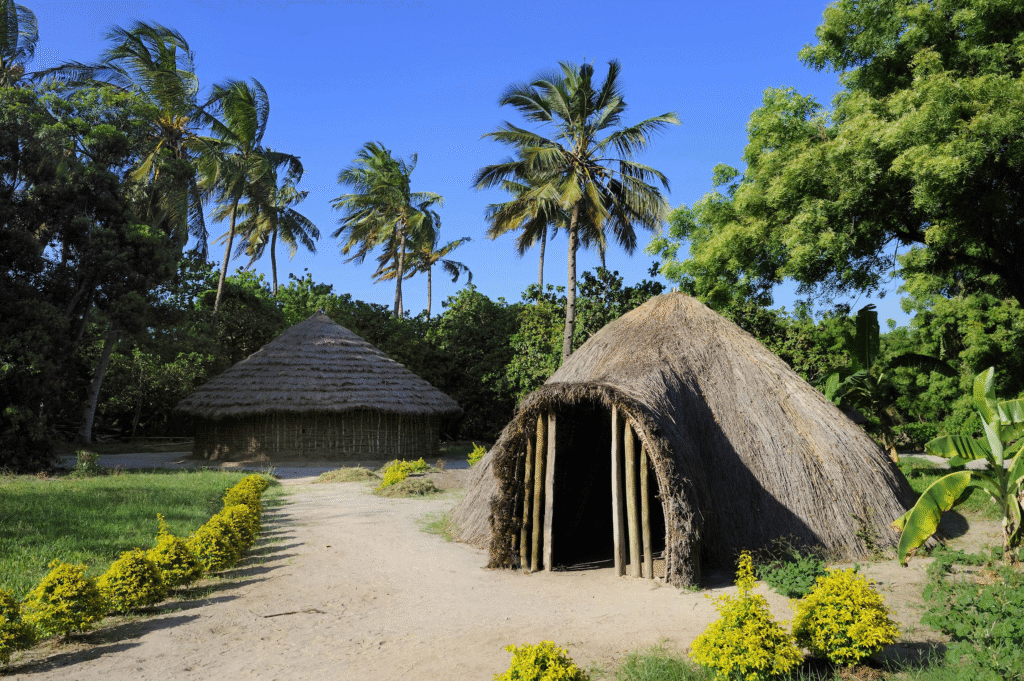
The Village Museum is a living exhibit of Tanzanian culture and architecture. Traditional huts from various ethnic groups are recreated, allowing visitors to explore rural life without leaving the city. The museum offers live performances, including traditional dances, drumming, and storytelling, creating a multisensory experience that brings Tanzanian culture to life. Travelers can also observe craftspeople at work, weaving baskets or carving wood, demonstrating skills passed down through generations. Visiting the Village Museum allows one to appreciate the resilience and creativity of Tanzanian communities, offering an authentic cultural perspective that goes beyond conventional sightseeing.
Coco Beach: Relaxation and Local Flavors
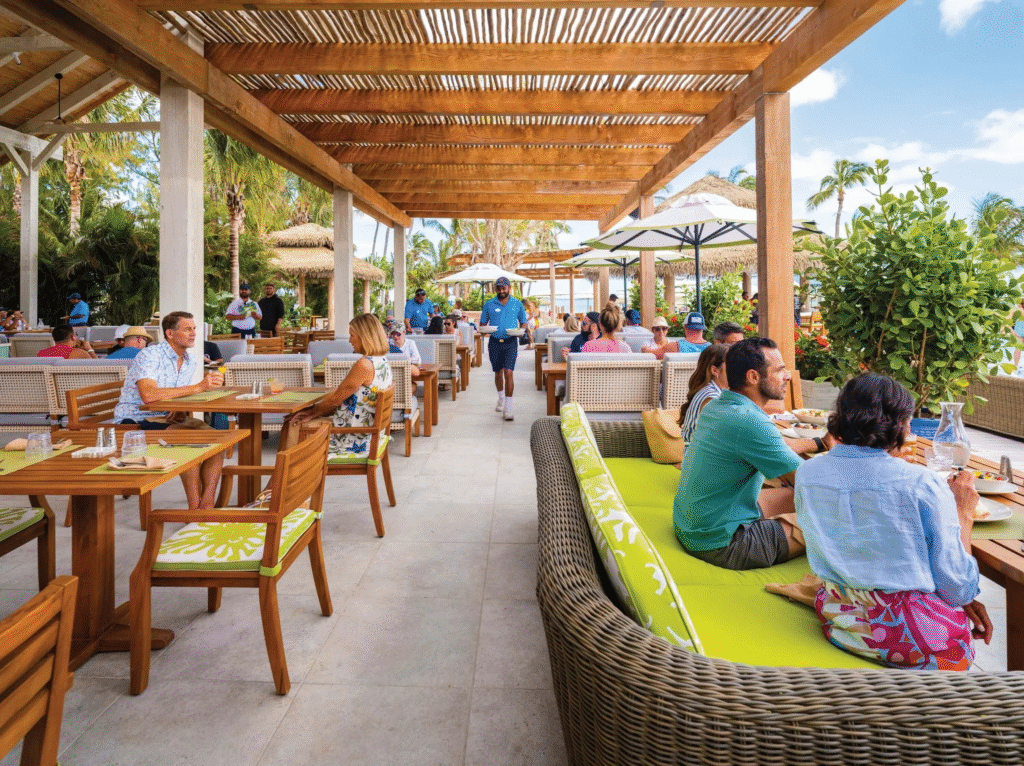
Coco Beach, located in the lively Oyster Bay area, is a haven for relaxation and social interaction. Its soft sandy shores and ocean breeze provide the perfect setting for swimming, sunbathing, or simply enjoying the vibrant atmosphere. Locals gather here in the evenings, creating a lively scene filled with music, food, and laughter. Street vendors offer freshly grilled seafood and local delicacies, giving visitors an opportunity to taste authentic flavors while observing daily life. Coco Beach is not just a recreational spot but a window into the social and culinary rhythms of Dar es Salaam.
Where to Visit in Dar es Salaam: A Complete Travel Guide Bongoyo Island: Nature’s Escape

Bongoyo Island, a short boat ride from the city, offers a serene escape from urban life. Surrounded by clear waters and coral reefs, the island is ideal for snorkeling, swimming, and appreciating Tanzania’s marine biodiversity. A small island restaurant serves freshly prepared seafood, combining natural beauty with local cuisine. Visiting Bongoyo Island allows travelers to witness the harmonious relationship between communities and the marine environment, highlighting efforts to preserve natural resources while providing sustainable tourism experience
Kariakoo Market: The Pulse of Urban Life
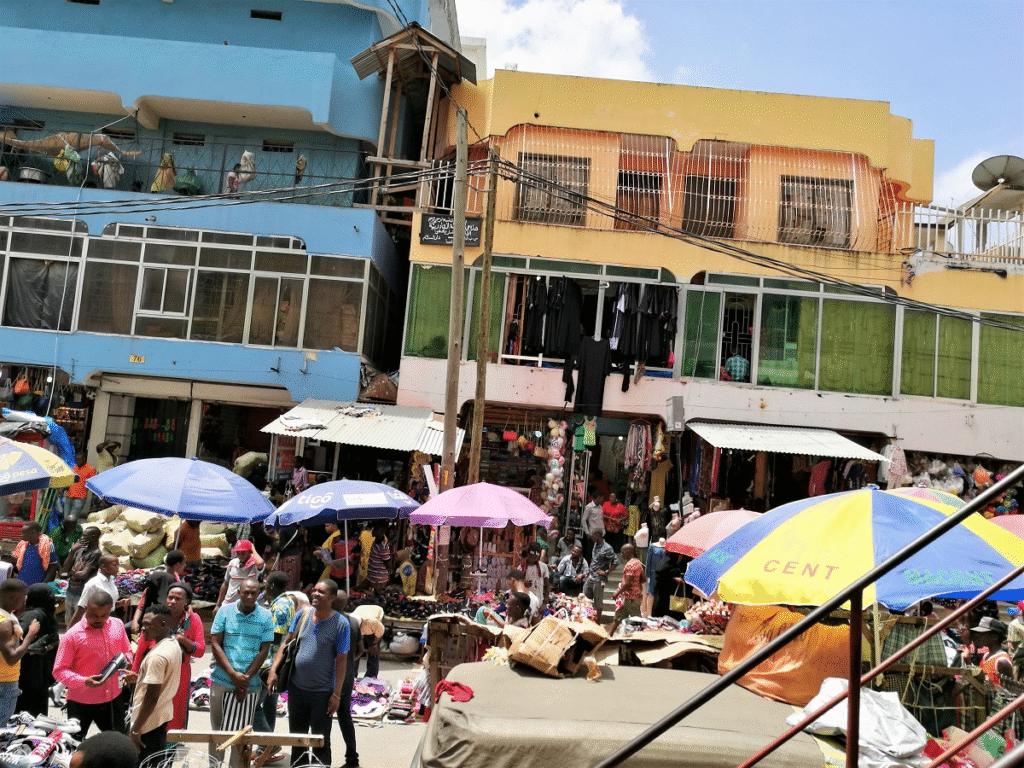
Kariakoo Market is one of East Africa’s busiest commercial hubs and a reflection of Dar es Salaam’s dynamic urban culture. Shoppers can find fresh produce, clothing, electronics, and traditional crafts. The energy of the market, with its constant movement, bargaining, and vibrant displays, offers an authentic glimpse into the daily life of Tanzanians. Navigating Kariakoo requires attentiveness, but it rewards visitors with rich cultural insights, making it one of the city’s most compelling experiences for those who wish to understand urban life beyond the tourist gaze.
Azania Front Lutheran Church: Architectural and Historical Significance
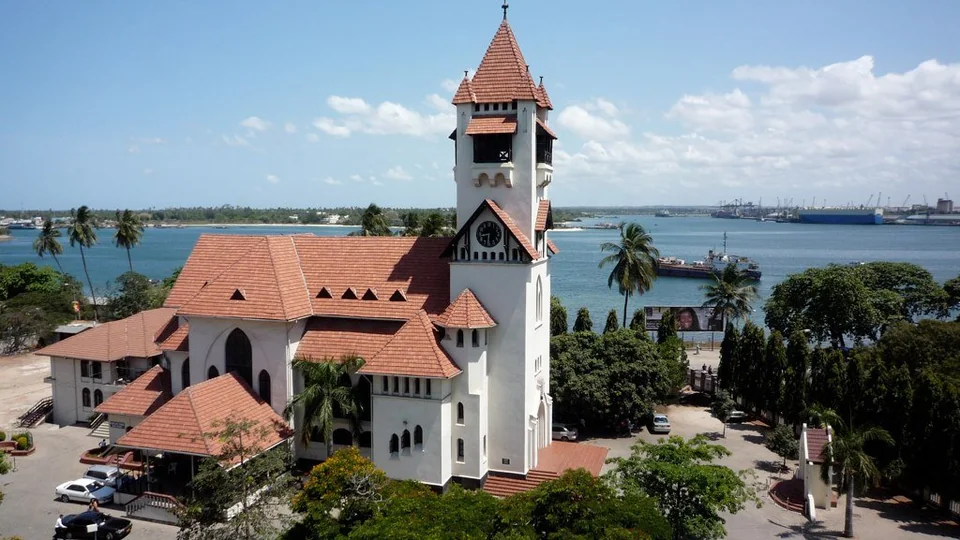
Built in 1898 by German missionaries, the Azania Front Lutheran Church is an iconic structure along Dar es Salaam’s waterfront. Its red-tiled roof, high bell tower, and stained-glass windows make it a standout landmark. Beyond its architectural beauty, the church represents the historical influence of European missionaries on the city’s development. Visitors often describe a sense of calm and reflection upon entering, contrasting with the surrounding urban bustle. The church offers both aesthetic and cultural insights into Dar es Salaam’s history.
Uhuru Monument: A Symbol of Independence
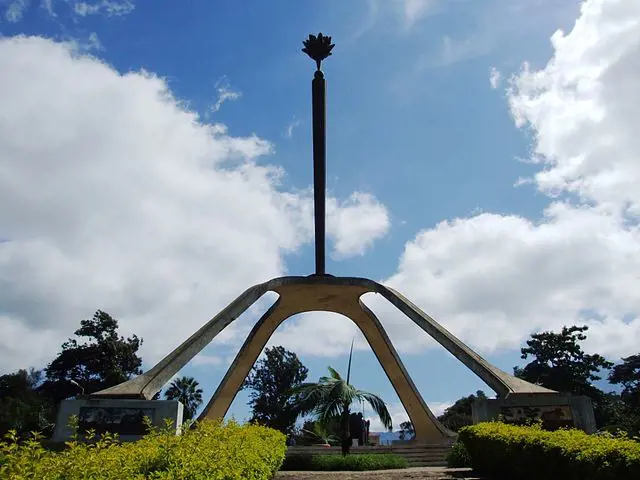
The Uhuru Monument, located in Mnazi Mmoja Park, stands as a proud symbol of Tanzania’s independence. The white obelisk, topped with a replica of the Uhuru Torch, commemorates the country’s journey to freedom. It is not only a historical site but also a cultural symbol, representing the aspirations and unity of the Tanzanian people. Visitors can learn about the struggle for independence and the values of national pride, making it an educational and reflective stop in the city.
Culinary Experiences: A Taste of Dar es Salaam

Food in Dar es Salaam is a rich blend of coastal and multicultural influences. Mamboz Corner BBQ is renowned for its spicy Zanzibari chicken and fried seafood, offering an authentic street food experience. The Slipway, a waterfront shopping and dining complex, provides a range of international and local cuisine, coupled with stunning ocean views. Sampling local dishes is essential for understanding the city’s culture, as food in Dar es Salaam is closely intertwined with social life, history, and tradition.
Islands and Coastal Escapes

Nearby islands, including Mbudya and the Kigamboni Peninsula, offer opportunities for adventure and relaxation. Mbudya Island, part of the Dar es Salaam Marine Reserve, is a sanctuary for snorkeling and sunbathing, providing exposure to Tanzania’s marine ecosystems. The Kigamboni Peninsula offers quieter beaches, fresh seafood, and a slower pace of life. These escapes highlight Tanzania’s natural beauty and the sustainable balance between tourism and conservation.
Practical Tips for Visiting Dar es Salaam

The best time to explore Dar es Salaam is during the dry season, from June to October, when the weather is most pleasant. Transportation options include taxis, ride-hailing apps like Bolt, and local dala-dalas (minibuses) for shorter trips. Travelers are advised to remain vigilant with personal belongings in crowded areas and to use reputable operators for excursions. Engaging with local guides not only enhances safety but also enriches the travel experience through authentic stories and cultural context.
Conclusion: Why Dar es Salaam Should Be on Your Travel List
Dar es Salaam is a city that blends history, culture, and natural beauty in a way that few urban destinations can. Its bustling markets, historic museums, tranquil islands, and vibrant culinary scene provide travelers with immersive and authentic experiences. Exploring Dar es Salaam offers insights into Tanzanian urban life, coastal traditions, and the enduring spirit of its people. For any traveler seeking to understand the heart of Tanzania, Dar es Salaam is an essential destination.
