

Tanzania is one of the most diverse travel destinations in Africa. From the vast plains of the Serengeti to the towering peak of Mount Kilimanjaro and the spice-scented shores of Zanzibar, this East African gem offers something for every traveler. However, the experience you’ll have depends heavily on when you choose to go. Weather patterns, wildlife movements, and local festivities vary widely by season. This guide breaks down When to visit Tanzania depending on your interests whether you’re planning a safari, beach escape, trek, or cultural adventure.
When to Visit Tanzania for Safari
Best Time: June to October (Dry Season)
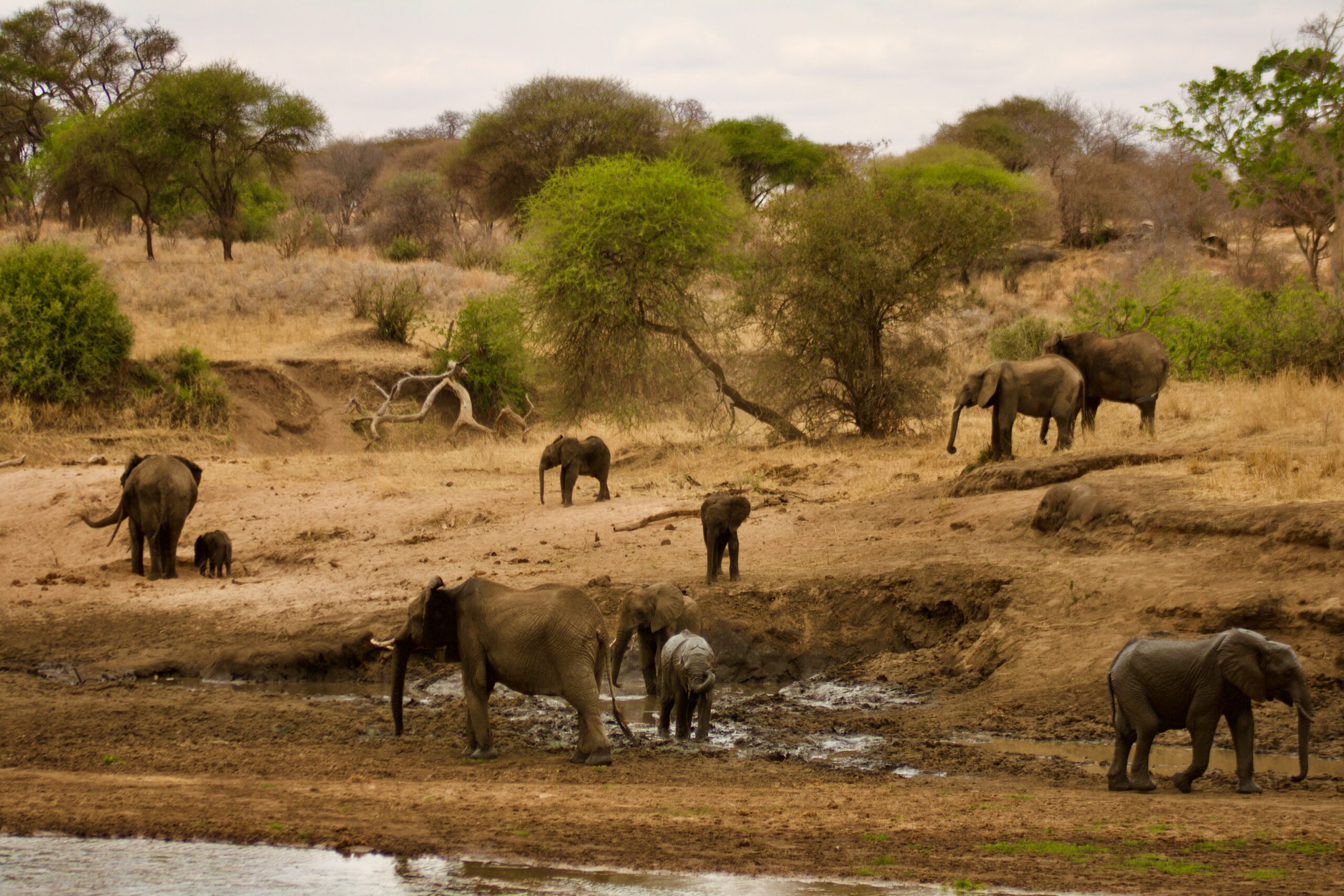
If you’re traveling for wildlife and dream of seeing the “Big Five,” this is your ideal season. The dry months between June and October offer prime game-viewing conditions across Tanzania’s national parks, especially the Serengeti, Tarangire, and Ruaha. During this time, animals gather near rivers and waterholes, making them easier to spot.
This period also coincides with the world-famous Great Migration, where millions of wildebeest and zebra cross the Serengeti in search of fresh grazing grounds. You’ll also witness intense predator activity, particularly during river crossings. Due to high demand, lodges and tours book up fast and at premium prices—so early planning is essential.
For Budget Travelers and Quiet Explorers.
Best Time: March to May & November (Green Season).
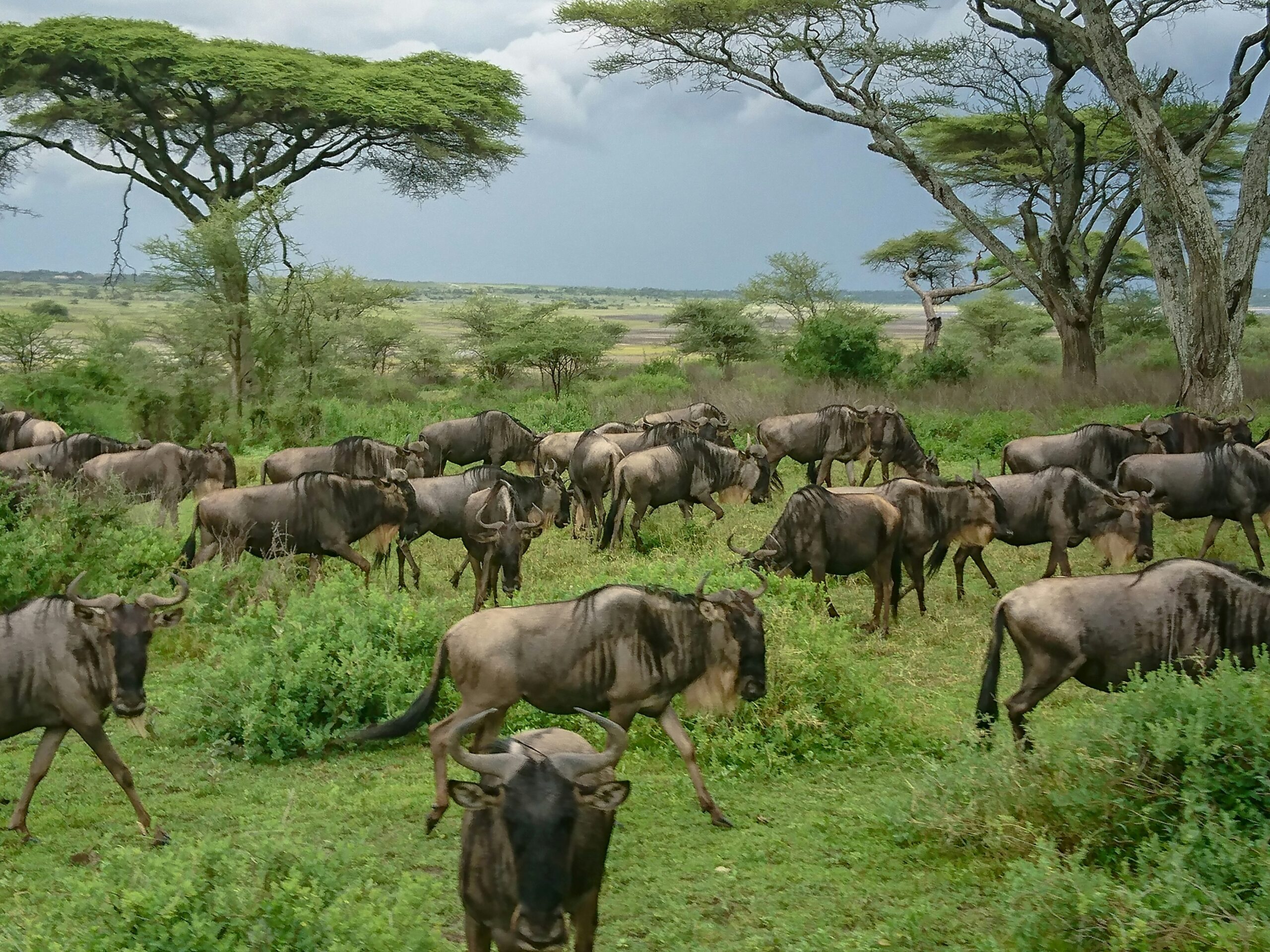
If you’re looking for a more peaceful experience and better value, consider traveling during Tanzania’s green or shoulder seasons. The long rains typically fall between March and May, while November brings shorter rains. These months bring dramatic, lush landscapes and fewer crowds in the parks.
Although wildlife is a bit more spread out, this is one of the best times for birdwatching and spotting baby animals. Prices for accommodations and tours are significantly lower—often discounted by up to 50%—and you’ll enjoy more personal attention from guides and lodge staff. Just prepare for occasional showers and muddy roads in some regions.
For Mountaineers and Adventure Seekers.
Best Time: January to March & June to September.
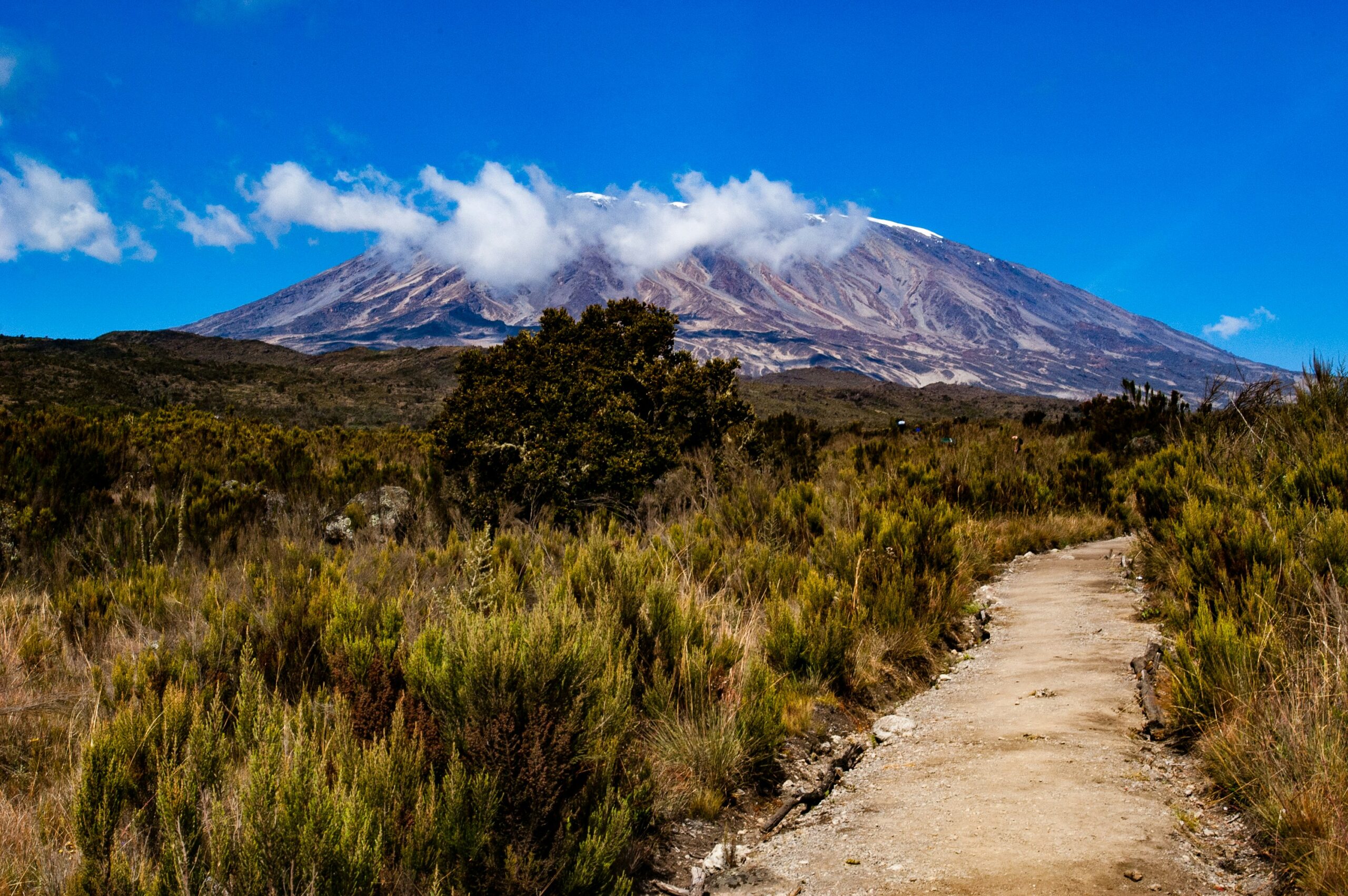
Planning to climb Mount Kilimanjaro or hike through the Usambara Mountains? Weather plays a critical role in your success. From January to March, the slopes are less crowded, and while there’s a chance of snow at higher altitudes, you’ll have a quieter and more tranquil climb.
The months from June to September are considered the most reliable for weather—clear skies, minimal rain, and stable trail conditions. However, it’s also the busiest time on the mountain. Book your climbing permits and guides well in advance, and if you want a less trafficked route, consider Lemosho or Rongai over the popular Marangu trail.
What is the best month to go to Tanzania?
| Month | Travel Highlights |
|---|---|
| January–March | Warm, dry; great for Kilimanjaro, Zanzibar beaches, and lower safari traffic |
| April–May | Wet season; green landscapes, low prices, great for birdwatching and photography |
| June–July | Prime safari season begins; cool, clear weather; excellent wildlife visibility |
| August–October | Peak safari months; Great Migration crossings; best beach conditions |
| November | Short rains; fewer crowds; scenic and good for budget travel |
| December | Warm and dry again; beach resorts busy; good for diving and chimp tracking |
The best time to visit Tanzania Beaches: Complete Weather Guide
Planning when to visit Tanzania beaches? Understanding the weather patterns helps you choose the perfect time for your Zanzibar, Mafia, or Pemba island getaway.
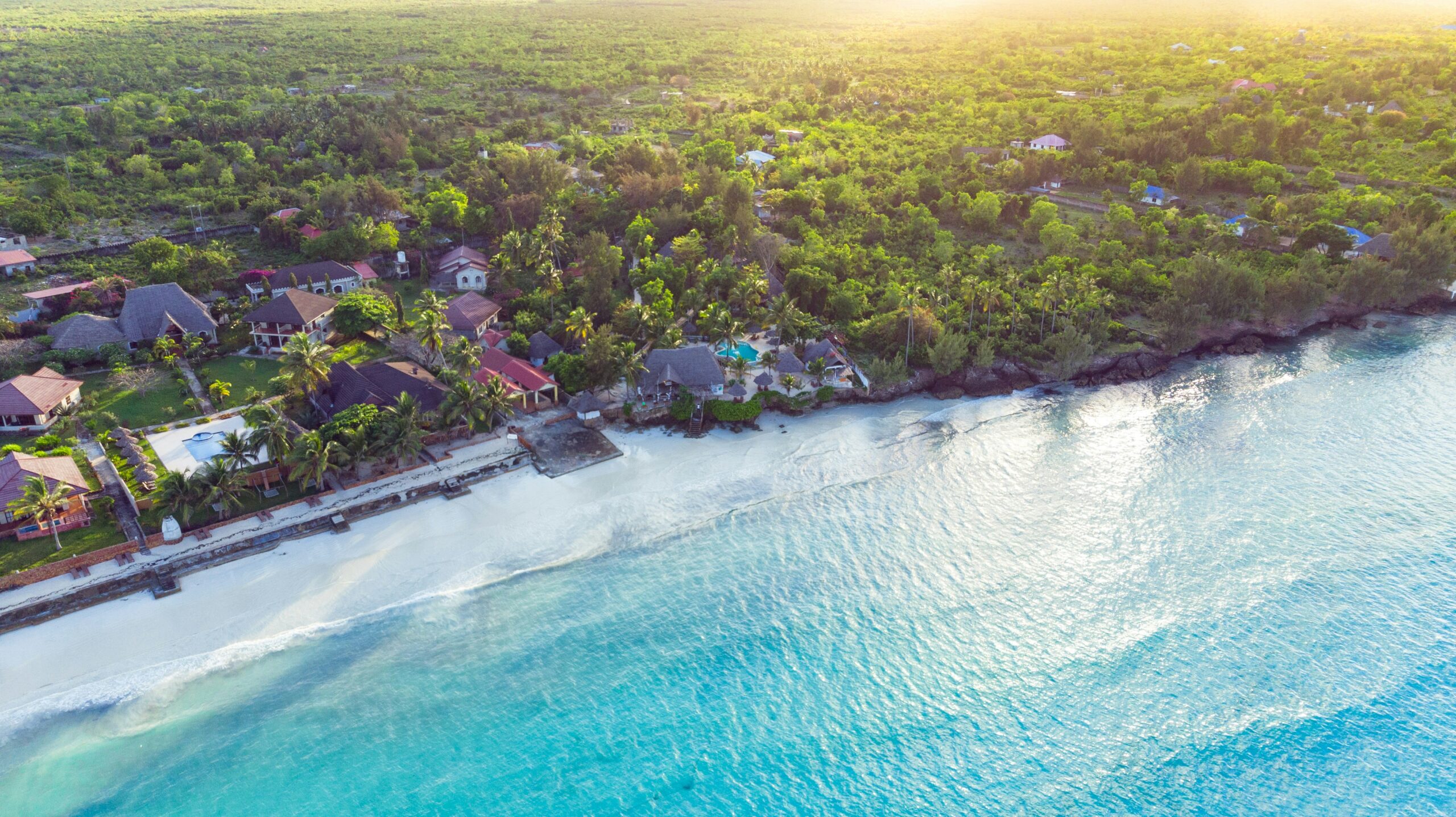
Peak Beach Season: December to February
The best time to visit Tanzania beaches is from late December through early February. This dry season brings sunny skies, warm temperatures, and calm ocean conditions perfect for water activities. Zanzibar weather during this period is exceptional, with Mafia and Pemba islands also offering ideal tropical conditions. This is the perfect time for beach holidays and celebrating Christmas or New Year by the Indian Ocean.
The challenge? This is Tanzania’s busiest beach season. Accommodations fill quickly, so booking at least six months in advance is essential to secure your preferred resort.
Rainy Season: March to May
March marks the beginning of Tanzania beach season’s rainy period. While showers are common, the weather remains unpredictable – you might experience morning rain with sunny afternoons, or several wet days followed by clear skies.
March marks the beginning of Tanzania beach season’s rainy period. While showers are common, the weather remains unpredictable – you might experience morning rain with sunny afternoons, or several wet days followed by clear skies.
Cool Dry Season: June to August
June begins Tanzania’s cooler dry season, another popular time to visit Tanzania beaches. Despite being labeled ‘cooler,’ the equatorial climate keeps temperatures perfectly comfortable for beach activities. Zanzibar weather from June to August remains warm enough for swimming, diving, and snorkeling in the Indian Ocean.
July and August see increased visitor numbers, making this another busy period. Early booking is recommended to secure your preferred beach accommodation.
Best for: Travelers preferring milder temperatures while still enjoying full beach experiences and water sports.
For Primate Trackers In Gombe Stream

Best Time: June to October & December to February.
If you’re drawn to Tanzania’s lesser-known destinations like the Mahale Mountains or Gombe Stream National Park, where wild chimpanzees roam, the dry months offer the best trekking conditions. June to October features dry trails and easier navigation through dense forests.
From December to February, the climate remains suitable for chimp tracking, and you’ll encounter fewer tourists. These off-the-beaten-path parks require effort to reach—often by boat or charter flight—but they offer one of the most intimate wildlife experiences in Africa.
Plan Around Your Priorities.
There’s no “bad” time to visit just the best time for what you want to experience.
Tanzania offers unforgettable travel opportunities year-round, but the best time to visit depends entirely on your interests. Wildlife lovers should prioritize the dry season for safaris and the Great Migration. Climbers should look for the clearest months for a safer ascent. Beachgoers will enjoy calm, sunny months by the coast, while budget travelers can take advantage of discounted rates during the green season. Whether you’re chasing adrenaline, tranquility, or cultural richness, aligning your trip with the right season ensures you’ll experience Tanzania at its very best.
