
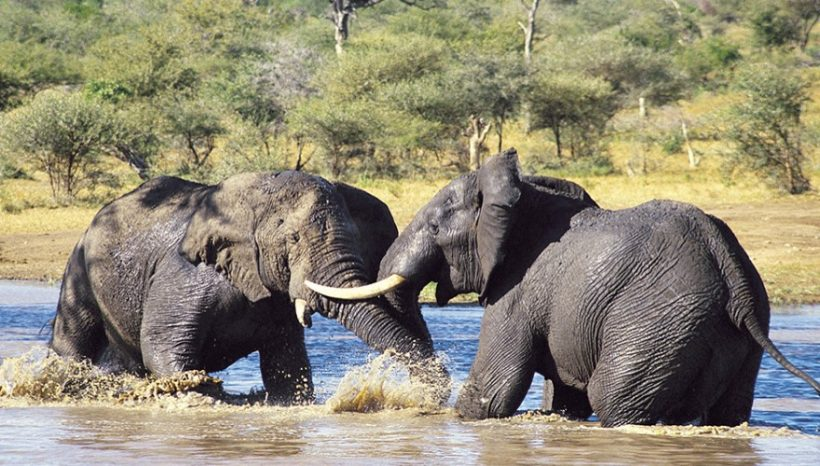
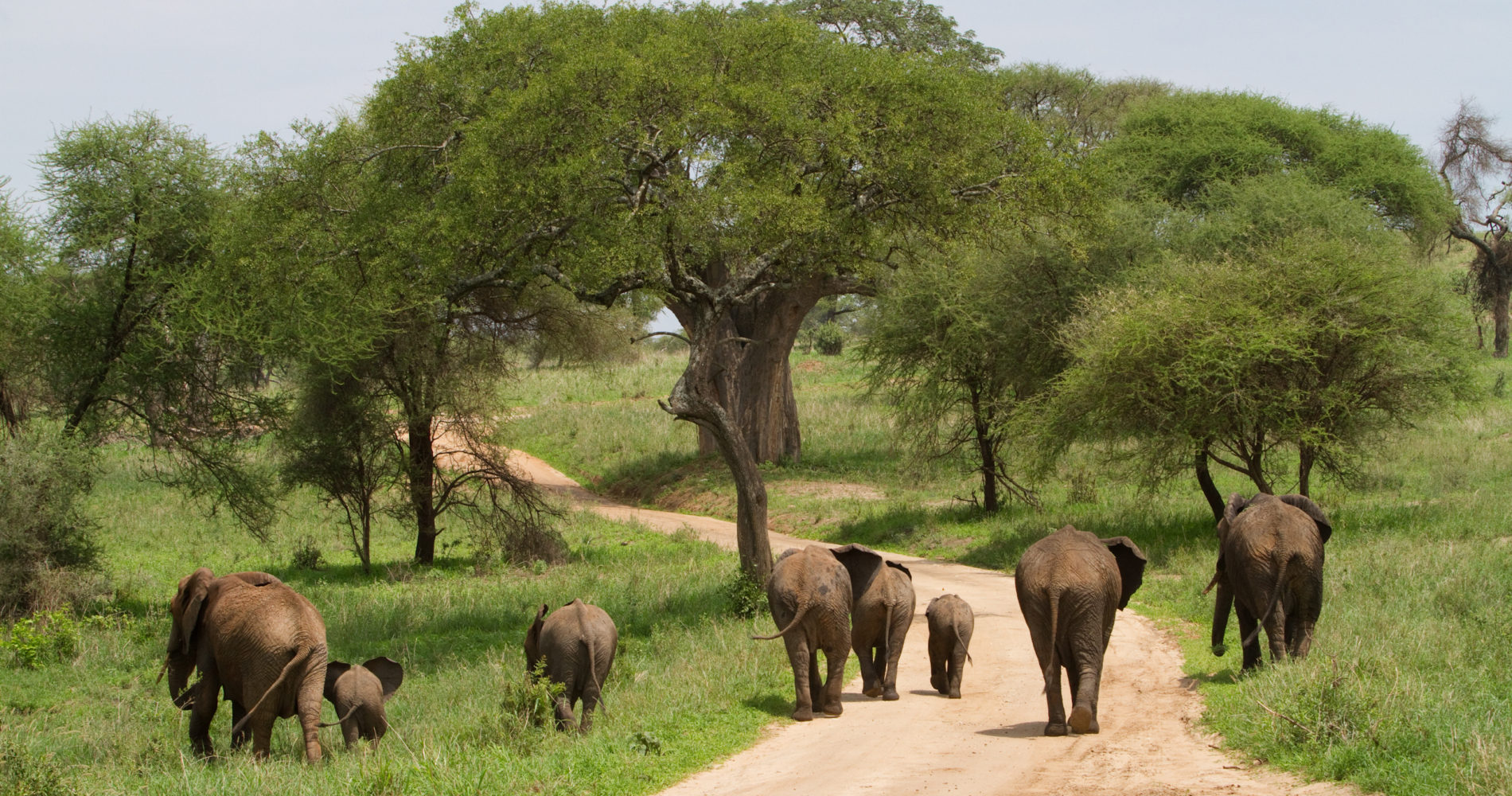
What to see in Tarangire National Park? This land of stark contrasts and profound silence is defined by the life-giving Tarangire River. Witness massive herds of elephants—some of the largest in Africa—digging for water in the dry riverbeds. Marvel at ancient, towering baobab trees silhouetted against golden savannahs. Explore seasonal swamps hosting thousands of vibrant birds, from kori bustards to dazzling lilac-breasted rollers. Seek out rare kudu and fennec foxes, and witness lion prides and leopards thriving in this uniquely biodiverse and powerfully intimate Tanzanian safari destination.
What to See in Tarangire National Park?: A Guide to Its Iconic Sights
The Pulse of Life: The Tarangire River

The Tarangire River is more than a geographical feature—it is the park’s heartbeat. As the only reliable source of water during the dry season (June to October), it becomes the main stage for survival. This seasonal drama unfolds daily as thousands of animals converge on the riverbanks. Herds of elephants dig into the sand for groundwater, lions stalk from nearby bushes, and giraffes cautiously approach for a drink. Here, water is life, and the river’s banks are a front-row seat to nature’s most primal interactions.
The Giants of the Land: Elephants of Tarangire
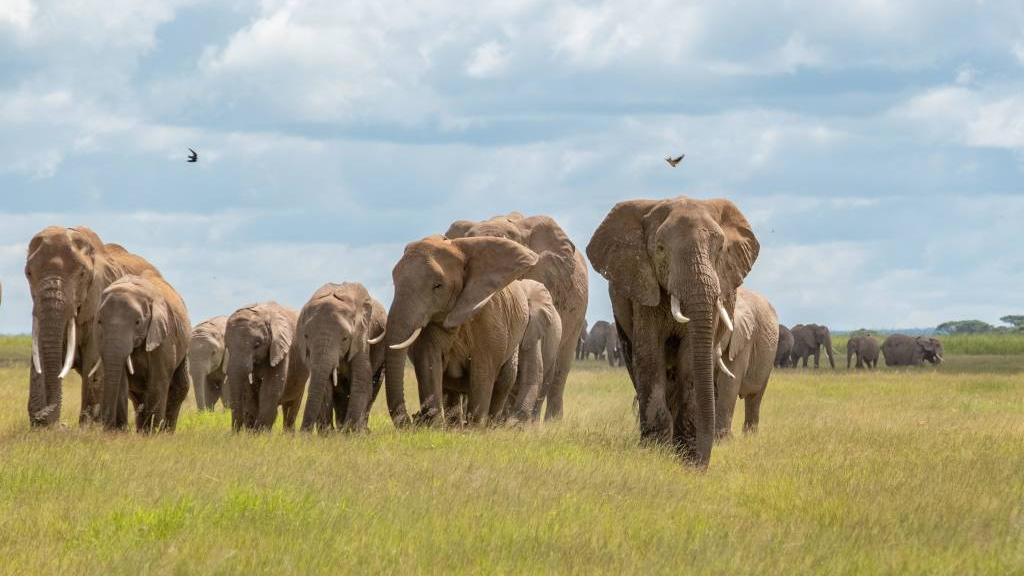
Tarangire is renowned for hosting one of the densest elephant populations in East Africa. Visitors are often awe-struck by the sight of entire herds—sometimes numbering over a hundred—moving silently through the golden grasses. Elephants are not only iconic but also ecological engineers: they break tree branches, shape waterholes, and open up paths in the bush, leaving behind trails used by other wildlife. Observing their family bonds, playfulness, and quiet intelligence in Tarangire is a humbling and emotional experience.
The Timeless Watchers: Baobab Trees
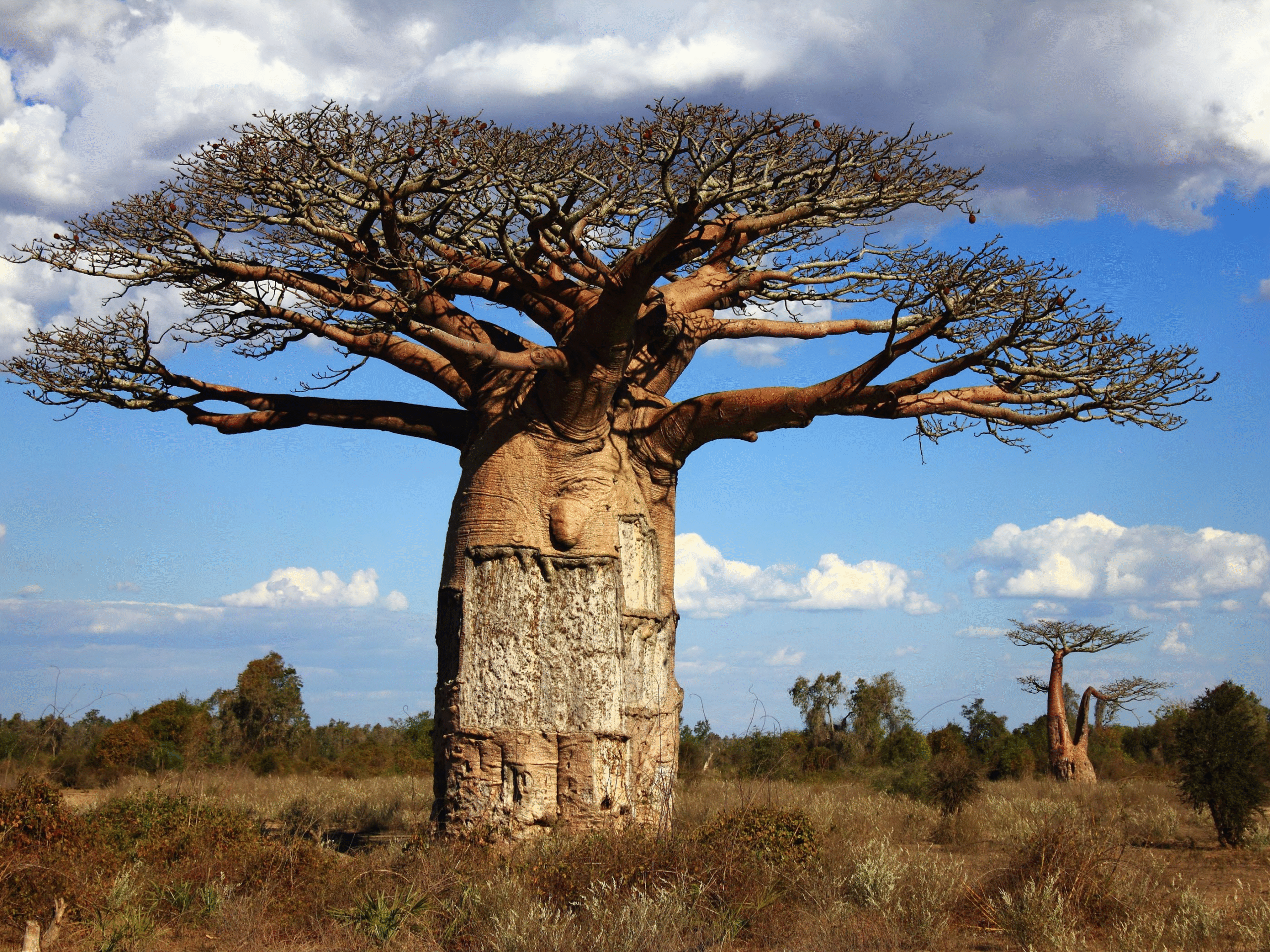
No image of Tarangire is complete without the towering silhouettes of baobab trees against the sky. These ancient giants, some estimated to be over 1,000 years old, are storied keepers of time and change. They store water in their massive trunks, offer nesting sites for birds, and feed both humans and animals with their fruit. As you drive through Tarangire, it feels as though you are journeying through a natural cathedral, with each baobab a silent sentinel of the ages.
A Hidden Haven for Rare Species
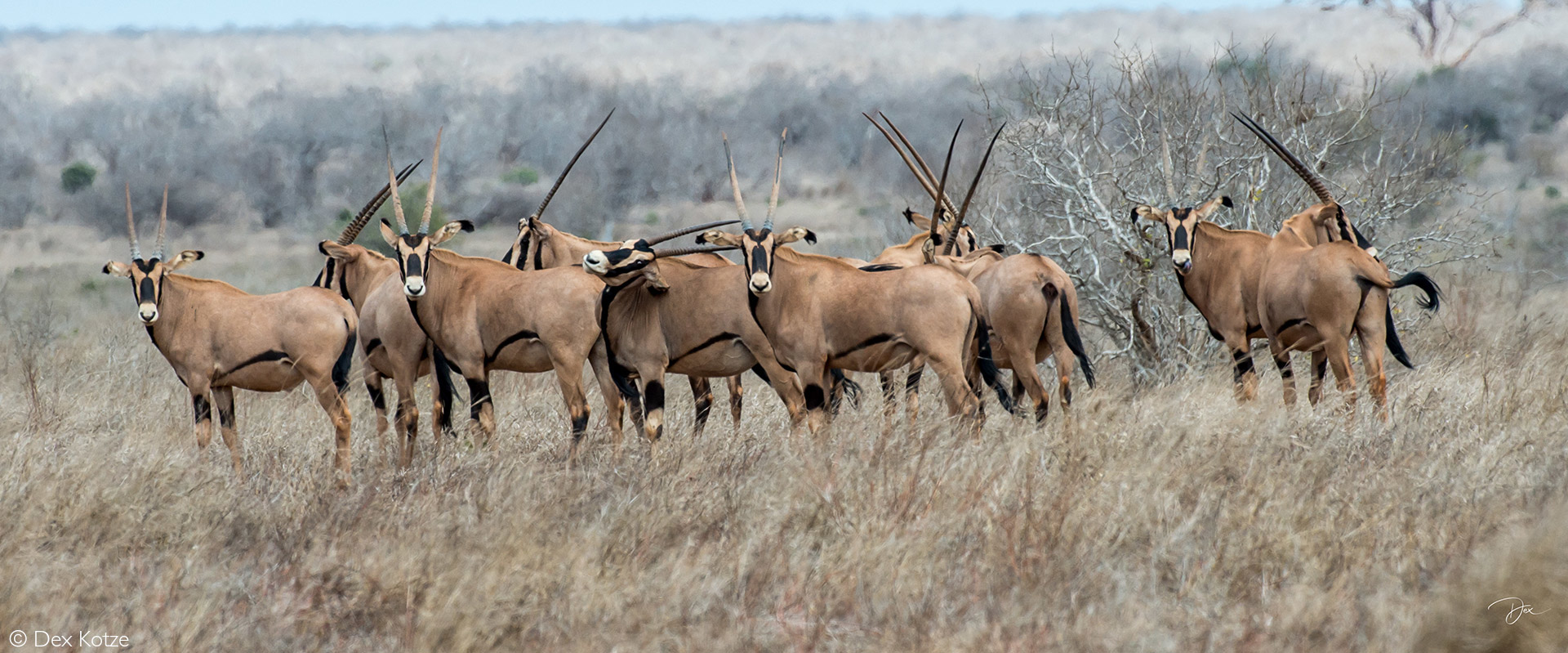
Beyond the well-known wildlife, Tarangire is a sanctuary for rare and regionally unique species. The graceful fringe-eared oryx, with its long horns and sandy coat, blends into the dry grasslands. The gerenuk, an antelope with an unusually long neck, stands on its hind legs to browse from trees—a bizarre and fascinating sight. Even the greater kudu, with its spiral horns and elegant markings, finds refuge here. These animals are rarely seen in other parks, making Tarangire a must-visit for seasoned safari-goers and nature enthusiasts.
Predator and Prey: A Delicate Balance

While not as predator-packed as the Serengeti, Tarangire still hosts a healthy population of lions, leopards, and cheetahs. These predators follow the movements of herbivores, especially during the dry season when game density near the river is high. Watching a lion pride lounging in the shade, or spotting a leopard draped across a tree limb, adds thrilling tension to an otherwise tranquil landscape. The balance between predator and prey is subtle here, yet ever-present.
A Birdwatcher’s Paradise
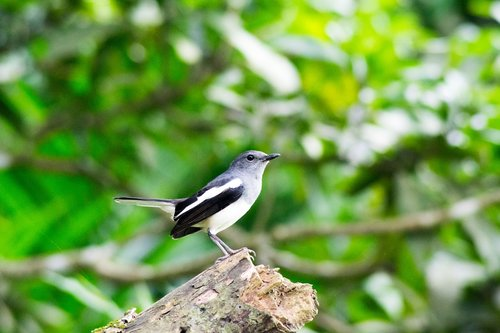
The park is also a wonderland for birdlife, with over 500 recorded species. The wetlands and swamps are home to flocks of herons, pelicans, and storks, while the open savanna attracts raptors like bateleurs and martial eagles. You might spot the vibrantly colored lilac-breasted roller perched on a branch or hear the haunting call of a ground hornbill. In Tarangire, birdwatching becomes an experience as rich and rewarding as spotting the Big Five.
The Human Connection: Cultural Encounters

Tarangire is not just about animals and landscapes—it’s also about people. The park lies near communities of the Maasai and Barabaig people, whose traditional way of life is deeply tied to the land. Visiting a nearby village offers a rare and respectful window into their customs, dress, and daily rhythms. This cultural layer enriches the safari experience and reminds us that conservation and community must go hand in hand.
Conclusion: A Soulful Safari Experience
Tarangire National Park is not simply a destination—it’s an experience of nature in its most grounded, timeless form. It’s the quiet rustle of dry leaves under an elephant’s foot, the wind moving through baobab branches, the glint of water in a dry riverbed, and the watchful eyes of predators at dusk. If you’re seeking a safari that offers depth, serenity, and a deeper connection to the wild, Tarangire is where you’ll find it.
