

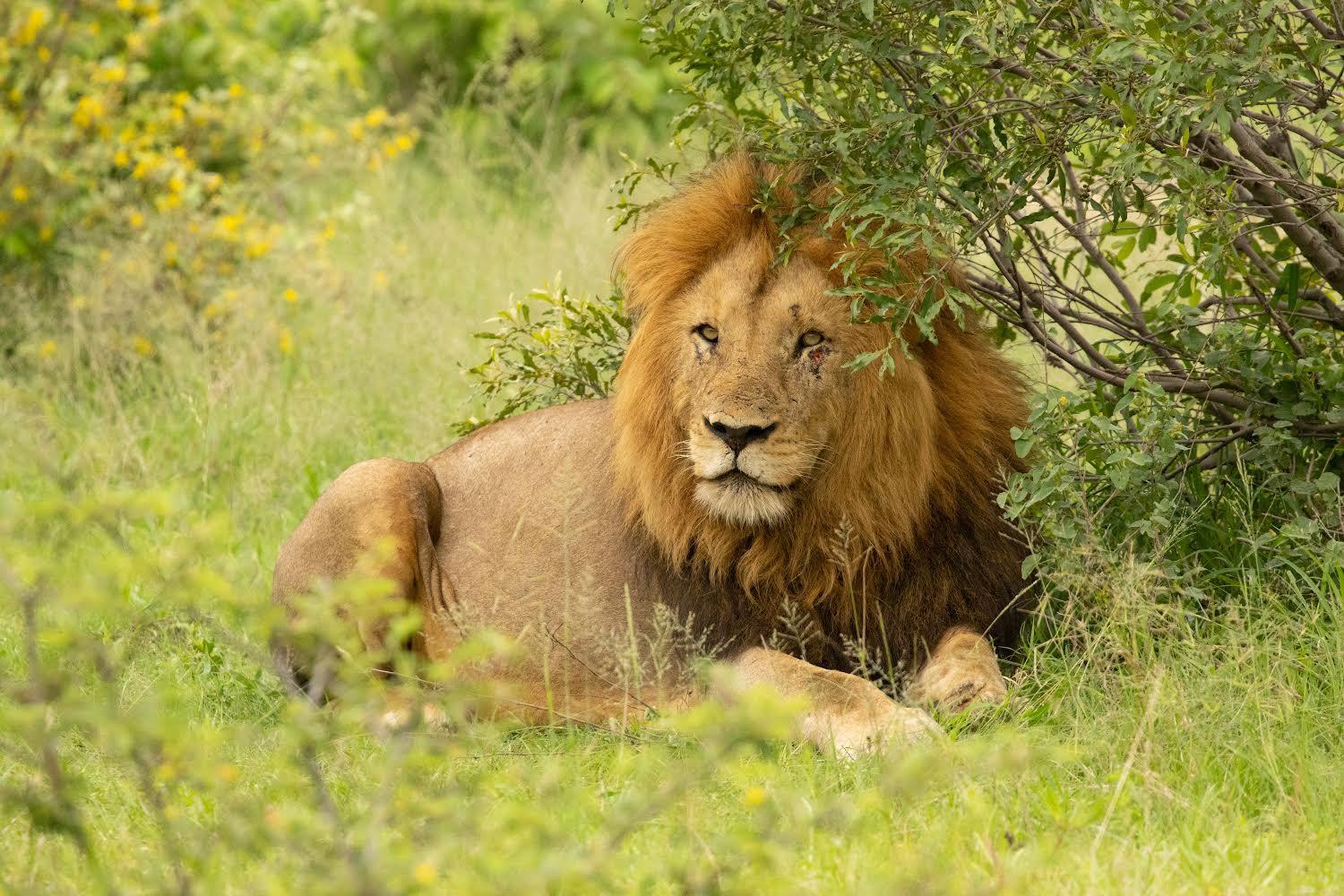
What is Safari? Safari” is a Swahili word meaning ” journey,” and in the context of African wildlife adventure, it refers to an organized trip, typically by vehicle, to observe and photograph wild animals in their natural habitats. It’s an immersive experience designed to bring you face-to-face with Africa’s incredible biodiversity.
If you’ve dreamt of witnessing lions in the wild, spotting a graceful giraffe against a stunning sunset, or simply experiencing the raw beauty of the African bush, then a safari is calling your name!
What to Expect on an African Safari:
Your first safari is a blend of excitement and discovery. You can expect early morning drives, breathtaking landscapes, and close encounters with Africa’s most iconic animals.

Here’s a beginner’s guide to understanding what a safari entails:
Game Drives: This is the most common safari activity. You’ll typically go out in a 4×4 vehicle with an experienced guide (and sometimes a tracker) during the early morning and late afternoon/evening. These times are when animals are most active, either hunting or grazing, before the heat of the day sets in or as they prepare for the night.
The “Big Five”: A major highlight for many safari-goers is spotting the “Big Five” – lions, leopards, elephants, rhinos, and buffalo. These animals were historically the most challenging and dangerous to hunt on foot, hence the moniker.
Diverse Wildlife: Beyond the Big Five, you’ll encounter a vast array of other incredible animals, including giraffes, zebras, wildebeest, hippos, crocodiles, countless bird species, and various antelopes and gazelles. Every drive brings new surprises!
Stunning Landscapes: Safaris take place in diverse ecosystems, from the vast savannas of the Serengeti and Masai Mara to the lush rainforests of Uganda and Rwanda, and the deserts of Namibia. Each landscape offers its own unique beauty and wildlife.
Accommodation: Safari accommodations vary widely, from budget-friendly tented camps with basic facilities to luxurious lodges with private pools and spas. Many offer an “all-inclusive” experience within the national parks or private conservancies, meaning your meals and activities are covered.
Daily Rhythm: A typical safari day often involves an early morning game drive (often starting before dawn!), followed by breakfast or brunch at the camp, a period of relaxation during the hottest part of the day, an afternoon game drive (often including a “sundowner” stop to watch the sunset), and then dinner under the stars.
Patience and Observation: Wildlife viewing requires patience. Animals are wild and unpredictable, so there will be times when you might not see much action. Your guide’s expertise in tracking and knowing animal behavior is invaluable in finding those magical moments.
Respect for Nature: Safaris emphasize responsible tourism. Guides adhere to strict rules to minimize disturbance to animals and their environment. It’s crucial to follow your guide’s instructions, stay in the vehicle unless otherwise directed, and never try to get too close to animals or interfere with their natural behavior.
Different Safaris Experiences
While game drives are central, safaris can also include:
Walking Safaris: Offered in certain parks and reserves, these allow you to explore the bush on foot with an armed ranger, providing a different perspective and a chance to learn about smaller details like animal tracks, plants, and insects.
Hot-Air Balloon Safaris: A truly magical experience, especially over the Great Migration in places like the Serengeti or Masai Mara, offering panoramic views of the landscape and wildlife from above as the sun rises.
Boat Safaris: In areas with rivers or lakes (like the Okavango Delta in Botswana or certain parts of Uganda), boat safaris offer opportunities to see aquatic animals like hippos and crocodiles, as well as various birdlife from a unique vantage point.
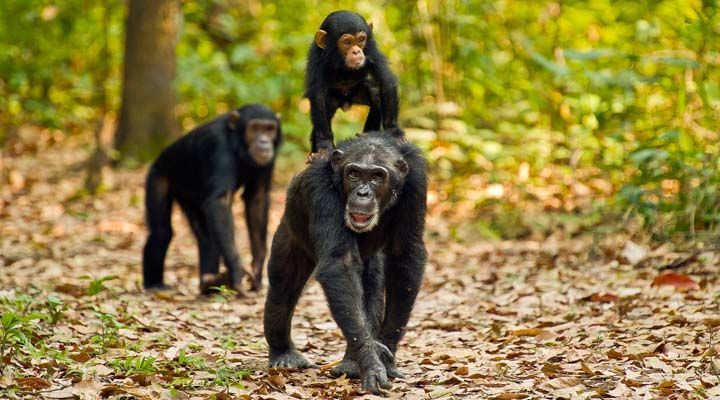
Gorilla and Chimpanzee Trekking: Primarily in Uganda and Rwanda, these involve guided hikes through rainforests to observe mountain gorillas or chimpanzees in their natural habitat – an incredibly intimate and humbling encounter.
Self-Drive Safaris: In some national parks (like Kruger in South Africa), you can drive your own vehicle, though having a knowledgeable local guide is highly recommended for first-timers to maximize sightings and safety.
Planning Your First Safari:

Choose Your Destination: Popular safari destinations include Tanzania (Serengeti, Ngorongoro Crater), Kenya (Masai Mara), South Africa (Kruger National Park), Botswana (Okavango Delta), Uganda (for gorilla trekking), and Namibia (unique desert landscapes). Each offers a different experience and wildlife viewing opportunities.
When to Go: The best time to go depends on the region and what you want to see (e.g., the Great Migration in East Africa has specific timings). Dry seasons often offer better visibility as animals congregate around water sources.
Considering Tanzania (where we are today!):
Long Dry Season (June to October): Generally considered the best time for wildlife viewing. Vegetation is sparse, making animals easier to spot as they gather around dwindling water sources. The weather is cooler and dry. This period coincides with the Great Wildebeest Migration’s dramatic Mara River crossings (July-August) in the northern Serengeti.
Short Dry Season (January to March): Good for wildlife viewing, especially in the southern Serengeti (Ndutu Plains) for the wildebeest calving season (late January to February), which attracts many predators. Fewer crowds than the long dry season, and lush green landscapes after the short rains.
Rainy Seasons (March to May, and November to Mid-December): Lush green landscapes, excellent for birdwatching (migratory birds arrive), lower prices, and fewer tourists. Wildlife spotting can be more challenging due to dense vegetation, but the dramatic skies make for incredible photography.
Choosing a Tour Operator: For a seamless and expertly guided experience, consider booking your safari through a reputable tour operator. Companies like Jambo International Tour specialize in crafting unforgettable African adventures, handling everything from logistics and accommodation to experienced guides.
Budget: Safaris can range from budget-friendly camping trips to ultra-luxury experiences. Your budget will influence your choice of destination, accommodation, and the duration of your trip.
Book in Advance: Especially for popular destinations and lodges, booking well in advance is crucial, sometimes even a year ahead, to secure your preferred dates and accommodation.
Pack Smart: Opt for comfortable, breathable clothing in neutral colors (khaki, beige, green) to blend in. Bring layers for cool mornings and evenings, a wide-brimmed hat, sunglasses, sunscreen, insect repellent, and a good camera with extra batteries and memory cards to capture every moment.
Conclusion: Begin Your Safari Journey
What is Safari? A Beginner’s Guide to African Wildlife Adventure An African safari is not just a holiday — it is a life-changing experience that awakens your senses and deepens your connection with nature. The thrill of seeing lions on the hunt, elephants roaming freely, or a giraffe silhouetted against the sunset is something that words can barely capture. With a little planning, an open mind, and the right guidance, your safari will become a story you carry forever.
For travelers seeking the perfect balance of adventure, comfort, and expert guidance, booking with Jambo International Tour ensures a seamless and unforgettable journey into the wild. Let your African safari adventure begin today!
