

It’s crucial to consult your country’s foreign affairs department or embassy/high commission websites (e.g., U.S. State Department, UK FCO, your country’s Ministry of Foreign Affairs) for the most up-to-date and specific requirements for your nationality, as policies can change. Also, consult with a travel health specialist or your doctor at least 6-8 weeks before your trip to discuss vaccinations and other health precautions.
I. Tanzania and Kenya Visa Requirements

For Tanzania (including Zanzibar)
- Most Nationalities Require a Visa: The majority of foreign citizens need a visa to enter Tanzania.
- e-Visa (Highly Recommended): The easiest and most recommended way to obtain a Tanzanian tourist visa is to apply online through the official Tanzania Electronic Visa Application System (https://visa.immigration.go.tz/).
- Process: Fill out the online form, upload required documents (passport scan, passport-size photo, flight itinerary, potentially hotel bookings), make payment, and submit.
- Processing Time: While often quick, allow ample time (at least a few weeks, preferably a month or more) for processing. You will be notified via email whether your application has been accepted or rejected.
- Cost: Typically US$50 for a single-entry tourist visa for most nationalities. For U.S. citizens, it’s usually US$100 for a multiple-entry visa.
- Validity: A single-entry visa is usually valid for up to 90 days.
- Visa on Arrival (VOA): While theoretically possible at major entry points (like Kilimanjaro International Airport, Julius Nyerere International Airport in Dar es Salaam, or the Namanga border), it’s not recommended due to potential long queues, administrative delays, and the risk of specific requirements not being met on the spot. If you opt for VOA, have the exact cash amount in USD ready.
- Exempt Nationalities: Citizens of some countries (primarily EAC member states) may not require a visa. Check the official Tanzanian immigration website for the latest list.
- Required Documents for Visa Application (online or VOA):
- Passport valid for at least six months from your intended date of entry, with at least one blank page.
- A recent passport-sized photograph.
- Completed visa application form (online or physical).
- Flight itinerary/return ticket.
- Proof of accommodation (e.g., hotel booking confirmation) may be requested.
- Proof of sufficient funds for your stay (rarely requested for tourists, but good to have).
For Kenya

- Electronic Travel Authorization (ETA) – MANDATORY: As of January 2024, Kenya no longer issues traditional visas on arrival for most nationalities. All visitors (except for citizens of East African Community member states) must obtain an Electronic Travel Authorization (ETA) online before travel.
- Application Process: Apply through the official Kenyan ETA website (https://www.etakenya.go.ke/).
- Process: Fill out the online application form, upload a recent passport-sized photo or selfie, a scanned copy of your passport’s bio-data page, travel itinerary (flight bookings, accommodation details), and make payment.
- Processing Time: Allow sufficient time (at least a few days to a week) for your ETA to be processed. While some can be approved quickly, delays are possible.
- Cost: Approximately US$34 (including processing fees).
- Validity: An approved ETA is typically valid for 3 months from the date of issue, allowing a stay of up to 90 days in Kenya. It’s advisable to apply no more than 2 months prior to travel to ensure it’s still valid for your entire stay.
- Required Documents for ETA Application:
- Passport valid for at least six months beyond your planned arrival date, with at least one blank page.
- Recent digital passport-sized photograph or a clear selfie.
- Proof of onward or return travel (e.g., confirmed flight itinerary).
- Accommodation booking confirmation(s) for your stay in Kenya.
- Contact information (email, phone number).
- Credit/debit card for payment.
II. Vaccination Guide
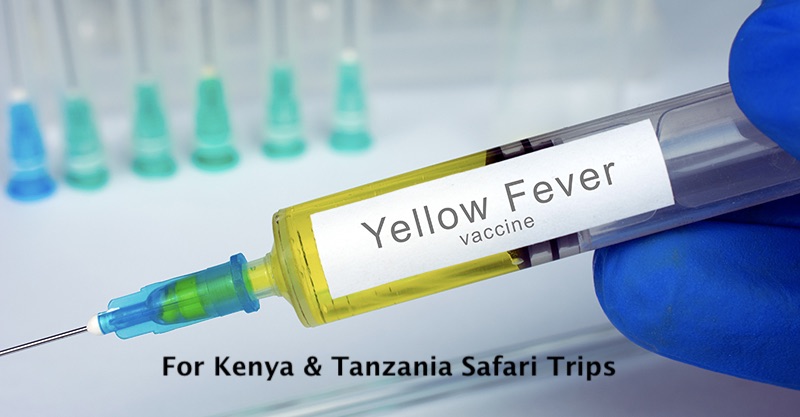
It is highly recommended to consult a travel health clinic or your doctor at least 6-8 weeks before your trip to discuss which vaccinations are appropriate for your specific itinerary, health history, and current global health recommendations.
Mandatory Vaccination for Both Kenya and Tanzania:
- Yellow Fever:
- Requirement: A Yellow Fever vaccination certificate is mandatory if you are arriving from or transiting through (for more than 12 hours) a country with a risk of Yellow Fever transmission. This applies to both Kenya and Tanzania.
- Crucial for Intra-East Africa Travel: If you are traveling between Kenya and Tanzania (e.g., flying from Nairobi to Kilimanjaro, or crossing the Namanga border), you will be asked for your Yellow Fever certificate. Even if your home country isn’t a risk country, if you’ve been in a Yellow Fever risk country before entering Kenya or Tanzania, the certificate is required.
- Certificate: Ensure you have the original International Certificate of Vaccination or Prophylaxis (ICVP), also known as the “Yellow Card.” The vaccine provides lifelong immunity.
Highly Recommended Vaccinations for Both Countries:
These are generally recommended for most travelers to East Africa due to the risk of exposure:
- Hepatitis A: Transmitted through contaminated food and water.
- Typhoid: Transmitted through contaminated food and water, especially if eating from street vendors or in rural areas.
- Tetanus, Diphtheria, Pertussis (Tdap): Ensure your routine vaccinations are up-to-date. Tetanus is a risk from contaminated wounds.
- Polio: Ensure routine vaccination is up-to-date. A booster may be recommended for adults.
- Measles, Mumps, Rubella (MMR): Ensure routine vaccination is up-to-date.
Other Recommended Vaccinations (Consider based on itinerary and risk):

- Malaria Prophylaxis:
- Risk: Malaria is present in most parts of Kenya and Tanzania, including popular safari areas, but generally not in high-altitude areas like Nairobi (though some parts of Kenya have low risk, like Mombasa and parts of the coast).
- Prevention: Consult your doctor about anti-malarial medication (prophylaxis). This is a crucial preventative measure.
- Additional Measures: Use mosquito repellent (with DEET), sleep under mosquito nets, and wear long-sleeved clothing and pants, especially during dusk and dawn.
- Hepatitis B: Recommended for longer stays, frequent travel, or if you might have direct contact with blood/body fluids or engage in high-risk activities.
- Rabies: Recommended for travelers who may have direct contact with animals (e.g., wildlife workers, adventure travelers, long-term stays in rural areas). Pre-exposure vaccination simplifies post-exposure treatment but does not eliminate the need for it.
- Meningococcal Meningitis: Recommended for prolonged stays, especially during the dry season (December to June), or if traveling to regions known for outbreaks.
- Cholera: Recommended for travelers who might be exposed to unsafe food and water sources, particularly in rural areas or during outbreaks. (Oral vaccine).
- Routine Vaccinations: Ensure all your routine vaccinations are current, including Flu and COVID-19 (if applicable and recommended for your health).
Important Health Tips:
- Consult a Travel Doctor: This is the most crucial step. They will assess your individual risk factors and itinerary to provide tailored advice.
- First Aid Kit: Carry a basic first aid kit with pain relievers, anti-diarrhea medication, antiseptic wipes, bandages, and any personal prescription medications (with a doctor’s note).
- Food and Water Safety:
- Drink only bottled, filtered, or boiled water. Avoid tap water and ice cubes.
- Eat only well-cooked food. Be cautious with street food; ensure it’s hot and freshly prepared.
- Peel all fruits and vegetables yourself.
- Insect Bite Prevention: Beyond malaria, mosquitoes and other insects can transmit diseases like Dengue Fever. Use repellent day and night.
- Sun Protection: The East African sun is strong. Use high-SPF sunscreen, wear a wide-brimmed hat, and sunglasses. Stay hydrated.
- Travel Insurance: Always purchase comprehensive travel insurance that covers medical emergencies, including emergency evacuation. This is vital for any trip to East Africa.
By taking these visa and vaccination requirements seriously and following general health advice, you’ll be well-prepared for a safe and memorable journey through Tanzania and Kenya.
