

Usambara Magamba Nature Forest Reserve in Tanzania Nature Forest Reserve, located in the West Usambara Mountains of northeastern Tanzania, is a biologically rich and ecologically significant forest that offers one of the most rewarding birdwatching experiences in East Africa. As part of the Eastern Arc Mountain chain—an ancient and globally recognized biodiversity hotspot—Magamba is not just a haven for birds but also a critical habitat for numerous endemic species. Its tranquil atmosphere and scenic highland setting make it an ideal destination for eco-tourists, researchers, and nature enthusiasts.
The Landscape and Setting of Magamba Forest

Usambara Magamba Nature Forest Reserve in Tanzania Situated just a few kilometers from the town of Lushoto in Tanga Region, Magamba Forest covers an area of approximately 9,284 hectares. The reserve is set at elevations ranging from 1,600 to 2,200 meters above sea level, creating a montane cloud forest environment that supports a wide variety of flora and fauna. Moisture carried in from the Indian Ocean condenses over the forest, producing year-round humidity and dense vegetation. The forest canopy is formed by tall evergreen trees draped in moss and epiphytes, while the forest floor is covered with ferns, shrubs, and leaf litter. This unique ecological setting contributes to both its natural beauty and its scientific importance.
A Birdwatcher’s Paradise

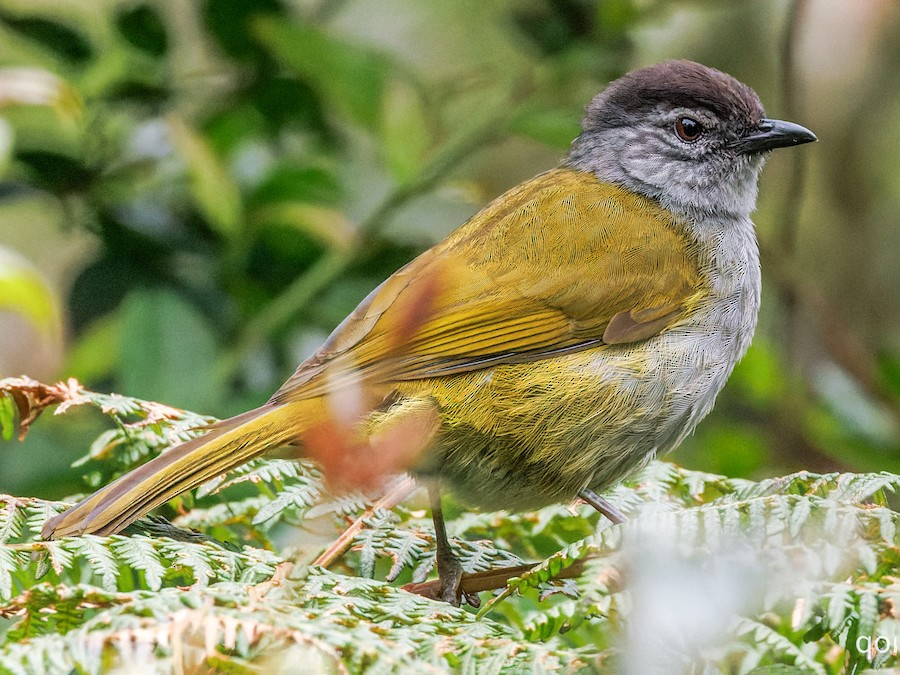
Magamba Forest is best known for its incredible diversity of bird species. With over 200 species recorded in the reserve, many of them endemic to the Usambara Mountains, it is considered one of the best birdwatching sites in Tanzania. The Usambara Akalat, for instance, is a ground-nesting bird found only in this region. It prefers dense undergrowth in undisturbed forest areas, making it rare and difficult to spot. The Usambara Weaver, with its vibrant yellow feathers and remarkable nest-building behavior, is a common sight in the mid-canopy levels. Another notable resident is the Usambara Eagle-Owl, a large nocturnal predator whose haunting calls echo through the forest at night. The Usambara Thrush, Cinnamon-chested Bee-eater, Shelley’s Greenbul, and Black-headed Mountain Greenbul are also frequently observed, especially along forest trails in the early morning or late afternoon. Birdwatching in Magamba is most productive on established trails such as the Grewal Kwehondo Trail and Sekomu Trail, where forest edges and glades provide optimal viewing opportunities.
Rich Biodiversity Beyond Birds

While the birds attract international attention, Magamba Forest supports a wide range of other wildlife and plant species that are equally important. Reptiles such as the West Usambara Two-horned Chameleon inhabit the forest floor and tree branches, using their remarkable camouflage to blend into the environment. Amphibians like the Mazumbai Warty Frog are commonly found near moist streams and are considered bioindicators due to their sensitivity to changes in the ecosystem. The flora is just as impressive, with tree species such as Ocotea usambarensis and Newtonia buchananii dominating the canopy. These trees provide shade and shelter for countless other organisms and play a crucial role in maintaining soil fertility and water retention. The forest also contains medicinal plants traditionally used by local communities, adding cultural significance to its ecological value. Additionally, Magamba serves as a vital water catchment area, supplying clean water to nearby towns and agricultural areas through its network of springs and streams.
Conservation Challenges

Despite its ecological importance, Magamba Forest faces numerous conservation challenges. One of the major threats is deforestation, driven primarily by the demand for firewood, timber, and land for agriculture. Illegal logging has led to habitat fragmentation, which directly affects species that depend on continuous forest cover. Another pressing issue is the occurrence of forest fires, often caused by traditional honey collection methods. These fires can destroy large areas of understory vegetation, disrupting breeding grounds for birds and amphibians. Agricultural expansion, particularly in buffer zones, puts additional pressure on the forest and leads to further degradation. Moreover, invasive plant species such as Acacia melanoxylon have started to dominate some parts of the forest, altering its natural composition and reducing biodiversity. These challenges have significant implications for the long-term sustainability of the reserve.
Ongoing Conservation and Restoration Efforts
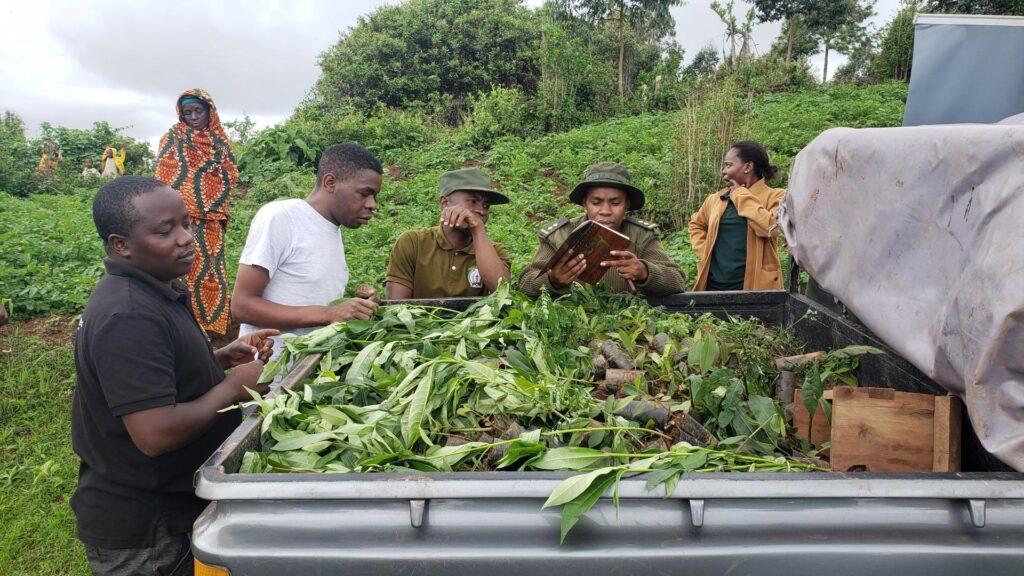
Fortunately, several conservation efforts are underway to address these threats. The Tanzania Forest Services, in collaboration with local communities and conservation organizations, is actively involved in protecting and restoring the forest. Patrols and forest monitoring are conducted regularly to prevent illegal activities. Reforestation programs focus on planting indigenous trees to restore degraded areas, with community participation ensuring local ownership of the initiatives. Educational campaigns in nearby schools aim to raise awareness about the importance of the forest and promote sustainable land use practices. NGOs working in the region are supporting long-term projects that combine environmental restoration with livelihood support, helping to reduce the dependence of local populations on forest resources. These integrated efforts are beginning to show positive results, with some degraded zones showing signs of natural recovery.
Activities and Attractions for Visitors
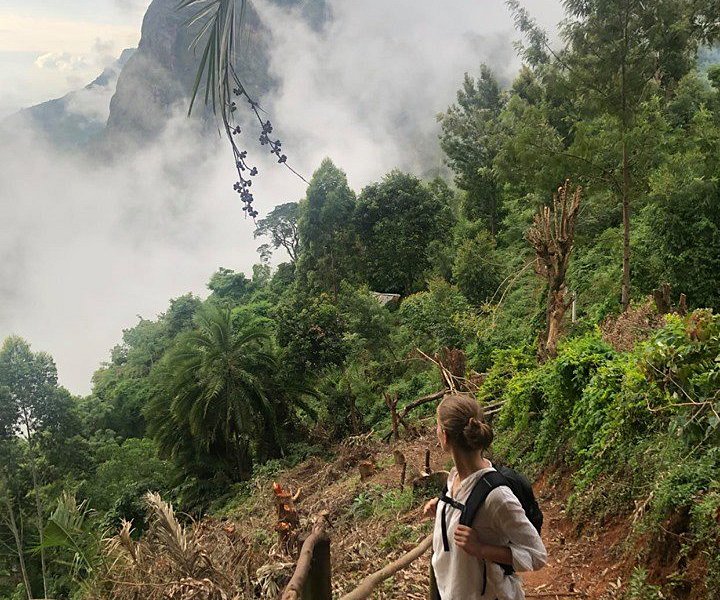
Magamba Forest is not only important for conservation but also offers a range of experiences for visitors. Birdwatching remains the highlight for most travelers, with guided tours led by local experts who are familiar with the birds and their habitats. Hiking is another popular activity, with several trails leading through the forest to scenic viewpoints, waterfalls, and historical sites. One notable hike leads to Kiguluhakwea Peak, which offers panoramic views of the Usambara escarpment and surrounding valleys. The forest is also home to the old German colonial caves, dug during the First World War as supply shelters, and now a point of historical interest. Rock formations like Irente-Kambe and Jiwe la Mungu (translated as “Stone of God”) are popular with rock climbers and offer insight into local cultural traditions. For those seeking a more relaxed experience, Grewal Dam provides a peaceful setting for canoeing or fishing, while the forest edge is ideal for photography and nature walks.
Getting There and Accommodation

Magamba Forest can be accessed via the town of Lushoto, which is well-connected by road to major Tanzanian cities. The journey from Dar es Salaam takes approximately six to seven hours by car, while the drive from Kilimanjaro International Airport takes about five hours. Public transport options such as buses and shared taxis are also available. Accommodation is plentiful in Lushoto, ranging from basic guesthouses to comfortable eco-lodges. Camping within the forest reserve is possible with prior permission from local authorities. Guided tours, including transportation and meals, can be arranged locally or through responsible tour operators.
Exploring Magamba with Jambo International Tour

For travelers interested in a well-organized and immersive experience, Jambo International Tour offers guided trips that include Magamba Forest in broader Tanzania itineraries. Their team specializes in eco-tourism, ensuring that each tour supports conservation efforts and respects local communities. With knowledgeable guides and personalized itineraries, visitors can explore Magamba’s trails, observe rare bird species, and learn about ongoing environmental initiatives in a meaningful way. Jambo International Tour also emphasizes sustainability, ensuring that the natural and cultural heritage of destinations like Magamba is preserved for future generations.
Conclusion
Magamba Nature Forest Reserve is a rare and precious ecosystem that holds immense ecological, cultural, and scientific value. Its towering trees, rich birdlife, and serene trails offer an unforgettable experience for those seeking nature at its most authentic. At the same time, the forest stands as a symbol of both the fragility of natural environments and the hope that dedicated conservation can bring. By visiting Magamba and supporting local conservation efforts, travelers play an active role in preserving one of Africa’s most unique natural treasures
