Tanzania is a country of immense cultural diversity, boasting over 120 distinct ethnic groups and tribes. While each group possesses its own unique traditions, customs, and dialects, a shared national identity has largely prevailed, preventing the widespread ethnic conflicts seen in some other African nations. This unity is often attributed to the unifying influence of the Swahili language and the national philosophy of “Ujamaa” (familyhood) promoted by its first president, Julius Nyerere.
Here’s a look at some of the major tribes and how they contribute to understanding Tanzania:
1.Understanding Tanzania: The Sukuma

- Demographics: The Sukuma are the largest ethnic group in Tanzania, comprising approximately 16% of the total population. They primarily reside in the northwestern regions, particularly around Lake Victoria in Mwanza and Shinyanga.
- Cultural Influence: Traditionally agriculturalists and cattle keepers, the Sukuma’s economy and culture are deeply rooted in these practices. Their cattle are not only an economic asset but also a symbol of wealth and social status. They are known for their vibrant traditional dances and music, which are integral to their celebrations and community gatherings.
2. The Nyamwezi:

- Demographics: The Nyamwezi are the second-largest tribe, inhabiting the west-central regions of Tanzania.
- Cultural Influence: Historically renowned as traders and caravan leaders, the Nyamwezi played a crucial role in connecting trade networks across the African continent, facilitating the movement of goods, ideas, and cultural practices. Their social organization emphasizes community and extended family networks. Traditional dances and music are important cultural expressions for them.
3. The Chagga:

- Demographics: The Chagga are the third-largest ethnic group, residing on the fertile southern slopes of Mount Kilimanjaro and Mount Meru.
- Cultural Influence: The Chagga are known for their industriousness and advanced agricultural techniques, including sophisticated irrigation systems. Coffee and bananas are major cash crops. They have historically been among the wealthiest and most educated tribes, and their cultural practices, including elaborate ceremonies, reflect a deep connection to their heritage.
4. The Maasai:
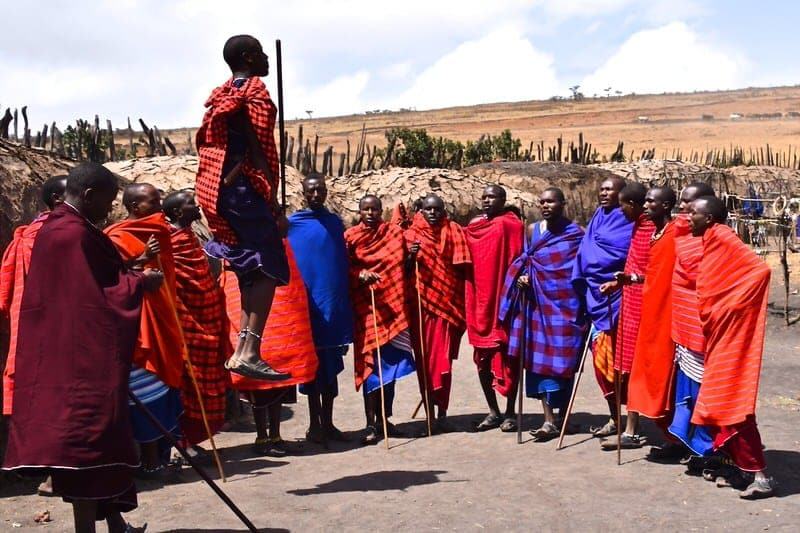
- Demographics: The Maasai are perhaps the most internationally recognized tribe, with a significant population in northern and central Tanzania, as well as southern Kenya.
- Cultural Influence: The Maasai are synonymous with the image of East Africa due to their distinctive red robes (shukas), intricate beadwork, and semi-nomadic pastoralist lifestyle. Their culture is centered around livestock, particularly cattle, which symbolize wealth and identity. They have fiercely preserved their traditions despite modernization pressures, and their warrior initiation ceremonies (like ‘Eunoto’) are significant cultural events.
5. The Hadzabe (Hadza):

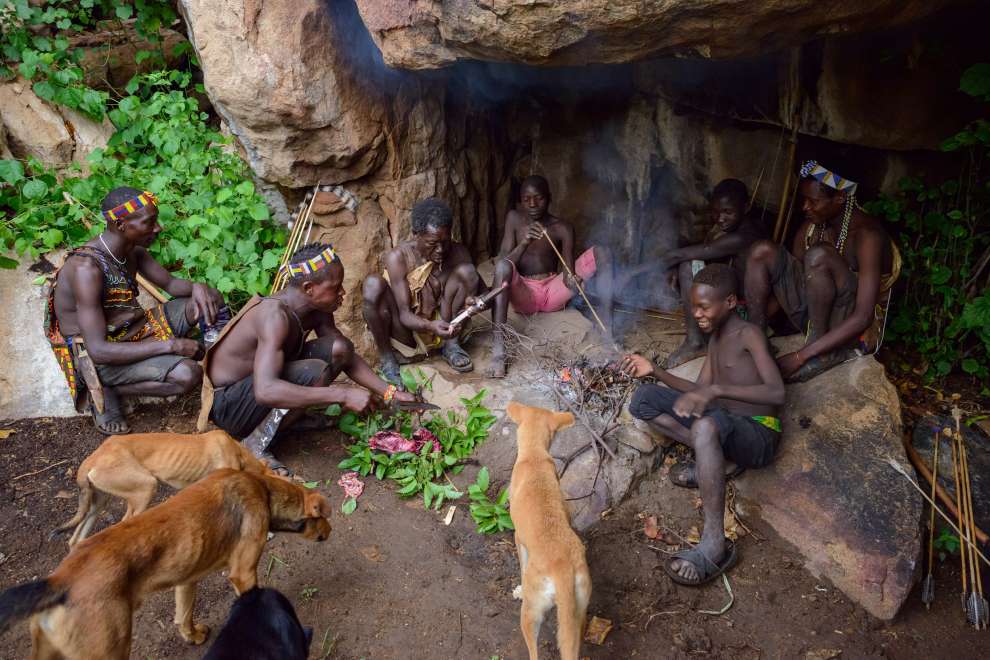
- Demographics: The Hadzabe are one of the last remaining hunter-gatherer communities in Africa, with a smaller population residing around Lake Eyasi in northern Tanzania.
- Cultural Influence: The Hadzabe offer a glimpse into an ancient way of life, relying entirely on hunting and foraging. Their unique language, characterized by clicking sounds, is unrelated to other regional languages. They have a rich oral tradition and unique spiritual practices connected to nature.
Other Notable Tribes:
- Makonde: Originating from Mozambique, the Makonde are known for their exquisite ebony woodcarving abilities and intricate artwork.
- Hehe: Residing in the Iringa Region, the Hehe are celebrated for their resilience and warrior traditions, notably their resistance against German colonial forces.
- Haya: Found near Lake Victoria, the Haya are known for their rich cultural heritage, advanced agricultural techniques (especially banana cultivation), and skilled iron smelting.
- Gogo: Primarily pastoralists and farmers in the central Dodoma Region.
- Iraqw: Living in the volcanic highlands of North Tanzania, they have a strong background in farming and agriculture.
Key Aspects of Tribal Influence on Tanzanian Culture:
- Language: While over 120 local languages are spoken, Swahili serves as the national lingua franca, bridging communication gaps and fostering unity.
- Traditional Practices: Each tribe contributes unique traditions, from dances and music to ceremonies and rituals marking life events and seasons. These practices often reflect their livelihoods (e.g., agricultural, pastoralist, hunter-gatherer).
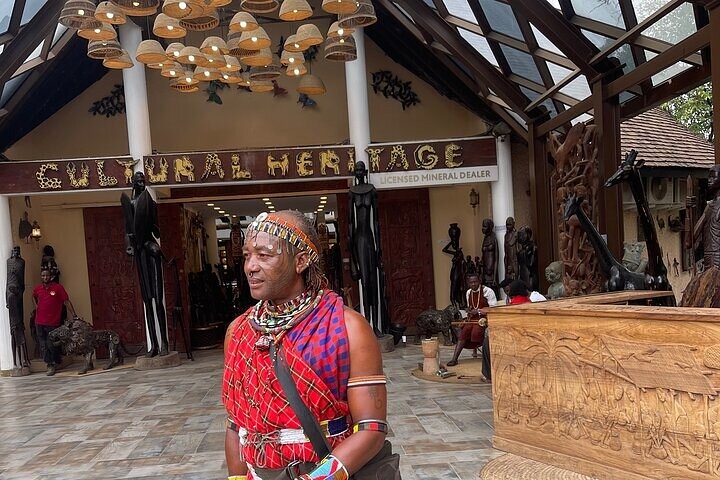
- Art and Craftsmanship: Many tribes are known for their distinct artistic expressions, such as Makonde carvings, Maasai beadwork, and Haya pottery and ironwork.
- Social Structures: Clan and extended family structures are common across many tribes, influencing social organization and community cohesion.
- National Identity: Despite their diversity, a strong sense of national identity has been fostered through a shared language (Swahili) and the philosophy of Ujamaa, which emphasizes mutual assistance and cooperation, drawing on the traditional extended family and clan structures.
Understanding Tanzania through its tribes reveals a vibrant tapestry of human cultures, demonstrating how diverse communities can coexist peacefully while retaining their unique heritage.
