
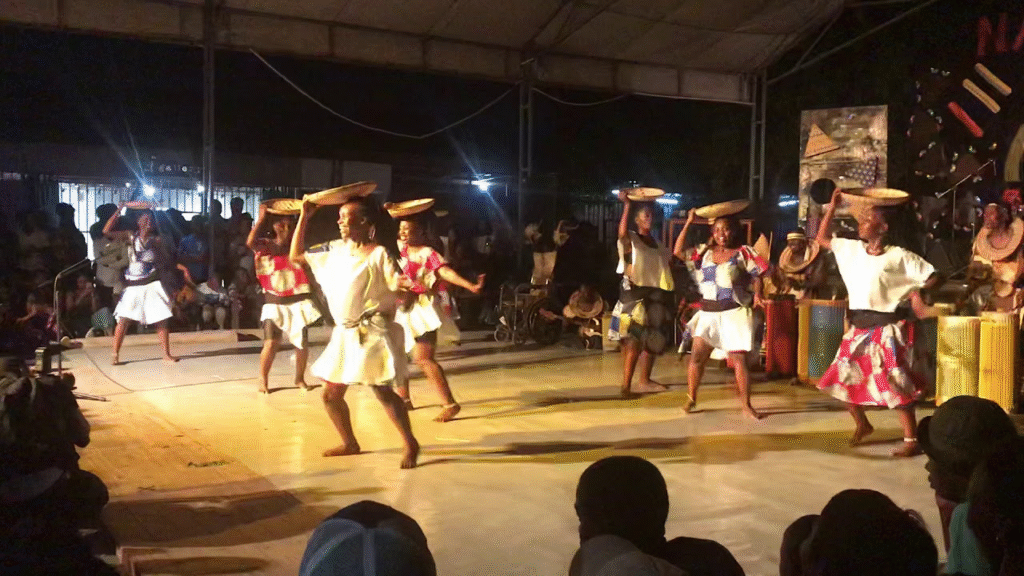

Tanzania is one of Africa’s most culturally vibrant nations. With over 120 ethnic groups, each with its own traditions, languages, and art forms, the country is a living museum of music and dance. Traditional Tanzanian music and dance are not simply forms of entertainment—they are deeply woven into the fabric of daily life, playing important roles in rituals, celebrations, and storytelling.
This article explores some of the most essential and fascinating traditional music and dance styles found across Tanzania. Whether you’re a cultural enthusiast, a traveler, or a music lover, these sounds and movements offer a rich experience of Tanzania’s diverse heritage.
Traditional Tanzanian Music & Dance Ngoma – The Heartbeat of Tanzanian Culture
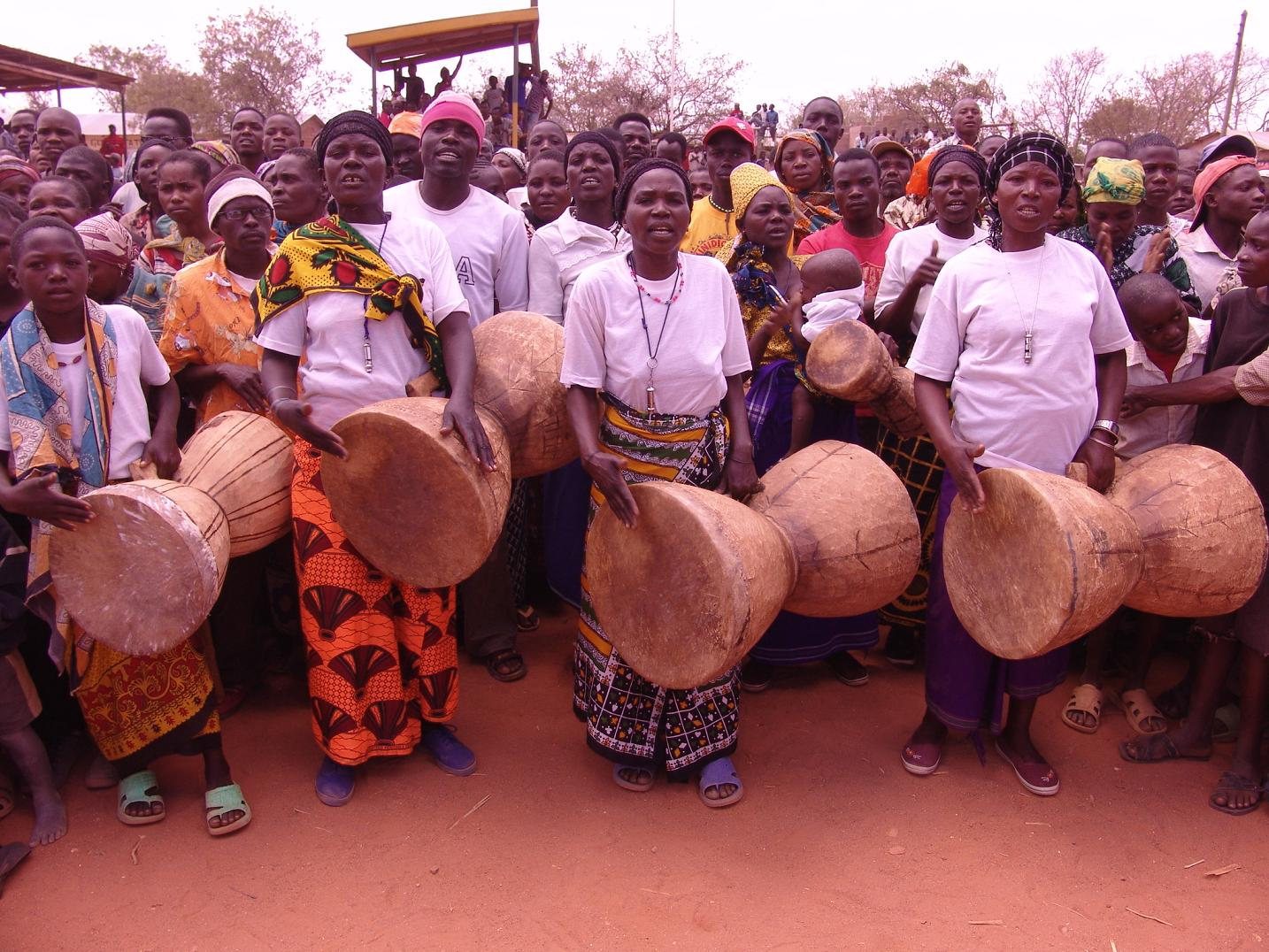
Ngoma is both the name for “drum” in Swahili and a term encompassing a wide variety of traditional music and dance practices found throughout Tanzania. Nearly every ethnic group in the country has its own form of ngoma, with distinct drum rhythms, dance movements, and cultural meanings.
Ngoma is more than performance—it’s a tool for communication and connection. Drums signal announcements, celebrate milestones like births and marriages, and guide dancers during spiritual or ritual practices. Dancers often wear traditional costumes, beads, and body paint, and their movements frequently mirror daily life activities or historical tales.
Instruments used in ngoma include hand-carved wooden drums, rattles, ankle bells, and whistles. Performances are usually interactive and communal, with spectators encouraged to join in through clapping, call-and-response singing, or dancing.
Taarab – The Soul of the Swahili Coast
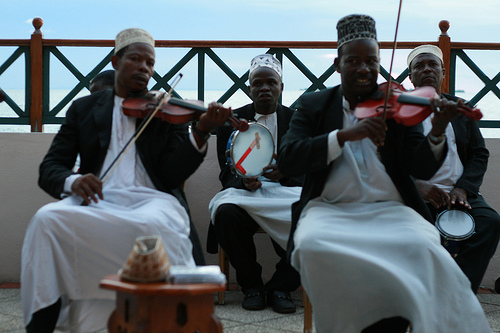
Taarab is a melodic and poetic musical style originating from Zanzibar and the Swahili coast. This genre reflects a unique blend of African, Arab, Indian, and Persian influences, a result of centuries of cultural interaction through Indian Ocean trade.
Performed in Swahili, taarab songs are known for their rich metaphors and lyrical sophistication. Themes often revolve around love, betrayal, morality, and society. The music is typically performed by a large ensemble, using instruments such as the oud (a Middle Eastern lute), qanun (a type of zither), violins, hand drums, and accordions.
Taarab dancing is graceful and expressive, often performed at weddings and community gatherings. The movements are slower than other traditional dances, with performers focusing on hand gestures and subtle hip motions that complement the emotional depth of the music.
Sikinde – Tradition in a Modern Sound
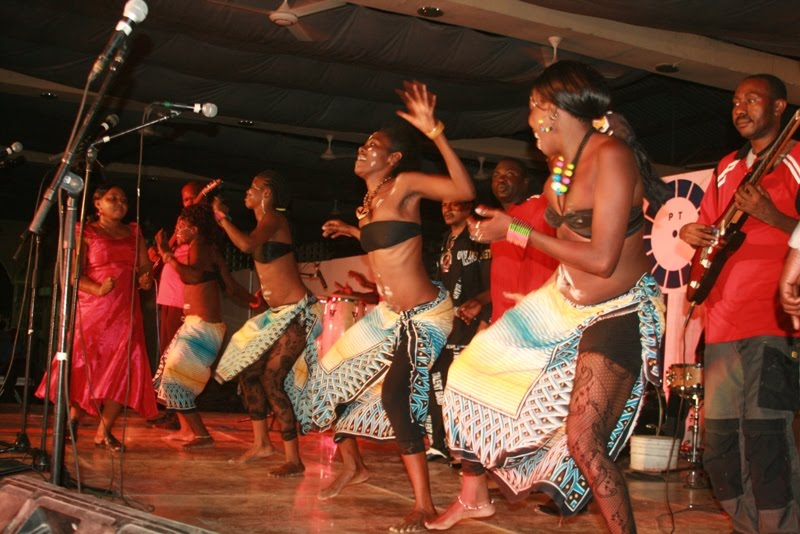
Sikinde is a dance music style that developed in urban Tanzania, particularly during the 1970s and 1980s. It emerged from the Tanzanian rumba tradition, which itself evolved from Congolese rumba. While modern in its musical structure, Sikinde incorporates traditional Tanzanian rhythms and vocal styles, creating a compelling blend of old and new.
Bands such as Msondo Ngoma played a major role in popularizing the genre. The music features electric guitars, brass instruments, bass lines, and intricate percussion. Lyrics are often reflective of social issues, love, unity, and Tanzanian identity.
Sikinde is upbeat and designed for dancing, often drawing large crowds at urban concerts, parties, and festivals. It represents a modern Tanzanian sound while maintaining its cultural roots.
Gogo Music and Dance – Central Rhythms of Dodoma
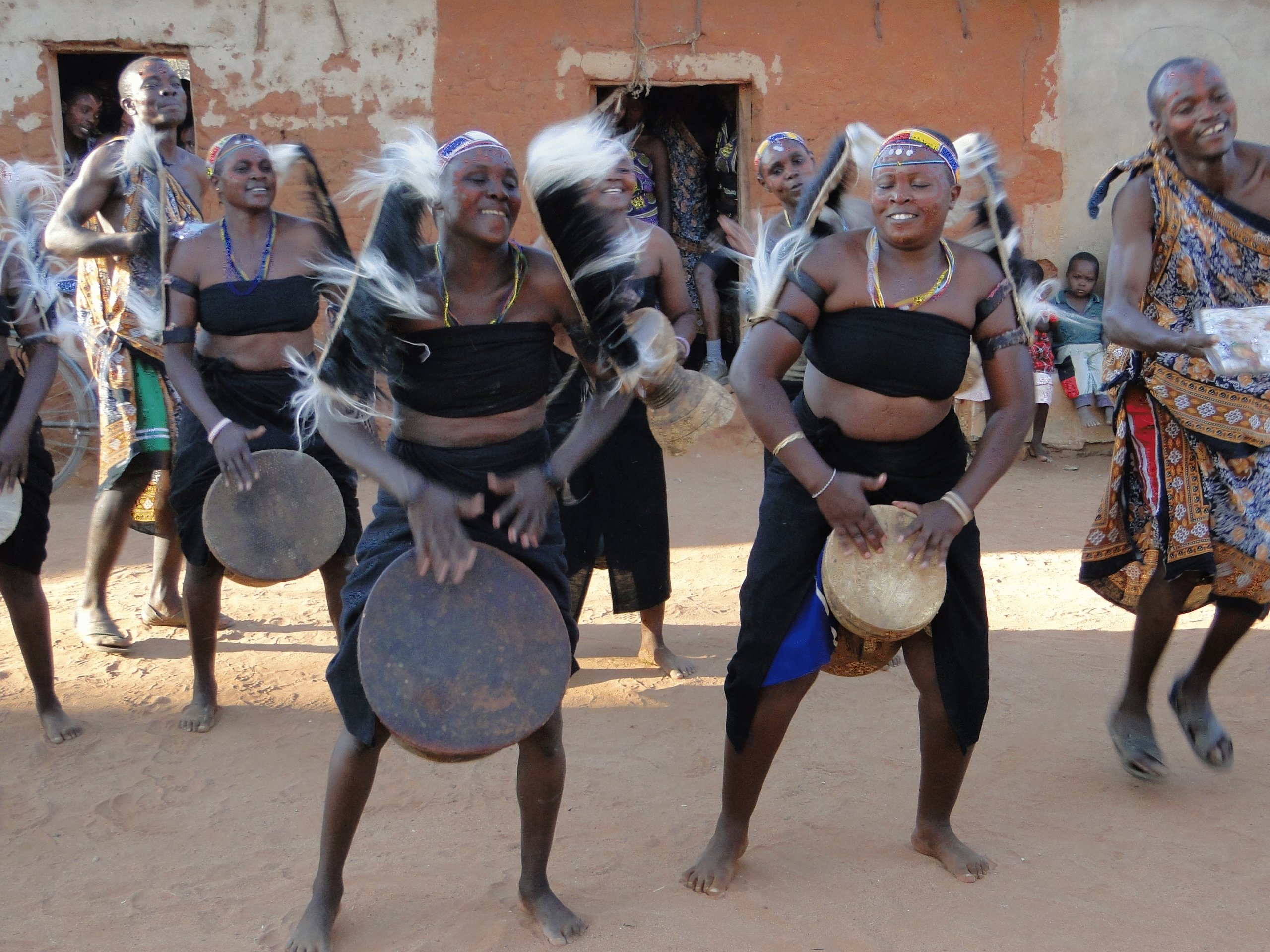
The Gogo people of central Tanzania are renowned for their distinctive musical traditions, which emphasize vocal harmony and spiritual depth. Gogo music is often performed a cappella or accompanied by hand clapping, whistles, and the ilimba (a thumb piano similar to the mbira).
Dances in Gogo culture are community-oriented and frequently performed in circular formations. The movements can be simple or highly symbolic, depending on the context—ranging from celebrations of birth and marriage to sacred rituals like rainmaking or healing.
Gogo music is closely tied to storytelling and oral tradition. Each performance carries with it lessons about morality, identity, and social values.
Makonde Drumming and Mask Dances
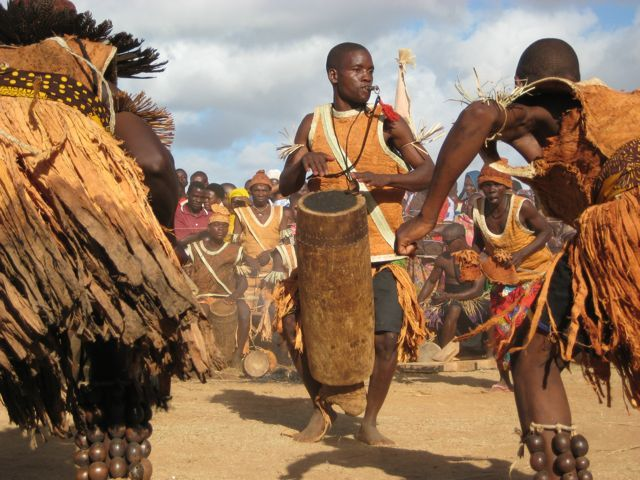
The Makonde people of southeastern Tanzania are well known for their dramatic and artistic performances that combine music, dance, and sculpture. Makonde mask dances are especially unique and visually striking. Dancers wear elaborate, hand-carved wooden masks that often depict spirits or ancestors.
These performances are deeply spiritual. Drumming sets the tone and rhythm, while dancers use acrobatic, rhythmic movements to embody various characters or metaphysical beings. The dance is often performed during important life events such as initiation ceremonies or funerals, and it plays a role in passing cultural knowledge from one generation to the next.
Makonde drumming is fast-paced and layered, involving multiple drummers working in complex polyrhythms to energize the performance.
Chaga Music – Harmony on the Slopes of Kilimanjaro

The Chaga people live on the fertile slopes of Mount Kilimanjaro and have developed musical styles rich in melody and harmony. Traditional Chaga music often involves polyphonic singing, where multiple vocal parts are sung simultaneously to create layered, harmonious textures.
Instruments used in Chaga music include bamboo flutes, locally crafted drums, and wooden xylophones. Dances are more subtle and synchronized than theatrical, focusing on group participation and unity rather than solo performance. They often mark agricultural events, weddings, or communal celebrations.
The musical structure is precise, and the lyrics often address cultural values, historical narratives, and community pride.
Zaramo and Swahili Coast Rhythms
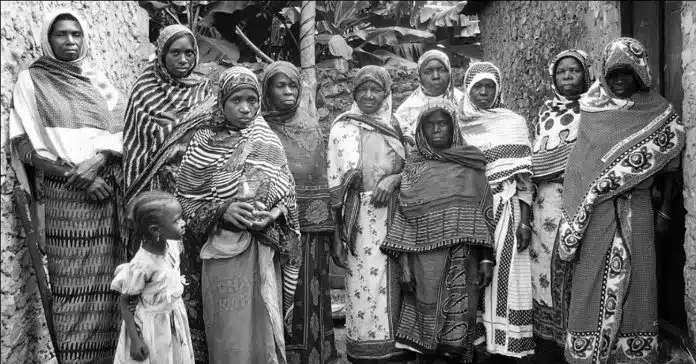
The Zaramo people, found along Tanzania’s coastal regions, have a musical tradition that reflects the cultural blend of inland and coastal influences. Their dances are energetic and performed in groups, often as part of wedding ceremonies or community gatherings.
Zaramo music uses a mix of drums, fiddles, and flutes, along with call-and-response vocals. The rhythm is typically upbeat, and the dances are known for their lively footwork and expressive hip movements.
Many Zaramo performances also incorporate elements from Islamic culture, reflecting the strong historical ties between Swahili coastal peoples and Arab traders. Their dances emphasize social connection and celebration.
Conclusion
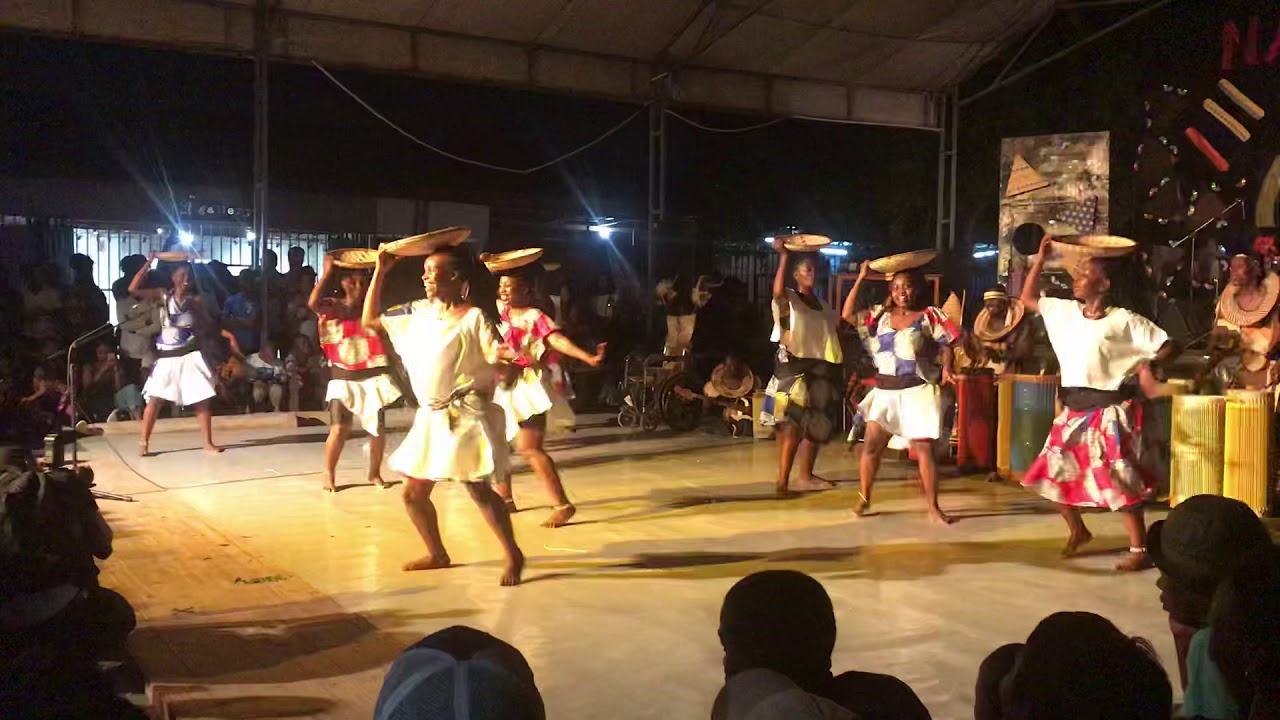
Traditional Tanzanian music and dance offer more than entertainment—they are expressions of identity, heritage, and community. From the poetic storytelling of taarab to the ritual power of ngoma, and the communal joy of Gogo and Chaga dances, these art forms keep Tanzania’s history alive and vibrant.
For visitors, engaging with these traditions is a powerful way to connect with Tanzania’s spirit. For Tanzanians, it’s a way of keeping culture thriving from one generation to the next.
