

Traditional Storytelling and Safari Education: Engaging Cultural Tours In an age dominated by digital experiences and fast-paced travel, there’s something profoundly grounding about stepping into the world of traditional storytelling and immersive safari education. More than just sightseeing, cultural tours that weave these two elements together offer a unique, enriching encounter with history, nature, and identity.
The Power of Traditional Storytelling
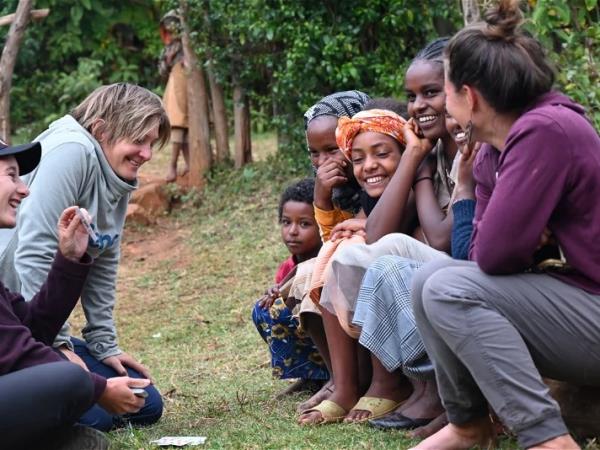
Storytelling is one of the oldest forms of education. Across Africa and many other regions of the world, it has been used for centuries to pass down history, morals, survival skills, and cultural wisdom. Elders gather around fires to recount tales of ancestral heroes, the origins of the land, and the spirits that watch over it. These stories are not just entertainment—they’re a living archive of a people’s heritage.
When travelers participate in cultural tours that feature traditional storytelling, they are not just listening to a narrative—they are stepping into a worldview. The cadence of the storyteller’s voice, the symbolism in the tales, and the interactive nature of the experience foster a deep connection between visitor and host.
Traditional Storytelling and Safari Education: Engaging Cultural Tours Safari as an Educational Journey
While safaris are often associated with thrilling wildlife encounters, they are also opportunities for ecological education. Expert guides on safari tours don’t just point out animals—they explain the delicate balance of ecosystems, the behaviors of wildlife, and the environmental challenges affecting the region.
When integrated with cultural elements, safari education takes on a holistic form. Travelers begin to understand not just what they see, but why it matters—how local communities coexist with nature, how conservation is a cultural value, and how stories passed down for generations influence sustainable practices.
Bridging Nature and Culture
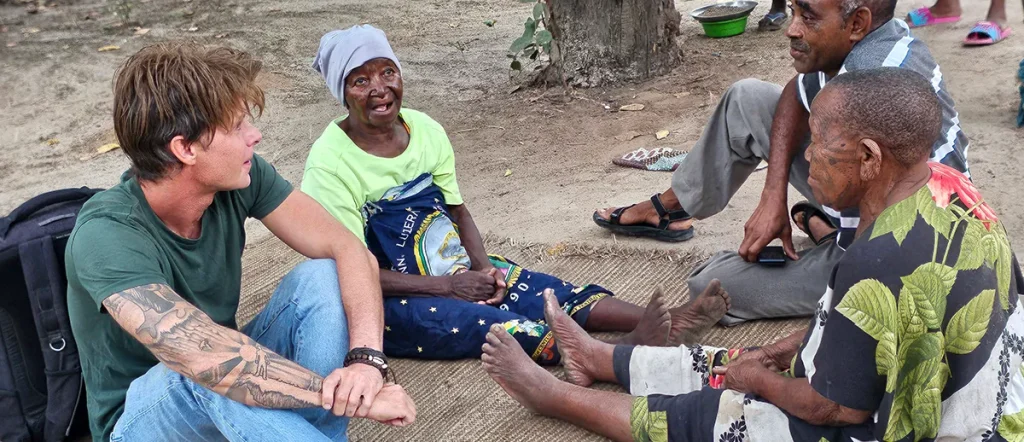
Tours that blend storytelling with safari education create a powerful bridge between nature and culture. Imagine tracking elephants with a local guide who not only explains their migratory patterns but also tells the tribal myths that portray elephants as sacred guardians. Or sitting beneath an acacia tree, learning how the patterns of the stars influence seasonal movements and traditional ceremonies.
These experiences do more than just inform—they inspire. Visitors leave with a deeper appreciation for the interconnectedness of life, an understanding that the landscapes they admire are shaped not only by nature but by generations of human experience.
Popular Cultural Tour Destinations and Experiences in Tanzania:
- Maasai Villages: The Maasai are one of Tanzania’s most iconic tribes, known for their distinctive attire, beadwork, and pastoralist lifestyle. Visits often include experiencing their singing and dancing, exploring bomas, and learning about their cattle-centric culture.
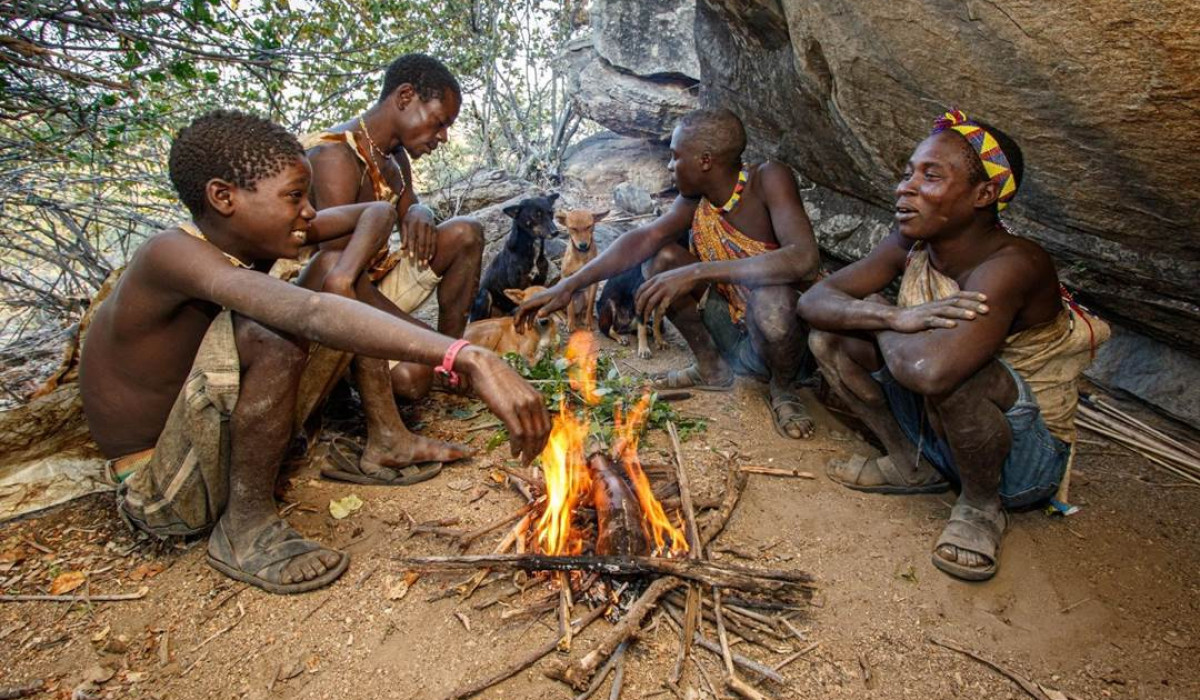
- Hadzabe and Datoga Tribes (Lake Eyasi): The Hadzabe are among the last hunter-gatherer tribes in East Africa. Visitors can join them on hunting expeditions with bows and arrows, learn about their click language, and witness their nomadic lifestyle. The Datoga are skilled blacksmiths who often trade with the Hadzabe.
- Mto wa Mbu Village: Located near Lake Manyara National Park, this village is a melting pot of over 120 tribes. Cultural activities here include guided village walks, visiting banana plantations, seeing traditional banana beer production, and exploring local markets.
- Chagga Tribe (Kilimanjaro Region): Tours can include visits to coffee and banana farms, learning about the Chagga people’s agricultural practices, exploring historical sites like the Chagga tunnels, and enjoying local brews.
- Olduvai Gorge: While primarily an archaeological site, a visit here provides crucial historical context for human origins, which can be linked to the storytelling of ancient human history in the region.
- Tengeru Cultural Program (near Arusha): Offers opportunities to learn about coffee farming, participate in pottery lessons, and enjoy canoeing, connecting visitors with local community life.
- Other Tribes and Regions: Cultural tours extend to other tribes like the Waarusha, Wameru, Pare, and Sukuma, each offering unique insights into their traditions, daily life, and crafts. Coastal areas like Zanzibar also offer rich cultural and historical tours, including visits to Stone Town.
Why Choose a Cultural Safari Tour?

- Authentic Connection – Engage with local communities in a way that respects and celebrates their traditions.
- Educational Impact – Learn through both scientific and cultural lenses, making your travel experience meaningful and memorable.
- Support Sustainable Tourism – Many cultural tours are community-led, ensuring that tourism benefits local people and preserves their way of life.
- Personal Growth – Encountering new perspectives challenges assumptions and fosters empathy, something that conventional travel often misses.
Final Thoughts
Cultural tours that incorporate traditional storytelling and safari education offer more than just a journey—they offer transformation. They awaken curiosity, foster respect for indigenous knowledge, and remind us that every landscape holds countless stories waiting to be told.
Whether you’re planning your first safari or seeking a deeper travel experience, consider stepping off the beaten path and into the living stories of the land.
