


What About the Tourism Sector in Tanzania? Tanzania is one of Africa’s most breathtaking destinations. With its stunning wildlife, iconic landscapes, and rich cultural diversity, the country has emerged as a top tourism hotspot. But many still ask: What about the tourism sector in Tanzania? The answer is that tourism is more than just a travel experience — it’s a crucial part of Tanzania’s economy, culture, and development.
This article explores how tourism shapes the country, the main attractions that draw millions each year, the emerging cultural experiences, and the challenges and opportunities the sector faces. Whether you’re a traveler, blogger, student, or investor, understanding Tanzania’s tourism sector reveals just how valuable it truly is.
Tourism: A Backbone of Tanzania’s Economy

Tourism plays a central role in Tanzania’s economy. It is one of the country’s largest income earners, contributing around 17% to the Gross Domestic Product (GDP). This economic influence stretches far beyond tour companies and hotels. It fuels growth in transport, agriculture, construction, arts, and many other industries that support tourism activities.
Over 1.5 million Tanzanians rely on tourism for employment, directly or indirectly. These include safari guides, hotel staff, restaurant workers, souvenir makers, farmers supplying fresh produce, and even community leaders involved in local tourism projects. When a tourist books a safari or buys handcrafted art, that money ripples through the economy and supports families, small businesses, and national development.
The sector is also the leading foreign exchange earner for the country. This means tourism brings in valuable international currency, which supports public infrastructure, healthcare, education, and conservation projects. Simply put, every visitor coming to Tanzania has a powerful economic impact.
Natural Beauty That Draws the World

Tanzania’s landscape is rich and varied, making it one of the most attractive destinations on the continent. The country’s natural wonders are a major draw for international tourists. From endless savannahs to snow-capped mountains and turquoise beaches, Tanzania offers experiences that are both unique and unforgettable.
The Serengeti is perhaps the most iconic national park in Africa. Its vast plains host the world-renowned Great Migration, where millions of wildebeest and zebra travel in search of greener pastures. This event is considered one of the greatest wildlife spectacles on Earth, attracting photographers, filmmakers, and adventure seekers from around the globe.
Mount Kilimanjaro, the tallest mountain in Africa, offers another dimension to tourism. Thousands of climbers from all over the world come to Tanzania every year to challenge themselves on its majestic slopes. Reaching its snow-covered summit is a lifelong dream for many, and the journey up the mountain creates jobs for local guides, porters, and service providers.
Ngorongoro Crater, another world-class destination, is a natural marvel formed by a collapsed volcano. Its fertile basin is home to a dense population of wildlife, including endangered black rhinos, lions, and elephants. Visitors are mesmerized by its scenic beauty and the close encounters with animals within a confined, protected ecosystem.
Tanzania’s coastal regions and islands add even more variety. Zanzibar, with its white-sand beaches and Swahili heritage, combines relaxation with cultural exploration. Tourists enjoy spice tours, dhow cruises, and walking tours through the narrow alleys of Stone Town — a UNESCO World Heritage Site rich in history.
Cultural and Community-Based Tourism

While Tanzania is well known for wildlife, its cultural wealth is just as compelling. The country is home to over 120 ethnic groups, each with its own language, traditions, dress, and music. This diversity gives visitors a rare chance to explore different cultures within one nation.
Cultural tourism in Tanzania is growing rapidly as travelers seek more meaningful and authentic experiences. Many choose to visit Maasai villages to learn about their pastoral way of life, traditional architecture, and strong warrior customs. Others explore Hadzabe bushmen communities to witness ancient hunter-gatherer techniques passed down for generations.
Community-based tourism also allows visitors to participate in daily life. Guests can take part in traditional cooking lessons, try their hand at pottery or basket weaving, join village celebrations, or attend local dance and music performances. These interactions not only enrich the visitor’s experience but also provide direct income to local families and preserve cultural heritage.
By embracing cultural tourism, Tanzania promotes understanding between visitors and locals, empowers rural communities, and ensures that tourism benefits reach people beyond the main travel hubs.
Government and Private Sector Support
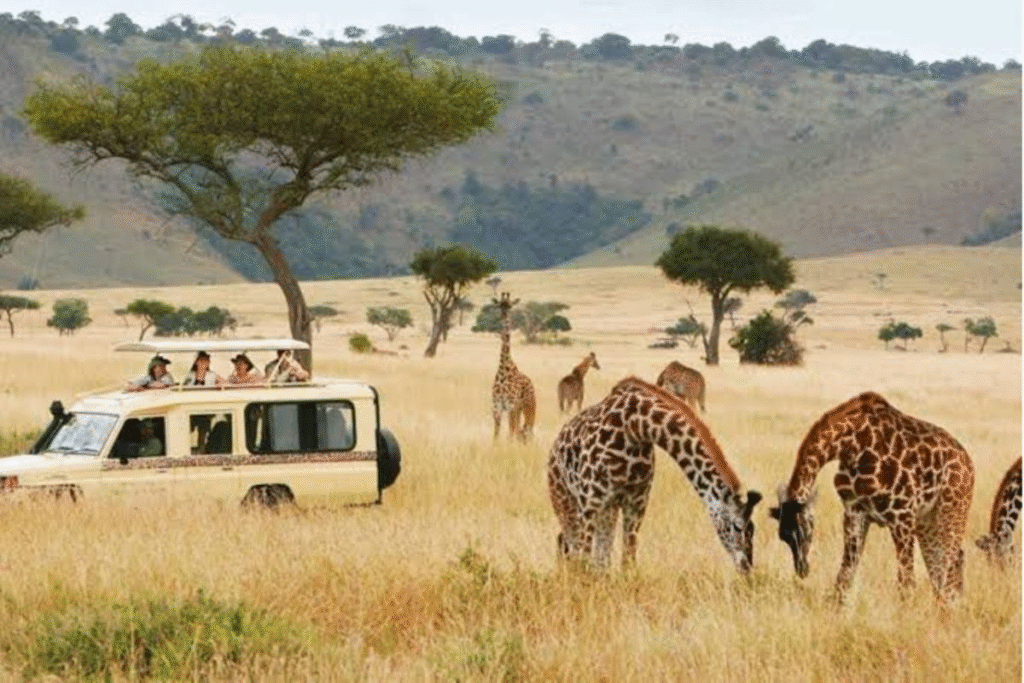
The growth and success of tourism in Tanzania is strongly supported by both the government and the private sector. The Tanzanian government recognizes tourism as a national priority and has invested heavily in its development. Infrastructure improvements such as better roads, expanded airports, and increased electricity access in tourist areas have significantly improved travel comfort and safety.
To make entry into the country easier, Tanzania has introduced digital visa systems and online platforms for travel information. This modern approach allows international visitors to plan their trips more efficiently and encourages more tourists to choose Tanzania as their destination.
The government also actively promotes Tanzania at international travel expos, trade shows, and through global campaigns that showcase the country’s wildlife, landscapes, and cultural experiences. At the same time, the private sector — including tour operators, hoteliers, airlines, and local entrepreneurs — continues to innovate by offering high-quality services, customized tours, and sustainable tourism options.
Public-private partnerships are also helping fund conservation, education, and rural tourism programs that enhance the overall travel experience while contributing to the country’s long-term development.
Challenges Facing the Tourism Sector

Despite its potential and progress, Tanzania’s tourism sector faces challenges that must be addressed for it to remain strong and sustainable. One of the major issues is seasonality. Tourist numbers peak during the dry season, particularly from June to October, while the rainy season sees a significant drop in visitors. This uneven flow of tourists creates economic instability for businesses and workers.
Environmental concerns are also becoming more prominent. Over-tourism in popular parks can lead to pollution, habitat degradation, and disturbance of wildlife. Without careful management, the very ecosystems that attract visitors can be damaged by too much human presence.
Infrastructure gaps still exist, especially in remote regions. Some areas lack reliable roads, clean water, electricity, or medical services, which can reduce the quality of the visitor experience and limit the growth of tourism in those regions.
Lastly, global challenges such as pandemics, climate change, inflation, and political instability in other parts of the world can reduce international travel and impact Tanzania’s tourism numbers. The COVID-19 pandemic, for example, caused a massive decline in tourist arrivals and revenue, highlighting the need for resilience and flexibility within the industry.
Emerging Trends Shaping the Future
The tourism industry in Tanzania is adapting to global changes and embracing new trends that are reshaping travel behavior. Today’s travelers are more conscious of their environmental impact and are looking for experiences that are authentic, sustainable, and culturally meaningful.
Eco-tourism is gaining ground in Tanzania. More lodges are using solar power, avoiding single-use plastics, and supporting conservation initiatives. Nature-based travel is no longer just about seeing animals — it’s about traveling responsibly and protecting the ecosystems that support life.
Another trend is the rise of wellness and spiritual tourism. Tourists are choosing to unwind in nature, attend yoga retreats, and participate in mindfulness practices surrounded by Tanzania’s peaceful landscapes. Mount Kilimanjaro, the Indian Ocean coast, and the quiet beauty of the Southern Circuit offer ideal settings for this type of experience.
There is also a growing interest in voluntourism and educational travel. Some visitors come to teach, research, or work with conservation organizations. This provides travelers with a sense of purpose and helps build lasting relationships between guests and local communities.
These emerging trends offer Tanzania the chance to diversify its tourism products, reduce pressure on over-visited areas, and ensure that tourism brings lasting value to both visitors and locals.
Final Thoughts: What About the Tourism Sector in Tanzania?
So, what about the tourism sector in Tanzania? It’s not just thriving — it’s evolving, empowering, and inspiring. Tourism is a cornerstone of Tanzania’s economy, a source of pride for its people, and a symbol of the country’s unique beauty and resilience.
With continued investment in sustainability, cultural preservation, and infrastructure, Tanzania is well-positioned to lead Africa’s tourism growth in the years ahead. Its landscapes captivate the eye, its cultures warm the heart, and its tourism story is one of opportunity, partnership, and promise.
Whether you’re an explorer looking for your next great adventure or a professional seeking to understand African tourism markets, Tanzania offers more than just a destination — it offers a journey of discovery, connection, and purpose.
