
Best Things to Do in Tanzania 2025–2026: Latest Updates to Safari Adventures Tanzania remains one of Africa’s most captivating destinations, where untamed wilderness meets ancient culture, and unforgettable adventure blends with warm East African hospitality. As the tourism landscape evolves, the 2025–2026 safari season in Tanzania promises an even richer experience—fueled by new conservation efforts, improved infrastructure, exclusive lodges, and immersive cultural encounters. Whether you’re a first-time explorer or a seasoned traveler, this is the perfect time to rediscover the magic of Tanzania.
Witness the Iconic Great Migration in the Serengeti

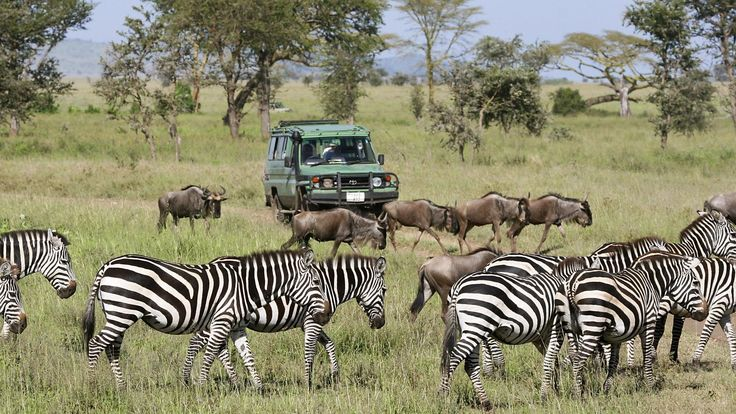
At the heart of Tanzania’s safari magic lies the Great Wildebeest Migration, an awe-inspiring natural phenomenon that continues to define the African safari experience. Every year, over two million wildebeest, zebras, and gazelles move in a clockwise pattern across the Serengeti ecosystem in search of fresh grazing.
In 2025 and 2026, travelers can expect the migration to peak in the western and northern Serengeti during the dry season—from June through October. These months offer a front-row seat to dramatic river crossings at the Mara and Grumeti Rivers, where herds risk everything to escape predators lurking in the waters. The experience is raw, emotional, and unforgettable.
With upgraded viewing points, eco-conscious lodges, and professional guides, safaris during the migration season now offer more sustainable, intimate, and educational experiences. No longer just about spotting wildlife, these safaris delve into ecology, animal behavior, and the delicate balance of life on the savannah.
Best Things to Do in Tanzania 2025–2026: Latest Updates to Safari Adventures Explore Beyond the Jeep: Walking, Ballooning, and Night Safaris
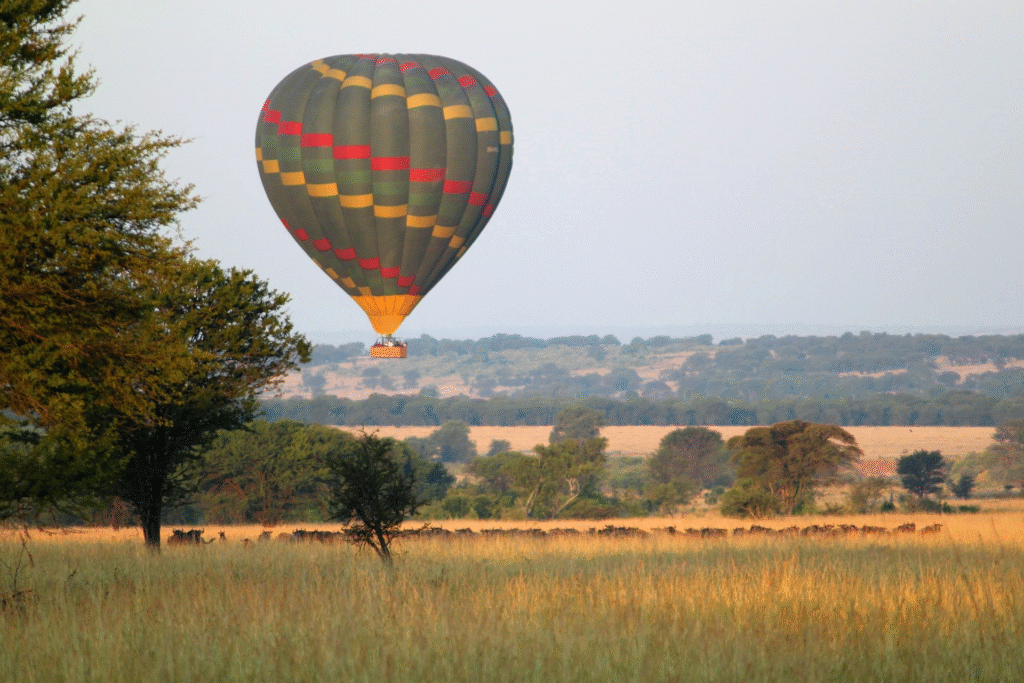
Tanzania’s safari offerings in 2025–2026 are more diverse than ever, inviting travelers to experience the bush in new and exhilarating ways. While traditional game drives remain the backbone of any safari, alternative options are gaining popularity for those seeking a deeper connection to nature.
Hot air balloon safaris offer breathtaking aerial views over the Serengeti or Tarangire at sunrise. Floating silently above herds of elephants and giraffes as the sun peeks over the horizon is a spiritual moment—often described as the highlight of an African trip. After landing, guests are treated to a champagne breakfast in the wild, combining elegance with adventure.
Walking safaris, now offered in select parks like Ruaha and Nyerere (formerly Selous), bring travelers face-to-face with the finer details of the ecosystem. Led by expert rangers, these experiences teach you how to read animal tracks, understand bird calls, and appreciate medicinal plants. It’s a slower, more contemplative way to explore.
For something truly unique, night game drives reveal a hidden side of the African wilderness. Under a canopy of stars, predators like leopards and hyenas begin their nightly hunt, while nocturnal creatures such as bush babies and genets come alive. It’s a magical, mysterious world very few get to see.
Stay in Sustainable Safari Lodges & Private Conservancies

The safari industry in Tanzania is increasingly focused on sustainable tourism, and this shift is defining how travelers experience the country in 2025 and 2026. Lodges and camps now prioritize solar energy, local sourcing, and minimal environmental impact, all while offering top-tier comfort and luxury.
Eco-lodges in areas like the Ngorongoro Highlands and Tarangire now feature open-air designs, locally made furnishings, and community-based operations. Guests enjoy gourmet meals crafted from organic ingredients, often grown on-site, and can participate in conservation activities like tree planting or wildlife monitoring.
Private conservancies are also on the rise—protected areas that operate independently of national parks. These conservancies often offer exclusive access, fewer crowds, and the flexibility to enjoy off-road drives, night safaris, and walking expeditions. The revenue generated supports local communities and conservation initiatives, making every stay a contribution to protecting Tanzania’s wild heritage.
Immerse Yourself in Tanzania’s Rich Cultures

A safari in Tanzania isn’t complete without engaging with its cultural richness. The country is home to over 120 ethnic groups, each with unique languages, customs, and histories. Cultural tourism in 2025–2026 focuses on authenticity, interaction, and respect—allowing travelers to build genuine connections with local communities.
A visit to a Maasai village in the Ngorongoro or Arusha regions introduces you to a proud, semi-nomadic people known for their distinctive red attire, warrior traditions, and deep spiritual connection to the land. Guests can join traditional dances, learn about Maasai medicinal plants, and listen to elders share ancient stories.
In the remote Lake Eyasi area, travelers can meet the Hadzabe, one of the last true hunter-gatherer societies on Earth. Visitors join these communities for early morning hunts, discover how they use indigenous plants for food and medicine, and experience a way of life that has remained unchanged for centuries.
Coffee farm tours on the slopes of Mount Kilimanjaro and spice plantations in Zanzibar also offer cultural insight through taste, showcasing the deep roots of Tanzania’s agricultural heritage.
Discover Off-the-Beaten-Path National Parks
While the Serengeti and Ngorongoro are Tanzania’s best-known parks, 2025–2026 is the time to explore its hidden gems. Lesser-visited reserves offer unique landscapes, exceptional wildlife, and a level of tranquility that’s hard to find on the main safari circuit.
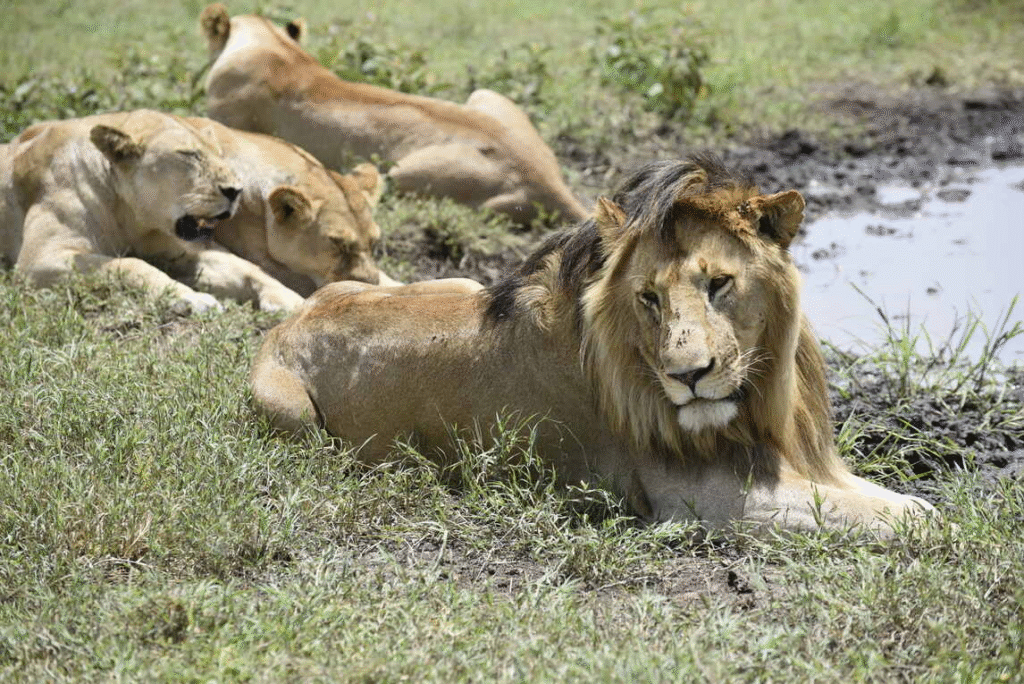
Ruaha National Park, located in the south, is the largest park in Tanzania and a haven for lions, elephants, and rare antelope species. With far fewer visitors, the game viewing feels more exclusive and raw. Birdwatchers, in particular, are rewarded with over 570 recorded species.
Nyerere National Park (part of the former Selous Game Reserve) features river safaris on the Rufiji River, where guests glide past pods of hippos and crocodiles. The park also offers expansive wetlands, woodlands, and an impressive diversity of wildlife.
For a completely different experience, Mahale Mountains National Park, on the shores of Lake Tanganyika, offers unforgettable chimpanzee trekking. Hiking through thick forest to observe primates in their natural habitat is a life-changing experience, often coupled with kayaking and relaxing by the lake’s crystal-clear waters.
Travel Infrastructure & Safari Accessibility in 2025–2026

Tanzania’s tourism infrastructure is improving rapidly, making it easier and more comfortable to explore the country’s top sites and remote regions. Major airports in Kilimanjaro, Dar es Salaam, and Zanzibar have expanded to accommodate increased international flights, reducing transit times and improving convenience.
New and improved roads connect Arusha to the northern safari circuit more efficiently, while the development of a modern railway system offers eco-friendly and scenic travel between major cities. These enhancements make Tanzania more accessible for travelers of all budgets and abilities.
Private charter flights within the country have also become more frequent and affordable, allowing travelers to quickly reach remote destinations like Katavi or Mahale with minimal effort—maximizing time spent enjoying the wilderness.
Celebrate Tanzanian Culture Through Music, Arts, and Festivals

Tanzania’s cultural calendar in 2025–2026 is filled with festivals and public celebrations that showcase the country’s artistic spirit. In Zanzibar, the annual Sauti za Busara festival brings together musicians from across Africa for a colorful celebration of live music, cultural exchange, and creative expression.
The Bagamoyo Arts Festival, held along the Swahili coast, features dance performances, visual art exhibitions, and storytelling rooted in Tanzanian history and identity. These events are an excellent way for travelers to connect with local artists and explore the country’s creative heritage.
Beyond formal festivals, national holidays and tribal ceremonies provide opportunities for immersive cultural exchange. Whether it’s a wedding celebration in a rural village or a traditional harvest ritual in the highlands, these experiences allow travelers to witness living culture in its most vibrant form.
Planning the Ideal Safari: Timing, Tips, and What to Expect
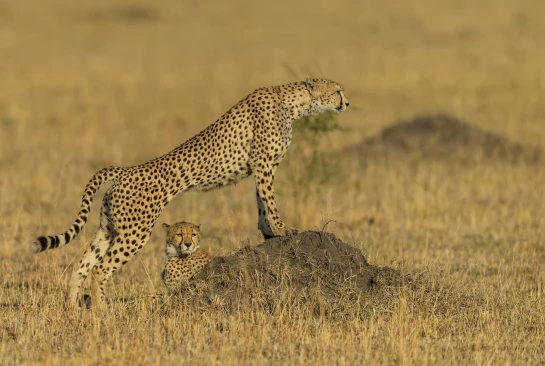
Choosing the best time to visit Tanzania depends on what you want to see. The dry season (June to October) is ideal for wildlife viewing, especially the Great Migration and predator sightings. This is peak safari season, so early booking is recommended.
The green season (November to April) brings lush landscapes, newborn animals, and incredible birdwatching opportunities. It’s also the best time for photography, with dramatic skies and fewer crowds.
Travelers are encouraged to pack light, neutral-colored clothing, sturdy footwear, sun protection, and binoculars. Understanding local customs—such as modest dress in villages and respectful greetings—can enhance cultural exchanges and show appreciation for the communities hosting your journey.
Final Thoughts: A Transformative Journey Awaits
Tanzania in 2025–2026 offers more than just a vacation—it’s a transformative journey into one of Earth’s most extraordinary landscapes and cultures. Whether you’re watching lions in the Serengeti, sharing stories with Maasai elders, gliding silently above the plains in a balloon, or dancing to coastal drumbeats, every moment in Tanzania feels timeless.
The country continues to lead the way in sustainable, inclusive, and deeply meaningful travel. For those seeking adventure, connection, and wonder, Tanzania promises an experience that will stay with you long after the dust settles on your boots.
