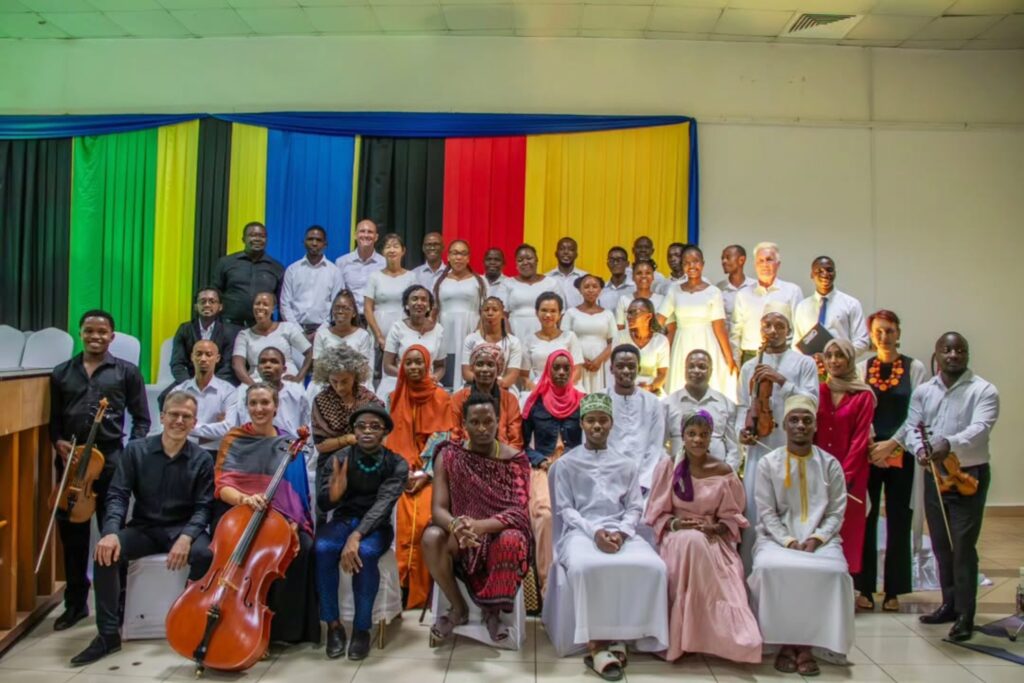
The Role of Music in Tanzanian Culture, a vibrant East African nation, with a tapestry of diverse cultures, languages, and traditions woven together by over 120 ethnic groups. At the heart of this cultural mosaic lies music, an essential element that shapes social gatherings, rituals, and daily life. From the rhythmic beats of traditional drums to the modern sounds of Bongo Flava, music in Tanzania is more than entertainment—it’s a way of preserving history, expressing identity, fostering community promote our culture . This article explores the profound role of music in Tanzanian culture, focusing on its significance in dance, ceremonies, and social unity, with a special emphasis on how locals engage with music through dance.
The Historical Roots of Tanzanian Music.
Tanzanian music is deeply rooted in the country’s history, reflecting the influences of indigenous traditions, Arab and Indian trade routes, and colonial encounters. Each ethnic group, such as the Chagga, Sukuma, or Zaramo, contributes unique musical styles, instruments, and dances that tell stories of their heritage.
Traditional music often features instruments like the ngoma (drums), marimba (xylophone-like instrument), zeze (a stringed instrument), and ilimba (thumb piano). Drums, in particular, are central, serving as both rhythm keepers and symbols of cultural identity. For example, the Sukuma people, one of Tanzania’s largest ethnic groups, are renowned for their ngoma performances, where drummers and dancers compete in elaborate displays during festivals.
Historically, music was used to pass down oral traditions, recounting tales of ancestors, battles, or harvests. It also played a role in spiritual practices, with songs invoking blessings or communicating with ancestors during rituals. These traditions remain alive, especially in rural areas, where music and dance are inseparable from community life.
The Role of Music in Tanzanian Culture
Music and Dance: A Cultural Symbiosis.
In Tanzania, music and dance are intertwined, with one rarely existing without the other. Dancing with locals is an immersive way to experience this cultural symbiosis, as it reveals how music drives movement and fosters connection.
Traditional Dances and Their Significance.
Ngoma Dances.

The term *ngoma refers to both drums and the dances accompanied by them. These performances vary by region and ethnic group. For instance, the Makonde people perform the sindimba dance, characterized by fast-paced footwork and acrobatics, often during harvest celebrations. The music, driven by intense drumming, sets the tempo, while dancers respond with synchronized movements that reflect communal joy.
Zaramo’s Taarab Music.

Along the coastal regions, the Zaramo people embrace Taarab music, a melodic fusion of Swahili, Arab, and Indian influences. Often performed during weddings and community celebrations, Taarab blends poetic lyrics with rich instrumental harmonies, using strings, percussion, and sometimes accordions. It brings people together in shared emotion—whether joy, longing, or celebration—embodying unity and cultural pride.
Maasai Jumping Dance.

The Maasai, a semi-nomadic group, are famous for their *adumu or jumping dance. Men leap vertically to the rhythm of vocal chants, showcasing strength and endurance. This dance, performed during rites of passage like warrior initiations, is a powerful expression of cultural pride.
Locals often invite visitors to join these dances , creating a shared experience that transcends language barriers. Participating in a ngoma or mdundiko dance offers insight into the physicality and emotion of Tanzanian music, as every step is guided by the beat.
The Role of Music in Dance.
Music provides the structure for Tanzanian dances, dictating rhythm, mood, and storytelling. Drummers adjust their beats to match the dancers’ energy, creating a dynamic interplay. Songs often include call-and-response patterns, where a lead singer’s verses are echoed by a chorus, encouraging audience participation. This interactive quality makes Tanzanian music a collective experience, with locals and visitors alike joining in song and dance.
Music in Ceremonies and Social Life.
Music is a cornerstone of Tanzanian ceremonies, marking life’s milestones and reinforcing community bonds.
Weddings and Initiations.
In Tanzanian weddings, music sets the tone for celebration. Among the Chagga of Kilimanjaro, wedding songs blend traditional melodies with Christian hymns, reflecting the region’s cultural and religious syncretism. Dances like the kipepeo (butterfly dance) accompany these events, with women swaying gracefully to flute-like instruments.
Everyday Social Gatherings.
Beyond formal ceremonies, music animates everyday life. In markets, villages, or urban bars, impromptu performances erupt, with locals drumming on makeshift instruments or singing popular tunes. These gatherings often feature taarab, a coastal genre blending Swahili poetry with Arab and Indian melodies. Taarab performances, especially in Zanzibar, invite locals to dance sensually to its hypnotic rhythms, creating a festive atmosphere.
The Modern Evolution: Bongo Flava and Beyond
While traditional music remains vital, Tanzania’s music scene has evolved with modern genres like Bongo Flava, a fusion of hip-hop, reggae, and traditional sounds. Originating in Dar es Salaam in the 1990s, Bongo Flava reflects urban youth culture, addressing themes like love, politics, and social issues. Artists like Diamond Platnumz and Vanessa Mdee have popularized the genre globally, blending Swahili lyrics with catchy beats.
Bongo Flava concerts are lively, with fans dancing to infectious rhythms. The genre’s accessibility has made it a cultural bridge, connecting rural traditions with urban innovation. Even in traditional settings, you might hear Bongo Flava influences in wedding songs or local performances, showing how music evolves while staying rooted in Tanzanian identity.
Music as a Unifying Force.
Tanzania’s diversity—over 120 ethnic groups and languages—could be a source of division, but music serves as a unifying force. National events, like Independence Day celebrations, feature performances that blend styles from different regions, fostering a sense of shared identity. The Swahili language, used in many songs, further unites Tanzanians, as it’s widely understood across ethnic lines.
Music also bridges generations. Elders teach traditional songs to youth, while younger artists incorporate these elements into modern genres. This exchange ensures that cultural heritage endures, even as new styles emerge.
Experiencing Music Through Dance with Locals.
For visitors, dancing with locals is a gateway to understanding Tanzanian culture. Whether at a village festival, a Zanzibar taarab performance, or a Dar es Salaam nightclub, joining in the dance offers a visceral connection to the music. Locals are often eager to teach simple steps, making it easy for newcomers to participate. These moments—swaying to taarab, jumping with Maasai warriors, or grooving to Bongo Flava—create lasting memories and highlight music’s role in building community.
Music in Tanzania is a living, breathing force that shapes every aspect of cultural life. From the ancient rhythms of ngoma to the modern beats of Bongo Flava, it tells the story of a nation rich in diversity and tradition. Dancing with locals reveals the heartbeat of this music—its ability to connect people, preserve history, and celebrate life. Whether in a rural village or an urban club, the sounds of Tanzania invite everyone to join the dance, with Jambo international tour we offering a profound glimpse into a culture where music is not just heard but felt also you can explore other area in Tanzania national Park during safari.
