
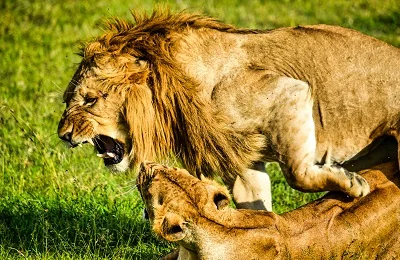
Tanzania is a premier African nation for wildlife conservation, renowned for its populations of the iconic The African Big Five. The African elephant, Cape buffalo, leopard, lion, and rhinoceros all inhabit its diverse ecosystems. These formidable species, historically the most challenging for hunters, now thrive within Tanzania’s extensive network of national parks and protected areas, representing a significant portion of Africa’s majestic fauna.
Many African countries are home to the Big Five, but Tanzania has the largest numbers of these animals. The country’s natural landscapes are a perfect home for them, making it the best place to see these famous animals in the wild.

Tanzania’s Big Five Animals The term “Big Five” is one of the most celebrated in African wildlife tourism, referring to five majestic animals that hold a special place in both history and modern-day safari experiences. In Tanzania, a land blessed with diverse landscapes and abundant wildlife, spotting the Big Five is considered the ultimate safari goal. These creatures are not just symbols of nature’s beauty but also of its power, resilience, and delicate balance.
Tanzania’s premier national parks—including the Serengeti, Ngorongoro Crater, Tarangire, and Arusha—are prime habitats for the African Big Five. To arrange an exclusive safari to see them, you can book with a top-rated local operator like Jambo International for an unforgettable tour.
In this article, we explore the legendary African Big Five—magnificent wildlife species that roam freely across the vast, untamed wilderness of Tanzania.
The Lion – King of the Savannah

The African lion is perhaps the most famous of the Big Five, earning its title as the “King of the Savannah” for its commanding presence and social structure. Lions in Tanzania roam iconic locations like the Serengeti National Park and Ngorongoro Crater, where vast grasslands provide the perfect hunting grounds. Living in prides led by dominant males, lions exhibit intricate social behaviors that fascinate researchers and travelers alike. Their deep roars can be heard up to five miles away, a spine-tingling reminder of their dominance in the food chain. Observing them in their natural habitat offers a glimpse into a world where strength, strategy, and unity ensure survival.
African elephants
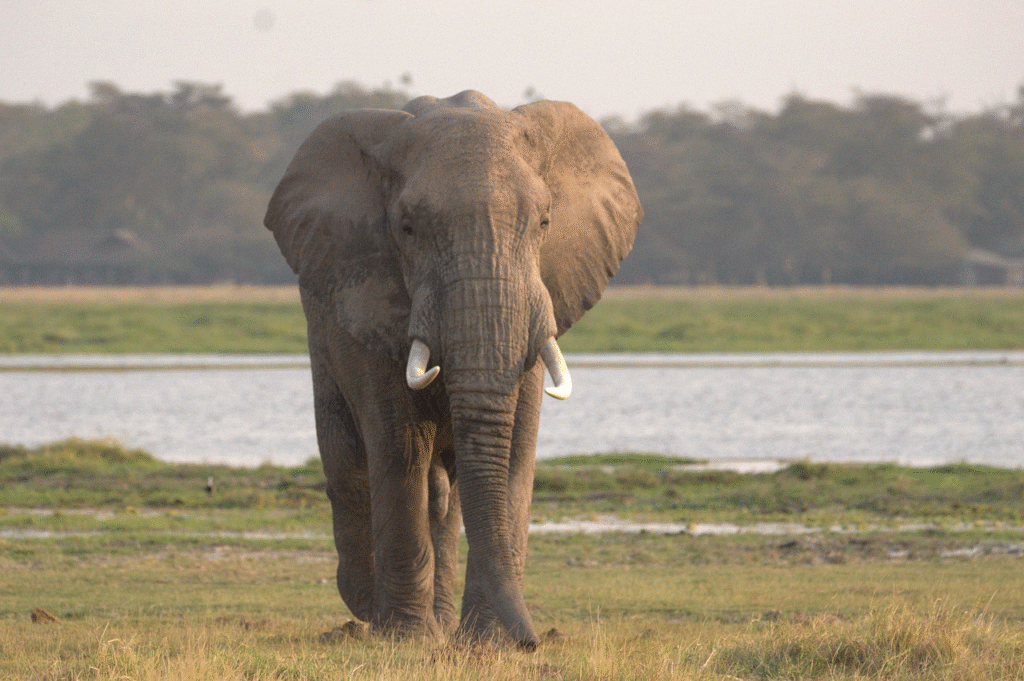
Tanzania’s African elephants are the largest land mammals in the world, known for their intelligence, emotional depth, and impressive memory. Found in regions such as Tarangire National Park, Selous Game Reserve, and Ruaha National Park, these gentle giants can live for decades, forming strong family bonds led by matriarchs. Elephants play a crucial ecological role by shaping landscapes, digging waterholes, and dispersing seeds that sustain ecosystems. Sadly, their population has faced threats from poaching, making conservation efforts in Tanzania a vital mission for ensuring their survival.
The Leopard – Elusive Master of Stealth
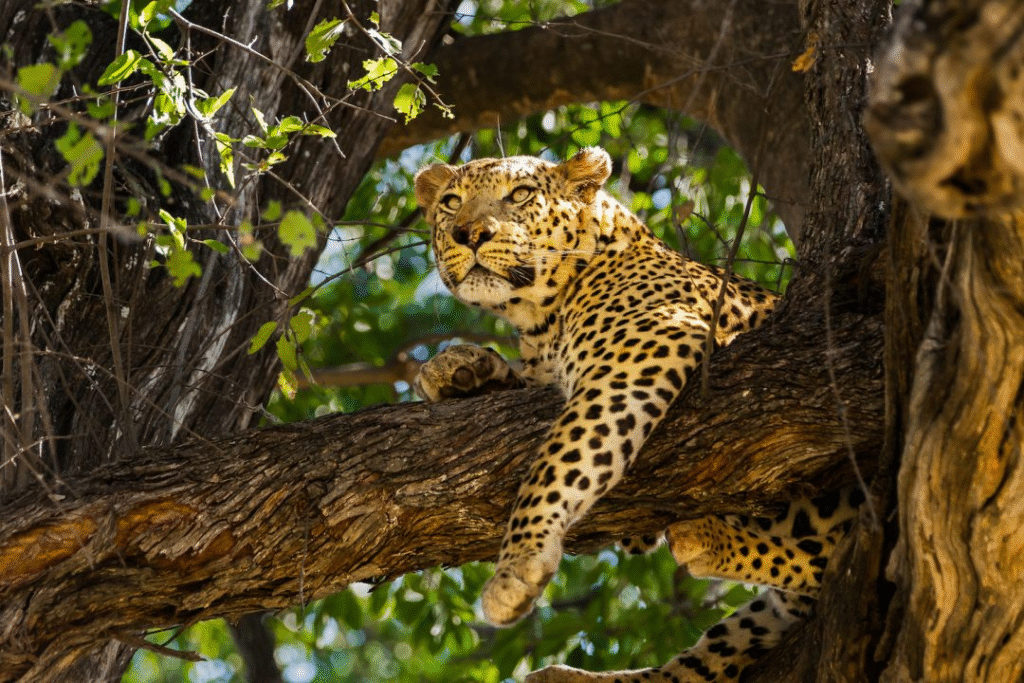
Among the Big Five, the leopard is the hardest to spot, renowned for its elusive nature and unmatched camouflage. Solitary and predominantly nocturnal, leopards prefer dense bush or rocky outcrops where they can observe their surroundings undetected. In Tanzania, the Serengeti and Lake Manyara National Park are known for leopard sightings, especially in the early morning or at dusk. Their ability to haul prey several times their body weight into trees showcases remarkable strength and skill. Watching a leopard melt silently into the shadows is an unforgettable experience for any safari-goer.
The Cape Buffalo – The Unpredictable Powerhouse

The Cape buffalo is both admired and respected for its sheer strength and unpredictable temperament. Found in large herds across Tanzania’s plains and woodlands, they have a reputation for being among the most dangerous animals in Africa when threatened. Their massive curved horns and muscular build make them formidable opponents for predators, and even lions must strategize carefully when targeting them. Beyond their power, Cape buffalo are also social animals, often moving in tight formations that offer protection to the herd’s most vulnerable members.
The Rhinoceros – The Endangered Guardian

The black rhinoceros, the rarest of Tanzania’s Big Five, symbolizes the fragility of Africa’s natural heritage. Once widespread, they are now critically endangered due to poaching for their horns. Today, conservation areas like the Ngorongoro Crater and certain protected zones in Serengeti hold the last strongholds of Tanzania’s rhinos. They are solitary grazers, spending much of their time feeding on shrubs and small trees, and their sharp sense of smell often alerts them to danger long before it is visible. Spotting a rhino on safari is not only a thrilling moment but also a reminder of the urgent need to protect these ancient creatures.
An Overview of Tanzania’s Big Five Animals
Tanzania’s Big Five Animals consist of the lion, elephant, buffalo, leopard, and rhinoceros. These five species are considered the most iconic and sought-after wildlife in African safaris, historically named by big-game hunters due to their difficulty to hunt and the danger they posed. Today, the Big Five symbolize the richness of Tanzania’s diverse ecosystems and are a major attraction for tourists worldwide. Each animal plays a vital role in maintaining the ecological balance, making them not only a thrilling sight but also essential to Tanzania’s wildlife heritage.
The Importance of Tanzania’s Big Five Animals in Conservation
Conservation efforts for Tanzania’s Big Five Animals are critical as many of these species face threats from poaching, habitat loss, and human-wildlife conflicts. Tanzania has established several national parks and conservation areas, such as the Serengeti and Ngorongoro Conservation Area, to protect these animals and their natural habitats. These conservation programs contribute to biodiversity preservation and support local communities by promoting eco-tourism and sustainable development. Protecting the Big Five is a commitment to maintaining the health of Tanzania’s wilderness for future generations.
Where to See Tanzania’s Big Five Animals in the Wild
Tanzania offers some of the best safari destinations where travelers can witness the Big Five in their natural environment. The Serengeti National Park is world-famous for its large populations of lions, elephants, and buffaloes, along with leopards and occasional rhino sightings. The Ngorongoro Crater provides a unique setting where the Big Five coexist within a protected caldera. Other parks like Tarangire and Selous Game Reserve also offer excellent opportunities for spotting these majestic animals. Visiting these locations ensures an unforgettable wildlife experience amidst stunning landscapes.
Characteristics and Behaviors of Tanzania’s Big Five Animals
Each of Tanzania’s Big Five Animals exhibits unique behaviors and characteristics. Lions are social big cats living in prides and are apex predators in their ecosystem. Elephants are the largest land mammals, known for their intelligence, complex social structures, and long migrations. Buffaloes are sturdy herbivores often found in large herds that defend themselves fiercely against predators. Leopards are solitary and elusive cats, masters of stealth and excellent climbers. Rhinoceroses, though fewer in number, are powerful animals with thick skin and horns used for defense. Understanding these traits enriches the safari experience by revealing the complex lives behind these magnificent creatures.
Experiencing the Big Five with Jambo International Tour
Exploring Tanzania’s Big Five is more than a checklist—it’s a journey into the heart of Africa’s wilderness. With Jambo International Tour, travelers can embark on expertly guided safaris that maximize the chances of spotting these legendary animals in their natural settings. From sunrise game drives in the Serengeti to tracking rhinos in the Ngorongoro Crater, each moment is tailored for an immersive and respectful wildlife experience
