

Tanzania’s Coastline : Stunning Beaches and Hidden Gems to Explore stretches along the turquoise waters of the Indian Ocean, offering travelers a perfect mix of pristine beaches, lush islands, and culturally rich coastal towns. Unlike many coastal destinations, Tanzania’s beaches remain relatively unspoiled, with soft white sands, vibrant coral reefs, and traditional fishing villages that reflect the Swahili way of life. from popular destinations like Zanzibar to hidden gems like Pemba and Mafia Islands. You’ll discover not only where to relax and swim but also where to explore marine life, immerse yourself in local culture, and experience history firsthand.
Tanzania’s coastline is ideal for honeymooners, families, solo travelers, and safari enthusiasts who want to combine wildlife adventures with relaxing beach escapes. The region offers a perfect balance of natural beauty, cultural richness, and adventure, making it a must-visit destination.
Zanzibar Beaches: Paradise by the Sea
Zanzibar is Tanzania’s most famous island, a tropical haven where the Indian Ocean meets centuries of Swahili history. Its beaches are considered some of the most beautiful in the world, attracting honeymooners, divers, and adventure travelers alike.
Nungwi Beach: Sunrise and Serenity

Nungwi Beach, located at Zanzibar’s northern tip, is renowned for its calm, shallow waters and stunning sunrises. Early mornings are perfect for swimming or taking a walk along the sand, while late afternoons provide opportunities for magical dhow sailing trips along the coast. The village of Nungwi also has a rich history as a traditional dhow-building center, where travelers can observe craftsmen constructing wooden boats by hand. Beyond swimming, Nungwi is a hotspot for snorkeling and diving due to nearby coral reefs teeming with colorful fish, sea urchins, and reef sharks.
Kendwa Beach: Perfect for Snorkeling

Kendwa Beach is famous for its wide, flat sands and calm tides, making it ideal for snorkeling and swimming year-round. Unlike busier tourist beaches, Kendwa retains a sense of tranquility even during peak season. Its westward-facing coast provides breathtaking sunsets that light up the sky in shades of orange and pink. At night, visitors can enjoy traditional Swahili music and bonfires along the beach, offering a unique cultural experience.
Zanzibar Activities
Beyond beaches, Zanzibar offers many activities for travelers. Spice farm tours provide insight into the island’s rich history as the “Spice Island” and show how locals cultivate cloves, cinnamon, and nutmeg. Stone Town, a UNESCO World Heritage Site, offers narrow streets, historic architecture, and bustling markets, allowing visitors to learn about Zanzibar’s role in the spice trade, the Arab slave trade, and colonial history. For adventure lovers, diving and snorkeling among coral reefs or swimming with whale sharks adds excitement to any coastal itinerary.
Pemba Island: A Hidden Gem

Pemba Island, often overshadowed by Zanzibar, is a tranquil paradise for travelers seeking serenity and authenticity. Known as the “Green Island,” Pemba is lush with fertile landscapes, rolling hills, and clove plantations. Its beaches are unspoiled, providing a peaceful retreat for those looking to escape crowded tourist spots.
Pemba Island is famous for its coral reefs, which are part of the Pemba Channel and offer some of the best diving and snorkeling experiences in East Africa. Travelers can also explore traditional fishing villages, interact with local communities, and participate in cultural activities that showcase Swahili heritage. Its isolation preserves the natural beauty of the island, making it an eco-tourism haven. Fresh seafood is abundant, with locally caught fish, prawns, and lobster often served directly from the ocean to dining tables.
Mafia Island: Adventure and Marine Wonders

Mafia Island is a conservation hotspot and home to one of Tanzania’s most diverse marine ecosystems. The Mafia Island Marine Park covers 822 km² and supports endangered species, including sea turtles, dugongs, and manta rays. Between October and March, whale shark safaris give travelers the rare opportunity to swim alongside these gentle giants.
The coral reefs around Mafia Island are some of the healthiest in East Africa, making them perfect for snorkeling and diving. Beyond marine life, visitors can enjoy boat tours through mangroves, secluded beaches, and traditional villages, providing a glimpse into the authentic Swahili coastal lifestyle. Mafia Island’s low population density ensures that travelers experience unspoiled nature and calm surroundings while exploring.
Bagamoyo: History Meets the Coast
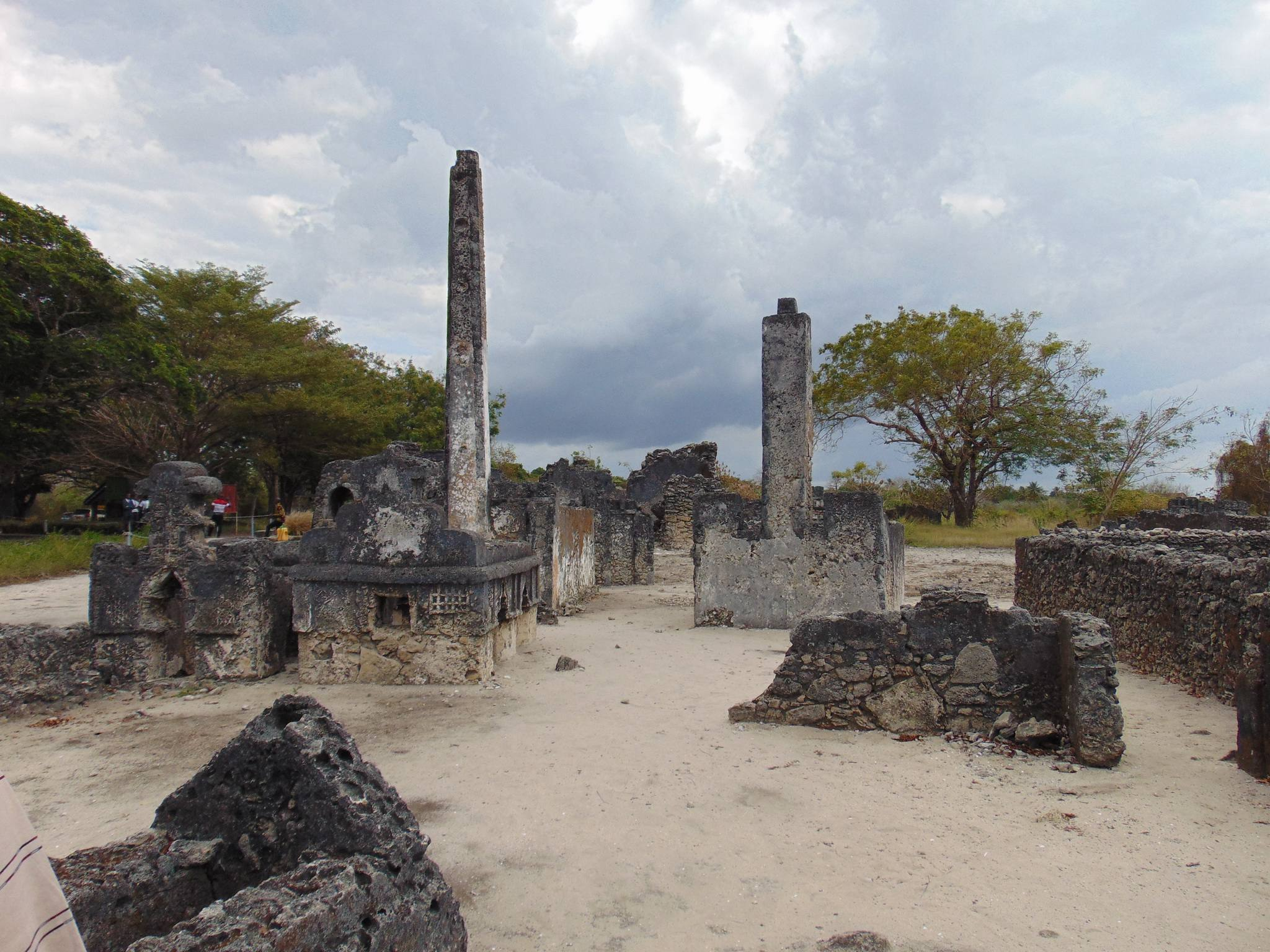
Bagamoyo, one of Tanzania’s oldest towns, was a key trading port from the 18th century. Its historical significance makes it a fascinating destination for cultural travelers. The town played a central role in the Arab slave trade and later served as a German colonial administrative center. Visitors can explore colonial-era buildings, slave trade monuments, and museums documenting this complex history.
Bagamoyo’s beaches are quiet and less developed than Zanzibar, offering reflective walks and excellent photography opportunities. Travelers can also visit local artisan workshops to learn traditional craft techniques and purchase authentic handmade souvenirs. Exploring Bagamoyo allows visitors to understand Tanzania’s coastal history while enjoying the natural beauty of its serene shoreline.
Coastal Cuisine and Local Culture
The Tanzanian coastline offers more than natural beauty—it’s a culinary journey. Fresh seafood, such as fish, lobster, crab, and octopus, is a staple along the coast, often cooked with coconut milk and aromatic spices for authentic Swahili flavors. Travelers can also savor traditional dishes like ugali, pilau, and coconut-based curries, reflecting centuries of African, Arab, and Indian influences.
Cultural experiences abound, from traditional music like Taarab to vibrant village festivals and dance performances. Travelers can immerse themselves in local customs, learn Swahili greetings, and enjoy the warmth and hospitality of coastal communities.
Best Time to Visit Tanzania’s Coastline
The best time to explore Tanzania’s coastline is during the dry season from June to October. This period offers ideal conditions for beach activities, diving, snorkeling, and sightseeing. The rainy season from March to May brings lush greenery and fewer tourists, providing a more intimate experience for eco-conscious travelers. Whale shark sightings around Mafia Island are best from October to March, making this a must-consider period for marine enthusiasts.
Travel Tips Along Tanzania’s Coastline
Tanzania’s coastline is well-connected, making travel straightforward. Zanzibar and Pemba Islands are accessible by both domestic and international flights, while ferries provide scenic routes between Dar es Salaam and the islands. Local transportation includes taxis, car rentals, and guided tours for easy access to beaches, towns, and hidden gems.
Accommodations range from luxury resorts and boutique hotels to eco-lodges and budget-friendly guesthouses. Travelers can choose options that match their preferences while enjoying the natural beauty and cultural richness of the coast.
Conclusion
Tanzania’s coastline is more than a collection of beautiful beaches—it is a harmonious blend of nature, culture, and history. Whether it’s the famous shores of Zanzibar, the quiet retreats of Pemba, the marine wonders of Mafia Island, or the historical charm of Bagamoyo, each destination offers unique experiences for travelers.
By combining beach relaxation, cultural immersion, and adventurous activities, Tanzania’s coast guarantees unforgettable memories. Pack your bags, dive into turquoise waters, stroll along hidden sands, and experience the magic of Tanzania’s coastline like never before.
