
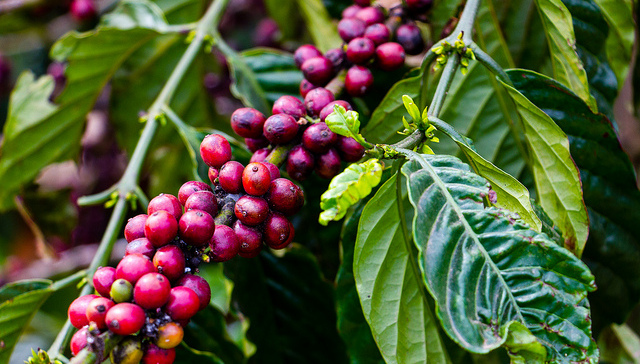
Tanzanian Coffee Guide: Peaberry and Other Local Varieties Tanzania may be best known for its stunning safaris and Mount Kilimanjaro, but for coffee lovers, this East African nation holds another treasure — rich, aromatic, and complex coffee. With fertile volcanic soils, high-altitude plantations, and time-honored farming traditions, Tanzanian coffee is a hidden gem on the global coffee map. Among its most celebrated beans is the rare and coveted Peaberry, but there’s a wide variety of exceptional coffees grown across the country. This guide takes you deep into the world of Tanzanian coffee — from bean to brew.
The Tanzanian Coffee Landscape

Tanzania’s coffee industry thrives primarily in the north and south, thanks to its ideal growing conditions. Most of the country’s coffee is grown at high altitudes between 1,200 and 2,000 meters above sea level, where the cooler temperatures slow the coffee cherries’ ripening process, allowing flavors to develop more fully.
The northern regions near Mount Kilimanjaro and Mount Meru are known for smaller farms and cooperatives, while the southern Mbeya and Mbinga areas produce coffee in larger quantities. These highland areas provide rich volcanic soil and consistent rainfall — a perfect combination for producing high-quality Arabica beans.
Tanzania produces both Arabica and Robusta varieties, with Arabica accounting for over 70% of the country’s output. The beans are typically wet-processed, preserving their clean and bright flavor profiles.
Peaberry Coffee: Tanzania’s Crown Jewel

Among all Tanzanian coffee beans, Peaberry (PB) stands out as the most unique and sought-after. While most coffee cherries contain two flat-sided beans, about 5–10% of the time, a cherry produces a single, rounded bean — the peaberry. This natural mutation leads to a denser bean, which some claim roasts more evenly and results in a sweeter, more concentrated flavor.
Tanzanian Peaberry coffee is renowned for its bright acidity, medium body, and complex flavor notes — often with hints of citrus, black tea, and chocolate. Its cup profile is vibrant, lively, and layered, making it a favorite among specialty roasters and coffee connoisseurs.
Peaberry beans are typically separated by hand during processing, and their rarity adds to their appeal and price. When brewed properly, a cup of Tanzanian Peaberry delivers a refined and nuanced experience — smooth yet full of personality.
Northern Highlands: Kilimanjaro and Arusha Coffees
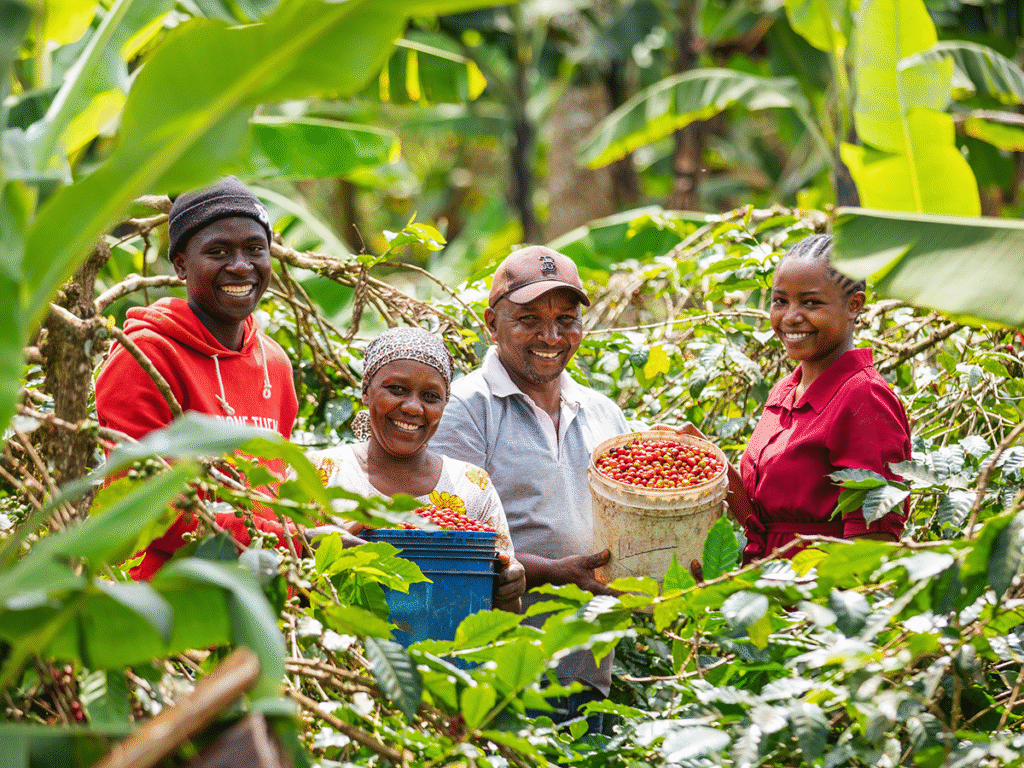
The foothills of Mount Kilimanjaro are home to some of Tanzania’s oldest and most prestigious coffee estates. These high-altitude farms often grow traditional Arabica varietals such as Bourbon and Typica, nurtured under the shade of banana trees and managed by smallholder farmers or cooperatives.
Coffee from this region is known for its delicate floral aromas, bright citric acidity, and clean, tea-like finish. Arusha, nearby, produces similar profiles but sometimes with added body and spice. These coffees are ideal for pour-over methods, where their layered subtleties can truly shine.
Because of the region’s long history with coffee, many of these farms have embraced organic and sustainable practices, further enhancing the quality and ethics of the cup.
Southern Highlands: Mbeya, Mbinga, and Songwe Varieties

The southern regions of Tanzania are increasingly making a name for themselves in the specialty coffee world. Areas like Mbeya, Mbinga, and Songwe produce large volumes of high-quality Arabica beans with diverse and exciting flavor profiles.
Coffee from the Southern Highlands tends to be fruit-forward and full-bodied, with tasting notes ranging from red berries and stone fruits to brown sugar and dark chocolate. The volcanic soil, coupled with a distinct dry-and-wet seasonal climate, creates the perfect environment for growing bold and flavorful beans.
These regions also benefit from newer infrastructure and investment in quality processing, such as improved washing stations and drying methods. Many of the coffees from the south are sold through micro-lots and traceable programs, connecting farmers directly with specialty roasters around the world.
Robusta Coffee: The Unsung Hero

While Tanzania is predominantly known for its Arabica beans, the country also grows Robusta coffee, mainly in the northwest regions around Kagera, near Lake Victoria. Robusta is heartier, easier to grow, and more resistant to pests and disease.
Though often overlooked in specialty markets, Tanzanian Robusta can offer surprisingly enjoyable qualities — bold, earthy flavors with low acidity and a heavy body. It is commonly used in espresso blends and instant coffee, but when processed with care, it can hold its own as a standalone brew.
Efforts are underway to improve the cultivation and processing of Robusta in Tanzania, opening doors to more premium-grade offerings in the future.
Tasting Tanzanian Coffee: What to Expect in the Cup

What sets Tanzanian coffee apart is its balance. Whether you’re drinking a fruity Peaberry from Mbeya or a floral Arabica from Kilimanjaro, you’re likely to find:
- Bright, lively acidity
- Medium to full body
- Complex flavor layers — from citrus, berry, and tropical fruits to chocolate, spice, and black tea
- A smooth, clean finish
This diversity makes Tanzanian coffee incredibly versatile — perfect for both filter and espresso preparations. It’s a favorite among roasters who seek balance and character in their single-origin offerings.
Final Brew: Why Tanzanian Coffee Deserves Your Cup
Tanzanian coffee is a celebration of diversity, geography, and craftsmanship. From the highland farms of Kilimanjaro to the volcanic slopes of Mbeya, this East African country offers a range of flavor profiles that delight the senses and tell a story in every sip. The elusive Peaberry adds a rare gem to the collection, delivering a cup that is as unique as it is satisfying.
Whether you’re a casual coffee drinker or a dedicated aficionado, exploring Tanzanian coffee is a journey worth taking — one that connects you with the people, the land, and the rich culture behind each bean.
