

A Tanzania safari is one of the most extraordinary ways to experience the wild beauty of Africa. From the golden plains of the Serengeti to the dramatic landscapes of the Ngorongoro Crater, Tanzania offers travelers a front-row seat to nature’s greatest spectacles. The country is home to the legendary Big Five animals—lion, leopard, elephant, buffalo, and rhinoceros—as well as countless other species that define Africa’s wildlife heritage.
But a Tanzania safari is not just about seeing animals. To fully understand and enjoy the journey, there are many details that matter—season, destinations, wildlife behavior, safari logistics, cultural context, and conservation. this guide covers all the essentials—where Tanzania is, how to get there, when to visit, what to see, and much more.
Where is Tanzania and How to Get There
Tanzania is located in East Africa, bordered by Kenya and Uganda to the north, Rwanda and Burundi to the west, Zambia, Malawi, and Mozambique to the south, and the Indian Ocean to the east. Its capital is Dodoma, but Dar es Salaam remains the largest city and main entry point.
Most international travelers arrive by air. The main airports are
- Kilimanjaro International Airport (JRO): Best for safaris in the Serengeti, Ngorongoro, and Kilimanjaro.
- Dar es Salaam (DAR): Good for southern parks and connections to Zanzibar.
- Zanzibar Airport (ZNZ): Perfect for travelers heading straight to the beach.
When is the Best Time to Visit Tanzania
Tanzania invites you into a world of adventure in every season, where its landscapes and wildlife tell a new story each month. Whether it’s the pulse of the Great Migration or the peaceful charm of the lush green months, the country delivers breathtaking moments and unforgettable encounters year-round.

January – March: Witness Tanzania’s Calving Season
From January to March, the Southern Ndutu area becomes the heart of the calving season as hundreds of thousands of young wildebeest are born. This attracts lions, cheetahs, and hyenas, creating exciting wildlife moments. The short dry season brings green scenery and fewer visitors, making it a calm and rewarding time for safari.
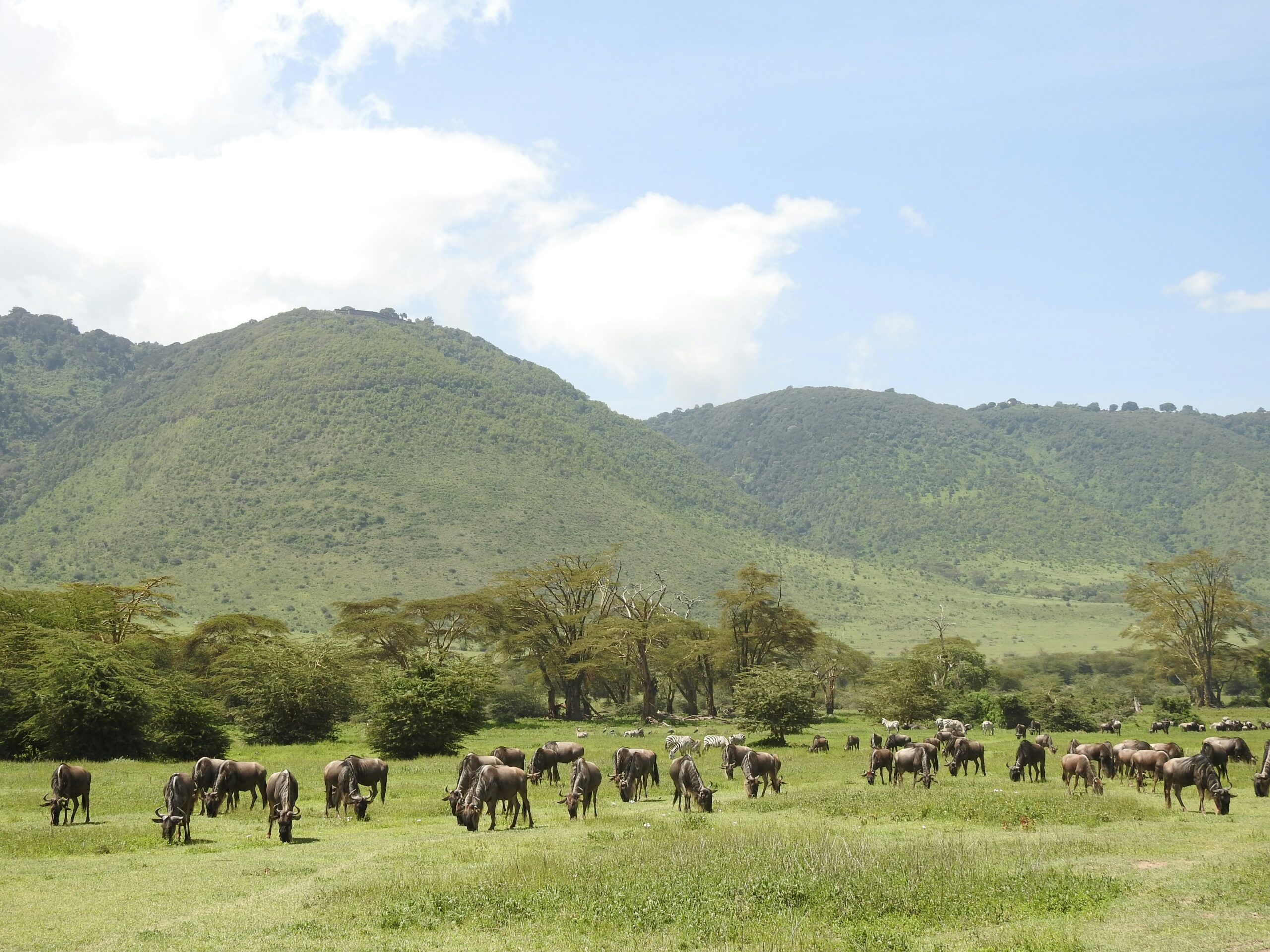
April – May: Witness Tanzania’s Green Season
From April to May, Tanzania turns bright and green as the rains refresh the land. The plains fill with wildlife and many colorful birds. While some areas may be harder to reach, this peaceful season offers relaxed game drives, great birdwatching, and very good value at many camps and lodges.

June– October: High Season & Great Migration Occurs
From June to October, Tanzania’s high season brings clear skies and amazing wildlife action, especially in the Serengeti during the Great Migration. Tarangire fills with large elephant herds, and the Ngorongoro Crater offers easy Big Five viewing. It’s also the perfect time to extend your trip to Zanzibar for sunny beaches and relaxation.

November – December: Short Rain Or Shoulder Season
From November to December, Tanzania slowly becomes green again as light rains return. The landscapes brighten, birdlife increases, and the atmosphere feels fresh. The wildebeest start heading back toward the Serengeti, preparing for the calving months. With fewer travelers around and pleasant weather, it’s a relaxed and rewarding time to explore the parks.
Where to Go in Tanzania Safari: Best Places to Visit
Tanzania has a wealth of destinations that combine wildlife, culture, Relaxation and landscapes.
Serengeti National Park
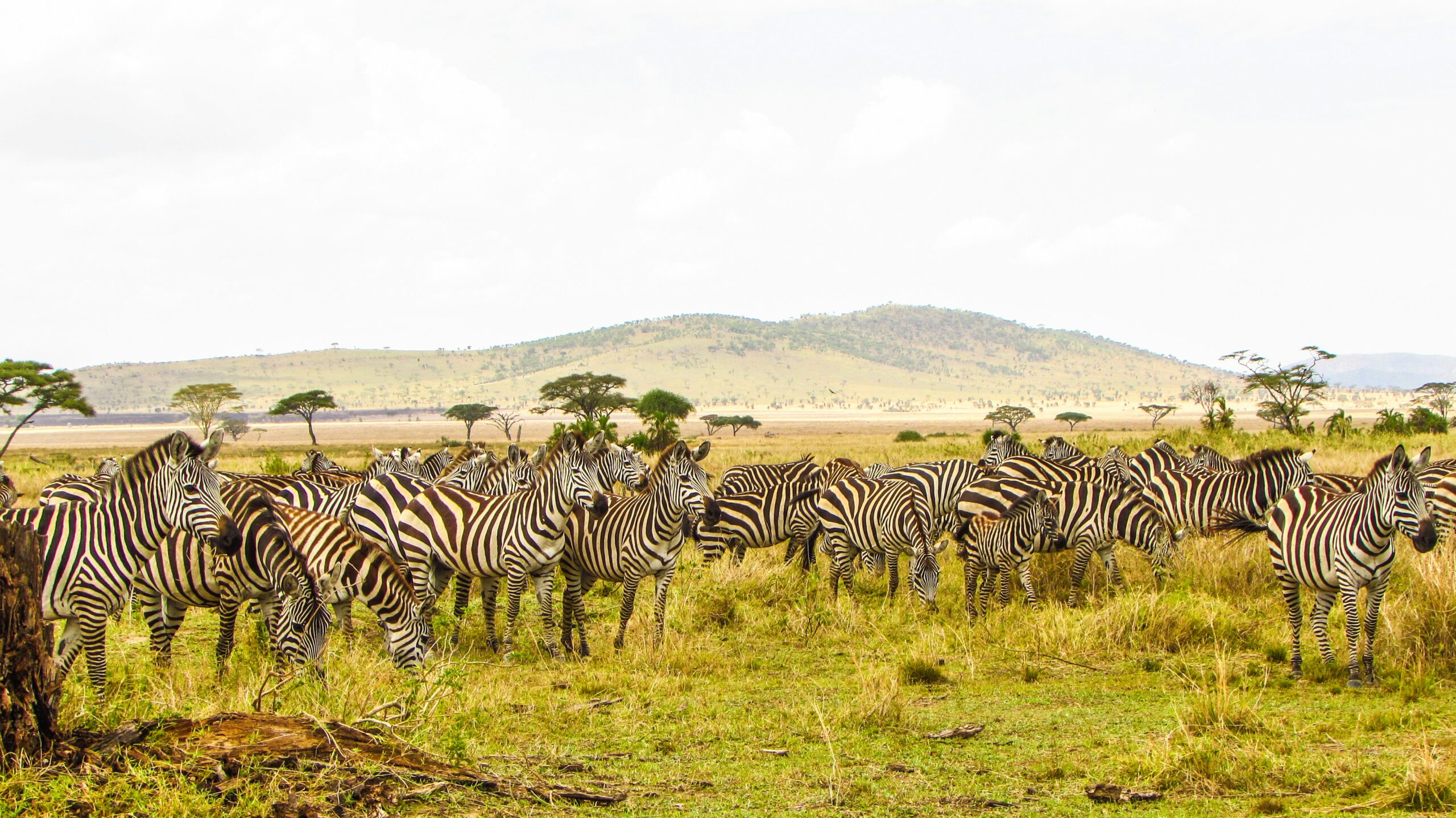
The Serengeti is the epicenter of the animal kingdom, most renowned for the Great Migration—a timeless spectacle of over a million wildebeest and zebra on a perpetual cycle of movement. This vast savanna ecosystem also offers unparalleled predator action, with high densities of lions, cheetahs, and leopards providing thrilling wildlife viewing opportunities year-round.
Ngorongoro Crater
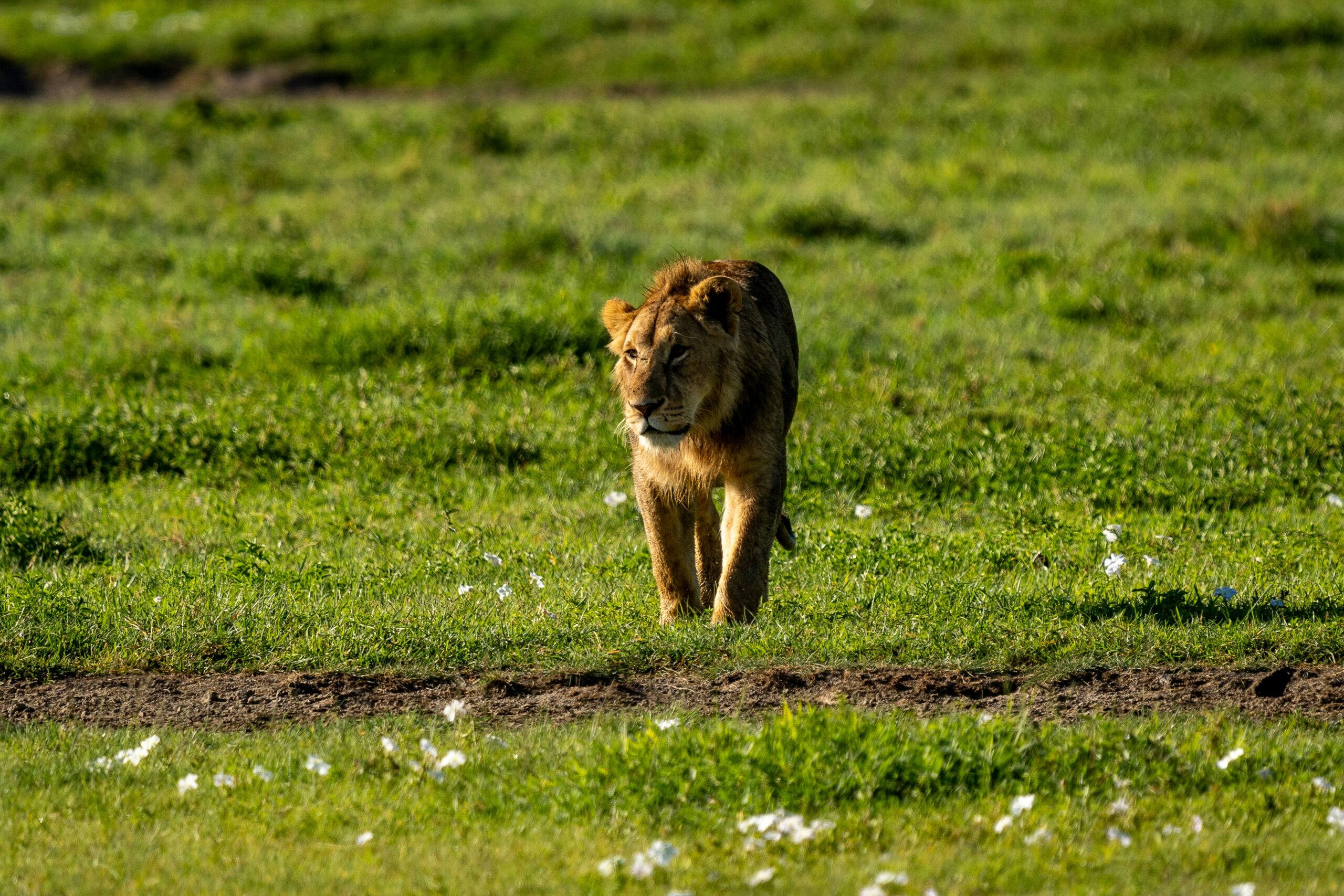
A UNESCO World Heritage Site, the Ngorongoro Crater is a breathtaking natural amphitheater and the world’s largest inactive volcanic caldera. This self-contained ecosystem is densely packed with wildlife, offering almost guaranteed sightings of the Big Five, including the critically endangered black rhino, all set against a stunning geological backdrop.
Mount Kilimanjaro
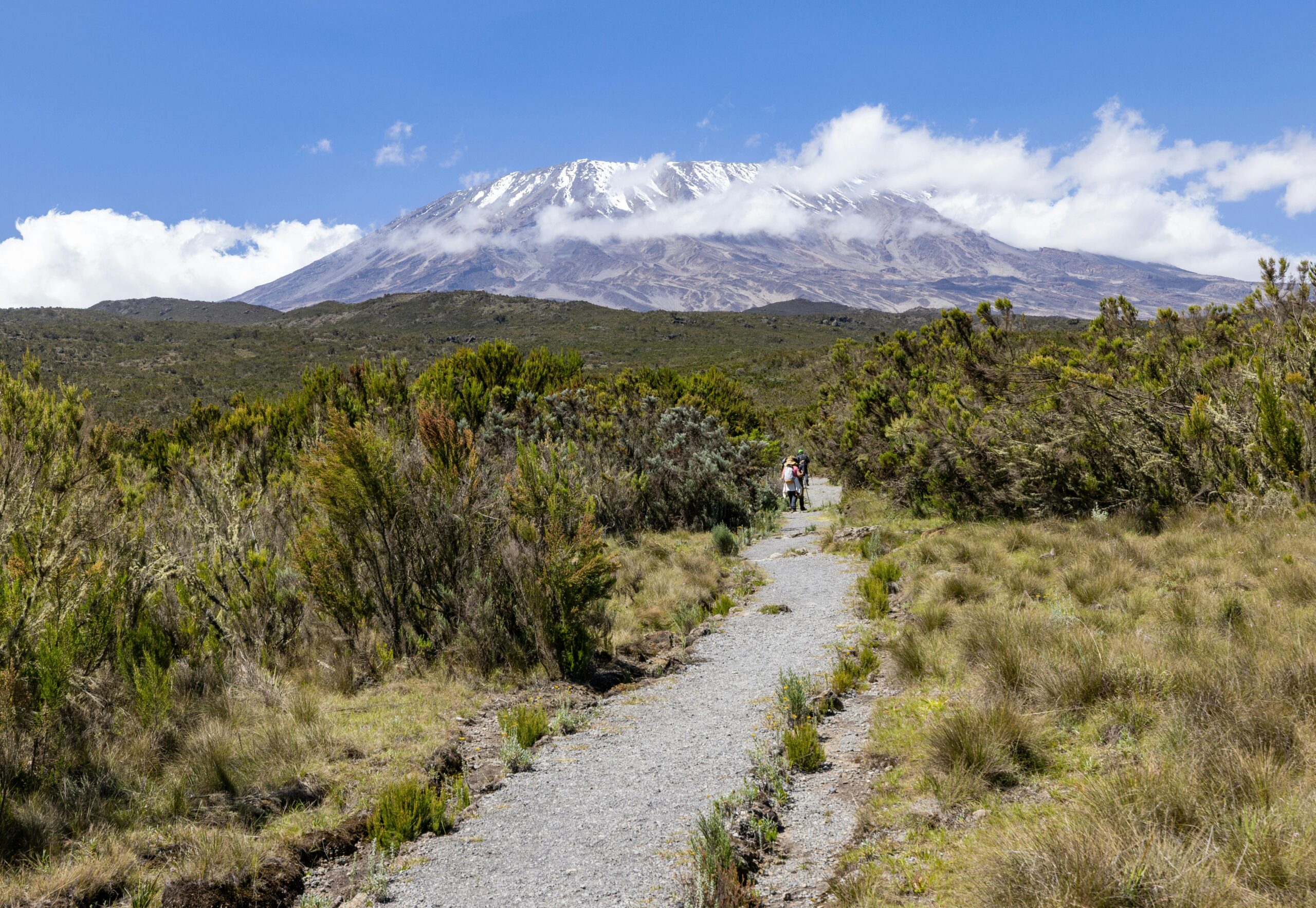
Towering over the African plains, Mount Kilimanjaro is Africa’s highest peak and the world’s tallest free-standing mountain. This dormant volcano is a premier global trekking destination, offering climbers a journey through five distinct ecological zones, from rainforest to arctic summit, culminating in a sunrise view from the Roof of Africa.
Tarangire National Park

Defined by its iconic baobab trees and the life-giving Tarangire River, this park is a haven for elephants, with herds numbering in the hundreds commonly seen. During the dry season, it becomes a magnet for wildlife, offering a more secluded and intimate safari experience compared to its northern counterparts.
Zanzibar

An archipelago steeped in history, Zanzibar is a tropical paradise offering a perfect blend of culture and relaxation. Beyond its famous white-sand beaches and turquoise waters, the historic Stone Town—a World Heritage Site—and aromatic spice plantations provide a captivating cultural counterpoint to the bush.
Ruaha National Park
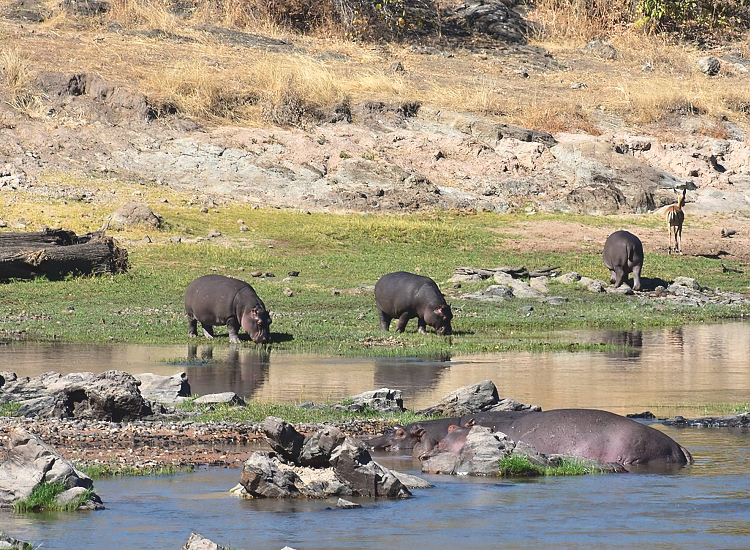
As Tanzania’s largest national park, Ruaha remains a remote and wild wilderness, offering an uncrowded and authentic safari experience. It is renowned for its dramatic landscapes and supporting one of the largest populations of elephants and lion prides on the entire continent.
Nyerere National Park
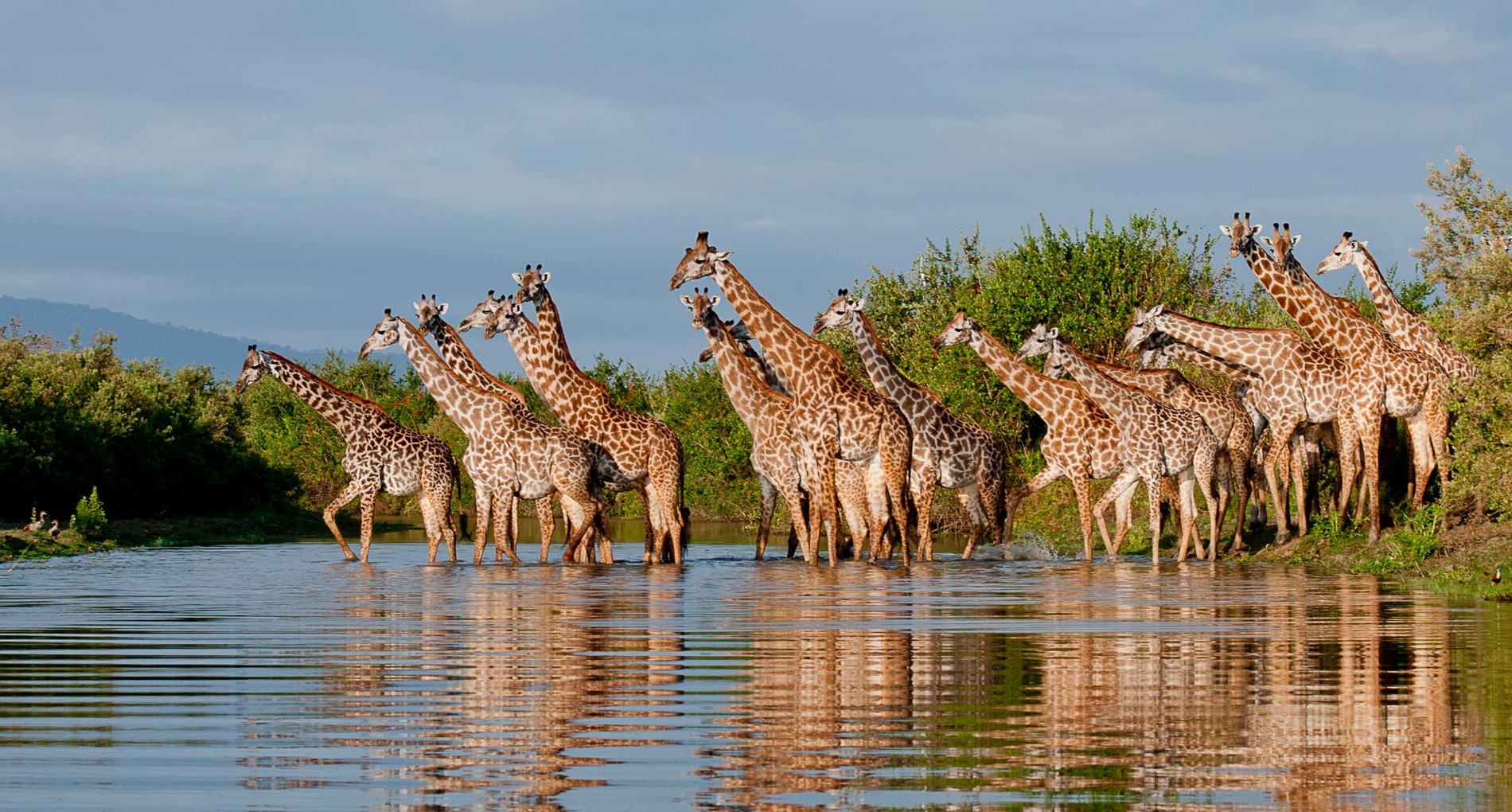
Formerly part of the vast Selous Game Reserve, Nyerere National Park is a sprawling wilderness of untouched beauty. A world away from the northern circuit, it is celebrated for its diverse activities, including unique boat safaris along the Rufiji River, which teem with hippos, crocodiles, and waterbirds.
How Long Should You Stay in Tanzania?
A 7 to 14-day itinerary is essential for an optimal Tanzania safari, providing enough time to fully experience its iconic national parks and the Big Five. To ensure this, you must choose a highly reputable and reliable tour operator. A trusted company like Jambo International Tour offers critical advantages: expert local guides, proven itineraries, and a commitment to safety and responsible tourism.
Planning a Tanzania Safari: How Much Will It Cost?
The cost of a Tanzania safari usually ranges from $300 to $650 per person per day. Prices depend on your choice of accommodation, the season, and your itinerary. This generally covers park fees, lodges or camps, guides, meals and your choice Budget either is Luxury, Mid range Budget.
Luxury Safaris
A luxury Tanzania Safari in delivers an exclusive, high-end experience defined by premium accommodations in private lodges and tented camps, travel in a private safari Land Cruiser 4×4, and the dedicated service of a personal guide. This all-inclusive approach often incorporates fly-in and fly-out itineraries to remote destinations, drastically reducing transit time and maximizing wildlife viewing and comfort. Every detail is curated to provide unparalleled privacy, personalized service, and direct access to prime wildlife areas in Tanzania Safari
Mid-Range Safaris
Mid-range Tanzania Safari strike a perfect balance between comfort and value, typically featuring comfortable tented camps and guided road safaris. This popular option provides authentic bush experiences with essential amenities, reliable transportation in 4×4 vehicles, and knowledgeable guides, ensuring a comprehensive and enjoyable adventure without the luxury price tag.
Budget Safaris
Budget Tanzania Safari focus on Group People and the essential wildlife experience through cost-effective options like basic lodges or participatory camping. While accommodations are simpler and travel may be longer, these tours still provide access to the same incredible parks and wildlife sightings, making a Tanzanian adventure accessible to a wider range of travelers.
What to Pack for Tanzania Safari
Pack light, neutral-colored clothing, a warm jacket, sturdy shoes, a hat, sunscreen, and insect repellent for your Tanzania safari. Bring your passport and important documents, and remember that plastic bags are not allowed. A duffel bag works best for safari vehicles.
Top Tanzania Excursions
Beyond game drives, Tanzania offers many exciting experiences.
Hot Air Balloon Safari

Experience the Serengeti from a breathtaking perspective as you float silently above the vast plains at sunrise. This serene journey offers unmatched aerial views of wildlife and landscapes, culminating in a classic champagne breakfast on the savanna.
Chimpanzee Trekking
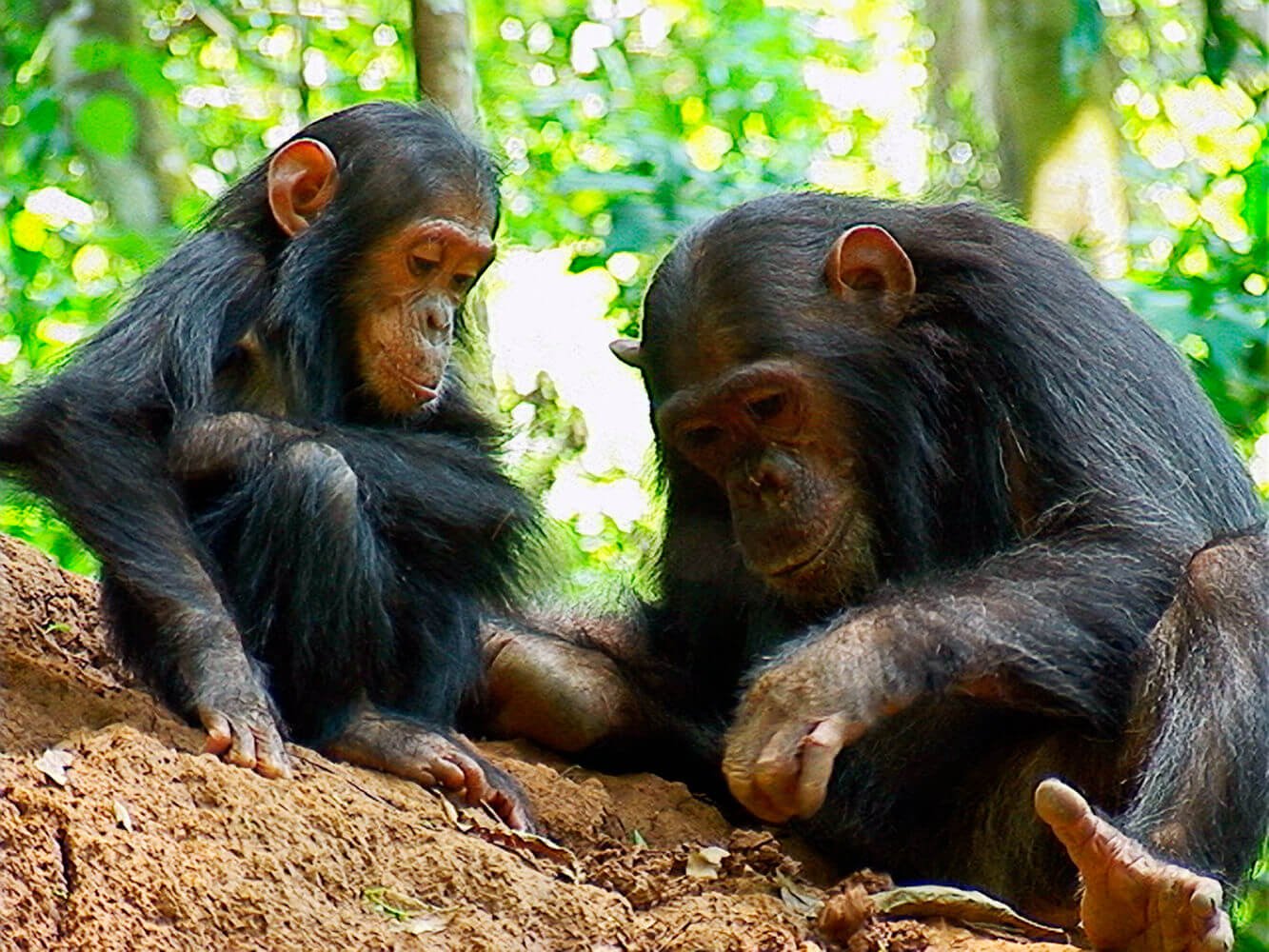
Venture into the rainforests of Mahale Mountains or Gombe Stream National Park for a profound wildlife encounter. Trekking to observe these intelligent primates in their natural habitat is a thrilling and unforgettable adventure.
Cultural Visits
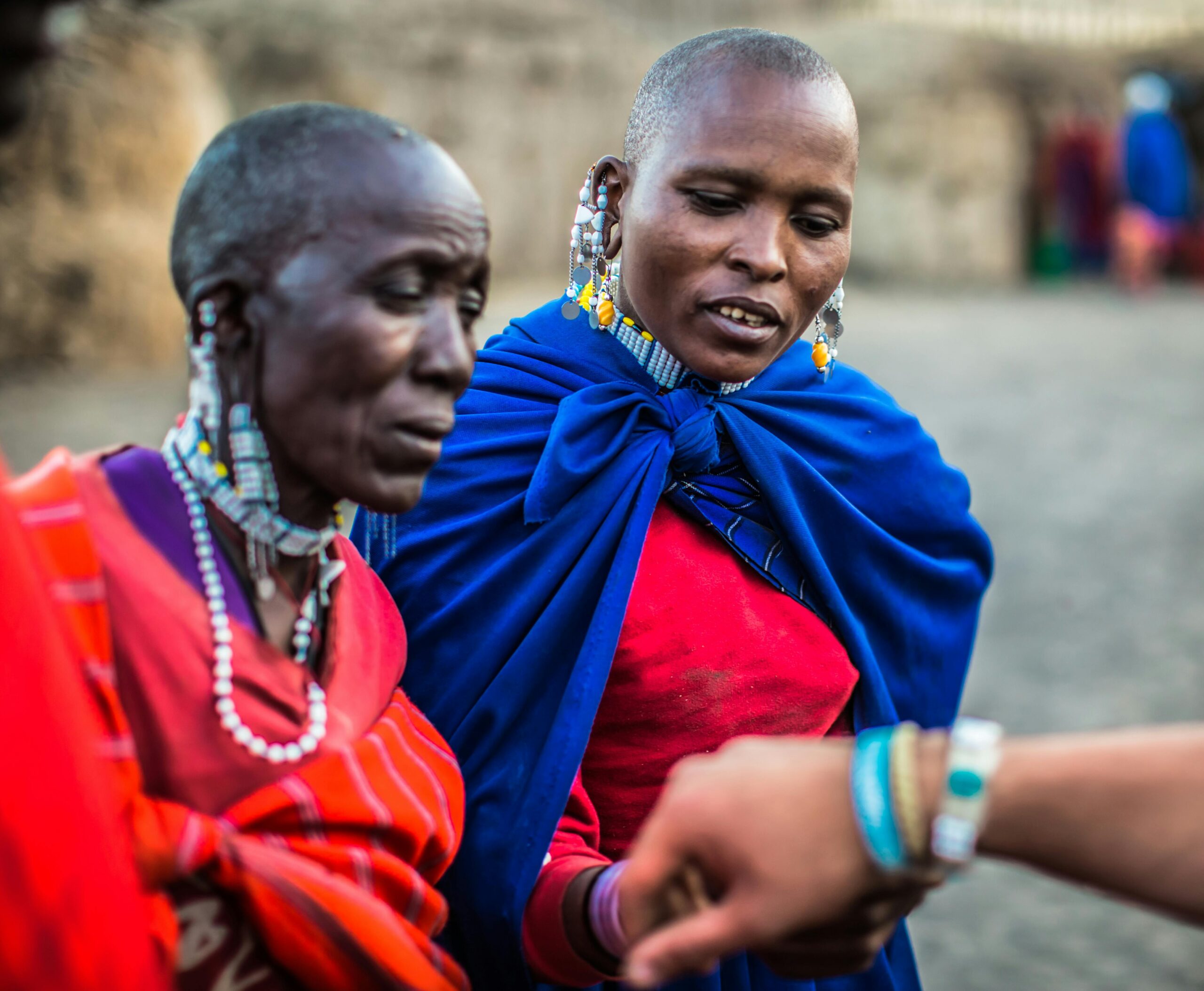
Gain a deep cultural understanding by spending time with local communities like the Maasai or Hadzabe tribes. These visits offer a unique opportunity to learn about traditional customs, dances, and ancient ways of life directly from the people.
Dhow Cruises in Zanzibar

Relax on a traditional wooden dhow boat and sail along the coast of Zanzibar as the sun sets. This peaceful cruise offers stunning views, a refreshing ocean breeze, and a perfectly romantic end to the day.
Spice Tours
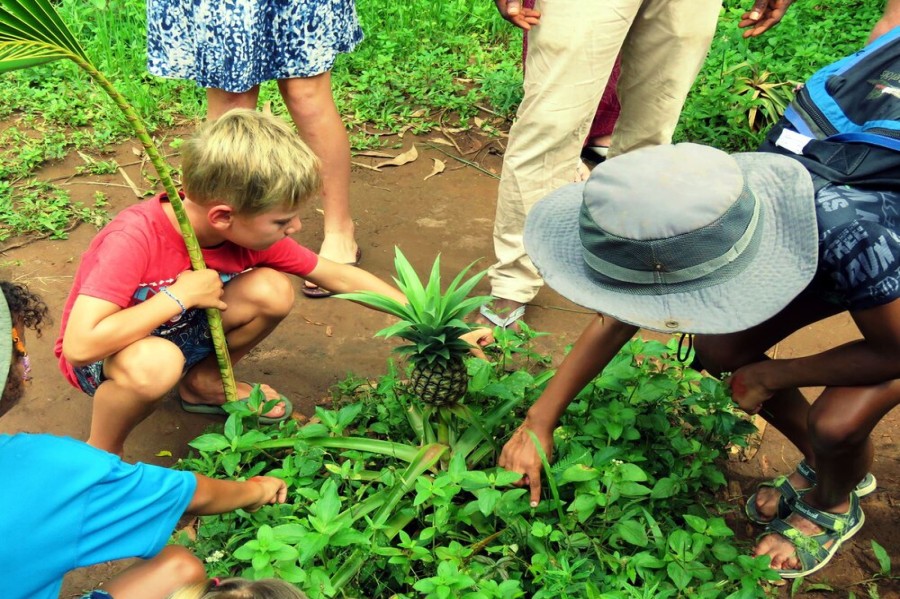
Engage your senses on a guided tour of Zanzibar’s fragrant spice farms. Discover the source of cloves, cinnamon, nutmeg, and other spices, and learn why the island is famously known as the “Spice Island.”
Must-See Attractions in Tanzania Safari
The Great Migration in Serengeti
Witness one of nature’s greatest spectacles as over a million wildebeest and zebra undertake a continuous, perilous journey across the vast Serengeti plains in a relentless cycle of survival, followed by Africa’s greatest predators.
The Ngorongoro Crater
Descend into the world’s largest intact volcanic caldera, a natural amphitheater teeming with a breathtaking concentration of wildlife, including the rare black rhino, all thriving within this unparalleled, self-contained ecosystem.
Mount Kilimanjaro
Stand in awe of Africa’s highest peak. This dormant volcano, the world’s tallest free-standing mountain, offers a legendary trek through five diverse climatic zones, culminating in a sunrise view from the roof of the continent.
Zanzibar’s Beaches
Unwind on the pristine, white-sand beaches of Zanzibar, where turquoise Indian Ocean waters meet palm-fringed shores, offering a perfect paradise of relaxation, water sports, and stunning sunsets after a safari.
A Tanzania safari is not just about wildlife—it’s about landscapes, culture, and once-in-a-lifetime moments. From the Big Five animals to the turquoise waters of Zanzibar, the country captures the spirit of Africa in a way few places can. With the right timing, planning, and understanding of what Tanzania offers, your journey will be unforgettable.
