

A Tanzania Safari Guide is designed to help travelers understand the essentials of planning an unforgettable safari. It covers iconic destinations like Serengeti National Park, home to the Great Migration, and the Ngorongoro Crater, famous for its rich concentration of wildlife. Key planning steps include choosing the Northern circuits, knowing the best times for game viewing, and preparing a budget that accounts for lodges, park fees, and transport. With the right guide, comfortable vehicles, and a well-structured itinerary, your Tanzania safari becomes a seamless journey into Africa’s wild beauty
Why Tanzania is a Top Safari Destination
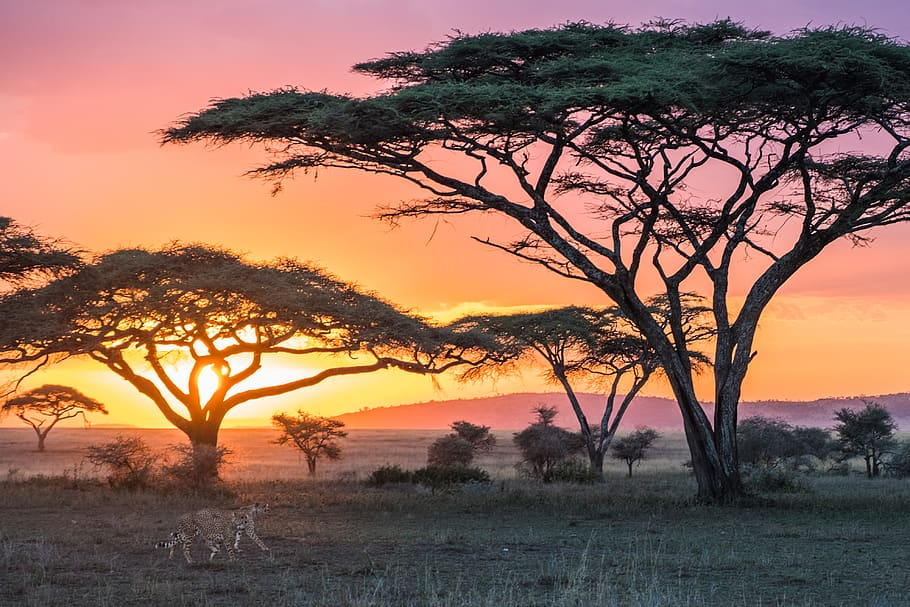
Tanzania stands out in East Africa for its remarkable biodiversity and expansive protected areas. The country is home to the Big Five—lion, leopard, elephant, buffalo, and rhinoceros—along with hundreds of other mammal and bird species. What truly sets Tanzania apart is the variety of landscapes: from vast savannahs to volcanic craters and idyllic coastlines. Unlike some more commercialized destinations, many parts of Tanzania remain relatively untouched, offering a more intimate connection with nature.
When is The Best Time for Safari in 2025–2026
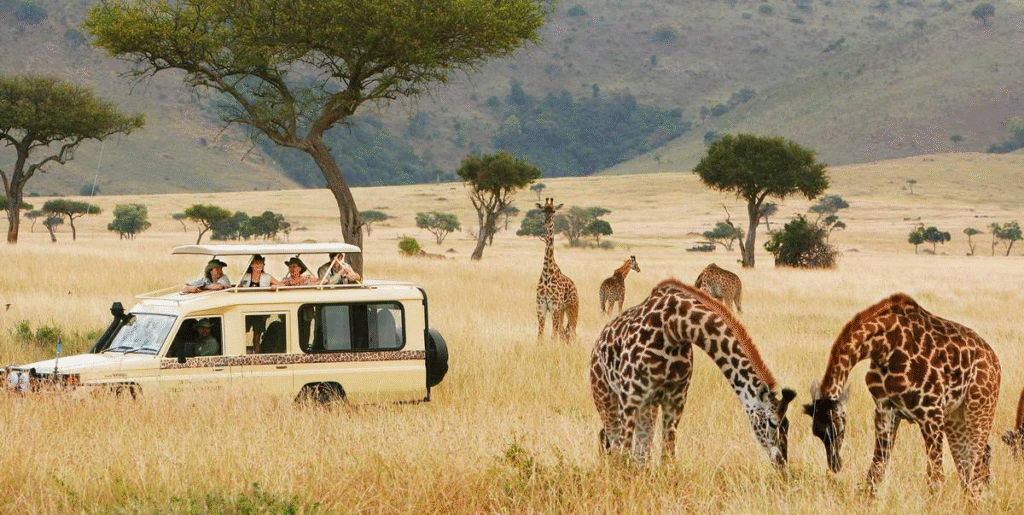
The ideal time to visit Tanzania for safari largely depends on what you want to see. The dry season, from late June to October, offers the best wildlife viewing as animals gather near water sources and vegetation is sparse. This period also coincides with the Great Wildebeest Migration in the Serengeti, especially during July and August. The wet seasons—short rains in November and December and long rains from March to May—bring fewer tourists and lush scenery, making it perfect for photography and birdwatching. In 2025 and 2026, anticipate climate fluctuations, so it’s wise to consult weather predictions and park conditions before finalizing your itinerary.
Tanzania Safari Guide Top Places to Visit and Things to Do
Exploring the Serengeti: The Heart of Tanzania Safari

Experiencing a Tanzanian safari in the Serengeti is a journey into nature’s grandest theater. Spanning nearly 15,000 square kilometers, this UNESCO World Heritage Site hosts the legendary Great Wildebeest Migration, where over a million wildebeest, zebras, and gazelles trek in a dramatic cycle of river crossings and predator encounters. By 2025–2026, enhanced conservation efforts and upgraded safari camps promise even richer travel experiences with a lighter environmental footprint. Whether you choose thrilling game drives, adventurous mobile camps, or a breathtaking hot air balloon safari, the Serengeti offers unforgettable moments at every turn.
Best Time to Visit Serengeti National Park
The Serengeti is a year-round safari destination, but the best time to visit depends on what you want to experience. For the Great Migration, the herds are in the southern Serengeti from December to March during calving season, offering incredible predator action. From June to July, the famous river crossings at the Grumeti and Mara Rivers unfold, considered the most dramatic safari scenes. If you prefer fewer crowds and excellent wildlife viewing, the dry season from June to October is ideal, as animals gather around water sources. The short rains in November bring lush landscapes and good game viewing, while birdwatchers will enjoy the green season from January to April when migratory species arrive.
Discovering the Ngorongoro Crater: A Natural Wildlife Haven
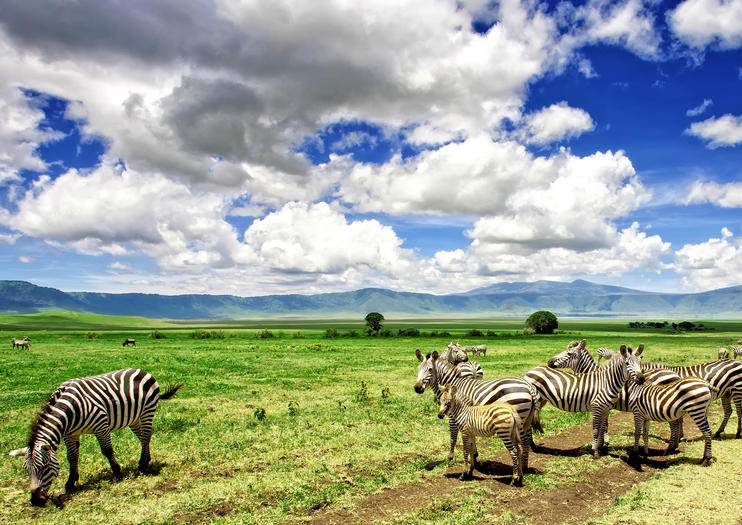
The Ngorongoro Crater is a unique, self-contained ecosystem teeming with wildlife. Formed by a collapsed volcano, this caldera is often called Africa’s “Garden of Eden.” Inside its walls, you’ll find an unusually dense population of animals, including black rhinos, elephants, and prides of lions. With excellent road infrastructure and accessibility, the crater is a perfect day-trip destination from Arusha or the Serengeti. In 2025–2026, new eco-regulations are likely to control traffic volume in the area, preserving its fragile environment and enhancing the visitor experience.
Best Time to Visit Ngorongoro Crater
The Ngorongoro Crater offers excellent game viewing year-round thanks to its high animal density, but the experience varies with the seasons. The dry season (June to October) is the most popular time to visit, with thinner vegetation making wildlife easier to spot and animals gathering near water sources. The wet season (November to May) transforms the crater into lush, green scenery, ideal for photography and birdwatching, especially from January to March when migratory birds arrive and many animals give birth. Although rain can make some tracks muddy, the crater is less crowded during this time, offering a more peaceful safari experience.
Tarangire National Park: A Hidden Gem for Elephant Lovers

Often overshadowed by its more famous neighbors, Tarangire National Park is a sanctuary for elephants and baobab trees. Especially during the dry season, this park becomes a haven for large herds of elephants, which gather near the Tarangire River. Birdwatchers will also appreciate the over 500 bird species that inhabit the park. Tarangire offers a quieter, less crowded alternative to the Serengeti, with excellent opportunities for walking safaris and night game drives, which may be further expanded under new park management initiatives in 2025–2026.
Best Time to Visit Tarangire National Park
Tarangire is best visited during the dry season (June to October) when large herds of elephants, zebras, wildebeest, and other animals gather around the Tarangire River, making wildlife viewing spectacular. This is also the best time to see the park’s famous giant baobab trees filled with birdlife. The wet season (November to May) brings lush, green landscapes and is excellent for birdwatching as migratory species arrive, but wildlife can be harder to spot since animals disperse into wider areas outside the park. For travelers seeking dramatic elephant gatherings and easy game viewing, the dry months are ideal, while nature lovers who enjoy scenery and birds may prefer the green season.
Lake Manyara National Park: Tree-Climbing Lions and Flamingos

Nestled at the base of the Great Rift Valley escarpment, Lake Manyara National Park is renowned for its tree-climbing lions, a rare behavior among big cats. The alkaline lake attracts thousands of flamingos and other water birds, creating a vibrant display of color and activity. Despite its smaller size, the park’s diverse habitats—from groundwater forests to hot springs—support a surprising variety of wildlife. With improved eco-lodging options expected in the next few years, Lake Manyara will remain a must-visit for those seeking a compact yet rich safari experience.
Best Time to Visit Lake Manyara National Park.
Lake Manyara is a year-round destination, but the experience differs by season. The dry season (June to October) is best for spotting wildlife such as elephants, giraffes, hippos, and the park’s famous tree-climbing lions, as animals gather around the shrinking lake and water sources. The wet season (November to May) transforms the park into a lush paradise, perfect for birdwatching, especially flamingos and migratory species, with the scenery at its greenest. While game viewing can be slightly harder during the rains, the fewer crowds and vibrant landscapes create a more peaceful safari atmosphere.
The Great Wildebeest Migration: A Once-in-a-Lifetime Spectacle

One of the world’s most dramatic natural events, the Great Migration is a continuous movement of over a million wildebeest and other animals across the Serengeti and into Kenya’s Maasai Mara. The migration is driven by rainfall and grazing patterns, with key events including the perilous Mara River crossings and the birthing season in the southern Serengeti. In 2025 and 2026, safari operators are offering more accurate migration tracking and customized tours to align your visit with this extraordinary phenomenon. Planning your travel around this event will reward you with scenes of raw nature, survival, and wonder.
Climbing Mount Kilimanjaro: The Roof of Africa

Beyond wildlife, Tanzania offers the ultimate trekking adventure: Mount Kilimanjaro. Rising nearly six thousand meters above sea level, Kilimanjaro is the highest peak in Africa and a bucket-list climb for many. While the climb doesn’t require technical skills, it does demand endurance and acclimatization. With improved safety regulations, trail maintenance, and guided services, the mountain remains accessible for adventurers in 2025–2026. Popular routes like Machame and Lemosho continue to offer scenic diversity and increasing eco-sustainability, giving climbers a chance to ascend responsibly.
Cultural Encounters: Meet the Maasai and Hadzabe Tribes

A safari in Tanzania isn’t only about wildlife—it’s also a chance to connect with the people who call this land home. The semi-nomadic Maasai tribe, known for their distinct red attire and traditional lifestyle, often welcome visitors into their bomas (villages). You’ll learn about their customs, music, and pastoral life. In northern Tanzania, you can also meet the Hadzabe, one of the last remaining hunter-gatherer tribes in Africa. As cultural tourism initiatives expand in 2025–2026, respectful and educational encounters are expected to become even more immersive and ethically managed.
Zanzibar: A Coastal Escape After Safari
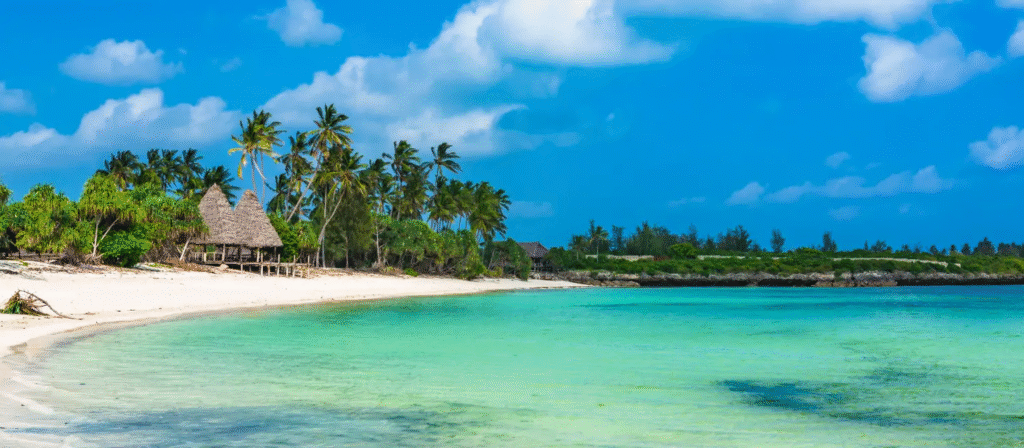
After the dust and adrenaline of the bush, many travelers choose to unwind on the beaches of Zanzibar. This semi-autonomous archipelago off the Tanzanian coast offers pristine white-sand beaches, turquoise waters, and a rich Swahili-Arab heritage. Stone Town, a UNESCO-listed site, is filled with history, spice markets, and colonial architecture. Water lovers can enjoy snorkeling, scuba diving, and dhow sailing. As of 2025, new ferry services and eco-friendly resorts are making the island more accessible and sustainable for post-safari relaxation.
Choosing the Right Safari Experience
Tanzania offers a wide range of safari experiences—from luxury lodges to budget-friendly overland tours. For a deeply immersive trip, consider private or small-group safaris that provide flexibility and a personalized touch. If you’re looking for a more adventurous experience, opt for camping safaris or mobile tented camps. For families or honeymooners, many operators now offer specialized itineraries that blend wildlife with relaxation or romance. In 2025–2026, digital tools and travel apps are making it easier than ever to book, plan, and customize your safari journey.
Responsible Travel and Conservation in 2025–2026
Conservation is a central theme in Tanzanian tourism. With the rise of sustainable travel, the next few years will see increased efforts to balance tourism with wildlife preservation. Many safari camps are adopting solar power, waste reduction, and community development programs. Travelers are encouraged to choose eco-certified operators and to respect park rules that minimize environmental impact. Engaging in conservation-oriented tourism not only ensures the survival of these natural treasures but also enriches your own safari experience.
Final Thoughts: Planning Your Safari Journey
A safari in Tanzania is more than just a vacation—it’s a profound connection with nature, culture, and self. Whether you’re tracking lions in the Serengeti, gazing into the depths of the Ngorongoro Crater, or sharing stories with Maasai elders, each moment offers something deeply personal and unforgettable. With careful planning, respectful travel choices, and an open heart, your Tanzanian adventure in 2025 or 2026 will be one of the most transformative journeys of your life.
