

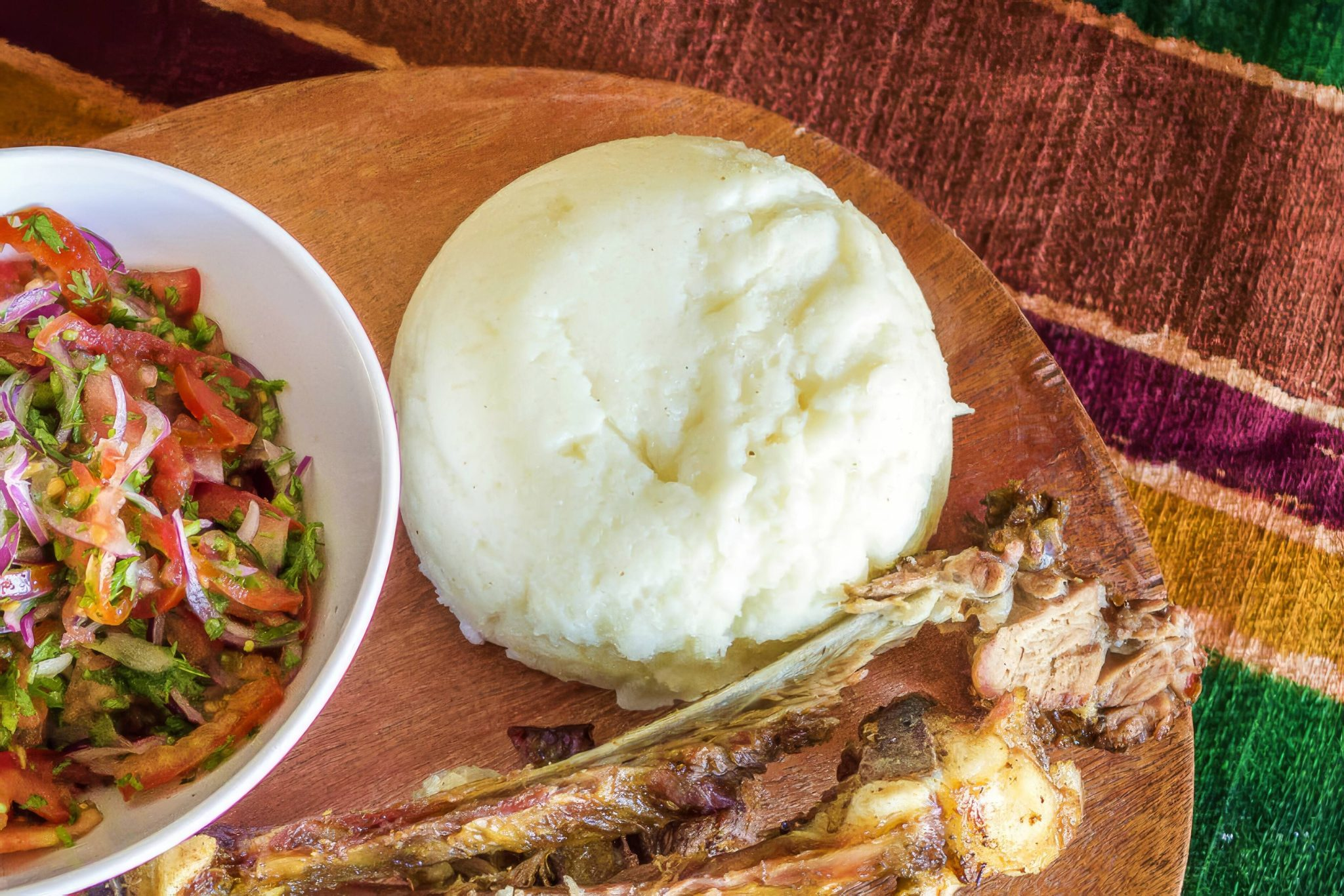
Tanzania Food Culture: Spices, Flavours, and Stories Tanzania’s food culture is a rich blend of African traditions, coastal influences, and centuries of trade that brought spices and new flavors to its shores. From the fragrant spice markets of Zanzibar to the maize fields of the mainland, every dish tells a story of history and community. Staples like ugali, pilau, and chapati are not just meals but cultural symbols, while spices such as cloves, cinnamon, and cardamom add depth and identity to Tanzanian cuisine. Food is central to celebrations, family gatherings, and hospitality, where sharing a meal reflects unity, respect, and warmth. Each bite is more than flavor—it is a living story of Tanzania’s people and heritage.
A Taste of Tanzania
Tanzania’s food culture is a vibrant reflection of its people, history, and geography. From the coastal towns of Zanzibar to the fertile highlands of Kilimanjaro, food is more than just nourishment—it is a story of trade, tradition, and togetherness. Influenced by African roots, enriched by Arab and Indian traders, and seasoned with local creativity, Tanzanian cuisine offers a unique blend of spices, flavors, and culinary traditions that bring people together around every meal.
The Spice Legacy of Zanzibar
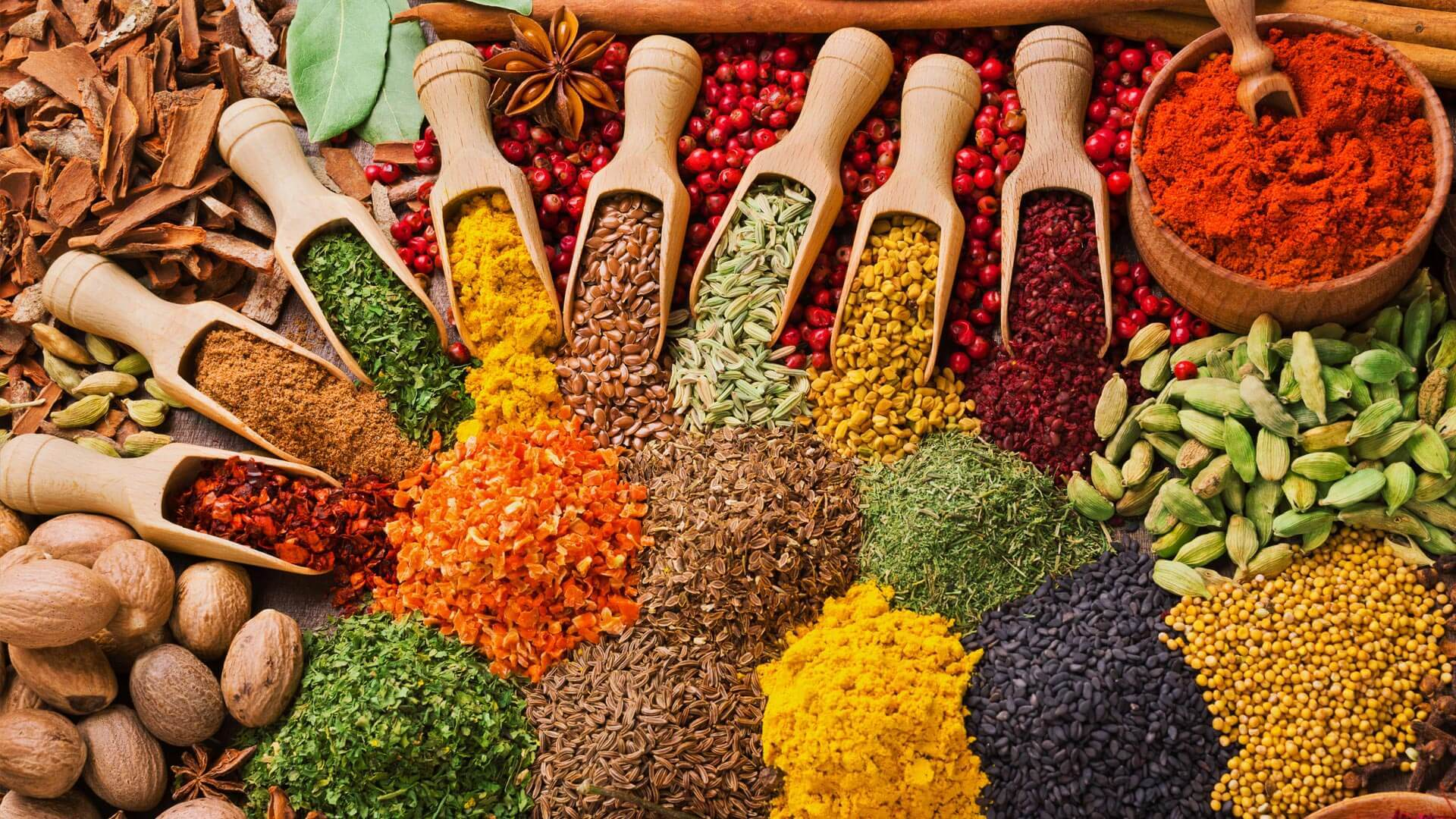
Often called the “Spice Islands,” Zanzibar is the heart of Tanzania’s culinary identity. Cloves, cinnamon, nutmeg, black pepper, and cardamom are not just ingredients but a living reminder of the region’s historical spice trade. These spices infuse everyday dishes with warmth and depth, making meals aromatic and flavorful. Beyond their taste, spices play a cultural role in traditional medicine, marriage ceremonies, and storytelling—showing how food and heritage are deeply connected.
Everyday Flavours: The Staples of Tanzanian Cuisine

In Tanzanian households, food is both simple and meaningful. Ugali, a stiff porridge made from maize flour, is the national staple and often paired with vegetables, fish, or meat stews. Along the coast, rice dishes like pilau and biryani shine, showcasing rich layers of spice and technique passed down through generations. Fresh fish, coconuts, bananas, cassava, and beans dominate the diet, reflecting the abundance of land and sea. Meals are usually shared from one large platter, emphasizing community, equality, and unity.
Stories Behind Traditional Dishes

Every dish in Tanzania carries a story. Nyama choma (grilled meat) is not just food but a social event, where friends gather around fire and conversation. Chapati, a flatbread introduced by Indian migrants, has become a beloved Tanzanian breakfast and symbol of cultural exchange. On the islands, octopus curry with coconut milk tells tales of coastal life and the ocean’s gifts. These meals are more than flavors—they are narratives of history, migration, and resilience.
Food as Celebration and Identity
Food plays a central role in Tanzanian celebrations, whether during weddings, Eid, Christmas, or harvest festivals. Dishes are carefully prepared to reflect hospitality and respect. Guests are always served first, and sharing food symbolizes peace and friendship. In rural communities, cooking together strengthens bonds, while in urban areas, dining out has become a way to express modern lifestyles without losing traditional roots.
Tanzania Food Culture: Spices, Flavours, and Stories

Tanzania’s food culture is a beautiful reflection of its diverse heritage, shaped by African traditions, Arab and Indian influences, and the natural bounty of land and sea. In Zanzibar, the “Spice Islands,” aromas of cloves, cinnamon, and cardamom define the cuisine, while on the mainland, staples like ugali, rice, beans, and plantains form the foundation of everyday meals. Each dish carries a story—whether it is pilau cooked during celebrations, chapati enjoyed at breakfast, or nyama choma shared among friends, food always brings people together. Beyond nourishment, Tanzanian cuisine represents history, hospitality, and identity, showing how flavors and spices connect generations through stories, traditions, and community spirit.
Conclusion: The Heart of Tanzanian Culture
Tanzanian food culture is a living story written in spices, flavors, and traditions. It carries the memory of ancient trade, the warmth of family gatherings, and the creativity of communities that turn simple ingredients into extraordinary dishes. To taste Tanzanian food is to experience its history, feel its hospitality, and understand its people. Each bite is not just about flavor—it is about connection, culture, and the spirit of Tanzania.
