
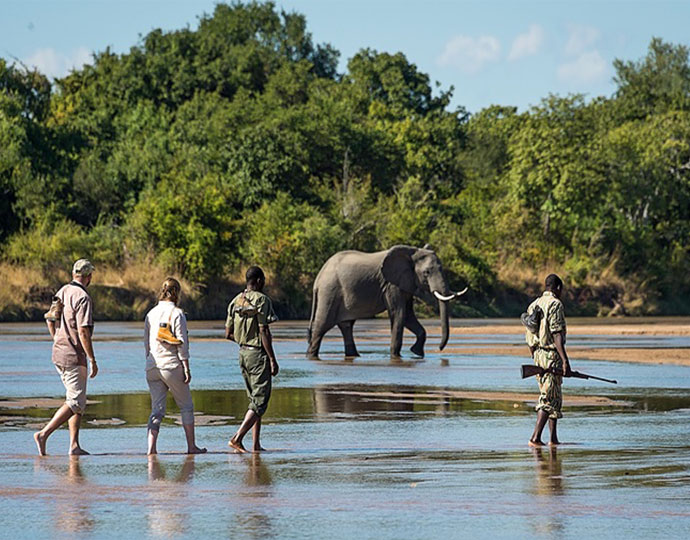

Tanzania and Zanzibar offer a captivating blend of African adventures, from the vast plains teeming with wildlife in renowned national parks like the Serengeti and Ngorongoro Crater to the idyllic, spice-scented beaches and rich cultural heritage of Zanzibar. For a truly immersive and stress-free first-time experience, consider exploring options like a “Jambo International Tour,” which can provide expertly guided safaris and cultural excursions. This guide further provides essential travel tips for all first-time visitors, whether opting for an organized tour or independent exploration, ensuring a smooth and memorable journey through these stunning East African destinations.
Before You Go:
- Visa and Passport: Ensure your passport is valid for at least six months beyond your intended stay. Most nationalities require a visa, which can often be obtained online in advance through the official Tanzanian government website or sometimes on arrival at the airport or seaport. It’s wise to check the specific requirements for your nationality well before your travel dates. Print out your hotel confirmation and return flight ticket.
- Vaccinations and Health: Consult your healthcare provider about recommended vaccinations, which typically include routine vaccines. Yellow fever vaccination is often required if you’re arriving from or transiting through countries with a risk of yellow fever transmission. Malaria is a risk, so discuss preventative medication and pack insect repellent, long-sleeved clothing, and mosquito nets. Consider travel health insurance, which is mandatory in Zanzibar as of October 1, 2024, through the Zanzibar Insurance Corporation (ZIC).
- Currency: The official currency is the Tanzanian Shilling (TZS), but US dollars are widely accepted, especially in tourist areas. However, it’s advisable to have some local currency for markets and smaller establishments. Credit cards are accepted at larger hotels and restaurants, but fees may apply. ATMs are available in major towns but may have withdrawal limits and charges. Newer USD banknotes (issued from 2010 onwards) in good condition are preferred.
- Packing: Pack light, breathable clothing suitable for a tropical climate. Include swimwear, a light jacket or sweater for cooler evenings, comfortable walking shoes, sandals, a hat, sunglasses, and sunscreen. Modest dress is expected, especially in Stone Town and local villages in Zanzibar, so pack long skirts or loose pants and tops that cover your shoulders. A sarong (kanga) can be very useful.
- Language: Swahili and English are the official languages. Learning a few basic Swahili phrases like “Jambo” (hello), “Asante” (thank you), and “Karibu” (welcome) can enhance your interactions with locals.
- Offline Resources: Download offline maps (like Google Maps or Maps.me), translation apps, and any essential travel documents. Internet connectivity can be unreliable in some areas.
Safety and Security:
- Be aware of your surroundings and take precautions against petty theft, especially in crowded areas and on public transport. Avoid walking alone at night.
- Use reputable taxi services or pre-arranged transfers. Negotiate the fare before starting your journey if a meter is not used. Ride-sharing apps are also an option in some areas.
- Do not accept food or drinks from strangers. Drink only bottled or treated water and avoid ice cubes. Be cautious about eating raw or undercooked food.
- Respect local laws and customs. Same-sex relations are illegal in Tanzania. Plastic bags are banned. It’s illegal to photograph military zones or personnel.
- Wildlife can be dangerous; always maintain a safe distance and follow the instructions of your guides during safaris.
Getting Around:
- Tanzania: For safaris and longer distances, consider organized tours or private transfers. In cities like Dar es Salaam and Arusha, taxis are readily available. Buses (including “dala-dalas,” which are shared minivans) are a more budget-friendly option for intercity travel but can be crowded and less reliable. Renting a car is possible with an international driver’s license, but be aware of local driving habits and road conditions (driving is on the left).
- Zanzibar: Taxis are the most common mode of transport for tourists. Agree on the fare beforehand. Dala-dalas are used by locals but may not be the most convenient for first-time visitors. Renting a car or scooter is possible, but exercise caution. Pre-arranged airport transfers are recommended. There is no public transportation specifically for tourists.
Things to Do:
Tanzania:

- Wildlife Safaris: Embark on unforgettable game drives in world-renowned national parks like the Serengeti, famous for the annual Great Migration of wildebeest and zebra, the breathtaking Ngorongoro Crater, a natural wonder teeming with diverse wildlife, Tarangire, known for its large elephant herds and baobab trees, and Lake Manyara, with its tree-climbing lions and pink flamingoes. Consider hot air balloon safaris for a unique perspective.
- Mount Kilimanjaro: Challenge yourself to climb Africa’s highest peak, a majestic dormant volcano with various routes catering to different fitness levels (requires proper preparation, acclimatization, and experienced guides). Even if you don’t climb, admire its snow-capped beauty from afar.
- Cultural Experiences: Immerse yourself in the vibrant local culture by visiting authentic Maasai villages, learning about their traditions and way of life. Explore bustling local markets in towns like Arusha and Moshi, offering colorful fabrics, crafts, and fresh produce. Consider visiting historical sites like the Olduvai Gorge, the “Cradle of Mankind.”
- Lake Victoria: Explore Africa’s largest lake, go fishing, visit local fishing villages, or take a boat trip to nearby islands.
- Hiking and Trekking: Discover the scenic landscapes of the Usambara Mountains or the Udzungwa Mountains National Park, offering excellent hiking trails and diverse flora and fauna.
Zanzibar:

- Beaches: Unwind on the pristine white-sand beaches of the north (Nungwi, Kendwa), known for calmer waters and vibrant nightlife, the east coast (Paje, Jambiani, Matemwe), characterized by tidal shifts and seaweed farming, and the quieter south. Enjoy sunbathing, swimming in the turquoise waters, and beachside relaxation. Be mindful of tides, especially on the east coast, which can significantly impact swimming and water activities.
- Stone Town: Delve into the fascinating history and culture of this UNESCO World Heritage site, wandering through its labyrinthine alleyways, admiring the unique blend of Arab, Persian, African, and European architecture, visiting historical landmarks like the House of Wonders and the Old Fort, and experiencing the bustling Darajani Market.
- Spice Tours: Engage your senses on aromatic tours of local spice plantations, learning about the cultivation and uses of cloves, nutmeg, cinnamon, and other fragrant spices that have earned Zanzibar the moniker “Spice Island.”
- Water Activities: Dive or snorkel in the crystal-clear waters to explore vibrant coral reefs and diverse marine life around islands like Mnemba Island, renowned for its exceptional diving and snorkeling opportunities. Enjoy traditional dhow cruises, especially at sunset, and look out for playful dolphins on guided tours. Consider trying kitesurfing or windsurfing, particularly on the east coast.
- Jozani Forest: Encounter the unique endemic red colobus monkeys in their natural habitat within this protected forest. Explore the mangrove ecosystem and learn about the local flora and fauna.
- Prison Island (Changuu Island): Take a boat trip to this island, home to giant Aldabra tortoises and historical remnants of its past as a prison and quarantine station.
- Cultural Experiences: Visit local villages to experience Zanzibari life firsthand, learn about traditional crafts, and perhaps enjoy local cuisine. Consider attending a Taarab music performance, a traditional Swahili musical genre.
Cultural Considerations:
- Tanzania and Zanzibar have a diverse cultural landscape with a significant Muslim population in Zanzibar. Dress modestly in public areas.
- Friday is the Islamic holy day; many businesses in Stone Town may close around midday for prayers.
- Politeness and respect are highly valued. Greet people and engage in brief small talk before getting to the point.
- Avoid taking photos of people without their permission. If you wish to offer food or items to children, it’s respectful to ask their parents first.
Budgeting:
- The cost of your trip will vary depending on your travel style and activities. Tanzania safaris can range from budget camping options to luxury lodges. Zanzibar offers a range of accommodations from budget guesthouses to high-end resorts. Factor in costs for visas, flights, accommodation, food, transportation, activities, and tips. Tipping is customary in tourist-oriented establishments (around 3-5% in restaurants, a small amount for hotel staff assisting with luggage).
While keeping these tips in mind will set you up for a fantastic independent journey, consider enhancing your first-time experience with a local touch by exploring options like a “Jambo International Tour.” These tours can provide expertly guided safaris in Tanzania’s renowned parks and immersive cultural experiences, taking the logistical stress out of planning and offering deeper insights into the region’s wonders. By blending independent exploration with the expertise of a reputable local operator, you can truly maximize your adventure in Tanzania and Zanzibar. Enjoy your Jambo (hello/how are you?) to the wonders of East Africa!
