

Exploring Kaole Ruins: Discovering Swahili History in Bagamoyo The Kaole Ruins, located just a few kilometers from Bagamoyo, Tanzania, stand as a powerful reminder of the region’s Swahili history and cultural heritage. These ruins date back to the 13th and 14th centuries, making them some of the oldest surviving evidence of early Swahili settlements along the East African coast. For travelers seeking to understand the roots of the Swahili civilization, Kaole offers a glimpse into the rich blend of African, Arab, and Persian influences that shaped coastal life for centuries.
Historical Significance of Kaole

Kaole was once a thriving trading town that connected the East African coast with the wider Indian Ocean trade network. Merchants from Arabia, Persia, India, and even China visited this settlement, exchanging goods such as spices, ivory, and textiles. The prosperity of Kaole is evident in the architectural remains, including mosques and tombs, which show the deep cultural and religious ties with Islam. The ruins highlight the role of Bagamoyo and its surroundings as an important hub for trade, migration, and cultural exchange.
Ancient Mosques of Kaole
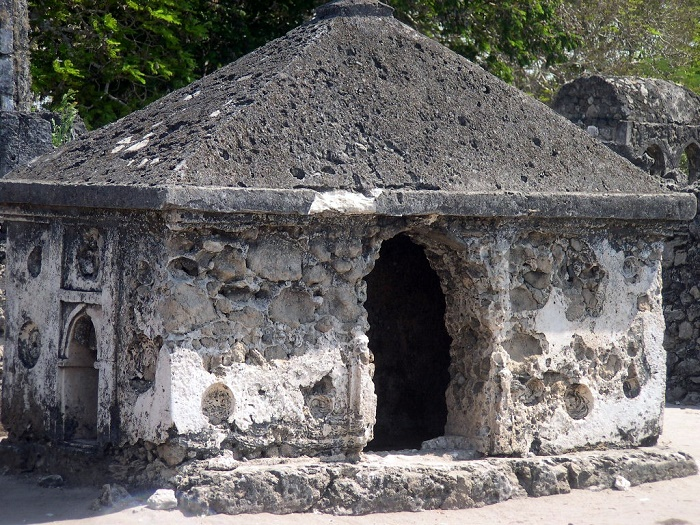
One of the most striking features of the site is the ancient mosques, built using coral stones and lime mortar. The oldest mosque is believed to date back to the 13th century, making it one of the earliest Islamic places of worship in East Africa. Although much of the structure has crumbled, the foundation and some walls remain, offering a fascinating look into Swahili architecture. These mosques not only served as centers for religious practice but also symbolized the spread of Islam and its integration into Swahili culture.
The Stone Tombs and Their Stories

The Kaole Ruins are also famous for their stone tombs, which include both simple graves and elaborately decorated structures. Many of these tombs belong to local rulers, religious leaders, and wealthy traders. The designs on the tombs reflect a mix of African traditions and Islamic artistry, representing the cultural fusion that defined the Swahili Coast. Visitors often find these tombs moving, as they embody centuries of history and the stories of people who once shaped the region’s destiny.
Exploring Kaole Ruins: Discovering Swahili History in Bagamoyo The Cultural and Spiritual Heritage
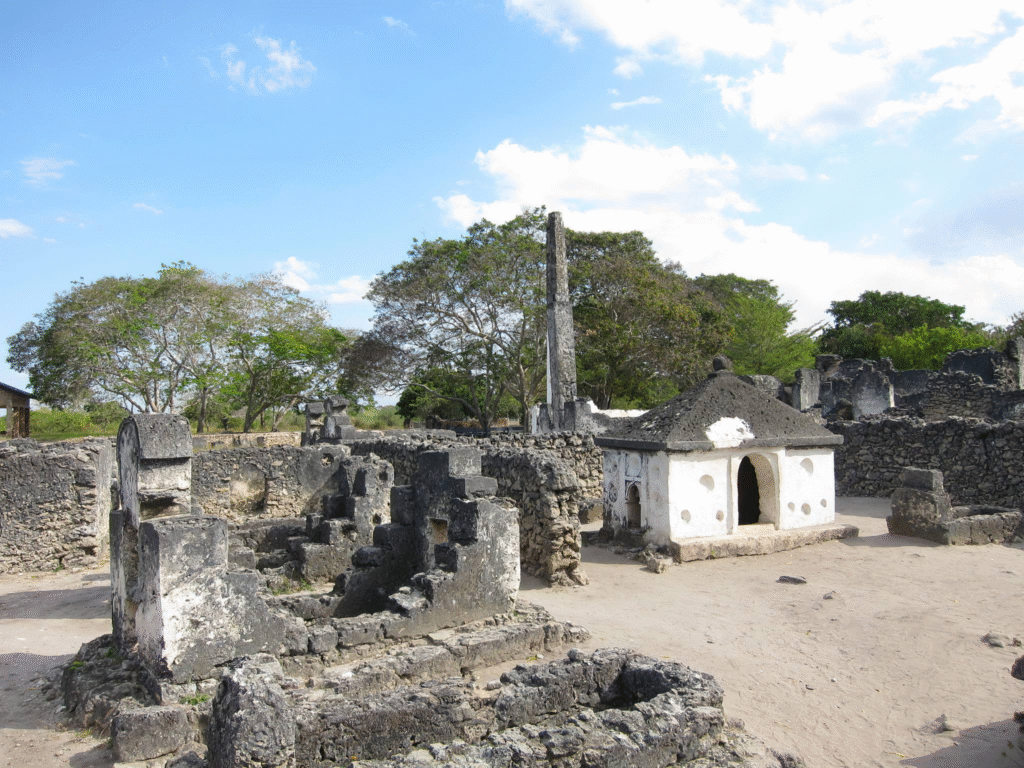
Kaole is not just a site of ruins—it remains a place of cultural and spiritual significance for local communities. Many people still visit the site to pay respects at the tombs, believing they hold blessings. The ruins also provide a sense of identity and continuity, connecting present generations with their ancestors and their place in the long history of the Swahili Coast. This living heritage is what makes Kaole more than just an archaeological site.Kaole Museum and Learning Experience
Next to the ruins is a small museum where artifacts from the site are preserved and displayed. Items such as pottery, coins, beads, and tools give visitors an even deeper understanding of daily life in Kaole centuries ago. The museum helps paint a fuller picture of the settlement’s role in the Indian Ocean trade and its connection with other cultures. For history lovers, this is a must-visit part of the experience.
Visiting Kaole Today

Exploring Kaole Ruins is a journey back in time. The site is surrounded by mangroves and the coastal breeze, creating a peaceful atmosphere that contrasts with the bustling history it once held. Travelers are encouraged to take guided tours, which provide detailed explanations of the ruins and their historical importance. A visit here is not only educational but also deeply inspiring, as it allows one to walk in the footsteps of early Swahili settlers.
Conclusion: Why Kaole Matters
Kaole Ruins are more than stones and relics—they are a story of resilience, cultural exchange, and the legacy of the Swahili civilization. They remind us of Bagamoyo’s importance as a cultural and trading hub in East Africa’s history. For modern visitors, Kaole offers a chance to discover the roots of Swahili culture, connect with Tanzania’s past, and appreciate the rich heritage that continues to shape the present.
