
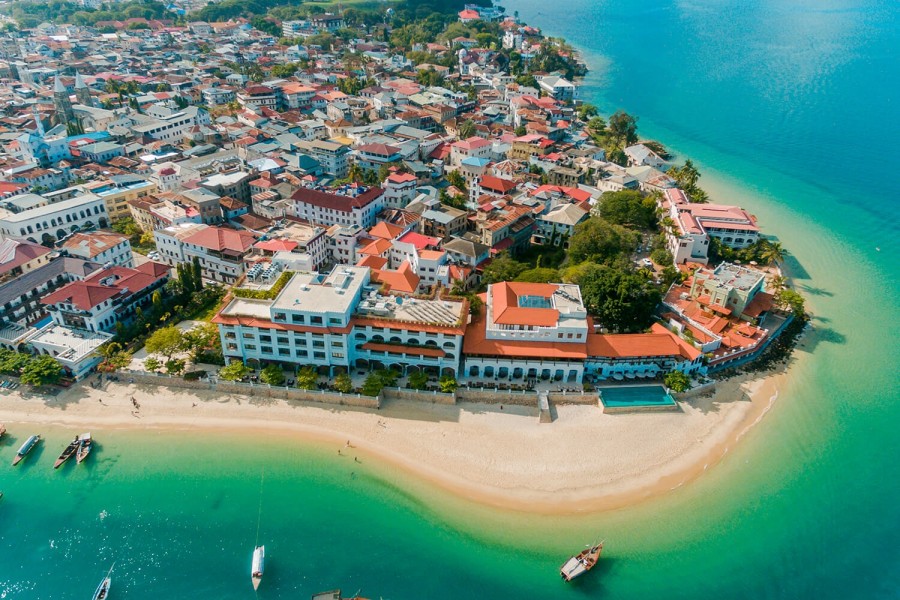

Stone Town in Zanzibar is a UNESCO World Heritage Site, rich with history, culture, and stunning architecture. A historical walking tour through this vibrant area offers a glimpse into the past, showcasing the island’s fascinating mix of African, Arab, Indian, and European influences. With Jambo International Tour, you can experience these historical landmarks firsthand. Here’s what you can expect to explore on a walking tour:
Stone Town, Zanzibar: Historical Walking Tours 2025-2026 House of Wonders (Beit-al-Ajaib)
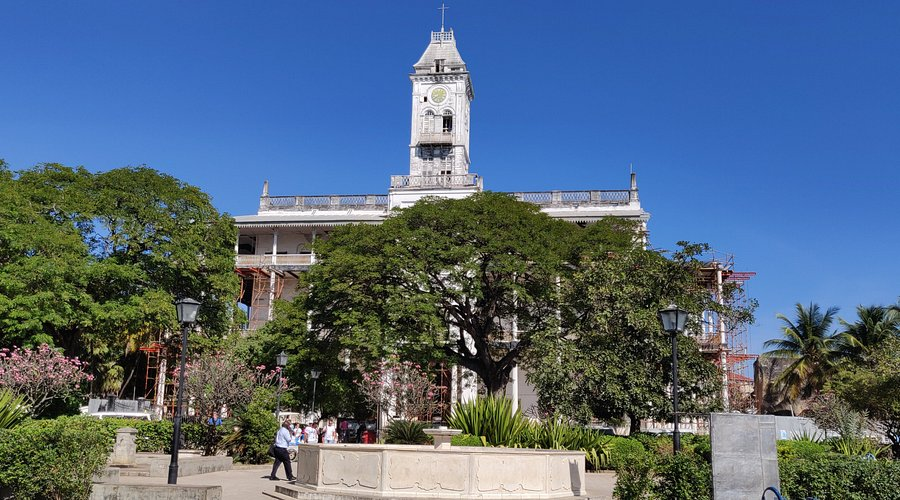
Historical Significance: Built in 1883, this grand building was once the palace of the Sultan of Zanzibar. It’s called the “House of Wonders” because it was the first building in Zanzibar to have electricity and an elevator.
What to See: Learn about the history of Zanzibar’s sultans and the island’s role as a major hub in the slave trade and spice trade.
The Old Fort (Ngome Kongwe)
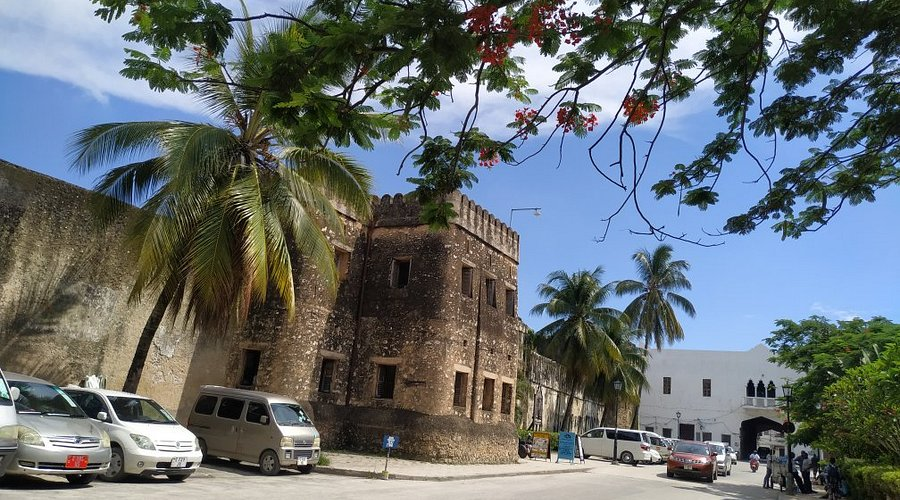
Historical Significance: This 17th-century structure was built by the Omanis to defend against the Portuguese. Over time, it has been used for various purposes, including as a prison.
What to See: Explore the fort’s history and enjoy the surrounding cultural events. It’s also a venue for local performances and artisans.
The Slave Market and Memorial

Historical Significance: Zanzibar was one of the last places to abolish the slave trade, and the site of the old slave market is sobering and significant.
What to See: The memorial stands on the site of the former slave market, and you can visit the underground chambers where slaves were held before being auctioned. It’s a poignant reminder of Zanzibar’s darker history.
Stone Town, Zanzibar: Historical Walking Tours 2025-2026 Forodhani Gardens

Historical Significance: These gardens have long been a gathering place for locals and visitors. While they’re more famous for their food stalls today, they have a long history as a social and political center.
What to See: Enjoy views of the sea, the Old Fort, and the House of Wonders. It’s a great spot for a break during your tour.
The Sultan’s Palace (Beit el-Sahel)
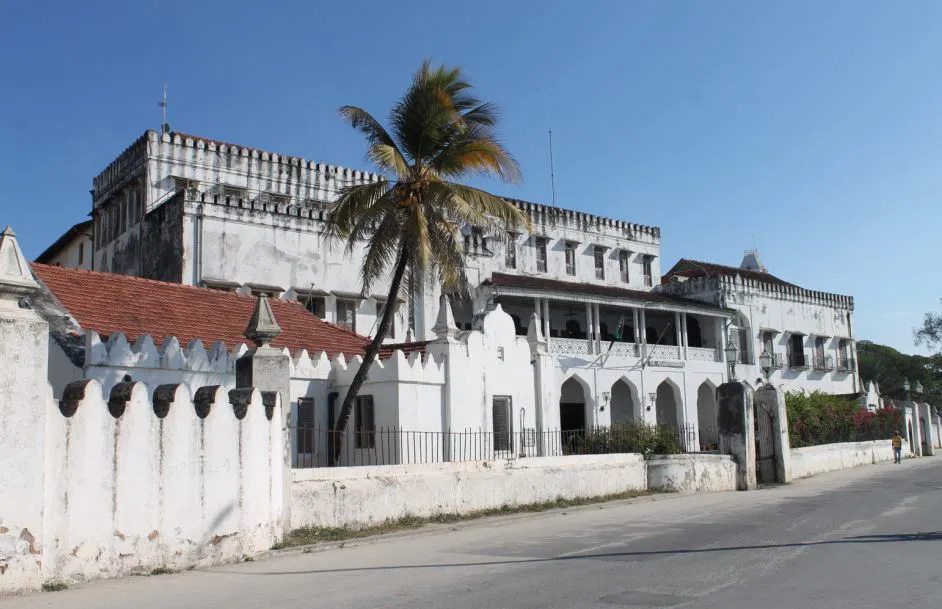
Historical Significance: This was the palace of the Sultan of Zanzibar and is now a museum that displays the history and lifestyle of the royal family.
What to See: Learn about the last sultans of Zanzibar and explore the palace rooms and gardens.
Stone Town’s Streets and Architecture
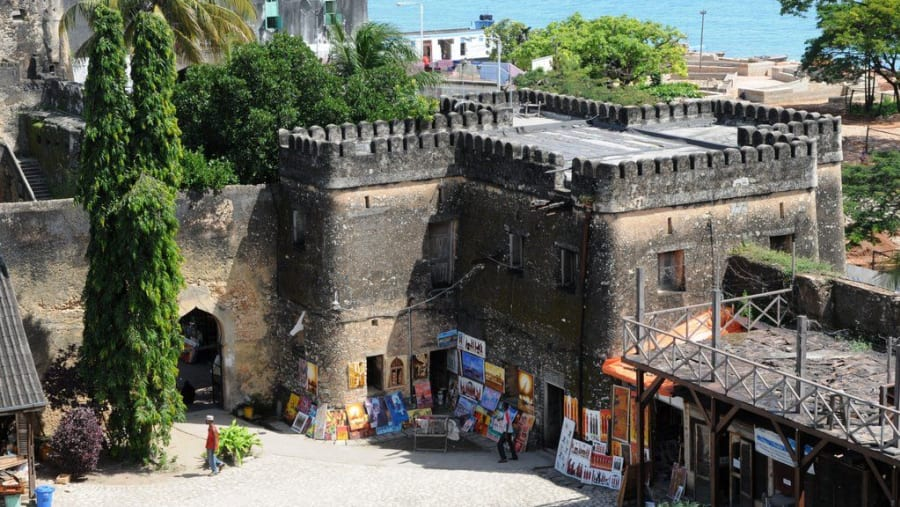
Historical Significance: Stone Town is a labyrinth of narrow alleys, historic buildings, and carved doors. The architecture is a blend of Arab, Indian, European, and African styles.
What to See: Walking through the town’s streets gives you a feel of its rich cultural heritage. The intricate wooden doors, spice markets, and old merchant houses are all part of Zanzibar’s charm.
The Old Dispensary
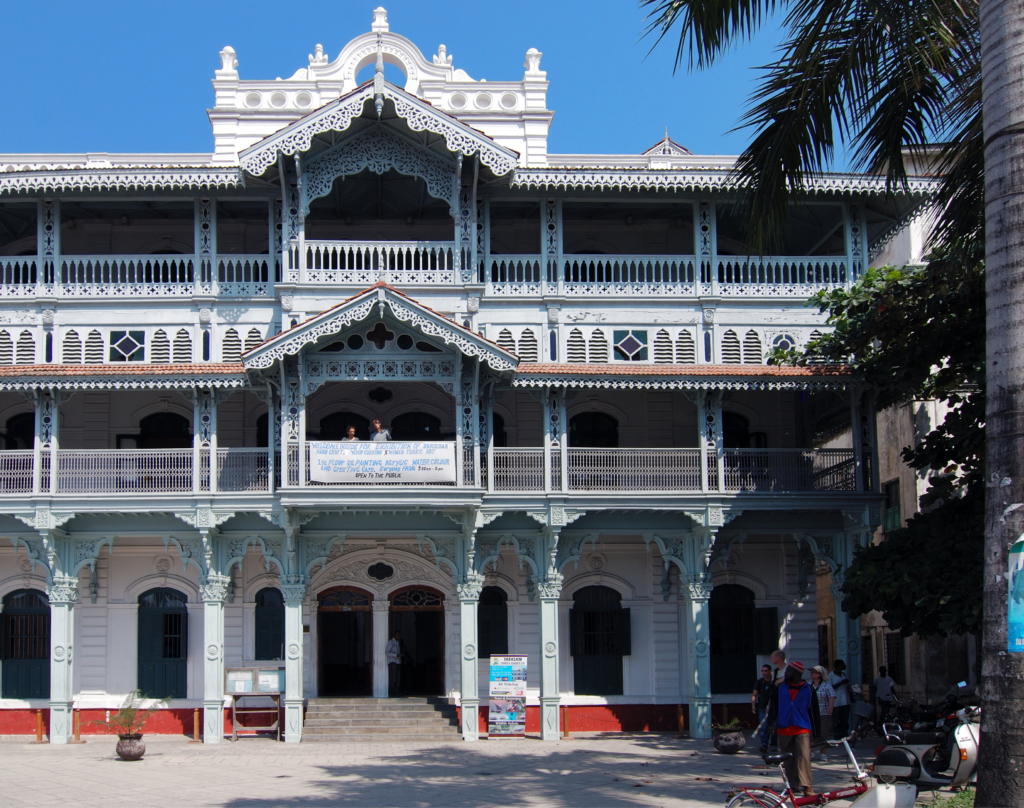
Historical Significance: Built in the late 19th century, this former hospital has been restored and is now a museum. The building itself is a great example of the Indo-Arabian style of architecture.
What to See: View exhibitions about Zanzibar’s cultural diversity, health care history, and medical practices in the region.
Hamamni Persian Baths

Historical Significance: Constructed in the late 19th century, these were the first public baths on the island, and they reflect Zanzibar’s history as a crossroads of trade and cultural exchange.
What to See: Though not used today, you can see the intricate tile work and learn about the social customs around bathing in Zanzibar.
Jaws Corner
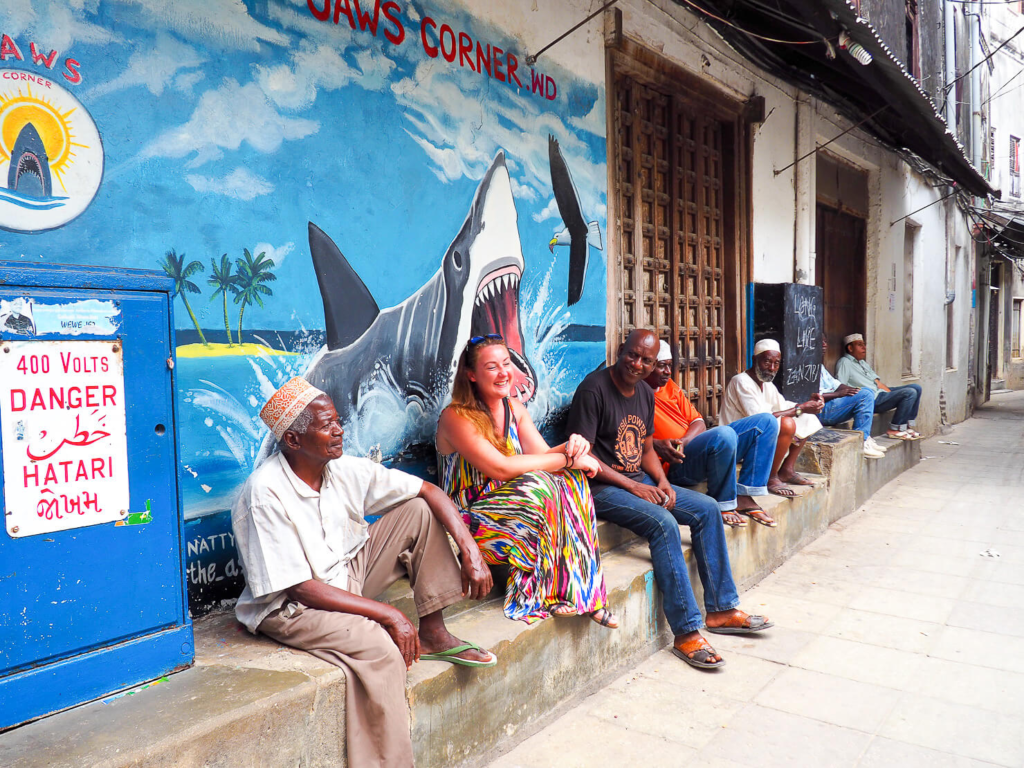
Historical Significance: This small corner is a famous hangout spot for locals. It’s a great place to experience Zanzibar’s street life.
What to See: Enjoy a cup of coffee or tea at this local gathering point while soaking in the lively atmosphere.
Zanzibar Doors
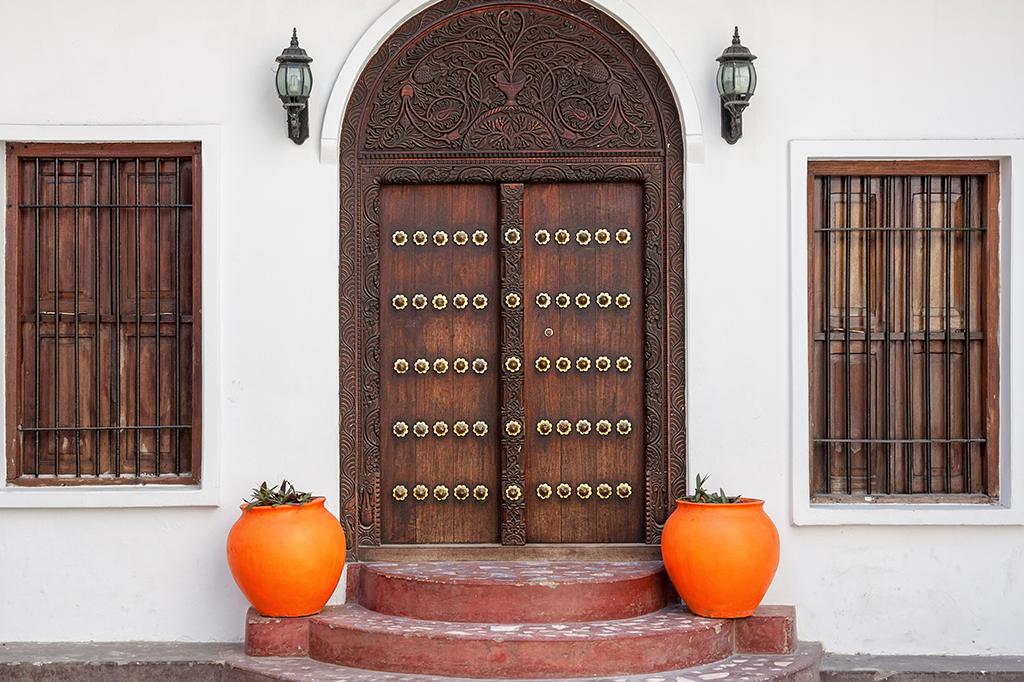
Historical Significance: One of the most distinctive features of Stone Town is its beautifully carved wooden doors, many of which are centuries old. These doors are an expression of Zanzibar’s cultural diversity and the legacy of its Arab, Indian, and African heritage.
What to See: Take a walk through the alleys and admire the craftsmanship of these doors, each unique in design and representing different cultures.
Darajani Market

Historical Significance: This bustling market is one of the oldest on the island and provides insight into Zanzibar’s history as a spice and trade center.
What to See: It’s a sensory experience with the smells of spices and the colorful market life. You’ll find fresh fruits, spices, fish, and local goods.
Zanzibar National Museum of History and Culture

Historical Significance: Located near the House of Wonders, this museum is dedicated to the island’s rich and varied history.
What to See: You can explore exhibitions about Zanzibar’s role in the Indian Ocean trade, its culture, the slave trade, and its colonial past.
Tips for Your Walking Tour:
- Footwear: Wear comfortable shoes, as the cobblestone streets can be uneven.
- Sun Protection: Bring sunscreen, a hat, and water as it can get hot while walking around the town.
- Local Guides: Consider hiring a local guide to get deeper insights into the history and significance of each site.
Stone Town is a city where history and culture come to life, and a walking tour with Jambo International Tour allows you to fully immerse yourself in its unique atmosphere. The combination of architecture, museums, local culture, and the unforgettable stories of the past makes it an enriching experience for any traveler. With Jambo International Tour, you’ll gain deeper insights into the rich heritage of this fascinating destination, creating memories that last a lifetime.
