


Self – Drive Safari in Tanzania: Is it Worth It ? offers travelers the ultimate opportunity to explore the country’s wildlife and landscapes independently. Unlike guided tours, you set your own itinerary, control the pace, and choose your destinations, giving a sense of adventure and freedom that is hard to match. For those who want an immersive and personal wildlife experience, a self-drive safari provides a truly unforgettable journey.
Understanding Self-Drive Safaris

A self-drive safari allows travelers to explore Tanzania’s national parks and reserves using their own rental vehicle, without a tour guide. This approach gives travelers the freedom to determine their own itinerary, set their own pace, and explore off-the-beaten-path destinations. While it provides independence and adventure, it also comes with responsibilities such as navigation, safety awareness, and adherence to park regulations. For many, this hands-on experience creates a stronger connection with nature compared to guided tours.
Self – Drive Safari in Tanzania: Is it Worth It ?The Appeal of Self-Drive Safaris

One of the biggest advantages of a self-drive safari is the sense of freedom and flexibility it offers. Travelers can wake up with the sunrise, spend hours observing a herd of elephants, or take detours to photograph a scenic view. Unlike guided tours, where the schedule is predetermined, a self-drive safari allows for spontaneous decisions, giving travelers the ability to truly immerse themselves in the wildlife experience.
Self-driving can also be a cost-effective option, especially for families or groups. Without the expense of a professional guide, the primary costs are vehicle rental, fuel, and park entry fees. By carefully planning the route and accommodations, travelers can enjoy the same incredible wildlife sightings as traditional safari participants while reducing overall costs.
Another strong appeal is the immersive experience. Being behind the wheel and directly involved in the safari brings a heightened sense of adventure and engagement. Stopping at a lone acacia tree to watch a pride of lions, or taking a quiet detour along a riverbank to spot hippos, creates an intimate wildlife experience that is difficult to replicate on guided tours.
Challenges to Consider
While self-drive safaris are exciting, they come with challenges that require preparation and awareness. Road and terrain conditions in Tanzania can be demanding. Some national park tracks require 4×4 vehicles, and seasonal rains can make roads muddy and difficult to navigate. Travelers need to be prepared for off-road driving and should have reliable maps, GPS devices, or apps to avoid getting lost.
Safety considerations are also important. Unlike guided tours, there is no professional tracker to anticipate animal behavior. Travelers must maintain a safe distance from wildlife, understand park rules, and remain vigilant at all times. Additionally, encountering a vehicle breakdown or other emergency in remote areas can be stressful if not properly prepared.
Planning and logistics are another key factor. Self-drive travelers must book accommodations, pay park entry fees, and research the best routes. Without careful planning, valuable time can be lost navigating unfamiliar territory, and some attractions may be missed. Proper preparation ensures that the safari is both safe and enjoyable.
Top Destinations for Self-Drive Safaris

Certain national parks are particularly well-suited for self-drive adventures. Serengeti National Park offers vast plains and extraordinary wildlife. The freedom to explore different regions independently allows travelers to witness the annual wildebeest migration and observe predators in their natural habitats.
The Ngorongoro Conservation Area provides a unique experience with its massive crater and dense wildlife populations. Self-driving here gives travelers the ability to linger at wildlife hotspots, capturing intimate moments and enjoying the beauty of this ancient ecosystem at their own pace.
Tarangire National Park, known for its impressive elephant herds and iconic baobab trees, is ideal for independent travelers seeking tranquility. Its relatively lighter crowds allow for a peaceful and personal safari experience.
Tips for a Successful Self-Drive Safari
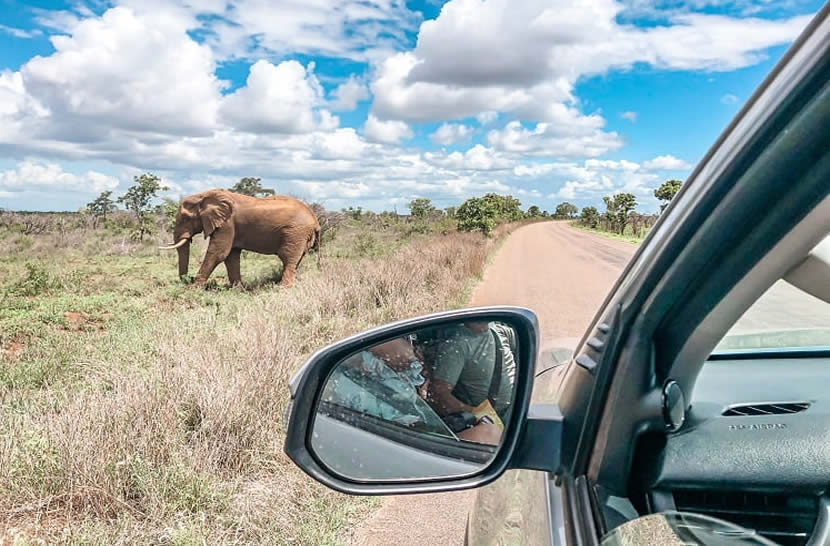
Preparation is the key to a rewarding self-drive safari. Renting a reliable 4×4 vehicle is essential to handle rough terrains. Carrying adequate supplies such as water, snacks, fuel, and emergency equipment ensures safety in remote areas. Planning your route carefully, understanding park regulations, and booking accommodations in advance helps avoid unnecessary stress. Always drive cautiously, respect wildlife, and maintain a safe distance to protect both yourself and the animals.
Conclusion: Is a Self-Drive Safari Worth It?
A self-drive safari in Tanzania is highly rewarding for travelers who value independence, adventure, and flexibility. It offers a deeper connection with the environment and wildlife, allowing for spontaneous and intimate encounters that are often missed on guided tours. While it requires careful planning, preparation, and responsibility, the experience of driving through Tanzania’s vast landscapes and witnessing its majestic wildlife firsthand makes it an unforgettable adventure. For those ready to embrace both the challenges and freedoms, a self-drive safari is undoubtedly worth it.
