
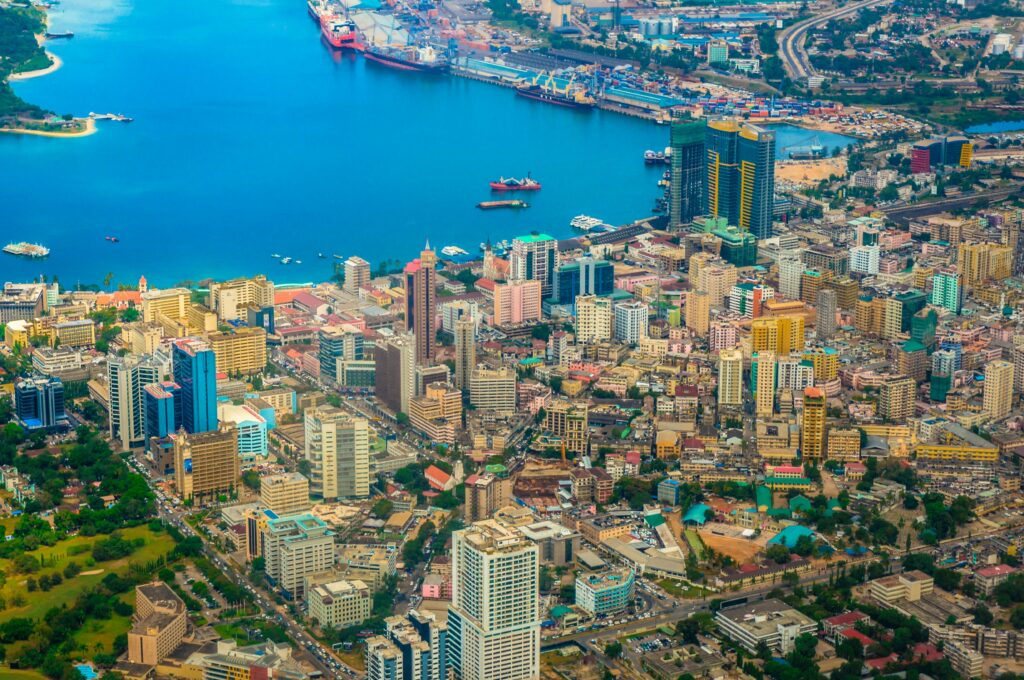
Sacred Days and Safari Respect: Navigating Religious Observances Tanzania is a nation of breathtaking wildlife, warm hospitality—and profound spiritual depth. With over 67 million people, it’s home to approximately 63% Christians and 34% Muslims, along with traditional faiths and small communities of other religions While freedom of religion is enshrined in the Constitution.
Key Religious Observances.

Fridays are especially significant in Muslim-majority regions, including Zanzibar and many coastal areas. On this day, many businesses and markets slow down or close briefly during the midday Jumu’ah prayer. Travelers may notice a quiet, respectful atmosphere near mosques and public gathering spaces. It is important to avoid creating loud noises during these times and never photograph people at prayer unless you have obtained clear permission.
Sunday, on the other hand, holds religious importance for the Christian majority in many inland regions. Church services are a major weekly event, and towns and villages come alive with congregants dressed in their best attire. Tourists are welcome to visit churches but should avoid entering during services unless invited and should dress modestly—covering shoulders and knees and maintaining a quiet presence.
During the Islamic holy month of Ramadan, fasting from sunrise to sunset is observed by many in Muslim communities. This means that eating, drinking, or smoking in public during daylight hours is seen as disrespectful. In these periods, travelers should carry snacks discreetly and consume them in private spaces. Restaurants and cafes may only open after sunset, and special communal meals known as Iftar bring people together at dusk. It’s a time for reflection and unity, and visitors who observe local customs during this period are likely to be met with warmth and appreciation.
Christian holidays such as Christmas and Easter are celebrated widely and include special services, family gatherings, and sometimes public festivities. Tourists should be mindful during these times by being respectful in and around places of worship and refraining from disruptive behavior.
Sacred Days and Safari Respect: Navigating Religious Observances Dress and Behavioral Etiquette.

Dress modesty is considered a sign of respect throughout Tanzania, particularly in rural areas and Muslim communities. Women should cover their shoulders, chest, and knees, and in mosques, it is customary to wear a headscarf. Men should avoid wearing shorts or sleeveless shirts in sacred or rural settings. While beachwear is acceptable in resort areas, covering up when leaving those areas is highly advised.
When visiting places of worship, tourists should remove their shoes before entering mosques and, in some cases, churches. These spaces require silence and respectful behavior. If photography is allowed, always seek permission before taking any pictures, particularly of individuals or religious ceremonies.
Public displays of affection are generally discouraged in Tanzania. Holding hands is acceptable, but kissing or hugging in public—especially in conservative regions—may be seen as inappropriate. A warm handshake or a friendly nod is usually the most culturally acceptable way to greet others in public.
Respectful Safari Conduct
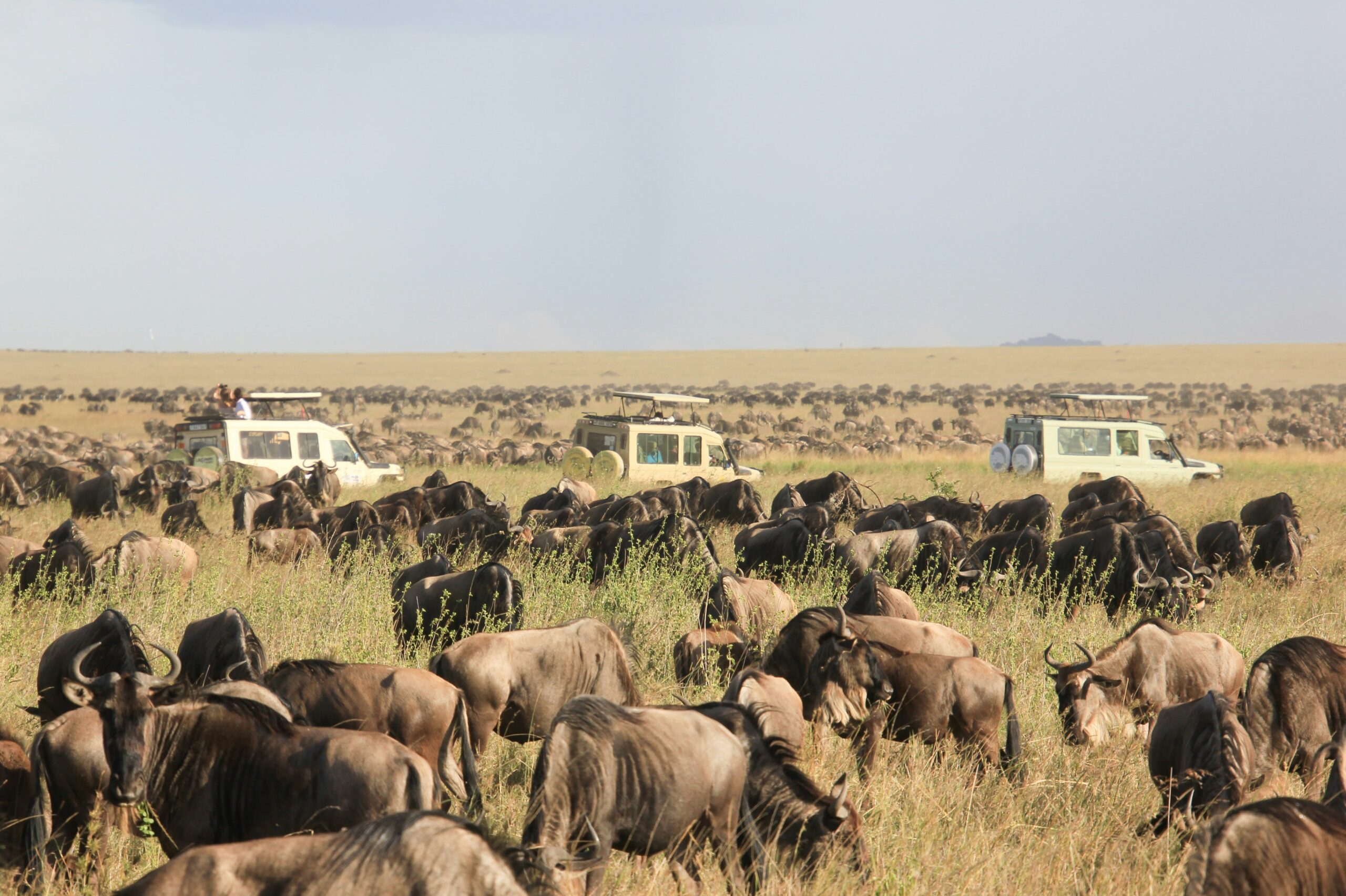
While on safari, it’s important to prioritize both safety and cultural sensitivity. Tourists should remain inside their vehicles unless a guide advises otherwise. Animals in national parks and conservation areas are wild, and disturbing them—by shouting, whistling, or trying to attract their attention—is both unsafe and disrespectful to conservation principles. Feeding animals is prohibited, as it disrupts their natural behavior, and visitors should refrain from picking plants or removing natural items such as rocks or bones from protected areas.
Cultural respect also extends to interactions with local communities encountered during safaris. Using local greetings like “Jambo,” “Habari,” or “Shikamoo” (used to show respect to elders) is appreciated. Learning a few simple Swahili words like “Asante” (thank you), “Pole” (sorry), and “Karibu” (welcome) can go a long way in showing cultural awareness. If you wish to take photos of guides, villagers, or children, always ask first, as not everyone is comfortable being photographed.
In terms of clothing, neutral-colored safari gear in khaki, brown, or olive tones helps you blend into the natural surroundings and avoids drawing unnecessary attention. Avoid wearing camouflage, as it is restricted by law for civilians. Temperatures can vary, so it’s also wise to bring layers, including warm clothing for cool mornings and evenings. Lodges often expect guests to wear smart casual attire at dinner, contributing to a more respectful atmosphere.
Tipping and Local Support
Tipping is not an ingrained part of everyday Tanzanian life, but it is expected and appreciated within the tourism sector. Safari guides and drivers typically receive between USD 10 and 20 per person per day. Lodge staff, porters, and housekeeping staff may be tipped around USD 1 to 2 per service or day, while chefs or behind-the-scenes staff might receive USD 5 to 10 depending on the level of service. It is good practice to use communal tip boxes provided by lodges or tour companies to ensure fair distribution among the entire team.
When supporting local artisans or buying souvenirs, bargaining is common and expected, but it should always be done respectfully. If you wish to give back to the community, consider donating to local schools or clinics through verified organizations, rather than giving money directly to individuals, especially children, which can create dependency or unequal treatment.
Broader Cultural Norms.

In Tanzanian culture, greetings are an essential part of social interaction. Always greet people politely, and use both hands or bow slightly when addressing elders as a sign of respect. Handshakes are customary, and in more formal contexts, a longer handshake with inquiries about one’s health and family is expected.
It’s important to use the right hand for most interactions, including eating, greeting, and giving items. The left hand is considered unclean in many cultural contexts. Visitors should also avoid touching anyone’s head and refrain from pointing directly with a single finger—instead, use your entire hand to gesture respectfully.
Behavior in public should be calm and composed. Tanzanians value soft-spoken communication and frown upon shouting, swearing, or overly assertive behavior. Travelers are encouraged to adopt a patient and respectful demeanor, often summarized by the local expression “pole-pole,” meaning “slowly, slowly,” which reflects the national rhythm of life.
Photography should always be approached with caution. In rural villages or among indigenous groups like the Maasai, always ask permission before taking photos. Additionally, certain areas—such as government buildings, military sites, or religious ceremonies—may strictly prohibit photography.
Highlights of Tanzania’s Religious and Cultural Landscape.
Tanzania’s spiritual richness is evident in many areas, from the sacred Misali Island, considered a holy site by many Muslims, to the vibrant churches of the mainland. Zanzibar’s Stone Town is particularly conservative and should be approached with extra cultural sensitivity, especially during religious festivals. Maasai communities, often included in cultural safari tours, are deeply respectful of tradition and ritual, and visitors should only participate in cultural activities after receiving a proper introduction and consent.
