

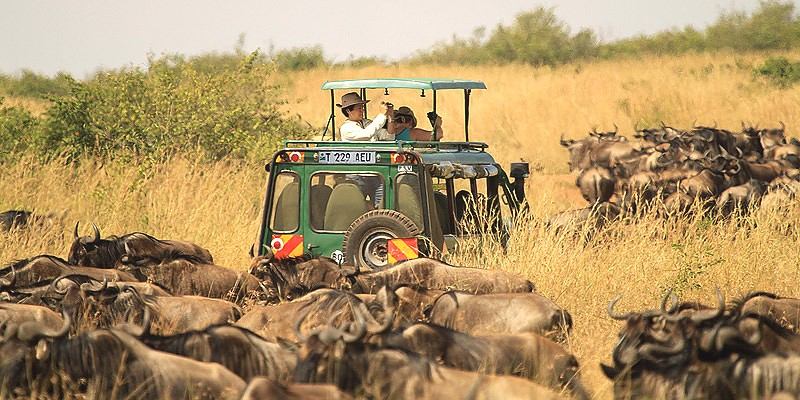
Responsible wildlife Tourism in Tanzania Tanzania, renowned for its breathtaking landscapes and diverse ecosystems, is a top destination for wildlife enthusiasts. From the iconic Serengeti to the serene Ngorongoro Crater, the country offers some of the world’s most spectacular wildlife experiences. However, as tourism grows, it’s vital to focus on responsible wildlife tourism to ensure that the country’s natural heritage is preserved for future generations.
What is Responsible Wildlife Tourism?
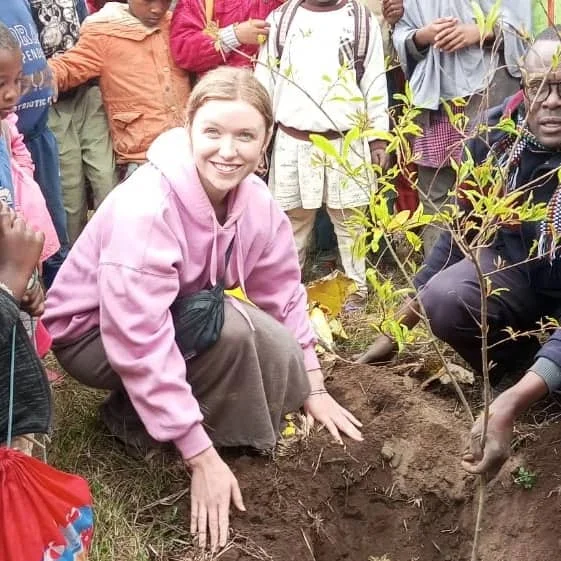
Responsible wildlife tourism refers to travel that respects wildlife, habitats, and local communities while promoting conservation and sustainability. It emphasizes minimizing the environmental impact of tourism, respecting the rights of local people, and ensuring that wildlife is not harmed or disturbed in the process of viewing or interacting with it. In Tanzania, this approach is especially important given the wealth of unique and vulnerable species that call the country home.
Protecting Tanzania’s Wildlife and Ecosystems
Tanzania is home to some of the most famous wildlife conservation areas in the world, including the Serengeti, the Ngorongoro Crater, and Tarangire National Park. These areas are crucial for the survival of many endangered species, including elephants, lions, rhinos, and cheetahs. However, as wildlife tourism increases, so does the pressure on these fragile ecosystems. By practicing responsible tourism, visitors can help ensure that these protected areas remain intact and that wildlife populations continue to thrive.
Key aspects of responsible wildlife tourism in Tanzania include:
- Wildlife Conservation: Ensuring that tourism dollars go towards protecting animals and their habitats.
- Environmental Sustainability: Minimizing waste, pollution, and ecological disruption in protected areas.
- Supporting Local Communities: Engaging with and benefiting local communities by providing jobs and supporting local businesses.
The Role of Tourists in Responsible Wildlife Tourism
As a visitor, there are several ways to support responsible wildlife tourism in Tanzania:
- Choose Eco-friendly Tour Operators: Select companies that prioritize sustainability, such as those that operate eco-lodges, support conservation projects, or adhere to ethical wildlife viewing practices.
- Respect Wildlife and Their Habitats: Maintain a safe distance from animals and avoid disturbing them in any way. Never feed wildlife, as it can alter their natural behavior.
- Stay on Designated Trails: Staying on marked paths helps prevent damage to fragile ecosystems and habitats.
- Support Conservation Efforts: Consider visiting parks and reserves where tourism revenue directly supports conservation efforts. You can also contribute by making donations or participating in wildlife conservation programs.
Benefits of Responsible Wildlife Tourism in Tanzania
Responsible wildlife tourism is a win-win situation for everyone involved. By promoting sustainable tourism, Tanzania benefits economically, locally, and environmentally:
- Economic Impact: Tourism generates significant revenue for the country, which is reinvested into conservation efforts and local communities.
- Cultural Preservation: Responsible tourism ensures that indigenous cultures and local traditions are respected and preserved.
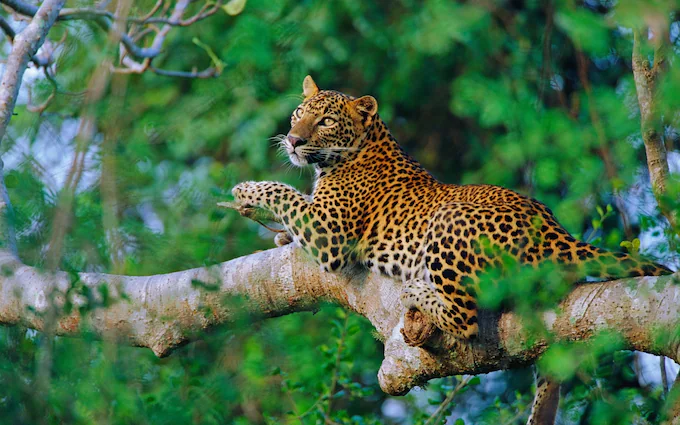
- Wildlife Protection: Proper management of tourism can directly contribute to the conservation of endangered species and protected habitats.
Challenges in Responsible Wildlife Tourism
Despite its many benefits, responsible wildlife tourism in Tanzania faces a number of challenges:
- Over-tourism: Popular destinations like the Serengeti and Ngorongoro Crater are sometimes overwhelmed by tourists, leading to congestion and potential environmental degradation.
- Unregulated Tourism: In some areas, tourism activities are not well-regulated, leading to negative impacts on wildlife and ecosystems.
- Poaching and Illegal Activities: While tourism can support anti-poaching initiatives, it must be coupled with strong law enforcement to combat illegal wildlife trade.
What Needs to Be Done?
To maintain the delicate balance between tourism and conservation, several steps need to be taken:
- Stronger Regulations and Enforcement: Ensuring that all tour operators and visitors follow ethical and environmental guidelines is essential for the long-term success of wildlife tourism.
- Community Involvement: Engaging local communities in conservation efforts and giving them a stake in tourism revenue helps ensure their support for wildlife protection.
- Education and Awareness: Raising awareness among tourists about the importance of responsible travel can have a lasting impact on conservation outcomes.

Conclusion
Responsible wildlife tourism in Tanzania plays a crucial role in preserving its incredible biodiversity and supporting sustainable economic development. By being mindful of the impact we have on wildlife and local communities, tourists can contribute to the preservation of Tanzania’s natural wonders for generations to come. When done right, wildlife tourism can be a powerful force for good, benefiting both the environment and the local people while providing unforgettable experiences for travelers.
As visitors, we all have the opportunity to make a positive impact. Let’s choose to be responsible and leave only footprints, ensuring that Tanzania’s rich wildlife heritage thrives for years to come.
