
Mount Kilimanjaro stands as Africa’s highest peak and attracts thousands of adventurers each year. However, with this popularity comes the responsibility to trek ethically and sustainably. Responsible trekking on Mount Kilimanjaro requires a deep commitment to respecting both the natural environment and the local communities that call this region home. This approach involves practicing Leave No Trace principles, supporting ethical tour operators, and engaging with local culture respectfully. By following these essential guidelines, trekkers can minimize their environmental impact while contributing to the mountain’s long-term preservation and fostering positive relationships with the people of Tanzania.
Protecting Kilimanjaro’s Ecosystem.
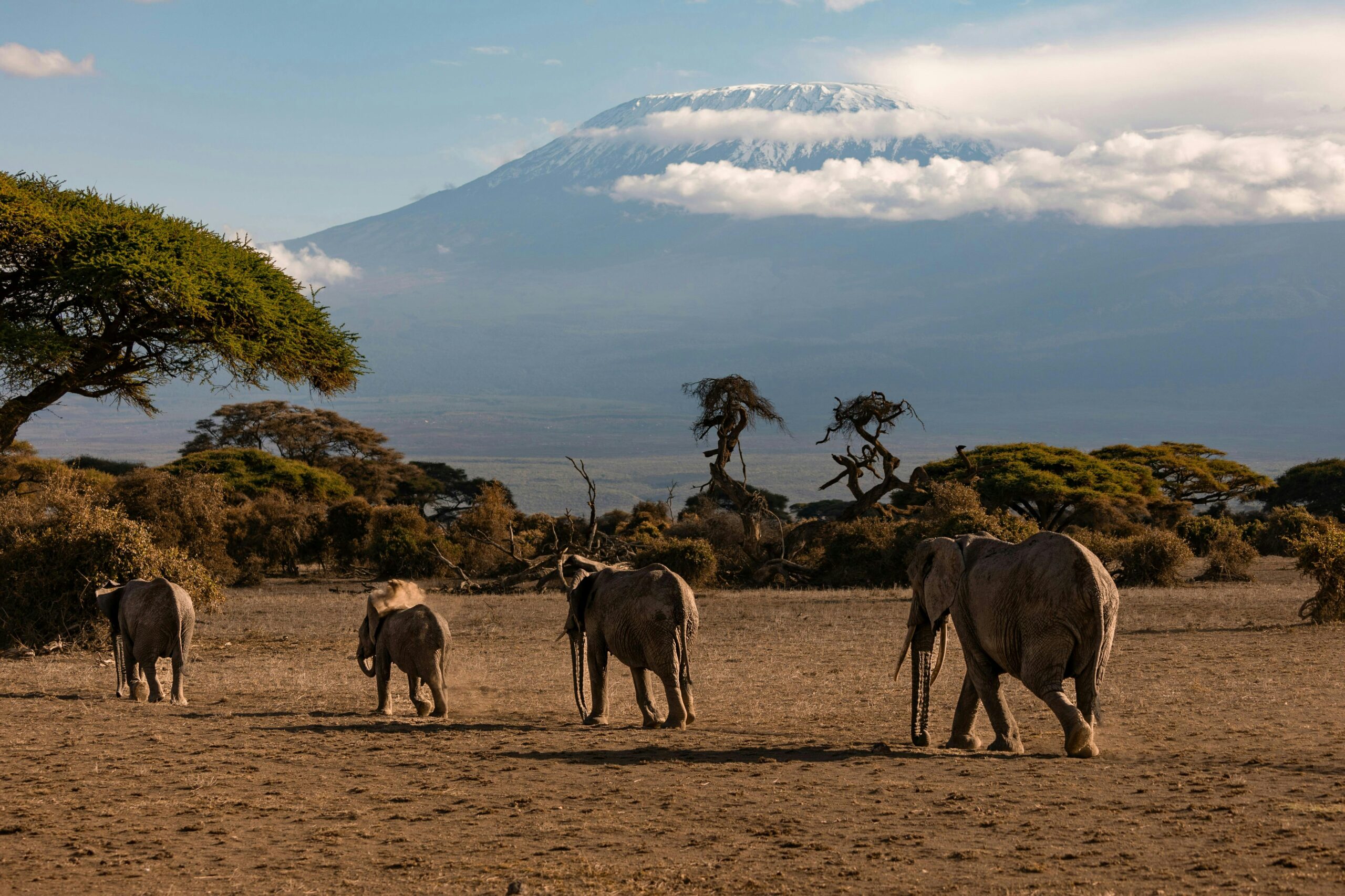
The fragile ecosystem of Mount Kilimanjaro demands careful attention from every visitor. The mountain’s unique environment spans multiple climate zones, from tropical rainforest to arctic conditions at the summit, each supporting distinct plant and animal communities that require protection.
Leave No Trace Practices.

Every piece of waste left on the mountain contributes to environmental degradation. Pack out all trash without exception, including items that might seem harmless like fruit peels, tissues, and food scraps. Even biodegradable waste can disrupt the natural balance of the mountain ecosystem and attract wildlife to human areas, creating dangerous situations for both animals and future trekkers. The high altitude and cold temperatures significantly slow decomposition processes, meaning organic waste can persist for months or even years.
Minimizing Waste Generation.
Reducing waste before it becomes a problem represents the most effective approach to mountain conservation. Bring reusable water bottles, food containers, and toiletries to eliminate single-use plastics from your trek. Many tour operators now provide water refill stations along popular routes, making reusable bottles both practical and environmentally sound. Choose solid toiletries over liquid versions, when possible, as they require less packaging and pose fewer risks if accidentally spilled.
Trail Preservation and Wildlife Protection.
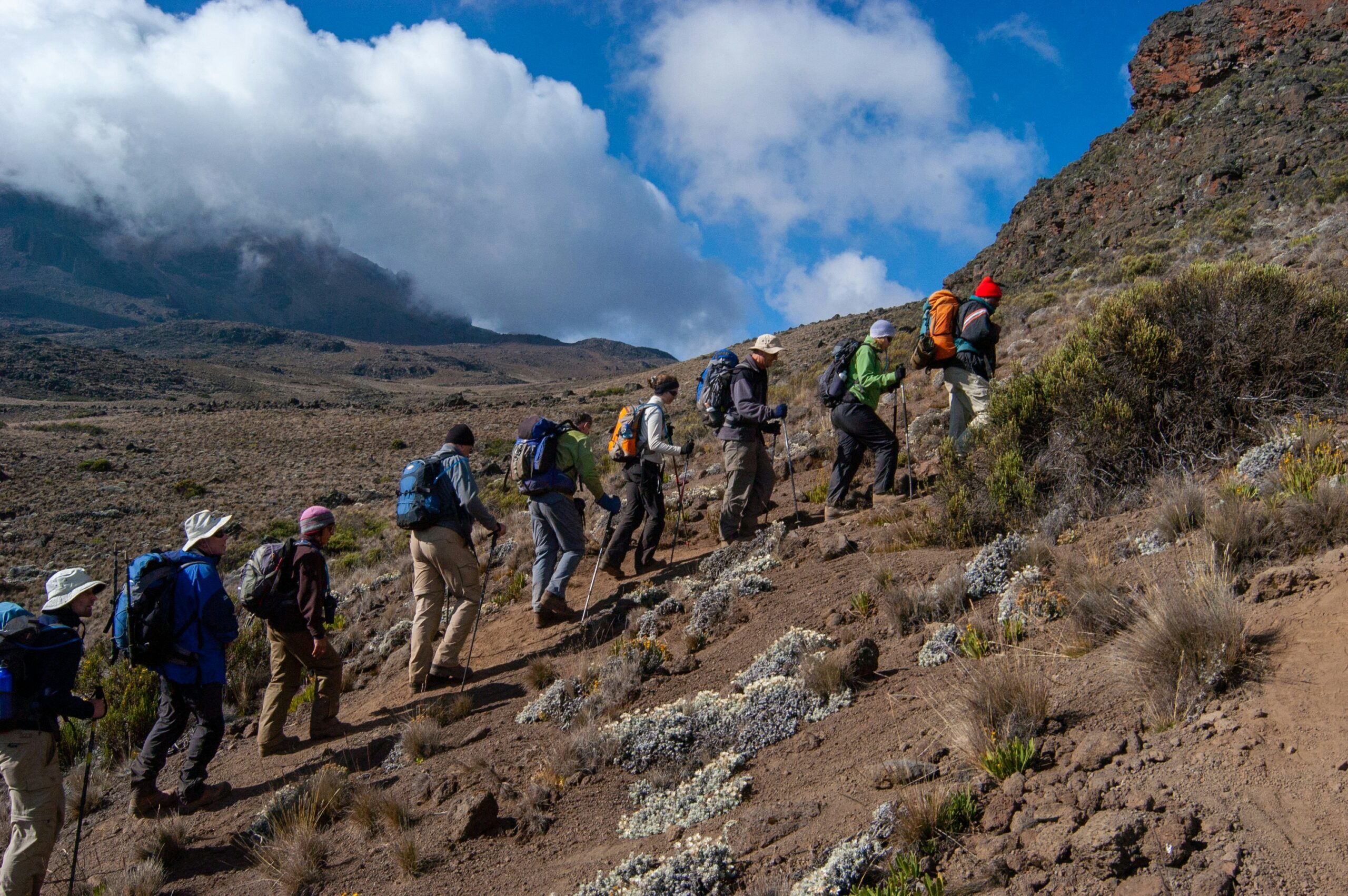
Staying on designated trails protects the mountain’s delicate vegetation and prevents soil erosion that can damage the landscape for decades. Off-trail hiking might seem harmless, but it creates new paths that channel water runoff, leading to erosion and habitat destruction. The mountain’s vegetation plays a crucial role in water retention and climate regulation, making its preservation essential for the entire ecosystem.
Wildlife encounters on Kilimanjaro should be observed from a respectful distance. Feeding animals disrupts their natural behavior patterns and can make them aggressive toward humans. Keep noise levels low, especially during early morning and evening hours when wildlife is most active. Animals that become habituated to human presence face increased risks from predators and may lose their natural fear responses.
Engaging with Local Communities.
The communities surrounding Mount Kilimanjaro have lived in harmony with the mountain for generations, developing rich cultural traditions and deep knowledge of the local environment. Respectful engagement with these communities enhances your trekking experience while supporting local livelihoods and cultural preservation.
Water Conservation and Sanitation.
Water sources on Mount Kilimanjaro are precious resources that support both wildlife and local communities. Use water sparingly and avoid contaminating streams, springs, or other water sources with soap, toothpaste, or other chemicals. When washing, carry water at least 200 feet away from natural water sources and use biodegradable soap in minimal quantities. Support tour operators that invest in eco-friendly toilet facilities, as proper waste management prevents contamination of water sources and reduces environmental impact.
Supporting Ethical Tourism Practices.
Choose tour operators certified by the Kilimanjaro Porters Assistance Project (KPAP), which ensures fair treatment, proper wages, and safe working conditions for mountain crew members. These certifications guarantee that porters receive adequate food, shelter, and equipment, and that their working conditions meet international standards. Ethical operators also provide proper training and safety equipment, reducing risks for both crew members and trekkers.
Fair Compensation and Treatment.
Tip your mountain crew directly and generously, as these gratuities often represent a significant portion of their income. Ensure that porters and guides are properly dressed and equipped for mountain conditions, and speak up if you notice inadequate gear or treatment. Many crew members support extended families with their earnings, making fair compensation an important aspect of responsible tourism.
Cultural Sensitivity and Interaction.
Dress modestly when interacting with local communities, particularly in rural areas where traditional values remain strong. This shows respect for local customs and helps maintain positive relationships between visitors and residents. Conservative clothing is especially important when visiting villages or religious sites, where inappropriate dress can be seen as disrespectful.
Always ask permission before taking photographs of people, especially in Maasai villages where traditional beliefs about photography may apply. Many community members are happy to share their culture with visitors.
Language and Communication.
Learning basic Swahili phrases demonstrates respect for local culture and often leads to warmer interactions with community members. Simple greetings like “Jambo” (Hello), “Asante” (Thank you), and “Pole pole” (Slowly, slowly) can create immediate connections and show your effort to engage with the local culture. Many guides and porters speak multiple languages and appreciate when visitors make an effort to communicate in their native tongue.
Active Listening and Learning.
Take time to listen to the stories and perspectives of local guides, porters, and community members. These individuals possess invaluable knowledge about the mount kilimanjaro history and cultural traditions that can greatly enrich your trekking experience. Their insights often provide context for understanding the challenges and opportunities facing local communities, helping you become a more informed and responsible traveler.
Supporting Conservation and Community Development.
Contribute to local conservation initiatives and community development projects that work to preserve Mount Kilimanjaro’s environment while supporting local livelihoods. Many organizations operate programs that combine conservation efforts with economic opportunities for local residents, creating sustainable solutions that benefit both the environment and the community, like us Jambo International Tour, we are committed to supporting local communities and preserving the natural environment of Mount Kilimanjaro for future generations.
Every trekker has the opportunity to make a positive impact through their choices and actions. By respecting nature and local communities, we help preserve Mount Kilimanjaro as a symbol of natural beauty and cultural richness for years to come. The mountain’s preservation depends on the collective actions of all who visit, making responsible trekking practices essential for sustainable tourism and conservation success.
