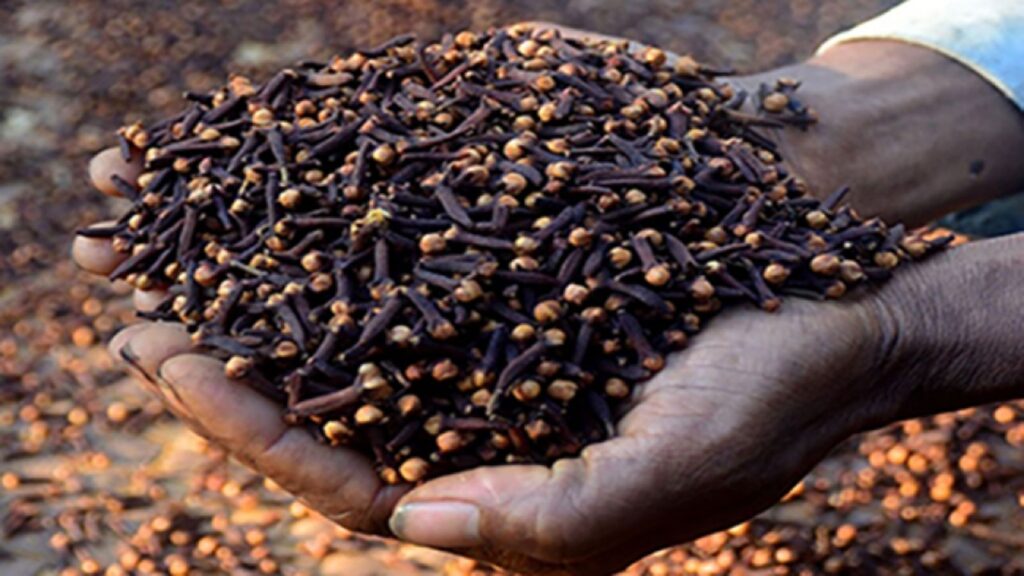


Nestled in the Indian Ocean, just north of its more famous sibling Zanzibar, Pemba Island is a hidden gem of the Tanzanian archipelago. While its turquoise waters and pristine coral reefs attract divers and nature lovers, it is Pemba’s centuries-old clove plantations that truly define the island’s historical and cultural identity. These aromatic groves offer more than just spice—they tell a compelling story of agriculture, resilience, and heritage
Zanzibar is famous for its high-quality cloves, and during the Spice Tour, you’ll get the chance to visit clove plantations and see the harvesting process up close. You’ll also see fresh cloves, vanilla, and other spices, while learning about the rich history of the spice trade and the unique way cloves are grown on the islands. It’s a great opportunity to taste different spices, discover their traditional uses, and experience the true essence of Zanzibar’s spice heritage.
A Land Rooted in Spice
Cloves have been at the heart of Pemba’s economy and cultural fabric for over two centuries. Introduced during the Omani Arab influence in the 19th century, the clove tree (Syzygium aromaticum) quickly adapted to the island’s humid tropical climate and fertile soil. Today, Pemba produces nearly 90% of Tanzania’s clove harvest, making it one of the leading exporters of cloves in the world. Walking through a clove plantation, one is immediately enveloped by the rich, spicy fragrance that lingers in the air. The experience offers not only a sensory delight but also an educational encounter with a traditional agricultural practice that remains largely unchanged for generations.
Farming Traditions and Harvesting Practices
Clove farming in Pemba is predominantly small-scale and community-driven. Families tend to plots of land passed down through generations. The trees begin producing buds after about six years and can continue for decades. The harvest season, between July and December
Why Clove Plantations Are a Must-Visit?
Renowned globally for producing some of the finest cloves, Zanzibar offers visitors a unique opportunity to explore its historic clove plantations. Accompanied by an experienced guide, you’ll gain insight into the traditional harvesting techniques, the cultural significance of cloves, and their role in Zanzibar’s spice trade. this experience allows you to engage with local farmers, witness the process firsthand, and appreciate the island’s deep-rooted connection to the spice that once made it the center of global trade.
Cultural Significance of Cloves in Pemba
Cloves are deeply rooted in Pemba’s cultural identity. They are a main source of income for local families and have been passed down through generations as a symbol of pride and tradition. Beyond trade, cloves are used in traditional medicine, rituals, and ceremonies, reflecting their importance in daily life. Visiting the plantations offers insight into how this single crop shapes both the economy and cultural practices of the island.