

+What Is Mkomazi National Park?

Mkomazi National Park is a protected area located in northeastern Tanzania, within the Kilimanjaro and Tanga regions. It borders Kenya’s Tsavo West National Park, forming one of the most important transboundary conservation landscapes in East Africa. Covering an area of over 3,200 square kilometers, Mkomazi is notable for its dry savannah ecosystem, rare wildlife, and its role as a sanctuary for endangered species such as the black rhinoceros and African wild dog. Unlike more commercialized parks like the Serengeti or Ngorongoro, Mkomazi offers a quiet, authentic safari experience rooted in ecological integrity and scientific conservation.
Where Is Mkomazi National Park Located?

Mkomazi is situated between Mount Kilimanjaro to the northwest and the Usambara Mountains to the southeast. The park is accessible via Same town, which lies along the main highway connecting Arusha, Moshi, and Dar es Salaam. The closest major airport is Kilimanjaro International Airport (JRO), located approximately 200 kilometers away. From Arusha or Moshi, Mkomazi can be reached in about four to five hours by road. For travelers entering from Kenya, the park lies adjacent to Tsavo West, facilitating cross-border conservation tourism.
This geographic positioning places Mkomazi within Tanzania’s Northern Safari Circuit, making it an ideal stop for visitors combining safaris with treks to Mount Kilimanjaro or tours through the Usambara Highlands.
Why Is Mkomazi National Park Important?
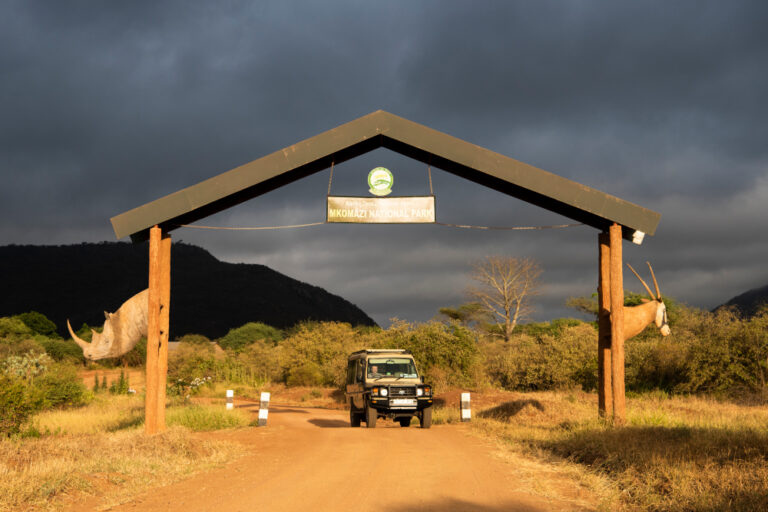
Mkomazi’s ecological value lies in its unique dryland biodiversity, its strategic location, and its function as a protected habitat for endangered species. As a buffer zone between savannah lowlands and montane forests, the park hosts plant and animal species that are adapted to arid and semi-arid climates. In addition, Mkomazi serves as a corridor for wildlife migration, linking Tanzania’s conservation areas with Kenya’s Tsavo ecosystem.
Mkomazi is internationally recognized for its black rhino and African wild dog reintroduction programs, managed in partnership with the George Adamson Wildlife Preservation Trust and Tanzania National Parks Authority (TANAPA). These efforts demonstrate the park’s role in reversing biodiversity loss, a key concern in East Africa’s conservation strategy.
Wildlife in Mkomazi National Park
Flagship Species
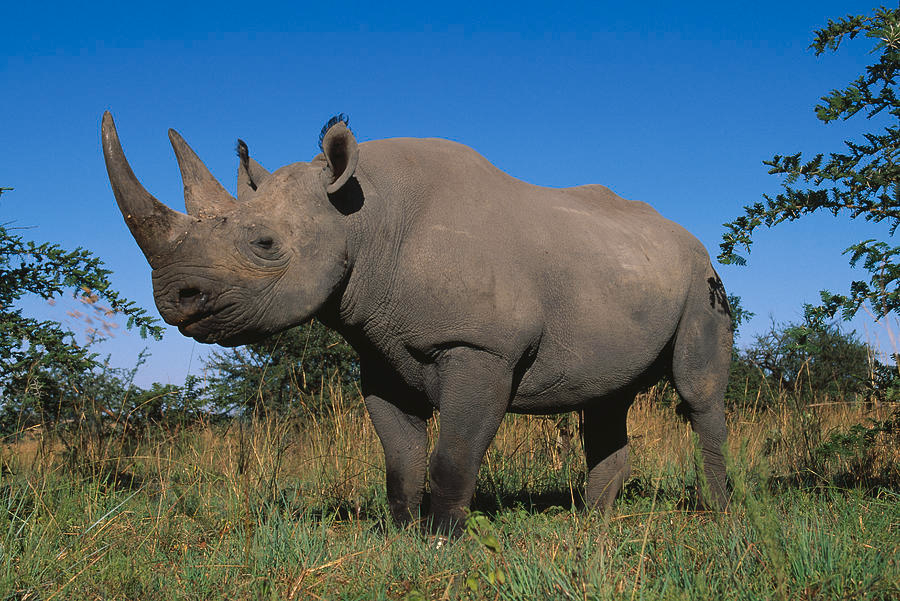
Mkomazi is one of the only parks in Tanzania where visitors can see black rhinoceroses (Diceros bicornis) in a protected environment. These critically endangered animals are housed in a specialized rhino sanctuary, which is not part of the general game-drive circuit and requires advance booking to access. Mkomazi is also notable for its successful African wild dog (Lycaon pictus) conservation program, making it a leading destination for viewing these rare predators in the wild.
Other Wildlife

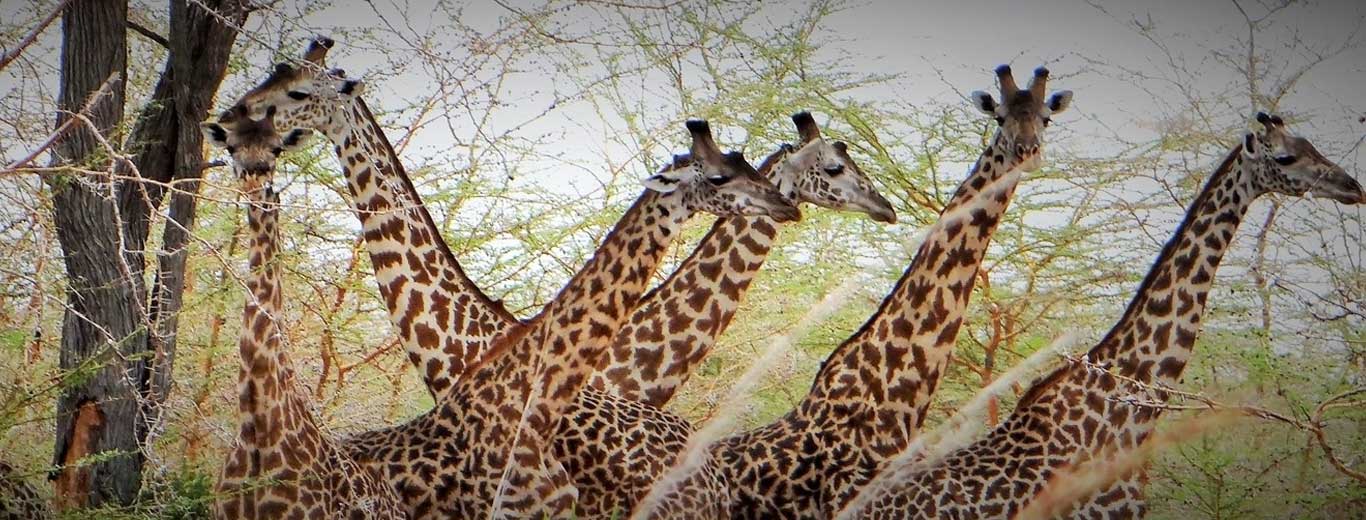
Beyond its flagship species, Mkomazi supports a wide range of savannah wildlife. Visitors may encounter giraffes, zebras, elephants, oryx, lesser kudu, hartebeest, dik-diks, and eland. Predators such as lions, leopards, and hyenas are also present but are less frequently seen due to the park’s vast terrain and low tourist density. Reptile species, insects, and smaller mammals contribute to the park’s overall biodiversity.
Birdlife
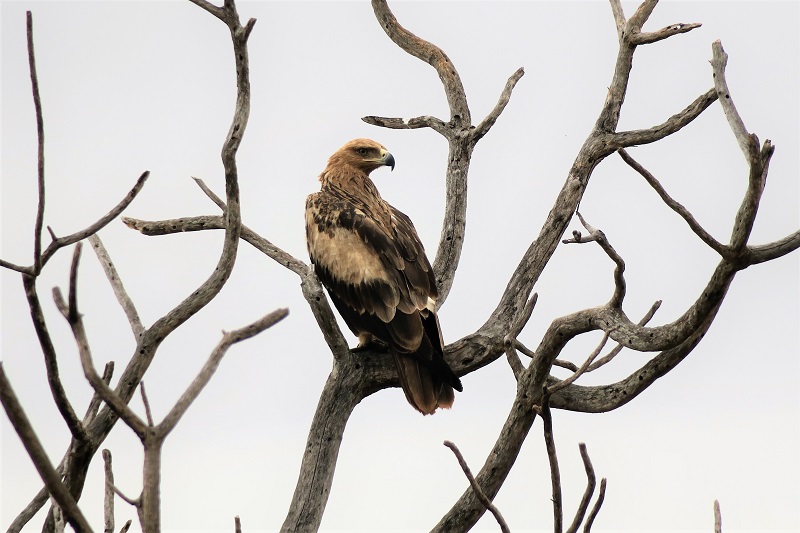
Mkomazi is an excellent birdwatching destination, with over 450 recorded bird species. The park provides critical breeding and feeding grounds for both resident and migratory species, especially during the rainy season from November to April. Notable birds include the martial eagle, secretary bird, southern ground hornbill, vultures, and bustards. Its birdlife offers valuable opportunities for avian research and eco-tourism.
Ecology and Habitat Diversity

Mkomazi lies in a semi-arid zone, dominated by savannah, scrubland, and acacia woodland. Its soil composition and vegetation are suited to drought-resistant plant species, which in turn support specialized herbivores and insect populations. Seasonal rivers and ephemeral pools provide water during the wet months, creating temporary wetlands that attract both resident and migratory birds. Rocky hills and open plains offer diverse vantage points and feeding grounds for large mammals.
This ecological diversity makes Mkomazi critical for climate resilience, particularly as nearby ecosystems face pressure from deforestation, agriculture, and human settlement. The park is part of the Eastern Arc and Coastal Forest Biodiversity Hotspot, recognized globally for its endemic species and evolutionary significance.
Conservation Initiatives and Management

Mkomazi was designated a game reserve in 1951, but it was not effectively managed until the 1980s, when partnerships with conservation organizations began restoring its ecological function. In 2008, the area was elevated to national park status, increasing legal protection and enabling structured conservation efforts.
The park’s conservation model includes:
- High-security rhino sanctuary for breeding and rewilding
- African wild dog reintroduction and monitoring program
- Community outreach and education to prevent poaching and habitat degradation
- Collaborative research with international universities and NGOs
These initiatives focus not only on species protection but also on habitat management, anti-poaching patrols, and climate adaptation strategies.
Local Communities and Cultural Integration
Mkomazi is surrounded by communities from the Maasai and Pare ethnic groups, whose livelihoods are historically connected to the land. Through community-based conservation models, local residents are involved in the park’s protection through employment, ranger training, eco-tourism, and artisanal enterprises.
Tourism initiatives near Same town include cultural village visits, traditional performances, and the sale of locally made handicrafts. These programs promote inclusive conservation, ensuring that local people benefit from the park’s presence and are incentivized to protect its resources.
Tourism Activities and Experience

Mkomazi offers a low-impact tourism model, designed for environmentally conscious visitors. The park does not have high-volume game lodges or mass-tourism infrastructure. Instead, activities are focused on conservation tourism and personalized safaris.
Popular activities include:
- Guided game drives through designated trails
- Birdwatching safaris with expert guides
- Walking safaris in approved areas with armed rangers
- Educational visits to the rhino sanctuary (with prior permission)
- Photography safaris focusing on landscapes and wildlife behavior
Accommodation ranges from basic public campsites inside the park to mid-range lodges and tented camps near Same. Luxury camping and fly-in options are available on a charter basis.
Best Time to Visit Mkomazi National Park
The ideal time to visit Mkomazi is during the dry season, which runs from June to October. Wildlife is easier to spot during this period due to thinner vegetation and congregations around water sources. The green season, from November to April, is excellent for birdwatchers and landscape photographers, as the park is transformed by rains and migratory bird activity. However, road access can be more difficult during heavy rainfall.
How to Get to Mkomazi National Park
Visitors can access Mkomazi by road from Arusha, Moshi, or Dar es Salaam. The drive from Arusha takes approximately 4–5 hours. Same town serves as the main entrance point and offers fuel stations, food supplies, and accommodation. Kilimanjaro International Airport (JRO) is the most convenient air hub, with connections to domestic and international flights.
Private charter flights may also be arranged to land at Kisima airstrip, although these require advance coordination. The park’s proximity to the Kenya border makes it possible to integrate Mkomazi into cross-border safaris with Tsavo West.
Conclusion
Mkomazi National Park is a vital conservation area that combines ecological value, endangered species protection, and community collaboration. It is uniquely positioned at the intersection of Tanzania and Kenya, serving as a cornerstone in regional biodiversity conservation. While less commercial than Tanzania’s major safari parks, Mkomazi offers a high-value experience for travelers seeking authenticity, scientific interest, and ecological integrity. For governments, researchers, NGOs, and environmentally responsible tourists, Mkomazi presents a blueprint for how conservation areas can be protected, restored, and shared sustainably.
For an unforgettable journey to Mkomazi and other hidden gems of Tanzania, book your adventure with Jambo International Tour—your trusted partner in crafting authentic, sustainable safari experiences.
