

Lake Victoria`s Fishing Communities: A Swahili Lifeline Most people know Lake Victoria as Africa’s biggest lake, but they don’t know about the thousands of families who depend on it every single day. Along Tanzania’s shores, fishing villages have been here for generations. These aren’t tourist spots – they’re real communities where people work hard, speak Swahili, and live off what the lake gives them.
If you want to see authentic Tanzanian life away from the safari crowds, these fishing villages will show you something completely different. It’s raw, it’s real, and it’s pretty amazing once you understand how it all works.
Life on the Water
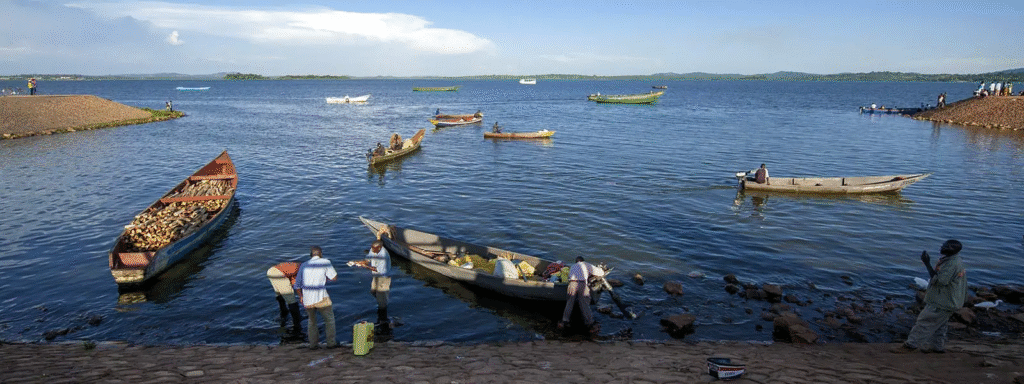
Lake Victoria`s Fishing Communities: A Swahili Lifeline Wake up at 4 AM in any fishing village along Lake Victoria and you’ll see the same thing everywhere. Dozens of small wooden boats heading out into the dark water while most of the world is still sleeping. The fishermen know exactly where to go – they’ve been learning these waters since they were kids.
The boats here are called ngalawa, and they’re built the same way they’ve been built for decades. Local carpenters use simple tools to shape the wood, and every boat has its own personality. Some are painted bright blue or green, others are left natural. All of them have seen plenty of rough weather and long nights on the water.
Most fishing happens at night when the fish are more active. The men go out with nets, lanterns, and enough food to last until morning. It’s not easy work. The lake can get rough without warning, and some nights they come back with almost nothing to show for their effort.

What They Catch
Lake Victoria used to have hundreds of different fish species, but these days most fishermen focus on a few main types. Tilapia is probably what you’d recognize – it’s the fish you see in markets and restaurants across Tanzania. Then there’s the Nile perch, which can grow huge and feeds a lot of families when the catch is good.
There’s also omena, (Dagaa) tiny silver fish that might not look like much but are incredibly important. Women dry them in the sun and sell them at local markets. They’re cheap, full of protein, and a big part of how families here get by between the bigger catches.
The Women Behind the Scenes

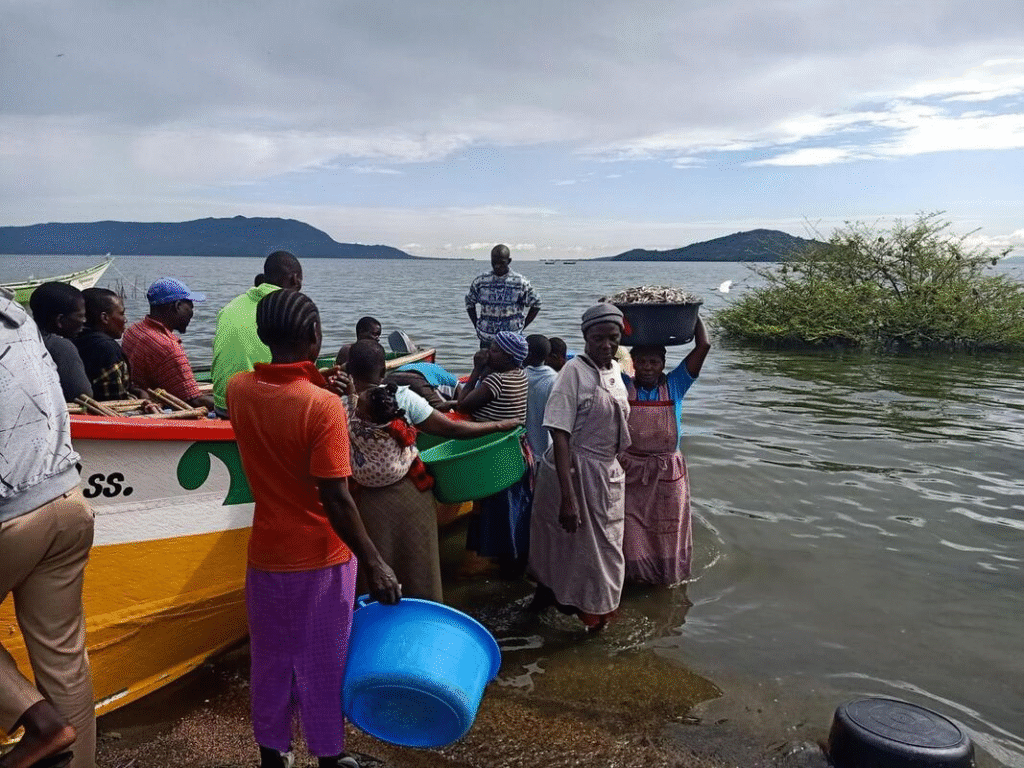
While the men are out on the water, the women keep everything else running. They’re the ones who clean and prepare the fish when the boats come back. They know exactly how to fillet a tilapia in about 30 seconds, and they can spot good fish from bad fish with just a quick look.
Many women also run the business side of things. They buy fish from the boats, dry what needs to be dried, and take everything to market. Some travel hours by bus to reach bigger towns where they can get better prices. It’s tough work, but they’re the ones who actually turn the catch into money for the family.
Cultural Richness and Traditions
Lake Victoria’s fishing communities are culturally vibrant. Festivals celebrating fishing traditions, music, dance, and storytelling bring people together. Events like the Buganda Kingdom Festival showcase local heritage and provide visitors a chance to engage with the culture, taste fresh fish dishes, and join in the celebrations.
Oral histories and myths about the lake and its spirits remain alive, passed down through generations. These stories reinforce respect for the lake and its resources, reflecting an ancient understanding of sustainable living. Traditional conservation methods, such as clan-based fishing taboos, helped protect certain fish species long before modern regulations existed.
Visiting the Communities
For travelers looking to understand Tanzania beyond the usual safari circuit, a visit to one of Lake Victoria’s fishing villages offers something different. You won’t find fancy resorts, but you will find warm welcomes, strong community spirit, and a deep respect for the lake. Some tours offer day trips from Mwanza or Bukoba where you can watch the fishing process, explore the markets, or even join in cooking a lakeside meal.
What You Can Do
If you visit these communities, the most helpful thing is to buy directly from the fishermen and their families. Skip the middlemen and put money directly into the hands of people who need it.
Consider supporting organizations that work on Lake Victoria conservation. The health of the lake directly affects these communities’ ability to survive.
Spread the word about what you see. Most people don’t know these communities exist or understand the challenges they face. The more people who know, the more likely it is that solutions can be found.
Conclusion: The Heartbeat of Lake Victoria’s Communities
Lake Victoria’s fishing communities are more than just hubs of livelihood—they are living expressions of resilience, tradition, and Swahili heritage. The daily rhythm of the lake, from early morning catches to bustling local markets, reflects a deep connection between people, culture, and nature.
For travelers seeking an authentic experience and insight into these vibrant communities, Jambo International Tour offers guided visits that celebrate the culture, history, and enduring spirit of Lake Victoria. Witness firsthand how life around the lake continues to sustain generations and shape the region’s identity.
