

Spanning the borders of Tanzania, Uganda, and Kenya, Lake Victoria is not only the largest lake in Africa but also the world’s largest tropical freshwater lake. Covering over 68,000 square kilometers, this vast body of water plays a critical role in the ecological, economic, and cultural life of East Africa. From fishing communities and rich biodiversity to its importance as the source of the Nile, Lake Victoria is a natural wonder with far-reaching influence and a fascinating story that continues to shape the region today.
A Giant Among Lakes: Key Facts About Lake Victoria
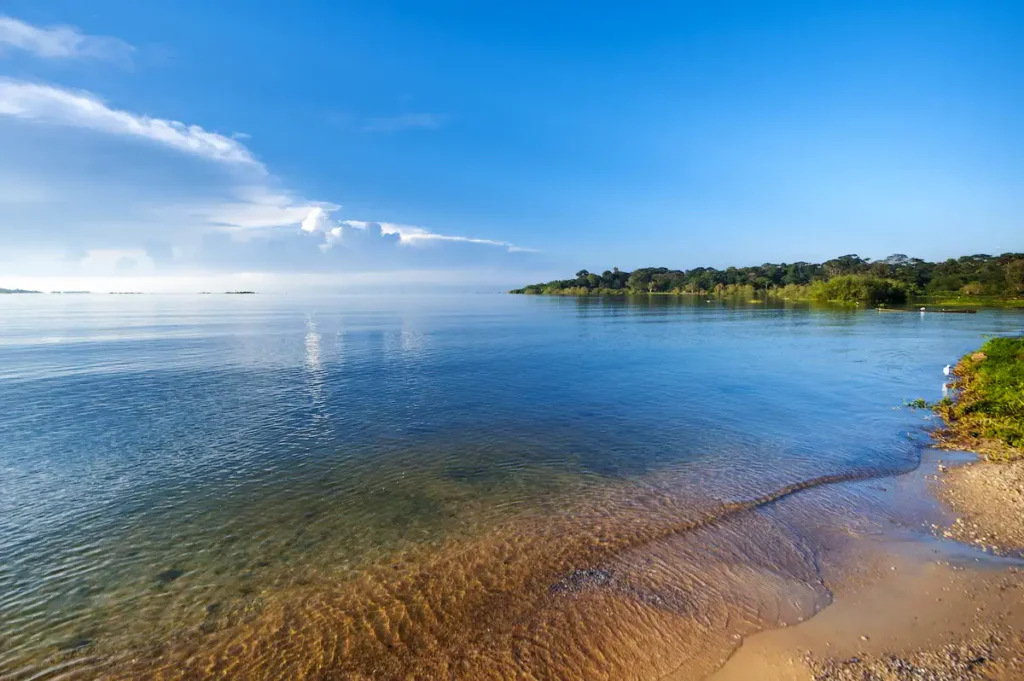
Nestled amidst Tanzania, Uganda, and Kenya, Lake Victoria is a true natural wonder. Covering an astonishing 68,800 square kilometers (26,560 sq mi), it proudly holds the title of the largest lake in Africa and the world’s largest tropical lake. For context, it’s roughly the size of Ireland!
Despite its immense surface area, Lake Victoria is surprisingly shallow, with an average depth of about 40 meters (130 ft). Geologically young, formed about 400,000 years ago, it’s witnessed significant changes over millennia.
The lake is also the chief reservoir of the majestic Nile River, with the Kagera River being its largest inflow and the Victoria Nile serving as its only outlet, beginning its epic journey northwards. This connection underscores its crucial role in the continent’s hydrology.
Beyond its physical attributes, Lake Victoria is a vibrant hub of biodiversity, historically home to over 200 species of fish, including many unique cichlids. It’s also an economic powerhouse, supporting the largest freshwater fishery in the world, providing livelihoods for millions and acting as a vital transport route and source of hydropower.
The Challenges Lake Victoria Faces: A Call to Action
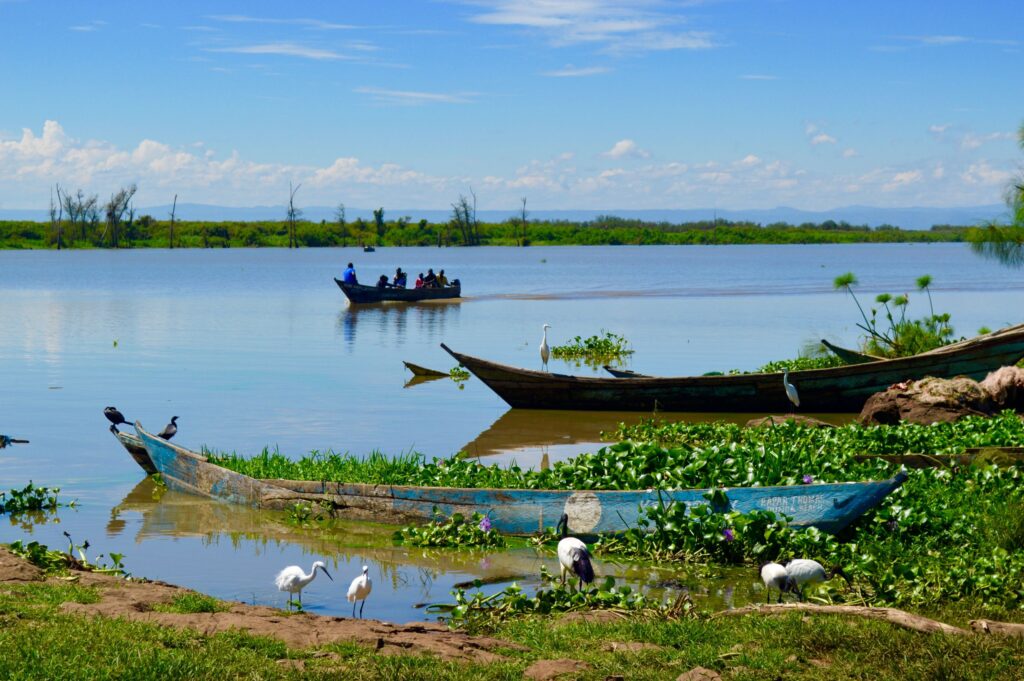
While Lake Victoria’s importance cannot be overstated, it is currently grappling with severe environmental threats that jeopardize its delicate ecosystem and the well-being of the surrounding communities.
- The Pollution Problem: A tide of untreated wastewater from growing urban centers and industries, coupled with agricultural runoff laden with chemicals, is choking the lake. This leads to rampant algal blooms, depleting vital oxygen levels and harming fish populations.
- The Threat of Invasive Species: The introduction of the Nile perch decades ago, intended for commercial fishing, has had a devastating effect, driving many native cichlid species to extinction. The pervasive water hyacinth also poses a constant threat, impeding navigation and power generation.
- Habitat Loss and Degradation: Deforestation and unsustainable land use in the catchment area contribute to soil erosion, silting up the lake and further damaging habitats.
- Overfishing and Climate Change’s Impact: Unsustainable fishing practices are depleting fish stocks, while the overarching threat of climate change, with its unpredictable weather patterns, adds another layer of complexity to the lake’s future.
What’s Being Done? Hope for Lake Victoria
Fortunately, awareness is growing, and numerous initiatives, such as the Lake Victoria Environmental Management Project (LVEMP), are striving to address these challenges. These efforts focus on promoting sustainable resource management, controlling pollution, and empowering local communities.
Conclusion: Why Lake Victoria Matters to All of Us
Lake Victoria is more than just a large body of water; it’s a living, breathing entity that underpins the lives and livelihoods of millions. Its health is intrinsically linked to the health of the entire East African region. Protecting this natural treasure isn’t just an environmental issue; it’s a humanitarian and economic imperative.
Have you ever visited Lake Victoria or heard stories about its challenges? Share your thoughts in the comments below! What steps do you think are most crucial to protecting this vital resource for future generations?
