
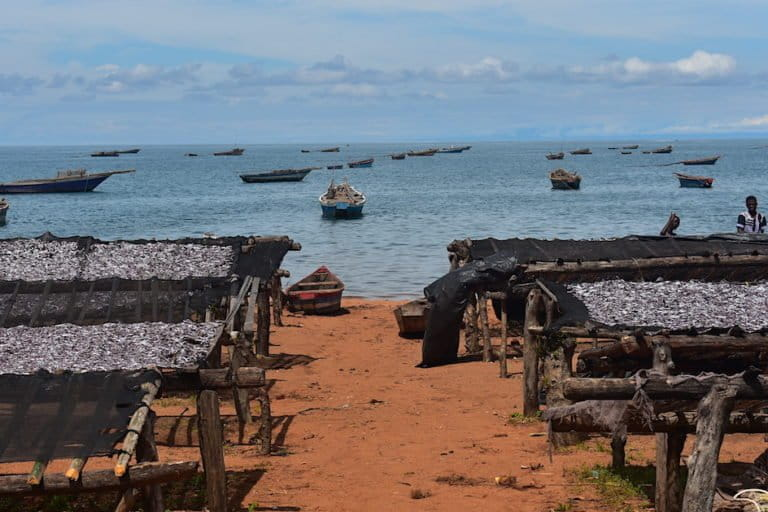
Lake Tanganyika, the second-deepest freshwater lake in the world, is more than just a natural wonder. Along its shores lie vibrant fishing villages that reflect centuries of Swahili culture and traditions. These communities, scattered across Tanzania, Burundi, the Democratic Republic of Congo, and Zambia, thrive on fishing, trade, and cultural heritage. Visiting these villages is not only an opportunity to experience daily life by Africa’s great inland sea but also a chance to understand how Swahili traditions continue to shape the identity of the region.
The Heartbeat of Daily Life in Fishing Villages
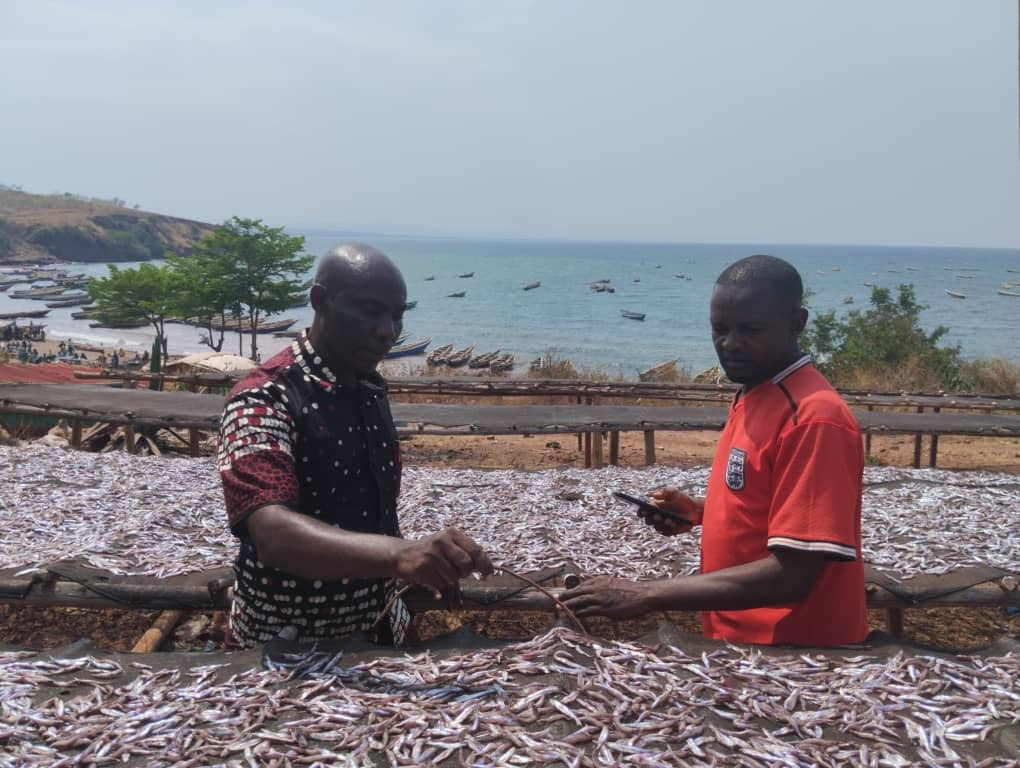
Fishing is the lifeline of villages along Lake Tanganyika. From early morning, the shoreline comes alive with wooden boats returning from overnight fishing trips. Men haul in their nets filled with sardine-like dagaa, Nile perch, and tilapia, while women prepare to clean, smoke, or sun-dry the catch. The rhythm of fishing is more than an economic activity—it is a way of life that sustains generations. These villages often operate on communal systems, where families share labor, tools, and fishing techniques passed down for centuries.
Swahili Influence on Culture and Traditions

The fishing villages along Lake Tanganyika bear strong Swahili influences, especially visible in language, architecture, and customs. The Swahili language acts as a unifying medium of communication, blending African, Arab, and coastal traditions. Homes in these villages often feature simple mud or wooden structures, decorated with patterns inspired by coastal Swahili art. Social gatherings, storytelling, and Swahili poetry enrich community life, keeping traditions alive while creating a sense of identity tied to both the lake and the Indian Ocean trade history.
Fishing Techniques and Ancient Knowledge
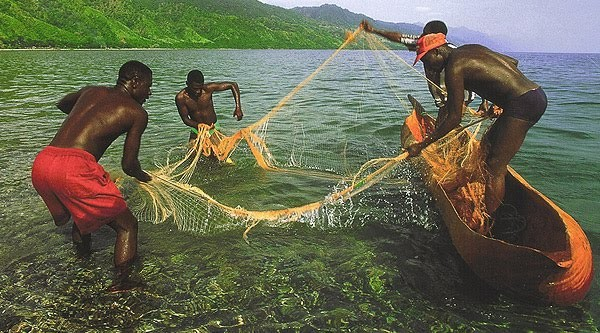
Fishing on Lake Tanganyika is deeply rooted in traditional knowledge. Villagers use wooden canoes, sailboats, and handwoven nets, often relying on lunar cycles to determine the best times for fishing. The dagaa fishery is particularly important, where small lamps are used at night to attract schools of fish. These practices are not just economic—they are cultural, reflecting how Swahili traditions blend spiritual beliefs with natural cycles. Respect for the lake is central, as elders often teach younger generations about sustainability and the dangers of overfishing.
Food and Swahili Culinary Traditions

Fish from Lake Tanganyika plays a major role in Swahili cuisine. Dishes often include grilled tilapia, fried sardines, and richly spiced fish stews prepared with coconut milk, cloves, cinnamon, and cardamom. Meals are shared communally, reflecting Swahili hospitality. Visitors to these fishing villages can enjoy the authentic taste of traditional recipes that combine lake harvests with spices that historically arrived through the Swahili coastal trade routes. This fusion of lake and ocean traditions makes the cuisine of these villages truly unique.
Festivals, Music, and Community Life

Swahili traditions thrive not only in food and fishing but also in music and celebrations. Traditional taarab and ngoma dances are performed during festivals, weddings, or harvest celebrations. Drums, wooden instruments, and rhythmic chants bring the community together, celebrating both the bounty of the lake and the unity of the people. These cultural events are more than entertainment—they are a way of preserving Swahili heritage and passing it on to younger generations.
Challenges and the Spirit of Resilience
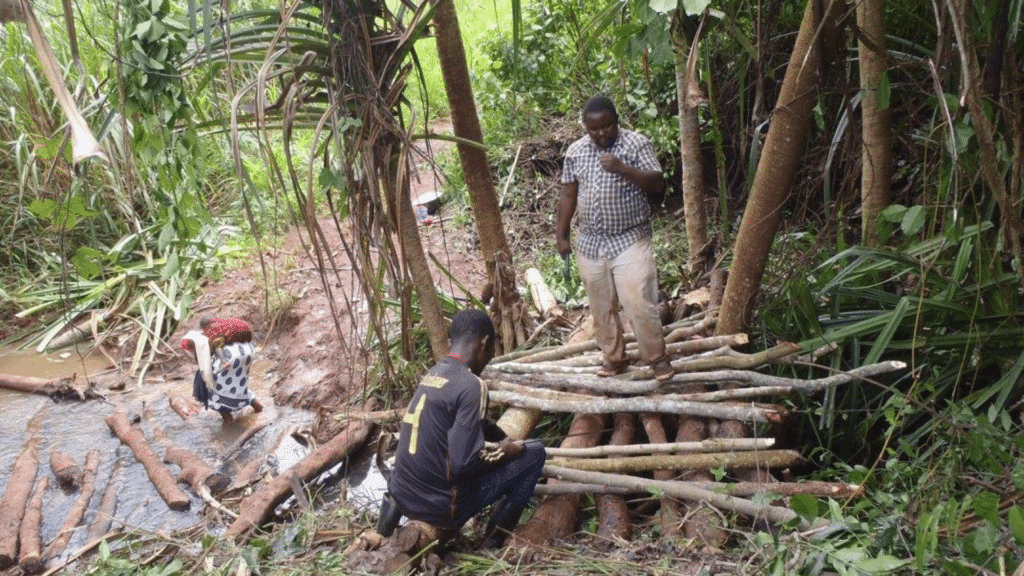
Despite their beauty and cultural richness, Lake Tanganyika’s fishing villages face challenges. Overfishing, climate change, and limited economic opportunities threaten the livelihoods of local communities. However, the resilience of the people shines through. Many villages are embracing eco-friendly fishing techniques, community conservation projects, and sustainable tourism. These efforts ensure that Swahili traditions and the lake’s natural wealth can be preserved for future generations.
Final Thoughts
Lake Tanganyika’s fishing villages are living examples of how nature and culture are intertwined. Rooted in Swahili traditions, these communities embody resilience, hospitality, and a deep respect for the environment. For travelers, a visit offers more than scenic views—it provides a cultural journey into the heart of East Africa’s history and way of life. By experiencing the songs, food, and fishing practices of these villages, one gains a deeper appreciation of how the Swahili spirit continues to thrive along the shores of Africa’s Great Lake.
