
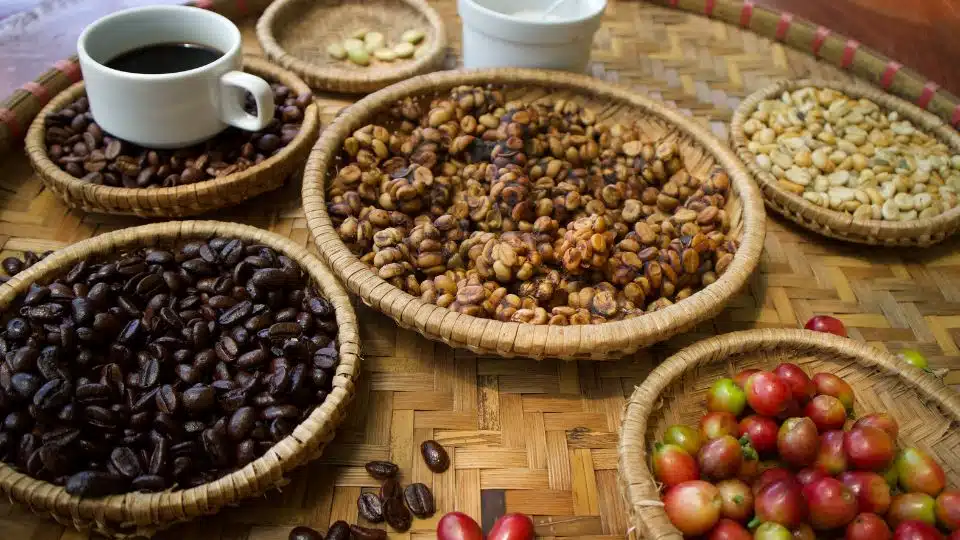
Coffee lovers around the world are often intrigued by Kopi Luwak, also known as civet coffee, because of its high price and unusual production process. But beneath its luxury image lies a troubling reality of animal cruelty, ethical concerns, and environmental impact. Understanding these issues can help you make informed choices and still enjoy ethical, delicious coffee.
The Truth Behind the Cup: Extreme Animal Cruelty

The vast majority of Kopi Luwak on the market is produced from civets held in deplorable conditions on “farms.” These civets, naturally solitary and nocturnal animals, endure immense suffering:
- Captured from the Wild: Many civets are illegally snatched from their natural habitats, leading to a decline in wild populations and disrupting ecosystems.
- Confined to Tiny, Barren Cages: Instead of their natural varied environments, civets are crammed into small, wire cages with inadequate shelter. This leads to extreme stress, self-harm, and “zoochosis” (a stress-induced neurotic condition).
- Force-Fed an Unnatural Diet: In the wild, coffee cherries are only a small part of a civet’s diverse diet. On farms, they are typically force-fed large quantities of coffee cherries, leading to severe malnutrition, health problems, and a compromised digestive system.
- Suffering and Early Death: Due to poor diet, unsanitary conditions, and relentless stress, caged civets often suffer from infections, fur loss, open wounds, and ultimately have significantly shorter lifespans than their wild counterparts.
More Reasons to Steer Clear

Beyond the direct animal cruelty, there are other compelling reasons to avoid Kopi Luwak:
- Misleading Marketing: Many producers falsely label their Kopi Luwak as “wild-sourced” to appeal to ethical consumers. However, investigations have repeatedly shown that it’s nearly impossible to produce enough “wild” Kopi Luwak to meet demand, and much of what’s sold as wild actually comes from caged animals.
- Inferior Quality: While proponents claim the civet’s digestive process enhances the coffee’s flavor, many coffee experts and Q-graders (coffee sommeliers) describe Kopi Luwak as bland, earthy, and lacking the complexity of high-quality specialty coffees. The stress and poor diet of caged civets also negatively impact the flavor.
- Supporting an Unethical Industry: By purchasing Kopi Luwak, even if it’s advertised as “wild,” you are directly contributing to an industry that relies on animal exploitation and deception. The high prices commanded by this coffee incentivize the capture and abuse of civets.
What You Can Do

- Educate Yourself and Others: Share this information and spread awareness about the cruel realities of Kopi Luwak production.
- Choose Ethical Alternatives: There are countless delicious and ethically sourced coffees available that don’t involve animal cruelty. Look for certifications from reputable organizations that ensure fair labor practices and animal welfare.
- Avoid “Civet Coffee” Tourism: If you encounter civets in cages at coffee plantations while traveling, understand that these are likely part of a cruel operation and do not support them.
The Hidden Cruelty
While some Kopi Luwak is produced naturally in the wild, most of it comes from factory-farmed civets. In these operations, animals are confined in tiny cages, force-fed coffee cherries, and deprived of their natural habitats. This leads to severe stress, malnutrition, and behavioral problems. Buying such coffee directly supports these abusive practices.
Conclusion
While Kopi Luwak may seem exotic and luxurious, its production is deeply unethical. Supporting cruelty-free coffee alternatives allows you to enjoy rich, unique flavors without contributing to animal suffering or environmental harm. By choosing ethical coffee, you become part of a movement that values quality, sustainability, and compassion. Next time you want a premium coffee experience, seek out responsibly sourced beans from trusted farms, and leave Kopi Luwak behind.
