
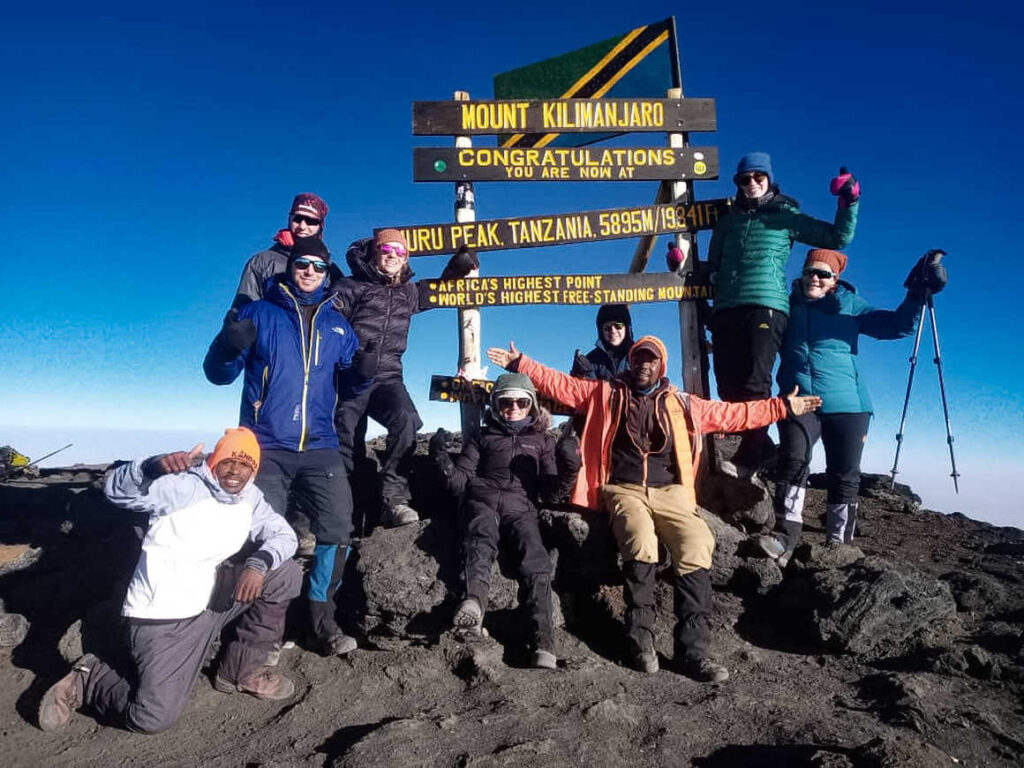
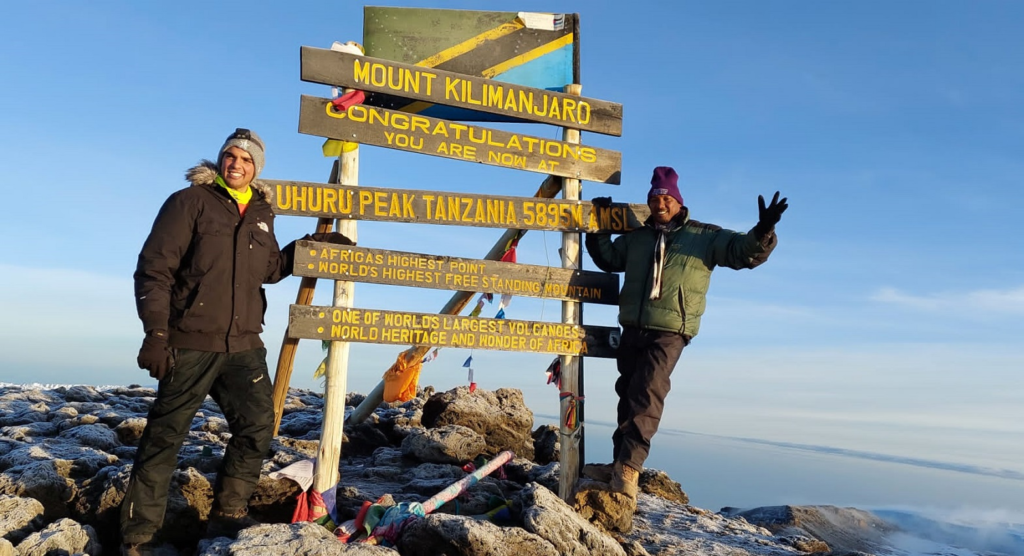
Mount Kilimanjaro, Africa’s highest peak, is not only a majestic challenge for climbers but also the centerpiece of a unique national park teeming with diverse ecosystems and wildlife. For adventurous travelers in 2025-2026, combining the thrill of conquering the “Roof of Africa” with a wildlife safari within its boundaries offers an unforgettable and multifaceted Tanzanian experience.
A Mountain of Biodiversity
Kilimanjaro National Park, a UNESCO World Heritage Site, spans approximately 1,688 square kilometers, encompassing the entire mountain above the 2,700-meter contour line and six forest corridors stretching downwards. This altitudinal range creates distinct ecological zones, each supporting unique flora and fauna:
- Montane Forest (1,800m – 2,800m): Lush and dense, this zone is home to blue monkeys, black-and-white colobus monkeys, bushbucks, and even elephants and leopards, though sightings of the latter two are rare. Birdlife is abundant, with species like the Hartlaub’s Turaco and silvery-cheeked hornbill.
- Heath and Moorland (2,800m – 4,000m): As the altitude increases, the forest gives way to open moorland characterized by giant heathers and tussock grasses. Wildlife here includes eland, bush hyrax, grey duiker, and various rodent species. Birdwatchers may spot sunbirds and buzzards.
- Alpine Desert (4,000m – 5,000m): A harsh and arid environment with little vegetation. Wildlife is scarce, mainly consisting of hardy species like the Kilimanjaro tree hyrax and some rodents.
- Arctic Zone (Above 5,000m): The summit area, characterized by ice and rock, supports minimal life.
Combining Your Climb with Wildlife Encounters
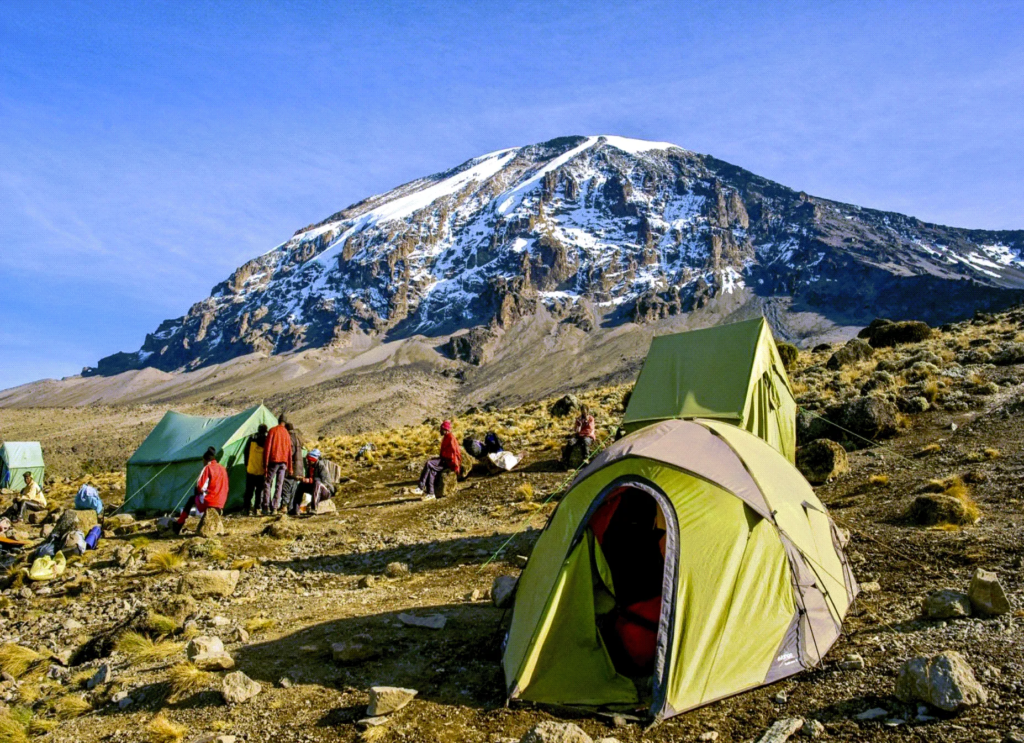
While the primary focus for most visitors is reaching Uhuru Peak, the journey through Kilimanjaro National Park offers opportunities for wildlife viewing, particularly in the lower montane forest zone. Here’s how you can maximize your chances of combining climbing with wildlife in 2025-2026:
- Choose the Right Route: Some routes traverse areas with higher chances of wildlife sightings. The Rongai route, approaching from the north, is known to have a higher probability of encountering elephants. The Lemosho route, with its longer traverse through the lower slopes, also offers good opportunities for seeing forest wildlife.
- Guided Nature Walks: Even if you’re primarily focused on climbing, consider incorporating a guided nature walk on the lower slopes either before or after your ascent. This dedicated time with an armed park ranger increases your chances of spotting animals and learning about the local flora and fauna.
- Keep a Keen Eye: While trekking, especially in the early mornings and late afternoons, be observant of your surroundings. Look for signs of wildlife, listen for animal calls, and move quietly. Monkeys are commonly seen in the forest zones.
- Birdwatching Opportunities: Kilimanjaro National Park is a haven for birdwatchers, with over 180 recorded species. The montane forest is particularly rich in birdlife. Keep your binoculars handy throughout your trek.
- Extend Your Stay: Consider adding an extra day or two to your itinerary specifically for exploring the lower sections of the park with a focus on wildlife viewing.
Best Time to Climb and See Wildlife (2025-2026)

The best times for climbing Kilimanjaro, offering the most favorable weather conditions, are generally during the dry seasons:
- January to mid-March: Warmest temperatures and clear skies, though it can be busy.
- June to October: Cooler and drier conditions, also a popular climbing window.
While wildlife can be seen year-round, the drier periods generally offer better visibility in the forests. However, the wetter months (April-May and November-December) can sometimes bring more wildlife activity in certain areas as animals seek water sources. Be prepared for potentially muddy trails if traveling during the shoulder seasons.
Responsible Tourism in Kilimanjaro National Park
As you plan your Kilimanjaro adventure in 2025-2026, it’s crucial to prioritize responsible tourism practices to minimize your impact on this precious ecosystem and support local communities:
- Choose a Reputable Tour Operator: Select a company that adheres to ethical practices, including fair wages and treatment for porters and guides, and environmentally sustainable operations. Look for operators affiliated with organizations like the Kilimanjaro Porters Assistance Project (KPAP).
- Follow Leave No Trace Principles: Pack out all trash, stay on designated trails, minimize your use of resources, and respect wildlife.
- Support Local Communities: Choose accommodations and services that benefit local people and economies.
- Respect Wildlife: Observe animals from a safe distance and never attempt to feed or disturb them.
- Be Mindful of Waste: Use reusable water bottles, minimize plastic consumption, and dispose of waste properly.
Planning Your Combined Safari and Climb (2025-2026)

To make the most of your Kilimanjaro National Park safari and climb in 2025-2026:
- Book in Advance: Secure your climbing permits and safari arrangements well ahead of time, especially if traveling during peak seasons.
- Pack Appropriately: Be prepared for a wide range of temperatures and conditions, from warm forest humidity to freezing summit temperatures. Include layers of clothing, waterproof gear, sturdy hiking boots, and binoculars.
- Acclimatize Properly: Allow sufficient time for acclimatization to the altitude to ensure a safe and successful climb.
- Engage with Your Guides: They possess invaluable knowledge about the mountain, its wildlife, and local culture.
Combining the challenge and achievement of climbing Mount Kilimanjaro with the opportunity to witness its unique wildlife creates a truly exceptional Tanzanian adventure in 2025-2026. By choosing responsible tourism practices and being mindful of the park’s diverse ecosystems, you can ensure your journey leaves a positive impact while forging unforgettable memories.
