
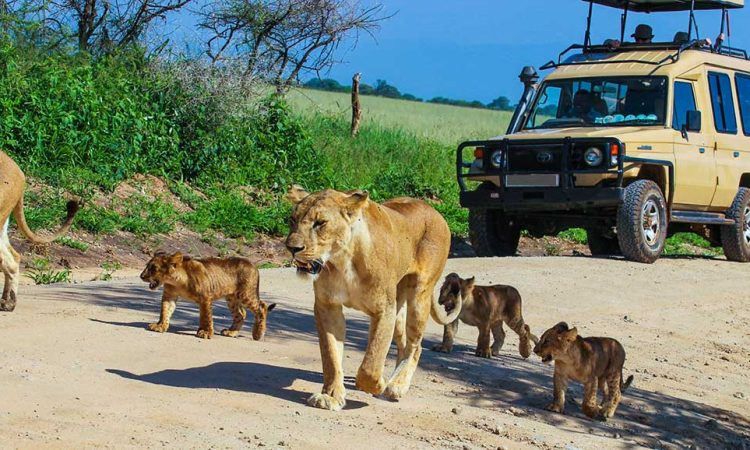

Is Tanzania Safe for Tourists? A Comprehensive Safety Guide for Travelers Tanzania is one of Africa’s most enchanting travel destinations, home to world-famous national parks, the majestic Mount Kilimanjaro, and the tropical paradise of Zanzibar. Whether you’re planning a luxury safari, a backpacking adventure, or a cultural exploration, safety is likely one of your top concerns. The good news is that Tanzania is generally safe for tourists — but like any international destination, there are important things to be aware of.
This in-depth guide explores all you need to know about safety in Tanzania, including crime risks, health concerns, transportation, wildlife encounters, and cultural respect.
General Safety Overview: What to Expect as a Tourist
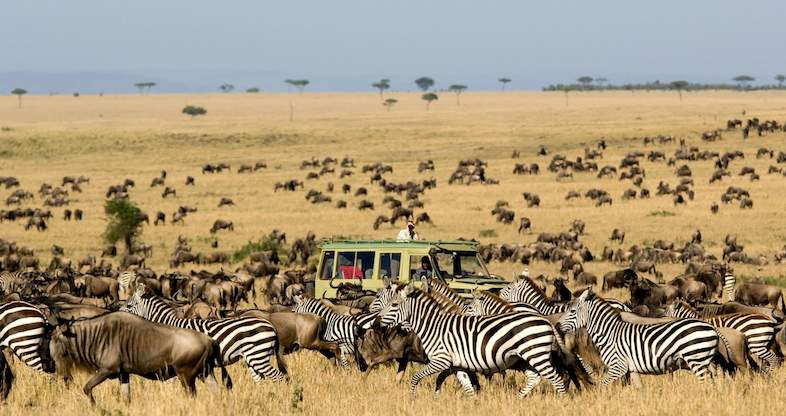
Tanzania is considered relatively safe for tourists, especially those who stick to well-known tourist areas and work with reputable tour operators. Popular destinations such as the Serengeti, Ngorongoro Crater, Zanzibar, and Kilimanjaro National Park are heavily frequented by international travelers and generally well-monitored.
That said, it’s important to understand that Tanzania is still a developing country, and infrastructure, emergency services, and public security can vary between urban and rural areas. As long as you exercise common sense and remain vigilant, your experience is likely to be smooth and rewarding.
Crime and Personal Security: Staying Safe in Cities and Tourist Zones
Like many tourist destinations, Tanzania has its share of petty crime — especially in urban centers such as Dar es Salaam, Arusha, and Stone Town (Zanzibar). Pickpocketing, bag-snatching, and opportunistic theft are the most common incidents reported by travelers. These often occur in crowded areas like bus stations, open-air markets, and nightlife spots.
Tips to stay safe from crime:
- Avoid walking alone at night, especially in poorly lit or unfamiliar areas.
- Use ride-hailing apps or hotel-recommended taxis rather than public minibuses (“dala-dalas”) after dark.
- Keep valuables out of sight. Use a money belt or anti-theft daypack.
- Store your passport and excess cash in a hotel safe or secure bag.
- Be cautious if approached by overly friendly strangers or unofficial tour guides.
Violent crime is rare but not impossible. The risk is significantly reduced if you travel with a group, stay in recommended accommodations, and avoid high-risk neighborhoods.
Health and Medical Safety: How to Stay Healthy While Visiting Tanzania
Health is one of the most important safety concerns when traveling to East Africa. Tanzania is located in a tropical region, which brings risks such as malaria, foodborne illnesses, and waterborne diseases. Medical facilities in larger cities like Dar es Salaam and Arusha are decent, but rural areas may lack proper healthcare infrastructure.
Essential health precautions:
- Vaccinations: The yellow fever vaccine is required if you’re arriving from a country where it is endemic. Additionally, vaccines for hepatitis A and B, typhoid, and tetanus are strongly recommended.
- Malaria prevention: Malaria is widespread. You should consult your doctor for antimalarial medication and use insect repellent (with DEET), mosquito nets, and long-sleeved clothing in the evenings.
- Water safety: Drink only bottled or filtered water. Avoid ice cubes and raw vegetables unless you’re certain they’ve been properly cleaned.
- Travel insurance: Comprehensive travel insurance that includes medical evacuation is essential, especially if you’re planning to hike Kilimanjaro or visit remote safari regions.
With the right preparation, staying healthy in Tanzania is entirely manageable.
Transportation Safety: Getting Around Tanzania
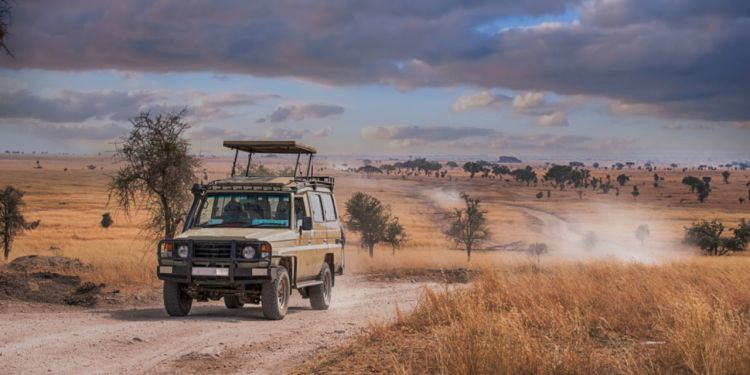
Transportation in Tanzania can be unpredictable. Road conditions range from modern highways to rough dirt roads, and traffic laws are not always strictly enforced. Urban traffic is chaotic, and road accidents are not uncommon.
Public transportation:
Local buses and “dala-dalas” (minibuses) are cheap but often overcrowded and poorly maintained. They are not recommended for tourists, especially at night.
Taxis and private transfers:
Use registered taxi services or arrange rides through your hotel. Apps like Bolt and Uber operate in some areas.
Domestic flights:
If you’re traveling long distances — for example, from Arusha to Zanzibar — flying with a reputable airline like Precision Air or Coastal Aviation is often safer and more time-efficient.
Driving yourself:
Unless you’re very familiar with East African driving conditions, it’s better to hire a local driver. If you do rent a car, make sure you have the appropriate international driving permit and insurance.
Wildlife and Natural Environment: How to Enjoy Safaris Safely
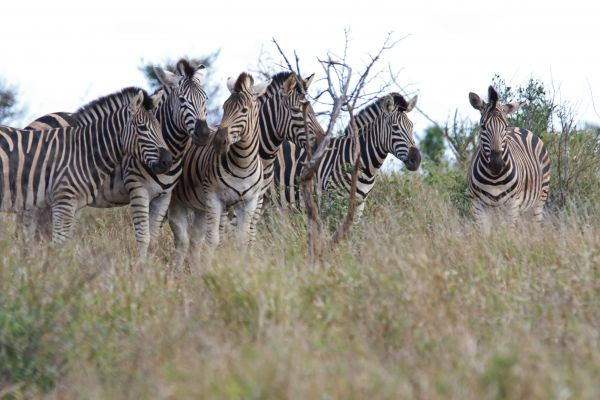
Tanzania is renowned for its wildlife — home to the Big Five (lion, leopard, elephant, buffalo, and rhino) as well as countless other species. Visiting national parks and game reserves is typically very safe as long as you follow the rules and stick with professional guides.
Safari safety tips:
- Never approach wild animals on foot unless your guide instructs you to.
- Stay inside your vehicle at all times during game drives.
- Do not feed animals or make loud noises that could provoke them.
- Always listen to your guide — they are trained to handle wildlife encounters safely.
If you’re climbing Mount Kilimanjaro or exploring other natural wonders, be aware of altitude sickness, sudden weather changes, and rough terrain. Always go with an accredited guide service and pack appropriate gear.
Political and Social Climate: What Tourists Should Know
Tanzania is politically stable and has a reputation for peace in the region. While political protests are rare, they can occur, especially during election periods. Foreigners are not typically involved in political unrest, but it’s wise to stay away from demonstrations or large gatherings.
What to do:
- Stay informed by checking your country’s travel advisories.
- Register with your embassy if you’re staying long-term or traveling solo.
- Respect law enforcement and comply with any ID checks (carry a photocopy of your passport at all times).
As long as you stay out of political matters and respect local authority, political issues will have little to no effect on your trip.
Cultural Etiquette: Respecting Local Customs and Religion

Tanzania is home to over 120 ethnic groups, with deep-rooted traditions and a strong sense of community. It’s also a religiously diverse country, with Christianity and Islam being the most practiced faiths.
Respecting cultural norms is not only polite — it also helps you stay safe by avoiding misunderstandings.
Cultural etiquette to observe:
- Dress modestly, especially in Zanzibar and rural areas. Women should cover shoulders and knees.
- Public displays of affection (especially kissing) are frowned upon in conservative areas.
- Always ask for permission before taking photos of people.
- Greeting people politely (e.g., saying “Jambo” or “Shikamoo”) is highly appreciated.
- Avoid discussions around politics, religion, or tribal affiliations unless invited.
By respecting the culture, you’ll likely be met with warmth, hospitality, and smiles.
Final Thoughts: So, Is Tanzania Safe for Tourists?
Yes — Tanzania is a safe and rewarding destination for tourists who come prepared. Like anywhere else in the world, risks exist, but they are manageable with awareness and planning.
From the awe-inspiring Serengeti to the idyllic beaches of Zanzibar, Tanzania has much to offer. By following local laws, respecting cultural traditions, staying informed, and taking sensible health and safety precautions, you can enjoy everything this East African gem has to offer — safely and confidently.
