Interesting Facts About Tanzania. Tanzania isn’t just a country—it’s a living story of culture, wildlife, history, and natural wonder. Nestled in the heart of East Africa, Tanzania offers everything from snow-capped mountains and ancient fossil sites to tropical islands and vibrant cultural traditions. In this blog, we take a deeper look at what makes Tanzania so fascinating, exploring the people, the land, and the spirit that define it.
Tanzania’s Cultural Diversity: A Mosaic of Traditions

Tanzania is home to more than 120 ethnic groups, making it one of the most ethnically diverse countries in Africa. Each group has its own language, customs, music, and traditional clothing. Despite this diversity, Tanzanians have maintained a strong sense of national unity, largely thanks to the widespread use of Swahili, which serves as a common language. Cultural expressions are seen in everything from dance and storytelling to rituals and community celebrations, offering an incredibly rich social landscape. Visitors are often amazed by the warmth and hospitality of Tanzanians, who proudly welcome you into their communities regardless of your background.
Interesting Facts About Tanzania Mount Kilimanjaro: Africa’s Tallest Giant

Rising majestically above the savannas of northern Tanzania, Mount Kilimanjaro is the tallest peak in Africa and the highest free-standing mountain in the world. Its snow-capped summit, visible for miles, is both a physical and spiritual landmark. Kilimanjaro is sacred to local communities like the Chagga, who consider the mountain to be a source of life and legend. Climbing it offers more than just a challenge—it’s a journey through five ecological zones, from rainforest to alpine desert to arctic summit. It also plays a crucial role in Tanzania’s water systems and agriculture.
The Serengeti: Nature’s Grandest Stage

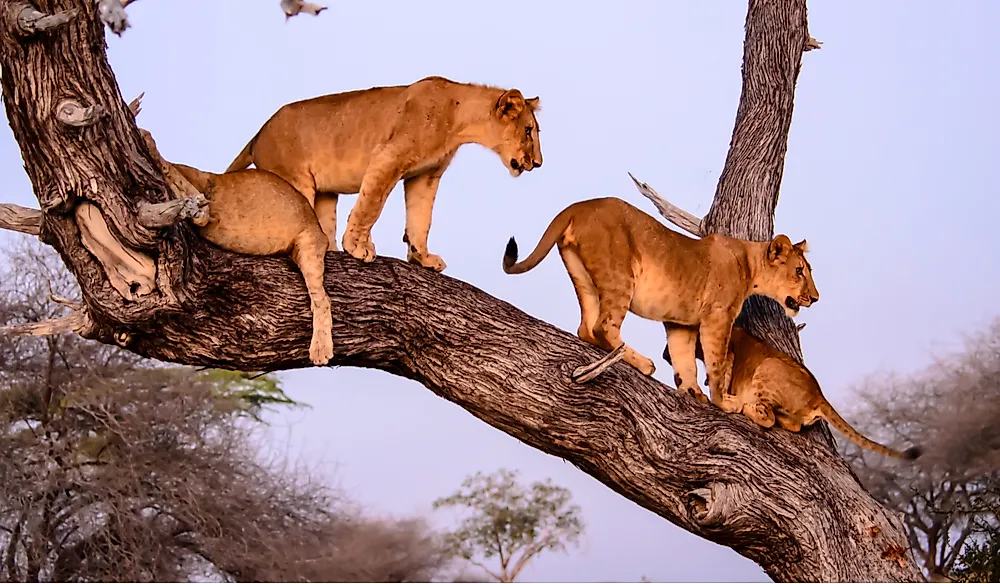
The Serengeti National Park is not only one of Tanzania’s most iconic landscapes—it is one of the greatest wildlife ecosystems on Earth. Covering nearly 15,000 square kilometers, it is home to one of the most spectacular natural events in the world: the Great Migration. Each year, over a million wildebeest and hundreds of thousands of zebras and gazelles migrate in a massive circular route between Tanzania and Kenya, following the rains in search of fresh grazing land. This migration draws predators such as lions, cheetahs, and crocodiles, creating a raw, dynamic cycle of life and survival that plays out on the open plains.
Zanzibar: The Indian Ocean’s Cultural Jewel

Zanzibar, a semi-autonomous archipelago off Tanzania’s coast, is famous for its white sandy beaches, spice plantations, and fascinating cultural blend. Historically a center for trade in spices, ivory, and slaves, Zanzibar’s culture reflects centuries of influence from Arab, Indian, Persian, and European traders. Stone Town, a UNESCO World Heritage Site, is the historic heart of Zanzibar City and is filled with coral stone buildings, intricately carved doors, and a labyrinth of narrow alleyways. Beyond history, Zanzibar offers world-class snorkeling, diving, and the serene pace of island life.
Ngorongoro Crater: A Wildlife Sanctuary in a Volcanic Bowl

Formed by the collapse of a massive volcano millions of years ago, the Ngorongoro Crater is the largest intact volcanic caldera in the world. Within its steep walls is a self-contained world where ecosystems have evolved in isolation. It is home to more than 25,000 animals, including lions, hippos, elephants, and some of the last black rhinos in East Africa. What makes Ngorongoro especially unique is the coexistence of wildlife with the Maasai people, who live within the conservation area and maintain a traditional lifestyle based on cattle herding. This balance of human and wildlife conservation is a rare and inspiring model.
Olduvai Gorge: The Cradle of Mankind

Tanzania holds an important place in the study of human evolution thanks to Olduvai Gorge, located in the Great Rift Valley. This site is one of the most important paleoanthropological locations in the world. It was here that scientists Louis and Mary Leakey discovered ancient tools and fossils that dated back nearly two million years, offering crucial evidence about early human ancestors. The gorge today is a site of ongoing research and also a place of education, with a museum that tells the story of humanity’s deep roots in East Africa.
Lake Tanganyika: Africa’s Deep, Ancient Waters

In western Tanzania lies Lake Tanganyika, the second-deepest freshwater lake in the world and the longest in Africa. Its crystal-clear waters stretch over 670 kilometers and reach depths of more than 1,400 meters. The lake is home to hundreds of endemic fish species—many found nowhere else on Earth—and is a key source of livelihood for surrounding communities. Its surrounding forests and shores are also home to chimpanzees and rare wildlife, making it a haven for biodiversity and eco-tourism.
Lake Victoria: The Lifeline of Northern Tanzania
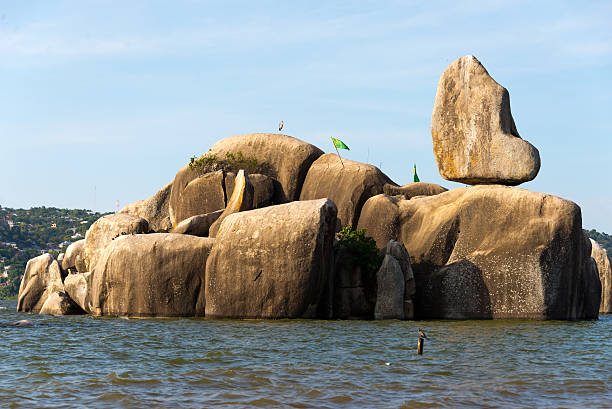
Lake Victoria, which Tanzania shares with Uganda and Kenya, is Africa’s largest lake by area and plays a vital role in the country’s economy and ecology. It supports a massive freshwater fishing industry, provides water for irrigation and drinking, and serves as a transportation hub for people and goods. The lake is also home to vibrant communities who depend on its resources and share rich cultural traditions tied to water, farming, and fishing.
The Maasai: Guardians of Land and Heritage

The Maasai are perhaps the most well-known ethnic group in East Africa due to their striking appearance, strong traditions, and enduring presence in Tanzania and Kenya. Clad in bright red shukas and intricate beadwork, the Maasai maintain a semi-nomadic lifestyle centered on cattle herding. They live in harmony with nature, especially in regions bordering the Serengeti and Ngorongoro. Despite modernization, the Maasai have held onto many of their traditions, language (Maa), and rituals. Their connection to the land is deeply spiritual and symbolic of the need to preserve indigenous cultures in the modern world.
Tanzania’s Formation Through Unity
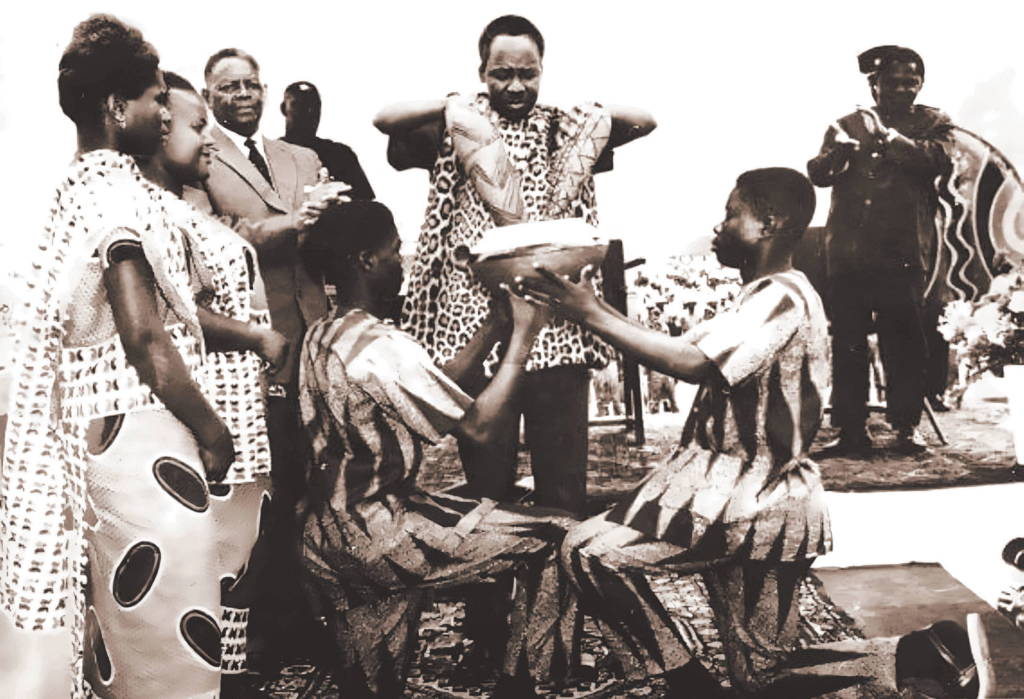
The United Republic of Tanzania was formed in 1964 through the political union of two formerly separate states: Tanganyika on the mainland and Zanzibar off the coast. The country’s name is a combination of both—Tan (Tanganyika) and Zan (Zanzibar) with “ia” added to signify unity. While Zanzibar retains its own government and semi-autonomy, the union has remained stable for over 60 years. This unique political structure contributes to the country’s cultural complexity and diplomatic strength.
A Country Known for Peace and Stability
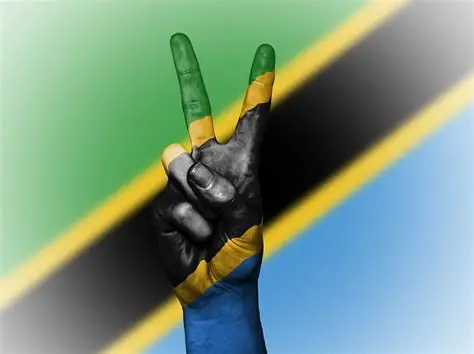
In a region often challenged by political unrest, Tanzania stands out for its commitment to peace and national unity. Since gaining independence in 1961, it has avoided civil war, major ethnic conflict, or violent coups. Tanzanians have long upheld a tradition of tolerance, community development, and non-violence. This has made Tanzania not only a safe destination for travelers but also a regional leader in diplomacy and humanitarian cooperation.
Swahili: A Language That Connects Africa
Swahili, or Kiswahili, is more than a national language—it’s a cultural bridge across East and Central Africa. With roots in Bantu languages and vocabulary borrowed from Arabic, Persian, German, and Portuguese, Swahili was born from centuries of coastal trade. It is now spoken by over 100 million people and is one of the African Union’s official languages. In Tanzania, it is used in education, governance, and everyday communication, helping unify a nation of many tongues.
Tanzania’s Unique and Endangered Species
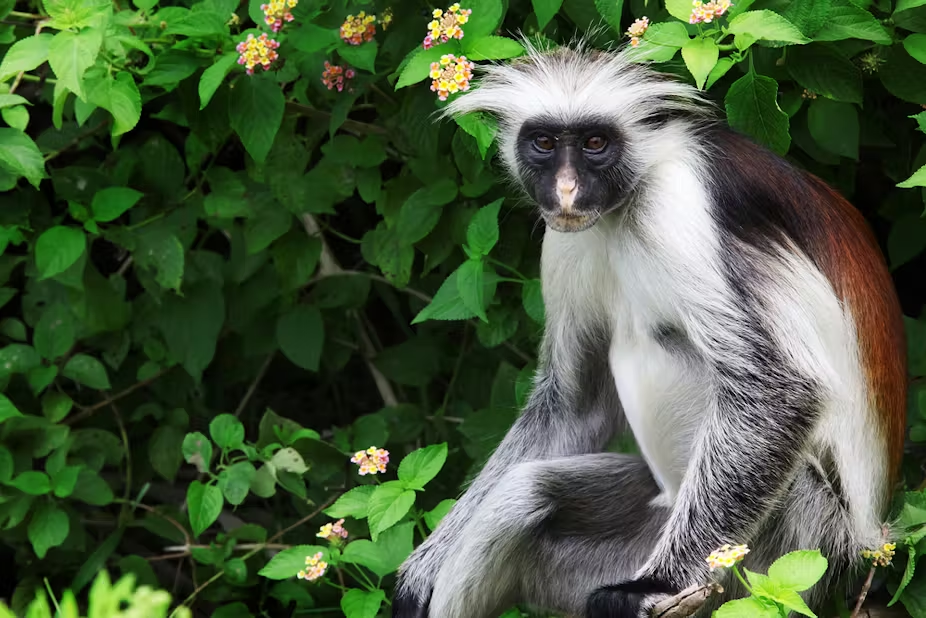
From the remote Eastern Arc Mountains to the wetlands of the Selous Game Reserve, Tanzania shelters many rare and endangered species. These include the Kipunji monkey (discovered only in 2005), the Pemba flying fox, and the Udzungwa red colobus. Conservation efforts are ongoing, with national parks and local communities working together to protect endangered species and their habitats. Tanzania’s commitment to biodiversity makes it a global conservation priority.
A Flag That Tells a National Story
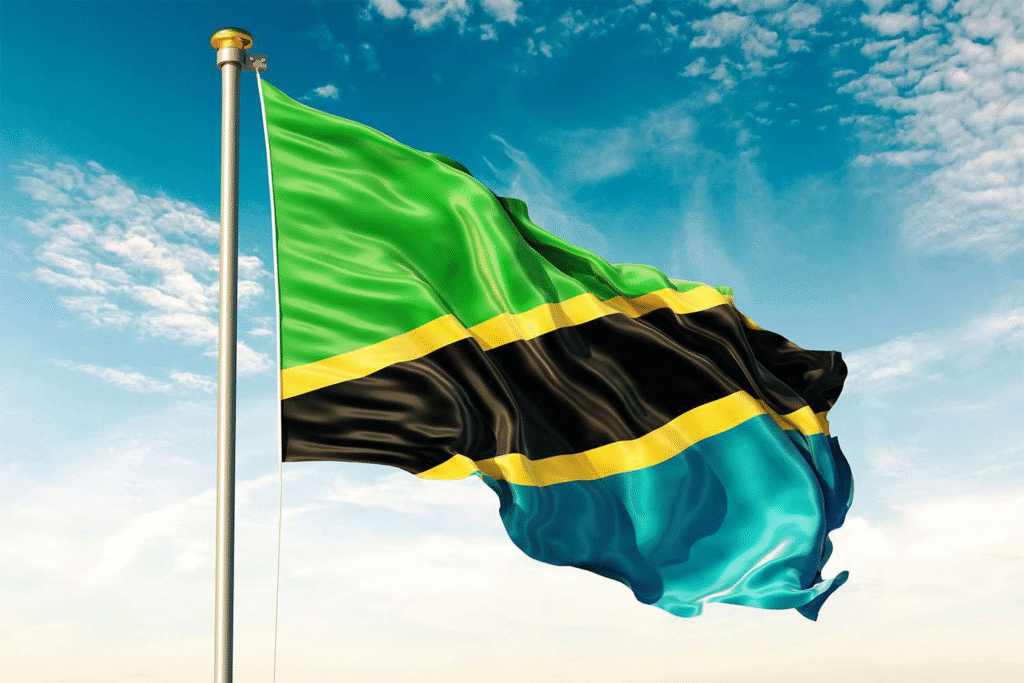
Tanzania’s flag is more than symbolic—it’s a national story in four colors. The green stands for the land and agriculture, which supports the majority of Tanzanians. Black represents the people and their unity. Yellow reflects the country’s mineral wealth, and blue symbolizes the Indian Ocean and the many lakes and rivers that nourish the land. Each color speaks to Tanzania’s natural resources, people, and potential.
Tourism That Builds Communities and Protects Nature
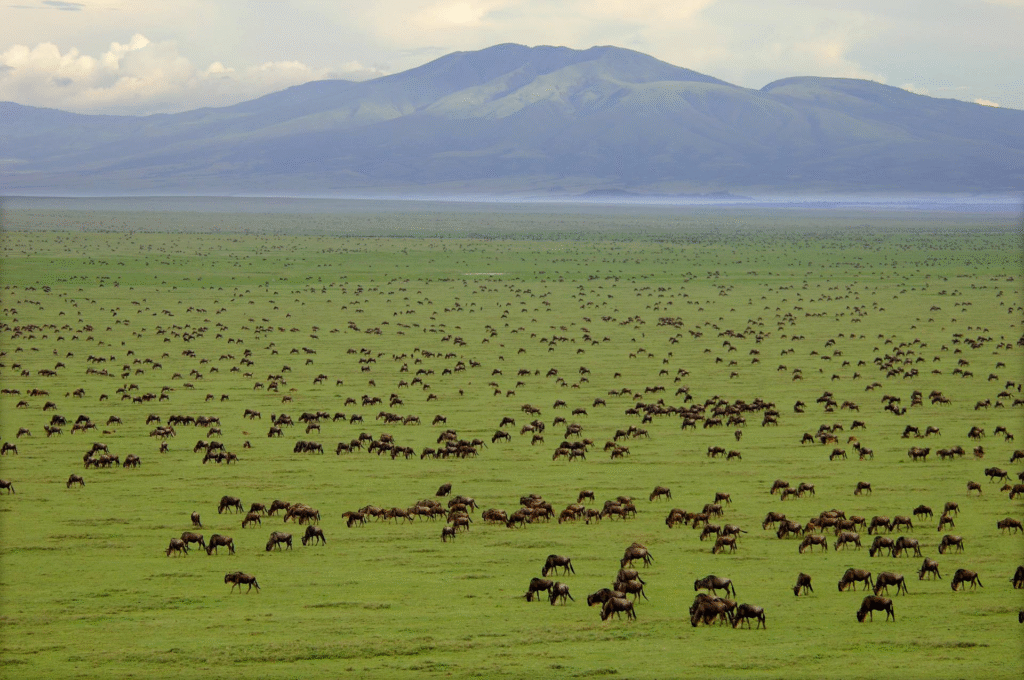
Tourism is one of Tanzania’s largest industries, but it’s more than just a source of income. Ecotourism initiatives across the country help protect wildlife, support community-owned lodges, and provide education and jobs to local people. Visitors can experience Tanzania’s beauty while knowing their money is helping preserve the environment and uplift families. Sustainable travel in Tanzania is about balance—honoring nature, culture, and future generations.
Final Thoughts: Tanzania Is a Living Adventure
Tanzania is a place where landscapes meet legends, and every journey becomes a story. From Kilimanjaro’s icy peak to Zanzibar’s tropical breezes, from ancient fossils to bustling markets, Tanzania holds treasures for every kind of traveler or curious mind. It is more than a destination—it is a deep, colorful, and ever-evolving part of Africa’s soul.
