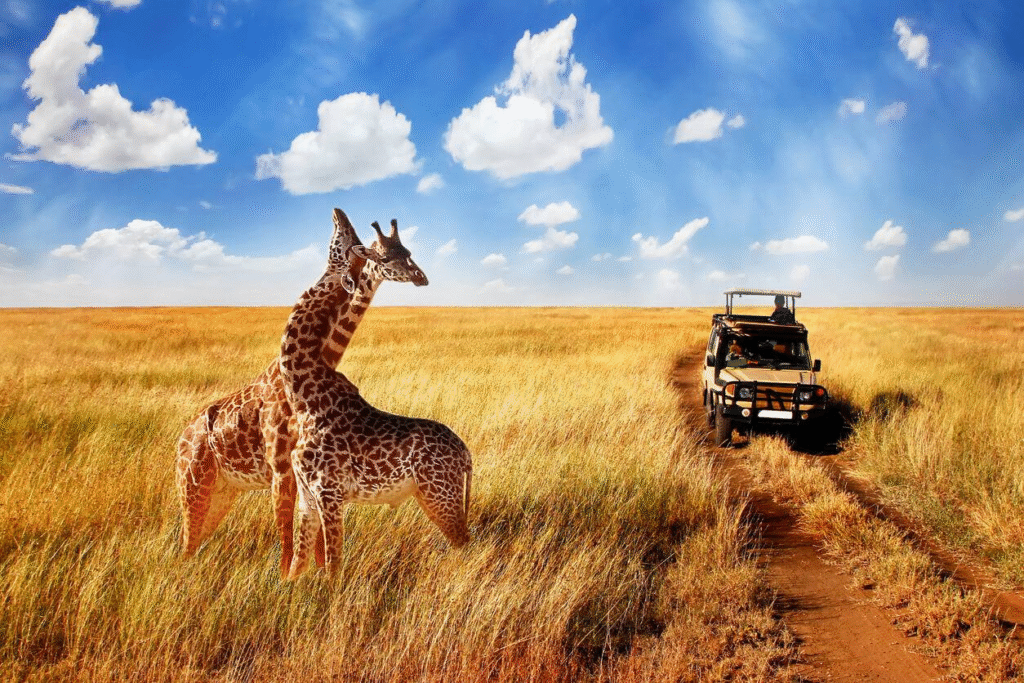

Tanzania is one of the world’s top safari destinations, home to iconic wildlife areas like the Serengeti, Ngorongoro Crater, and Tarangire National Park. Whether you’re dreaming of watching the Great Migration or spotting the Big Five, a Tanzanian safari offers an unforgettable adventure. But how much does a safari in Tanzania cost? The answer depends on many factors, including the season, accommodation type, group size, and travel style. Below is a detailed breakdown to help you plan your safari experience.
Safari in Tanzania Types of Safaris and Price Ranges
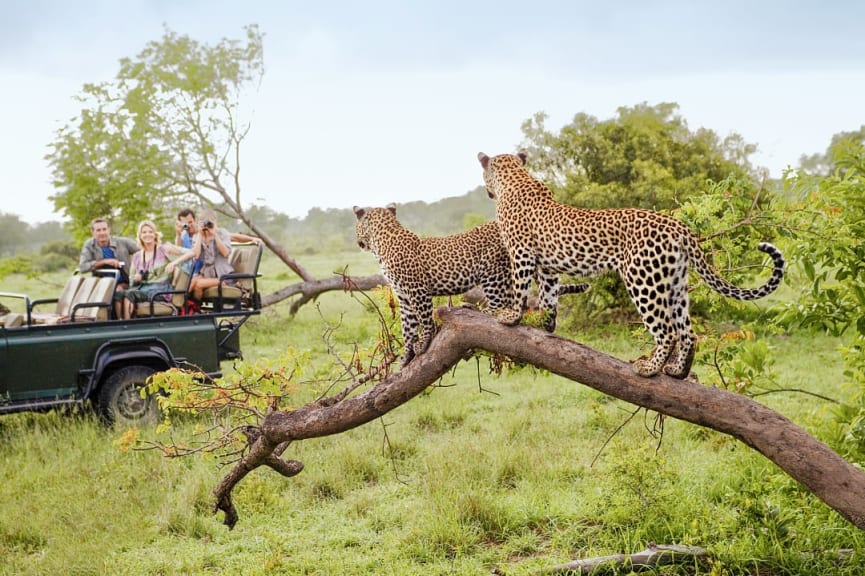
There are several types of safaris in Tanzania, and each comes with a different price tag. The three main categories are budget safaris, mid-range safaris, and luxury safaris. A budget safari typically costs between $150 to $300 per person per day. These often include basic campsites, shared vehicles, and group travel. A mid-range safari costs approximately $350 to $600 per person per day and includes more comfortable lodges, private 4×4 vehicles, and better amenities. For those seeking exclusivity and comfort, a luxury safari can range from $700 to over $2,000 per person per day, offering premium lodges, gourmet meals, and fly-in options between parks.
The choice depends on your budget and travel preferences. Budget travelers often opt for group tours that share vehicle and guide costs, while private or custom safaris are more expensive but offer flexibility and exclusivity.
What’s Included in the Cost?
Most Tanzanian safari packages are all-inclusive. This means the price typically includes park entrance fees, accommodation, meals, transport in a 4×4 safari vehicle, and the services of a driver-guide. Some packages also cover airport transfers and drinking water during game drives. However, items like international flights, visas, alcoholic drinks, tips, and optional activities (like hot air balloon rides or Maasai village visits) are usually not included.
Park fees alone can be significant. For example, entry to Serengeti National Park is around $70 per adult per day, while the Ngorongoro Crater adds a $50 crater service fee on top of the entrance fee. These government fees are fixed and must be paid for each park visited, which can influence the overall cost.
Accommodation Options and Their Impact on Price

Accommodation plays a major role in determining the overall safari cost. In Tanzania, safari accommodation ranges from public campsites with basic facilities to luxury tented camps and 5-star lodges with spa services and private chefs.
- Budget accommodation: Camping or basic lodges cost between $20 to $100 per night. These may have shared bathrooms and limited electricity but are ideal for adventurous travelers.
- Mid-range lodges and tented camps: Comfortable and often located within or near national parks. Prices range from $150 to $350 per night.
- Luxury lodges and tented camps: Offer world-class service, stunning views, and personalized experiences. Prices start around $500 and can exceed $2,000 per night during high season.
Choosing accommodation inside the parks is more expensive than staying outside, but it allows for better access to early morning and evening game drives.
Time of Year and Seasonal Pricing
The cost of a safari in Tanzania also varies by season. The high season, from June to October and December to February, is the most expensive. These months offer the best weather and wildlife viewing, including the Great Migration in the Serengeti. During this time, prices increase by 20% to 50% due to high demand.
The low season (also called the “green season”), from March to May, sees fewer tourists and lower prices—sometimes 30% to 40% cheaper than in peak season. While rain is more frequent during this time, it’s a great period for birdwatching and lush landscapes, and you may find better deals on accommodation and tours.
How Location Impacts Safari Costs in Tanzania
Tanzania’s safari regions are geographically diverse, and the location of your safari will influence its cost. For example, the Serengeti and Ngorongoro Crater in northern Tanzania are among the most famous and therefore more expensive due to high park fees and popularity. In contrast, southern and western parks like Ruaha National Park or Katavi may offer lower costs and fewer crowds, though they often require longer travel times or internal flights.
The country’s geography also affects accessibility and transportation costs. While some parks are accessible by road, others are best reached by chartered flights, which adds to the total safari cost.
Private vs Group Safaris
Group safaris are more affordable because costs are shared among travelers. These safaris typically cost between $150 and $350 per day per person, depending on the group size and duration. They are great for solo travelers and those on a budget, but offer less flexibility in terms of itinerary.
Private safaris, while more expensive, provide the advantage of customizing your route, pacing, and park choices. These range from $400 to $800+ per day, depending on how many people are in the group and the level of luxury. For families or groups of friends, private safaris can be a cost-effective option while maintaining privacy and personalized experiences.
Tips to Save Money on Your Safari
If you’re looking to reduce safari costs without sacrificing the experience, consider the following:
- Travel in the low season (March–May) for discounts on lodges and tours.
- Join a group safari instead of booking privately.
- Limit the number of parks visited to reduce entry fees.
- Choose lodges outside the parks, which are usually cheaper.
- Book directly with local operators, who may offer better rates than international agencies.
Doing your research, booking early, and being flexible with your dates can also lead to significant savings.
Conclusion: What Should You Expect to Spend?
So, how much does a safari in Tanzania cost? The answer depends on your travel style, duration, and time of year. Budget travelers can enjoy an authentic experience for around $150–$300 per day, while mid-range safaris cost around $400–$600 daily, and luxury safaris can exceed $1,000 per day. No matter your budget, Tanzania offers unforgettable wildlife experiences for all kinds of travelers—from backpackers to honeymooners and families.
