
The Swahili Coast, stretching from southern Somalia to northern Mozambique, including the islands of Zanzibar and Comoros, has a rich and dynamic history shaped by centuries of trade, cultural exchange, and the evolution of its distinctive language. Far from being a mere passive recipient of foreign influences, the Swahili people forged a unique identity at the crossroads of Africa and the Indian Ocean world.
Trade: The Engine of Coastal Prosperity

From the earliest centuries CE, the Swahili Coast was an integral part of the vast Indian Ocean trade network. Its strategic location, coupled with the reliable monsoon winds that facilitated travel, made it a vital link between the African interior and distant lands in the Middle East, India, and even China.
- Early Beginnings: Even before the advent of Islam, the coast was involved in trade, exchanging goods like ivory, animal hides, timber, and agricultural products with traders from the Greco-Roman world and later, Arabia. The Periplus of the Erythraean Sea, a Greek text from the 1st century CE, already describes bustling ports along this coast.
- The Rise of City-States (9th-15th Centuries): From around the 9th century, numerous independent city-states flourished along the Swahili Coast. Important examples include Kilwa, Mombasa, Lamu, Pate, Malindi, and Sofala. These city-states were hubs of commercial activity, developing sophisticated social and economic structures.
- Exports: The primary exports from the African interior were highly sought-after commodities such as gold (from regions like Great Zimbabwe, particularly through Sofala), ivory, rhinoceros horn, tortoise shells, and increasingly, enslaved people. Other exports included timber, ambergris, and mangrove poles.
- Imports: In return, the Swahili cities received manufactured goods and luxuries from Asia and the Middle East, including textiles (especially cotton cloth), ceramics (Chinese porcelain, Persian glazed pottery), beads, spices, and iron tools.
- The Role of Monsoon Winds: The seasonal shift of the monsoon winds was crucial. Northeast monsoons carried ships from Arabia and India to the African coast, while the southwest monsoons facilitated their return voyages. This predictable pattern ensured regular trade.
- The Portuguese Interruption (16th-17th Centuries): The arrival of the Portuguese at the end of the 15th century, seeking to establish a monopoly on the spice trade to the East, severely disrupted the existing Indian Ocean trade networks. They attacked and seized many Swahili city-states, building forts like Fort Jesus in Mombasa. While they managed to control some key ports for a period, their dominance was never absolute or long-lasting due to fierce resistance and competition from other European powers and Omani Arabs.
- Omani Ascendancy and the Slave Trade (18th-19th Centuries): After expelling the Portuguese, Omani Arab rulers gained increasing influence, particularly centered on Zanzibar. This period saw a resurgence of trade, but also a significant increase in the transatlantic and Indian Ocean slave trade. Zanzibar became a major hub for this horrific trade, as well as for cloves and other agricultural products.
Culture: A Melding of Influences

Swahili culture is a vibrant fusion, primarily rooted in Bantu African traditions but significantly shaped by centuries of interaction with Arab, Persian, Indian, and later, European influences. The term “Swahili” itself comes from the Arabic word sawahil, meaning “coasts” or “people of the coast.”
- Bantu Core: The foundational element of Swahili culture is its Bantu heritage. The earliest inhabitants were Bantu-speaking communities engaged in farming, fishing, and pastoralism. Many social structures, artistic forms, and belief systems have deep Bantu roots.
- Islamic Influence: The arrival of Arab and Persian traders from the 8th century onwards brought Islam to the coast. Many local communities converted, and Islam became a central pillar of Swahili identity. This is evident in:
- Religion: The vast majority of Swahili people are Sunni Muslims, and Islamic principles deeply influence daily life, law, and social norms.
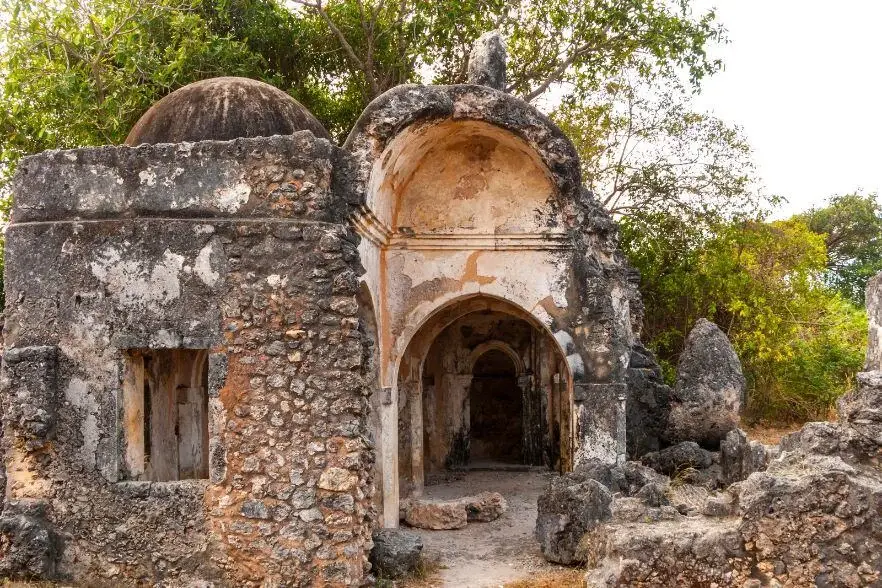
- Architecture: Swahili towns are famous for their unique architecture, characterized by multi-story houses built from coral stone, elaborately carved doors, and numerous mosques. This style blends African building techniques with Islamic aesthetic principles.
- Cuisine: Swahili cuisine features a blend of African ingredients with spices and cooking methods introduced through trade, notably from India and the Middle East. Coconut milk, rice, and a variety of spices are prominent.
- Dress: Traditional Swahili attire often incorporates elements from Islamic and Middle Eastern dress, such as the kanga and kitenge fabrics, and the use of head coverings for women.
- Cosmopolitanism: The constant flow of people and goods across the Indian Ocean fostered a highly cosmopolitan society. Merchants from diverse backgrounds lived and worked together, contributing to the rich cultural tapestry. Oral traditions, and recent genetic studies, confirm the diverse ancestry of the Swahili people, with a significant mix of local African, Middle Eastern, and South Asian heritage.
Language: The Lingua Franca of East Africa
The Swahili language (Kiswahili) is arguably the most powerful symbol of Swahili identity and a testament to the region’s history of interaction.
- Bantu Origin: At its core, Swahili is a Bantu language, sharing grammatical structures and a significant portion of its vocabulary with other East African Bantu languages. This linguistic foundation firmly roots Swahili in Africa.
- Arabic Influence: Due to centuries of trade and the spread of Islam, Swahili has borrowed extensively from Arabic. This influence is particularly noticeable in its vocabulary, especially terms related to religion, trade, law, and urban life. While some older estimates suggested up to 40% Arabic loanwords, linguistic analysis of daily vocabulary indicates a lower percentage (2-8% from non-African languages, with Arabic as a fraction of that), but the impact is undeniable.
- Lingua Franca: Swahili evolved as a lingua franca – a common language for communication – among the diverse trading communities along the coast and with the interior. Its practicality and widespread use facilitated commerce and cultural exchange.
- Evolution of Written Form: Early Swahili was written using modified Arabic script (Ajamī). The oldest surviving Swahili texts, including poetry and letters, date from the 17th and 18th centuries. With the arrival of European missionaries and colonial powers in the 19th and 20th centuries, the Latin alphabet was adopted for writing Swahili.
- Modern Status: Today, Swahili is one of Africa’s most widely spoken languages, serving as a national language in Tanzania (where it is the language of administration and primary education) and Kenya, and widely used in Uganda, Rwanda, Burundi, and the Democratic Republic of Congo. It is also an official language of the African Union, highlighting its historical significance and ongoing relevance. Its standardization in the 20th century further cemented its role as a unifying force in East Africa
Conclusion
The story of the Swahili Coast is not just one of commerce or conquest, but of cultural creativity and resilience. The Swahili people did more than absorb foreign influences—they redefined them, creating a sophisticated, multilingual, and multicultural society that bridged continents and centuries. Their history reminds us that African coastal communities were central—not peripheral—to global trade, religion, and communication. In today’s East Africa, where Swahili serves as a national and regional lingua franca, the legacy of the coast’s rich past continues to thrive. Understanding this history deepens our appreciation of a region where identity, language, and tradition are as fluid and enduring as the tides that have shaped its shores.
