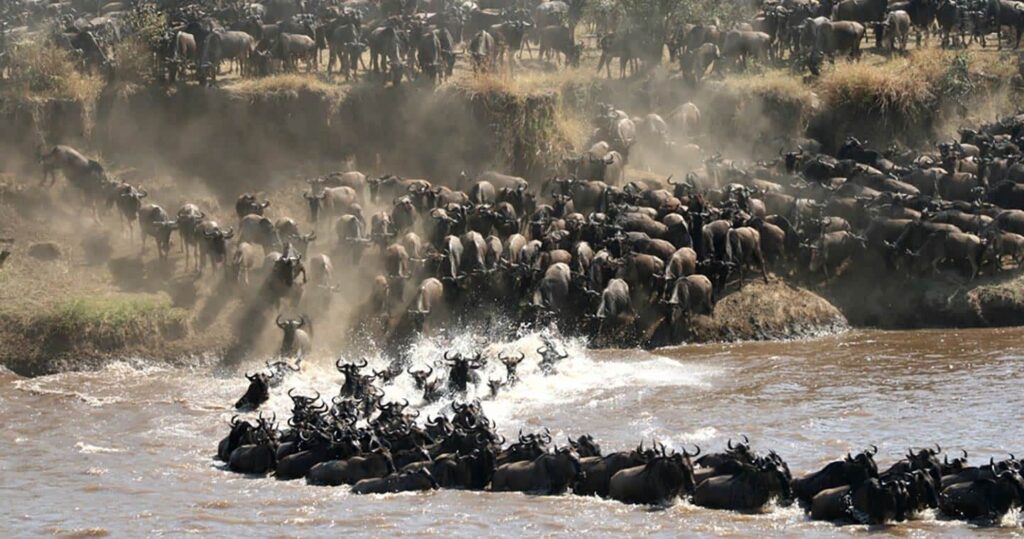
The Great Migration should be on every traveler’s bucket list because it is the largest and most spectacular wildlife event on Earth, featuring over 1.5 million wildebeests, zebras, and gazelles migrating in a massive circle through Tanzania’s Serengeti and Kenya’s Masai Mara. This awe-inspiring journey covers around 800 to 1,000 kilometers and involves dramatic river crossings where animals face predators like crocodiles, lions, and hyenas, creating a thrilling natural spectacle.
Additionally, the migration showcases the raw beauty and harsh realities of nature, with new life ushered in during the calving season when hundreds of thousands of calves are born, embedding a powerful story of survival and renewal. The Great Migration also offers travelers a unique opportunity to witness an unparalleled circle of life, breathtaking landscapes, and abundant wildlife in one of the world’s most iconic ecosystems, making it a truly unforgettable adventure.
The Great Migration: Nature’s Epic Annual Journey

The Great Migration is the year-round movement of over a million wildebeest, zebras, and gazelles as they travel in a circular route between Tanzania’s Serengeti and Kenya’s Maasai Mara. Starting with the calving season in the southern Serengeti from January to March, the herds move northwest through the Serengeti until they reach the famous Mara River crossings in July to September. After months in Kenya, they return south to the Serengeti by November, completing the cycle. This journey follows rainfall and fresh grazing, offering incredible wildlife sightings throughout the year.
Thrilling Mara River Crossings: Nature’s Ultimate Survival Challenge
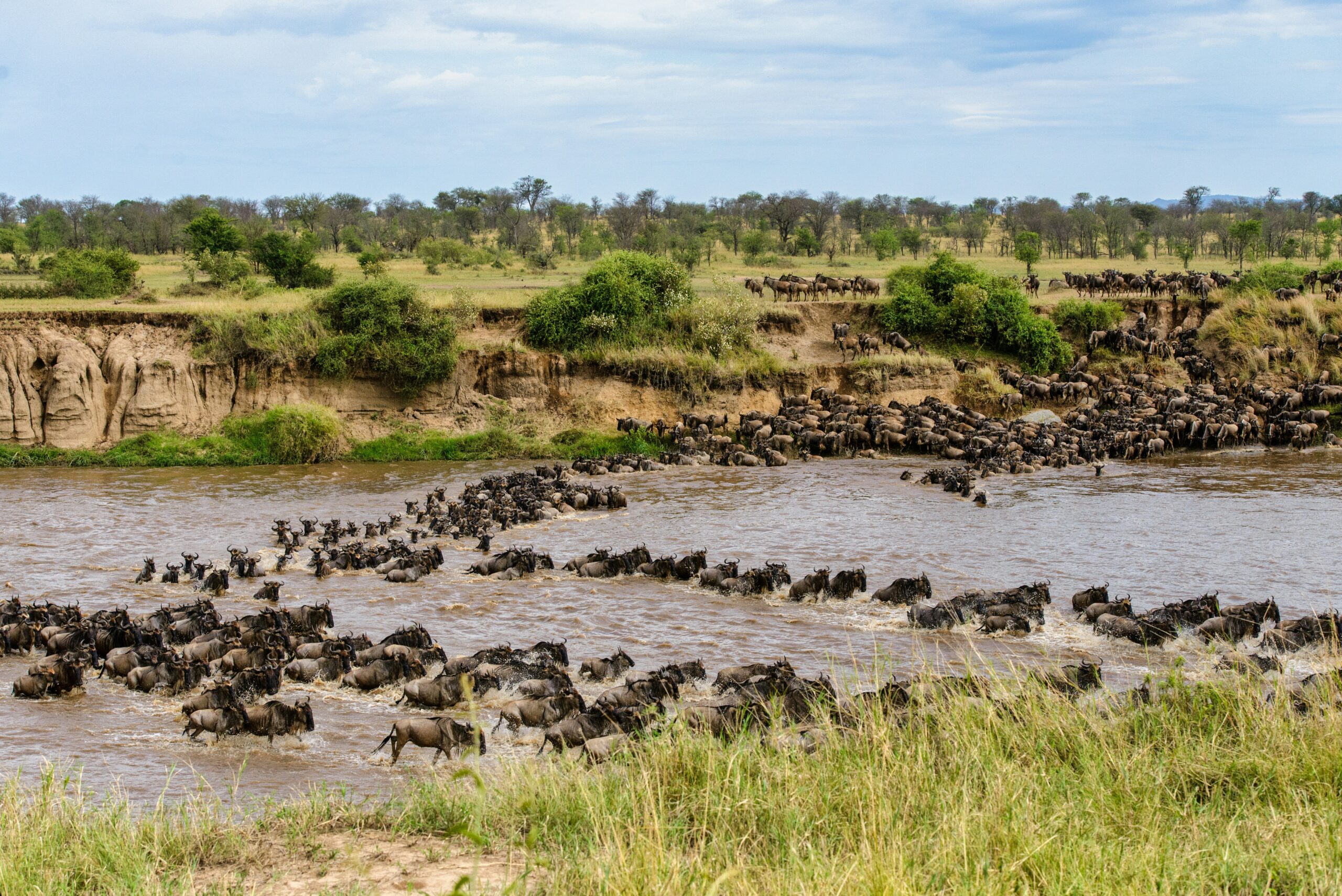
The Mara River crossings are the most dramatic and intense moments of the Great Migration. As over a million wildebeests and zebras reach this powerful river, they face dangerous currents and lurking Nile crocodiles waiting to strike. The animals must plunge, swim, and scramble up steep, slippery riverbanks amidst the chaos and panic, making it a heart-pounding spectacle of survival. Many animals don’t make it, taken by predators or drowned by the strong waters, but those who succeed continue the epic journey. This raw display of nature’s power and resilience is a breathtaking highlight that captures the drama and excitement of the African wilderness.
Africa’s Biodiversity Beyond the Wildebeest
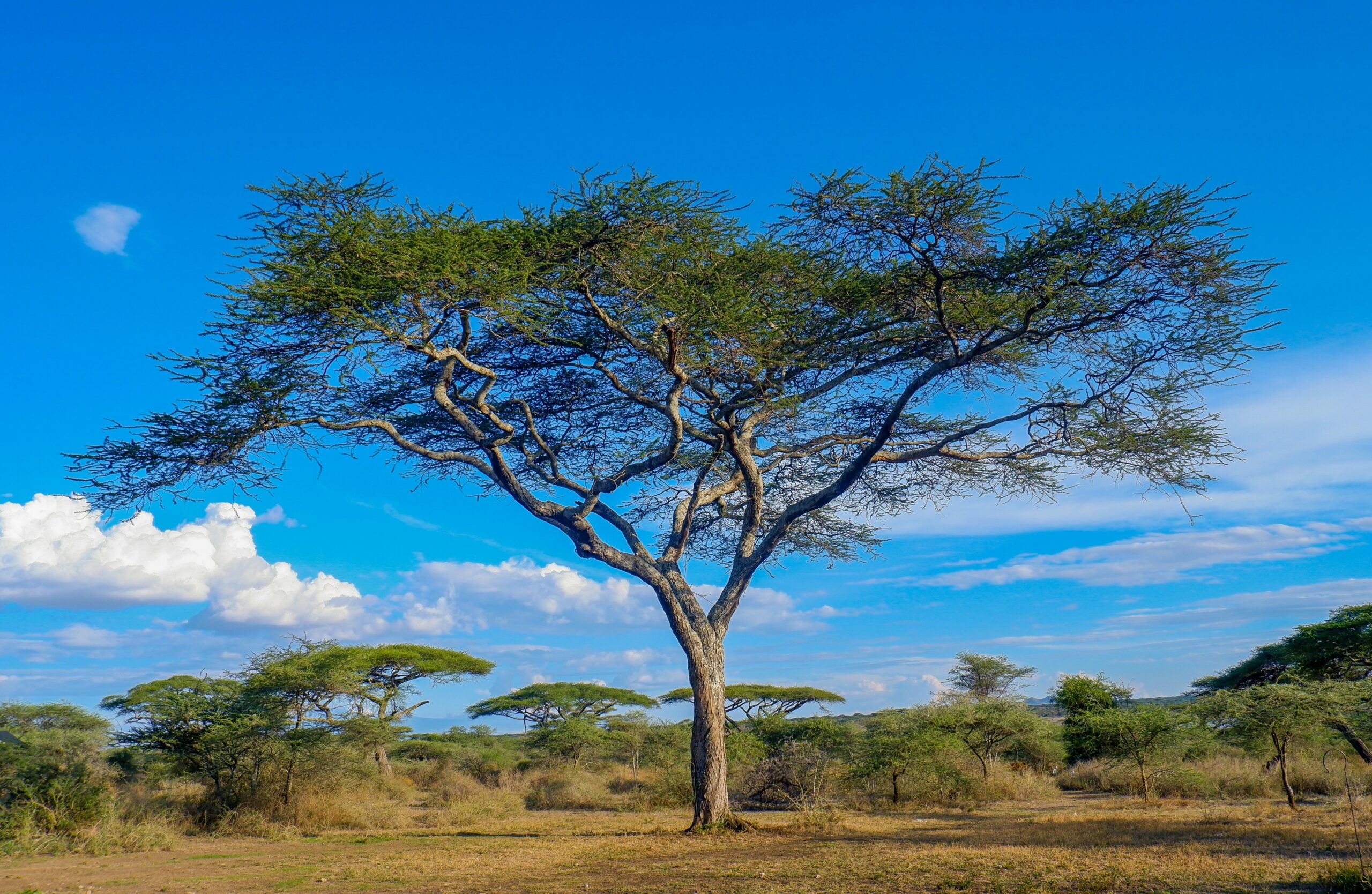
The Great Migration is a spectacle of rich biodiversity extending far beyond just wildebeests. The entire Serengeti-Mara ecosystem thrives on this constant movement, which involves a vast array of herbivores including zebras, Thomson’s gazelles, topi, elands, and even elephants.
Predators such as lions, leopards, cheetahs, and hyenas follow closely, relying on the migration as a vital food source. Additionally, the skies come alive with over 350 bird species, including vultures and ostriches, while crocodiles lurk near water bodies. This vast network of species interacting during the migration highlights the ecological complexity and incredible wildlife richness that make the Great Migration an unforgettable natural event
Why the Great Migration Attracts Photographers
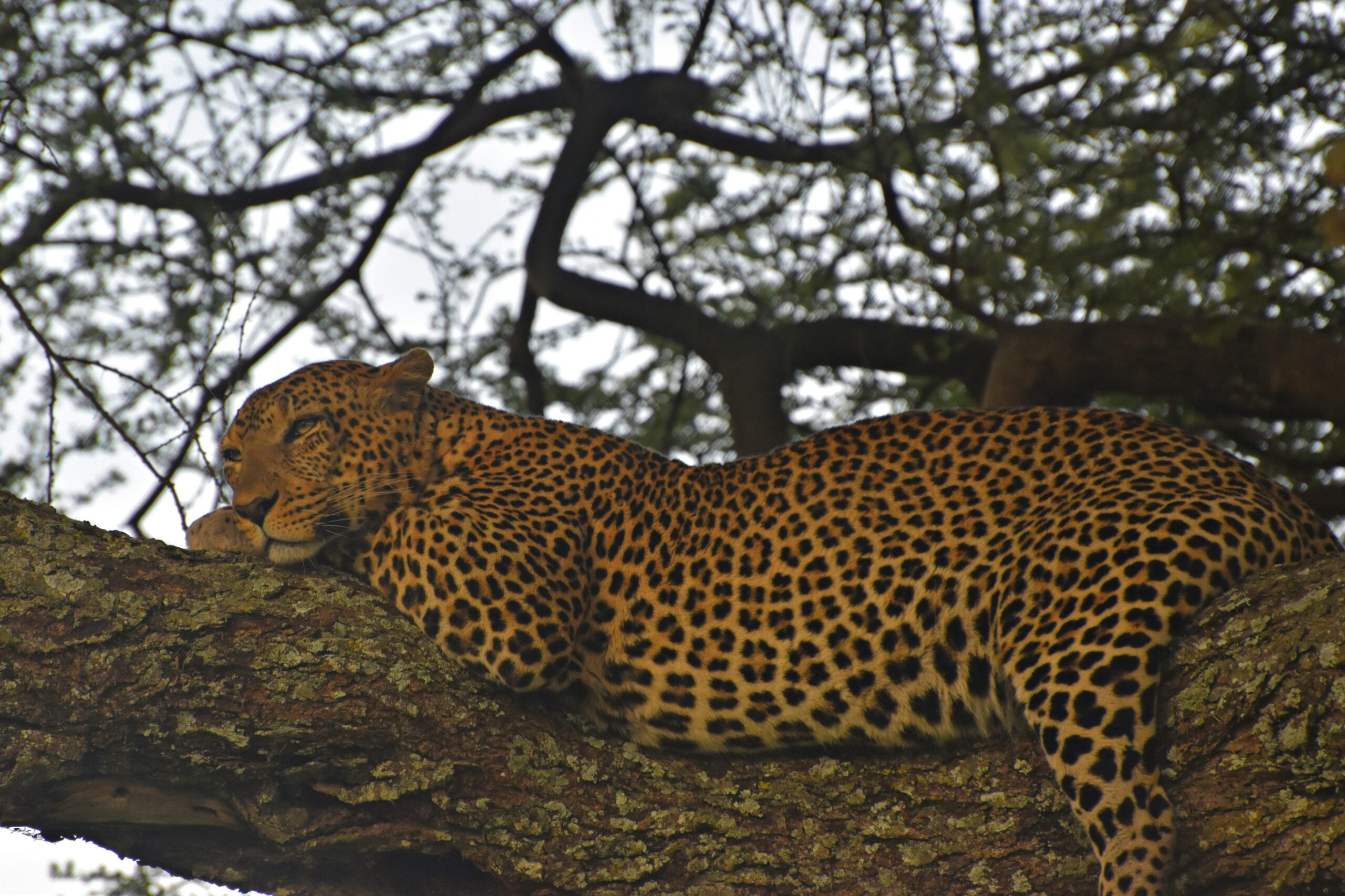
The Great Migration draws wildlife photographers and filmmakers from around the world because it offers unparalleled opportunities to capture stunning images of one of nature’s most awe-inspiring events. The vast herds of wildebeest, zebras, and gazelles thunder across the plains, creating dramatic scenes of movement, dust clouds, and animal interactions.
The river crossings, especially at the Mara River, provide intense moments of tension as animals leap into crocodile-infested waters, offering unforgettable action shots. The surrounding predator encounters, including lions, cheetahs, and crocodiles lying in wait, add to the thrill and diversity of photographic subjects.
Given the dynamic, unpredictable nature of these scenes and the natural beauty of the landscape, the Great Migration is considered a photographer’s paradise, providing spectacular opportunities for both amateurs and professionals to capture breathtaking wildlife moments.
Experience Maasai Culture: A Unique Adventure Along the Great Migration
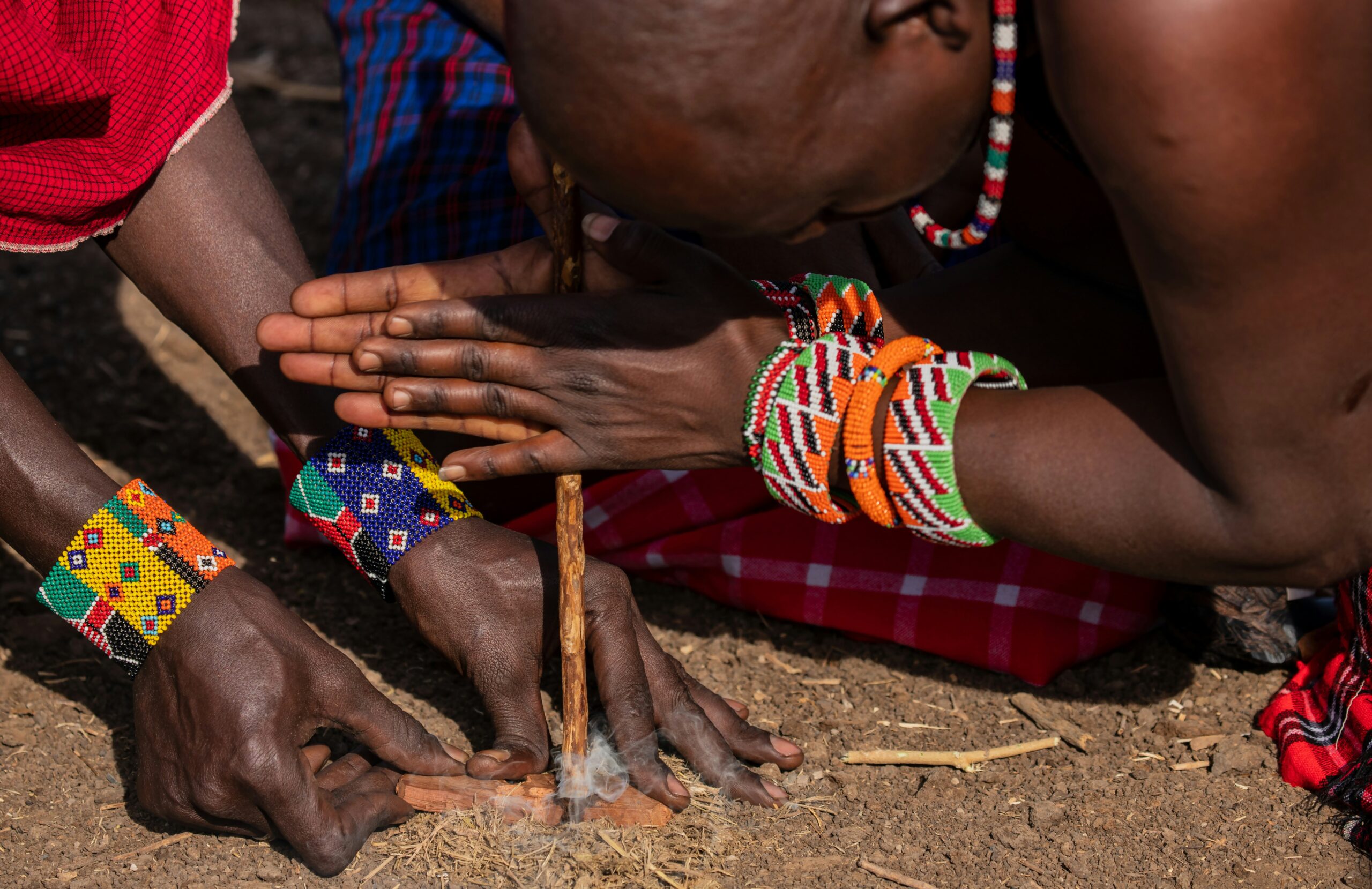
Travelers can enrich their Great Migration safari by visiting Maasai communities in Maasai Mara, Serengeti, or Ngorongoro. These visits offer a fascinating glimpse into the vibrant traditions, colorful attire, and distinctive lifestyle of the Maasai people, one of East Africa’s most iconic tribes. Guests can witness traditional dances, learn about Maasai customs, and even participate in cultural ceremonies. Interacting with the Maasai adds a meaningful cultural dimension to the wildlife adventure, creating memorable connections and a deeper appreciation of the land and its people during the migration journey. This cultural immersion complements the thrilling wildlife experiences, making the trip truly unforgettable.
Safari Experience Tips: Best Lodges, Routes, and Preparation for the Wildebeest Great Migration
- Choosing a reputable tour operator such as Jambo International Tour is essential for a seamless Great Migration experience. They can arrange the right lodges and camps near key migration hotspots such as Serengeti and Maasai Mara, ensuring you have access to excellent game drives led by experienced guides. With their expertise, you can enjoy your safari comfortably in accommodations that blend naturally with the wilderness, maximizing both your wildlife viewing opportunities and overall safari enjoyment.
- Plan your safari route based on the migration’s timing—aim to be where the herds are for the season, such as the southern Serengeti during calving (January-March) or the Mara River crossings (July-September). Early morning and late afternoon game drives give you the best light for photography and active wildlife spotting.
- Preparation tips include packing neutral-colored clothing, sturdy walking shoes and sun protection. Staying hydrated and following your guide’s advice on safety will enhance your comfort and enjoyment. Booking your safari well in advance is recommended, especially during peak migration months. This careful planning ensures you experience the Great Migration in all its thrilling and majestic glory.
Best Time to Visit the Great Migration
Though the migration is a year-round cycle, certain months offer specific highlights:
- January to March: Calving season in the southern Serengeti. Thousands of wildebeest give birth, and predators take advantage of the vulnerable newborns.
- June to August: The herds begin moving north. This period includes the dramatic Grumeti and Mara River crossings — peak action and best for big cat sightings.
- September to October: Herds spread out in Kenya’s Maasai Mara before beginning their return south.
- November to December: The short rains begin, and the animals gradually move back into Tanzania.
Each stage has something special to offer, depending on what kind of experience you’re looking for.
The Great Migration isn’t just another safari — it’s a life-changing experience. It’s a reminder of how wild, beautiful, and interconnected our planet is. Whether it’s your first time in Africa or your tenth, witnessing this event will leave a permanent mark on your heart and memory.
So if you’re building your bucket list, move the Great Migration to the top. Because once you see it, you’ll never look at the natural world the same way again.
