
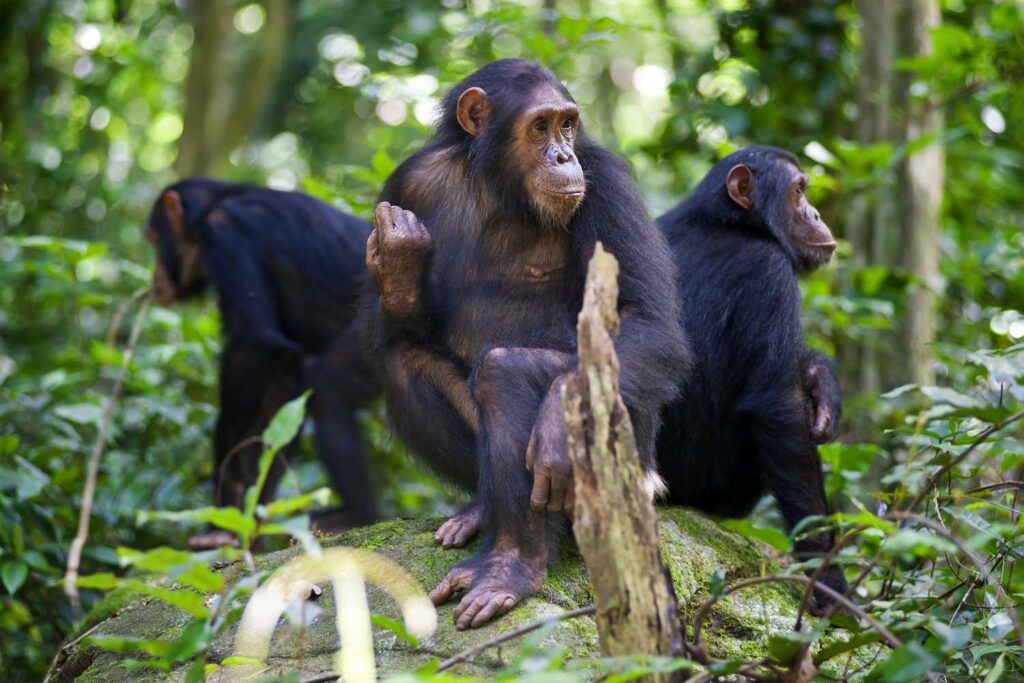
The Wonders of Gombe Stream National Park begin with its unique place in both conservation history and Tanzania’s wilderness. Nestled along Lake Tanganyika’s shores in western Tanzania, this compact 35 km² park became globally renowned through Dr. Jane Goodall’s groundbreaking 1960s chimpanzee studies, which redefined humanity’s understanding of primates. Today, visitors can trek through its lush forests to observe habituated chimp troops, while the park’s steep valleys and shimmering lakeside trails reveal a biodiverse world of red colobus monkeys, olive baboons, and over 200 bird species. Despite its small size, Gombe’s legacy as a research hub and ecotourism gem makes it a giant in Africa’s conservation story.
Outline.
This a The Wonders of Gombe Stream National Park.
1. Chimpanzee Trekking: An Intimate Encounter

- The Experience: Chimpanzee trekking is the heart of the Gombe experience. It involves venturing into the forest with experienced guides and trackers who are intimately familiar with the chimpanzee communities. These communities have become habituated to human presence over decades of research, allowing for relatively close-range observation without disturbing their natural behavior.
- The Search: The trek can vary in length and difficulty depending on the location of the chimpanzees. You might hike through dense undergrowth, up steep slopes, and across small streams. The thrill lies in the anticipation and the eventual reward of finding a chimp family. Trackers use their knowledge of footprints, discarded food remains (like fruit peels), and vocalizations to locate the groups.
- The Observation: Once the chimpanzees are found, you’ll typically spend about an hour observing them. This time allows you to witness their social interactions – grooming, playing, feeding, resting, and their intricate communication. It’s a unique opportunity to see their individual personalities and family dynamics unfold.
- Permits and Regulations: Chimpanzee trekking requires permits, which should be booked in advance. The number of visitors allowed per day and per chimp group is limited to minimize disturbance. There are also strict guidelines to follow during the trek, such as maintaining a respectful distance, avoiding loud noises, and not feeding the animals. These rules are in place for both your safety and the well-being of the chimpanzees.
- What to Expect: Be prepared for potentially humid conditions and uneven terrain. Wearing sturdy walking shoes, long trousers, and insect repellent is recommended. The experience can be emotionally moving and provides a profound connection with our closest living relatives.
2. Bird Watching: A Feathered Spectacle
- The Diversity: Gombe’s location, straddling the interface of different ecological zones, contributes to its rich avian diversity. You can find species characteristic of both the East African grasslands and the West African forests. This makes it a particularly rewarding destination for birdwatchers.
- Where to Spot Them: Birds can be observed throughout the park, from the lakeshore fringes to the canopy of the forests. Specific trails and viewpoints might be particularly productive. Early morning and late afternoon are often the best times for birding when they are most active.
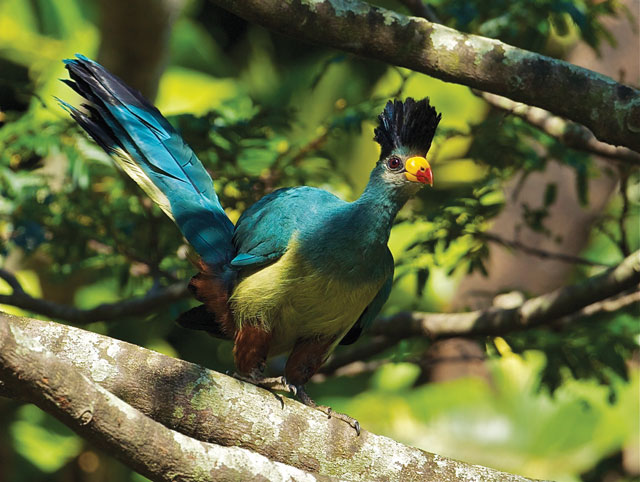
- What You Might See: Keep an eye out for colorful turacos, various species of kingfishers along the lake, majestic fish eagles soaring overhead, and a variety of forest-dwelling hornbills, starlings, and weavers. Migratory birds pass through during the wet season (roughly November to May), adding to the already impressive list.
- Guided Walks: Engaging a knowledgeable local guide can greatly enhance your birding experience. They can help you identify species, understand their behaviors, and point out less obvious birds. Bringing binoculars and a field guide is highly recommended.
3. Guided Forest Walks and Hiking: Exploring the Emerald Realm
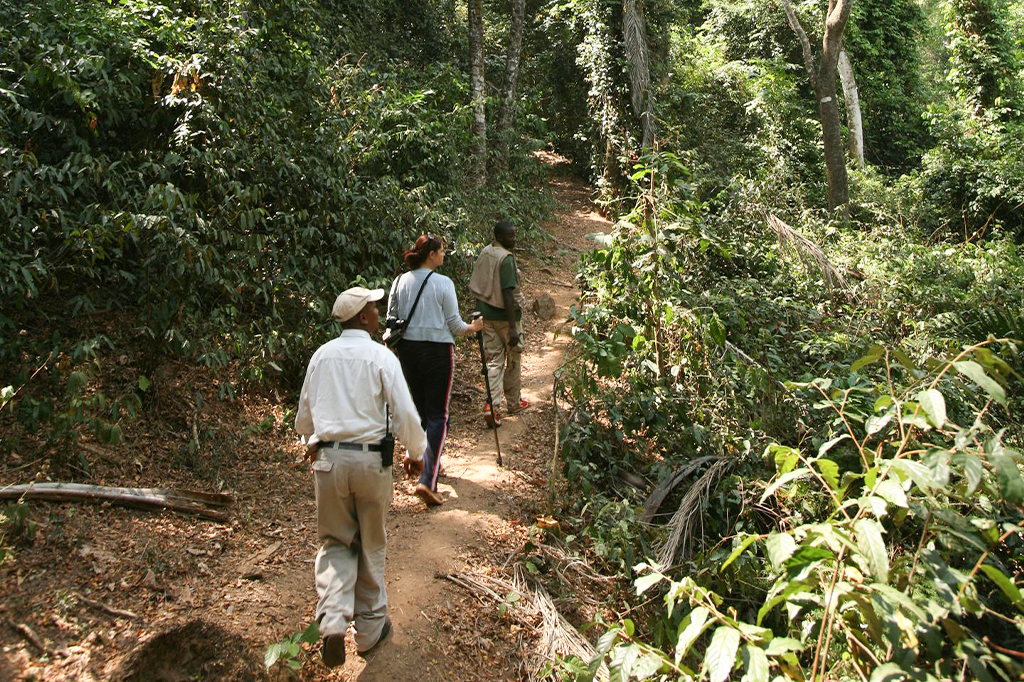
- The Trails: Gombe offers a network of trails that wind through its diverse habitats. These walks provide an opportunity to appreciate the park’s flora, encounter smaller wildlife, and enjoy the tranquility of the forest.
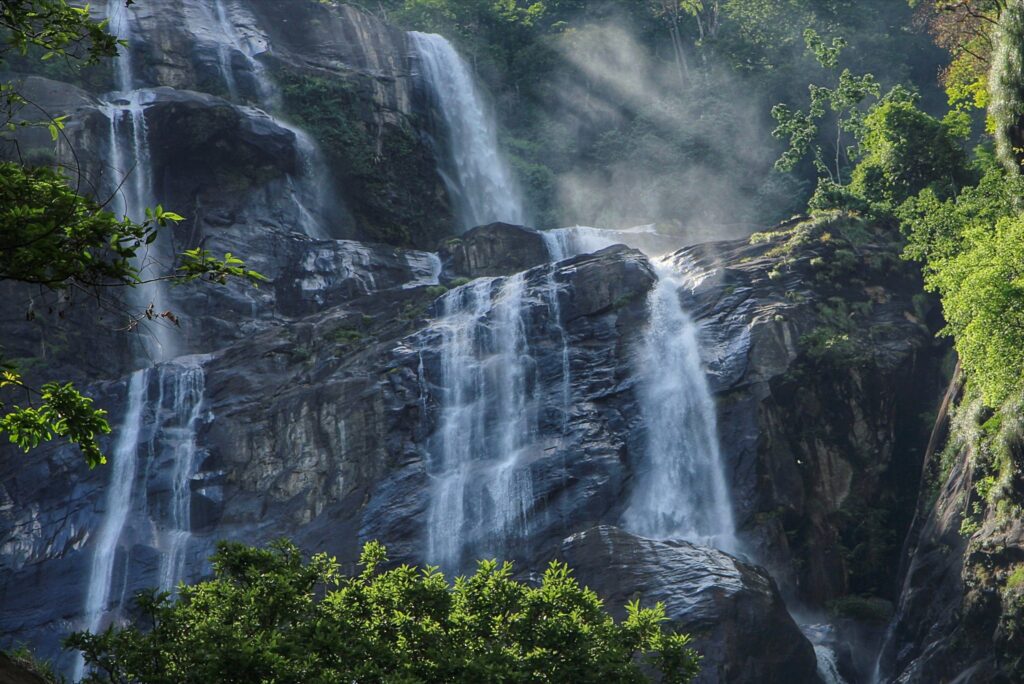
- Kakombe and Mkenke Waterfalls: These picturesque waterfalls are popular destinations for guided hikes. The trails leading to them often offer chances to see primates and various bird species along the way. The waterfalls themselves provide beautiful spots for a break and photography.
- Jane’s Peak: For a more challenging hike, the ascent to Jane’s Peak rewards you with stunning panoramic views of Lake Tanganyika and the surrounding landscape. This longer trek offers a different perspective of the park and a sense of accomplishment.
- Encountering Other Wildlife: While chimpanzees are the main focus, these walks also provide opportunities to see other primates like baboons, colobus, and vervet monkeys, as well as smaller mammals, reptiles, and insects. Your guide will help you spot and identify them.
4. Swimming and Snorkeling in Lake Tanganyika: Aquatic Adventures

- The Lake’s Allure: Lake Tanganyika is one of the African Great Lakes and the second deepest freshwater lake in the world. Its clear waters are inviting for a refreshing swim after a trek.
- Snorkeling: Snorkeling allows you to explore the fascinating underwater world of the lake. You can observe the vibrant array of cichlid fish, many of which are endemic to Tanganyika and exhibit a dazzling spectrum of colors and behaviors.
- Safety: It’s important to swim and snorkel in designated areas and to be aware of the lake’s inhabitants. Your guides can provide information on safe areas and any potential hazards.
5. Boat Trips: Lakeside Perspectives
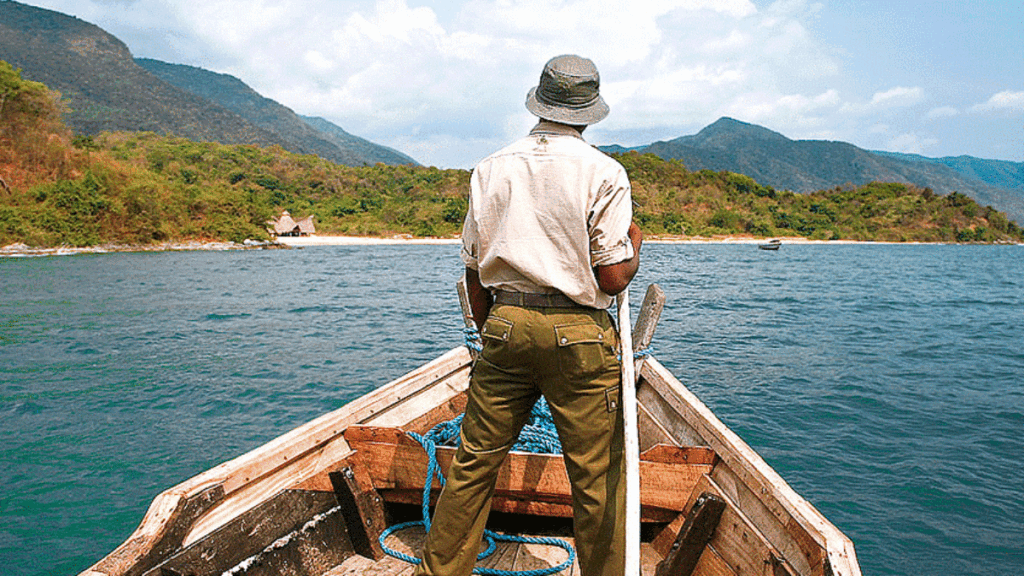
- Scenic Cruises: Boat trips on Lake Tanganyika offer a different perspective of Gombe’s landscape. Sunset cruises are particularly popular, providing breathtaking views as the sun dips below the horizon, casting a golden glow over the lake and the surrounding hills.
- Wildlife Viewing from the Lake: From the boat, you might have the chance to spot wildlife along the shoreline, such as primates coming down to drink or various water birds.
- Transportation: Boats are also the primary mode of transport to and from Gombe Stream National Park, making the journey itself part of the experience.
6. Fishing: Angling in Ancient Waters

- Sport Fishing: Guided sport fishing trips can be arranged on Lake Tanganyika for those interested in angling. The lake is home to various fish species, and fishing can be a relaxing way to enjoy the lake’s tranquility.
- Permits and Regulations: Fishing requires specific permits and adherence to regulations to ensure sustainable practices. Your tour operator can assist with arranging the necessary permits.
7. Photography and Wildlife Observation: Capturing the Moments

- Visual Storytelling: Gombe provides incredible opportunities for photography and wildlife observation. Whether you’re aiming to capture the intricate details of chimpanzee behavior, the vibrant colors of the birds, or the stunning landscapes, the park offers a wealth of visual subjects.
- Patience and Observation: Successful wildlife photography and observation often require patience and a keen eye. Taking the time to simply sit and observe the animals in their natural environment can yield rewarding experiences and photographic opportunities.
8. Visiting the Gombe Stream Research Centre: A Journey into Discovery
- Historical Significance: Visiting the site where Dr. Jane Goodall’s pioneering research began offers a unique historical and scientific context to your visit. While formal tours of the active research facilities may be limited to protect the ongoing work, understanding the center’s history and its contributions to primatology enhances the overall experience.
- Learning About Research: You might have opportunities to learn about the current research projects and the long-term data collected at the center, providing insights into the ongoing efforts to understand and conserve chimpanzees.
9. Cultural Enczounters: Connecting with Local Communities
- Mwamgongo Village: Visiting nearby communities like Mwamgongo offers a chance to interact with the local people and learn about their culture, traditions, and way of life in the vicinity of the national park.
- Respectful Engagement: These encounters should be approached with respect and sensitivity, understanding that you are a guest in their community. Engaging with local guides and participating in organized visits can ensure a positive and mutually beneficial experience.
Experiencing Gombe: A Deeper Connection
Visiting Gombe is more than just ticking off a wildlife sighting. It’s an opportunity for a profound connection with nature and a deeper understanding of our primate relatives. The intimate nature of the chimpanzee encounters, the sounds and smells of the forest, and the stunning backdrop of Lake Tanganyika create a truly immersive and unforgettable experience. It’s a chance to witness firsthand the legacy of groundbreaking research and to support the ongoing efforts to protect this precious ecosystem and its remarkable inhabitants visit with us Jambo International Park
