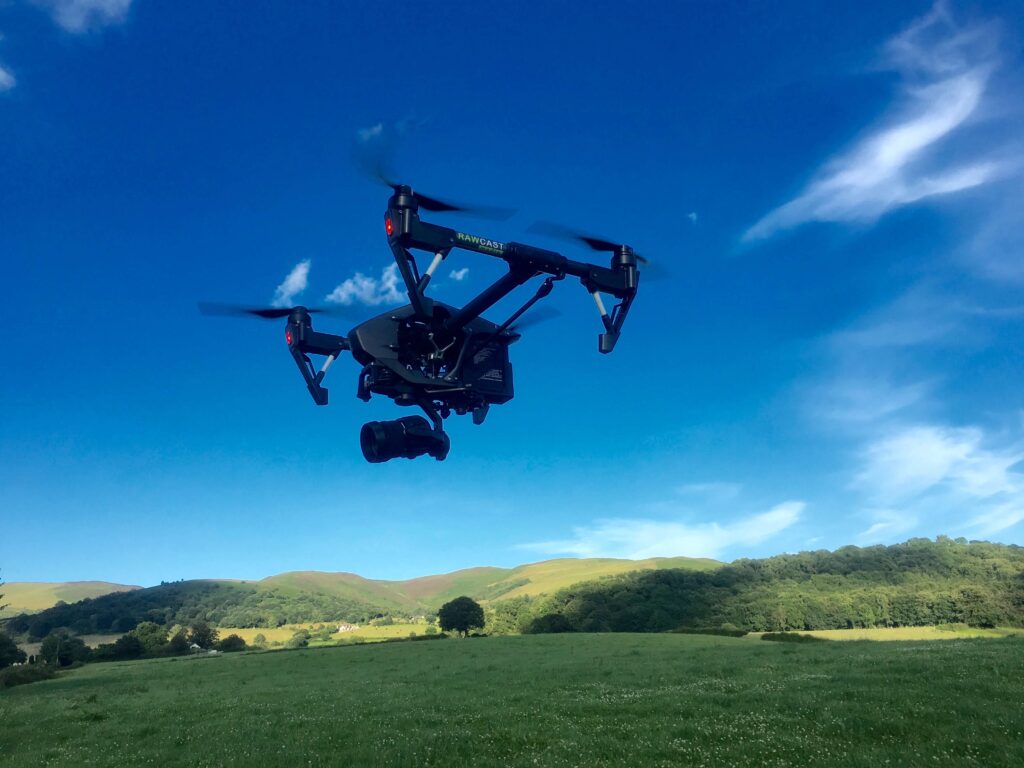
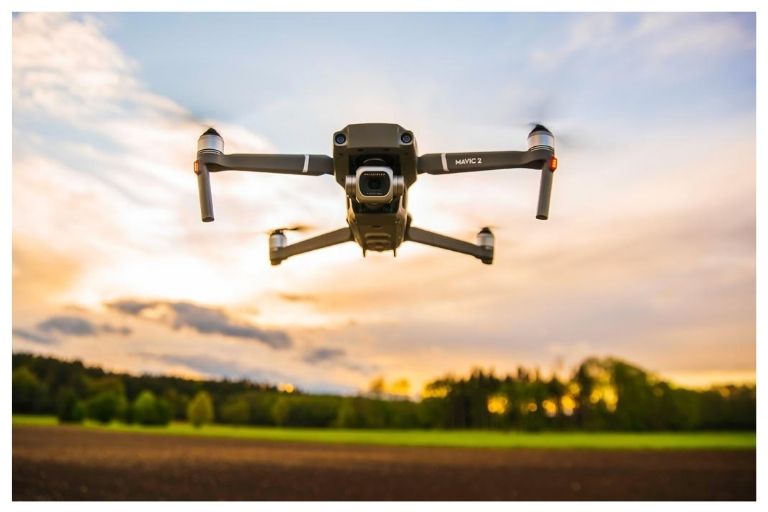
The rise of drone technology has opened new possibilities in photography, filmmaking, agriculture, real estate, and recreational activities. Across Africa, drones are becoming more accessible—but each country has its own legal approach to their use. In Tanzania, drone operations are heavily regulated to ensure national security, airspace safety, and the protection of public privacy. Whether you’re a local content creator or a visiting documentary team, it’s essential to understand the legal landscape before flying a drone, especially for filming purposes. This article provides a comprehensive guide to drone laws in Tanzania and explains what you need to do if you want to film with one legally.
Drone Laws in Tanzania, Overview of Drone Regulation in Tanzania

Tanzania’s drone activities are governed by the Tanzania Civil Aviation Authority (TCAA), the primary body overseeing all civil aviation matters in the country. The TCAA is responsible for ensuring that drone operations do not interfere with manned aircraft, endanger people on the ground, or breach national security. In addition to the TCAA, other government agencies—such as the Ministry of Defense and the Tanzania Film Board—play a role in approving drone activities for foreign users or for commercial purposes like filming.
The legal framework for drones falls under the Civil Aviation (Remotely Piloted Aircraft Systems) Regulations, 2018, which define various classes of drones, their use cases, and the requirements for operators. These laws ensure that drone activities are safe and responsible, especially in sensitive areas like airports, military zones, or wildlife parks.
Do You Need a License or Permit to Fly a Drone?

Yes, and the process is not optional. Anyone planning to fly a drone in Tanzania must first apply for and obtain a permit from the TCAA. This applies to both locals and foreign nationals, regardless of the purpose of use—recreational, academic, or commercial. The TCAA classifies drones into different categories based on weight, purpose, and technical capabilities, and the required documentation may vary accordingly.
If your purpose is filming—particularly for commercial use—you will need to indicate the location, duration, intended altitude, and equipment specifications. Commercial operators must also demonstrate a level of competence, often requiring pilot certification or proof of drone training. The reason for these strict regulations is to maintain order in Tanzanian airspace and to prevent potential accidents or the misuse of drone footage.
Requirements for Foreign Drone Operators

Foreign drone operators face a higher level of scrutiny and regulation. Tanzania requires that all foreign nationals obtain clearance not only from the TCAA but also from the Ministry of Defense and National Service. This is due to the potential security risks associated with drones—such as surveillance, mapping of sensitive infrastructure, or filming in prohibited areas.
To get permission, foreign applicants must:
- Submit a formal application detailing their identity, purpose of drone use, flight plan, and drone specifications.
- Provide a letter of support or invitation from a local partner, organization, or host.
- Await security vetting and approvals, which can take several days or even weeks.
Flying a drone in Tanzania without these approvals can lead to serious consequences, including arrest, deportation, and confiscation of your drone equipment.
Filming and Aerial Photography with a Drone

Tanzania is rich in stunning landscapes, national parks, historic sites, and vibrant cities—making it an ideal location for drone filming. However, aerial filming is strictly regulated, particularly when it is for commercial or media production. Before you can legally film with a drone, you need authorization from both the TCAA and the Tanzania Film Board.
Your application must clearly explain what you are filming, where, when, and why. Authorities will assess whether the filming location is sensitive (e.g., near a government building, border area, or national park), and may require additional permits if necessary. For instance, filming in the Serengeti or Mount Kilimanjaro National Park often requires permission from TANAPA (Tanzania National Parks Authority) or other conservation bodies.
If your content will be published internationally or on platforms like YouTube or Netflix, you must disclose this. The Film Board monitors content to ensure Tanzania’s image and national security are not compromised.
Restricted and No-Fly Zones
Tanzania, like many countries, designates specific areas as no-fly zones for drones. These zones are restricted to prevent interference with aircraft operations, protect government and military installations, and preserve sensitive wildlife habitats.
Restricted areas include:
- Airports and heliports (typically within a 3 to 5 km radius)
- Military bases and security agencies
- The State House (Ikulu) and government ministries
- National parks and reserves (without special permits)
- International borders
Flying a drone in or near these areas without prior authorization is a criminal offense. Even unintentionally entering a restricted zone can result in your drone being grounded or seized. It’s important to consult a drone map or contact the TCAA for an updated list of restricted airspaces before flying.
Safety Guidelines and Operational Rules
In addition to legal permits, drone operators in Tanzania must adhere to strict safety guidelines. These are designed to prevent accidents and protect people and property on the ground.
Some key operational rules include:
- Drones must be flown only during daylight hours and in good weather conditions.
- The operator must maintain a direct visual line of sight with the drone at all times.
- Flying over people, crowds, or private properties without consent is prohibited.
- Maximum altitude is limited to 400 feet (120 meters) above ground level.
- Only drones that meet certain safety and technical standards are allowed.
Operators may also be required to carry insurance covering third-party liability. This ensures compensation in case of accidents, injuries, or property damage caused by drone operations.
Penalties for Violating Drone Laws

Tanzania enforces its drone regulations strictly. Violating the law can result in heavy penalties, especially for foreign nationals or commercial filmmakers. Consequences may include:
- Seizure of the drone and related equipment
- Hefty fines and administrative penalties
- Arrest or prosecution under civil aviation laws
- Deportation in the case of foreigners
In the past, several tourists and media crews have had their drones confiscated for filming without proper permits. Authorities emphasize that ignorance of the law is not an excuse. All drone users are expected to familiarize themselves with the regulations before operating in Tanzanian airspace.
How to Apply for a Drone Filming Permit

Applying for a drone permit in Tanzania involves multiple steps and coordination with different government bodies. Start by submitting an application to the Tanzania Civil Aviation Authority, detailing the following:
- Name and nationality of the operator
- Type and specifications of the drone
- Purpose of the drone flight (e.g., tourism, documentary, advertisement)
- Proposed flight area and schedule
If you are a foreign operator, include supporting documents such as a local partner endorsement and a security clearance request to the Ministry of Defense. For filming purposes, also submit an application to the Tanzania Film Board, explaining your content goals and target audience.
It’s recommended to begin the application process several weeks in advance, especially if you’re on a tight filming schedule. Delays in approval can happen due to security vetting or high application volumes.
Conclusion: Yes, You Can Film with a Drone – But Follow the Rules
Filming with a drone in Tanzania is not only possible—it can be incredibly rewarding due to the country’s breathtaking landscapes and rich culture. However, the use of drones is strictly controlled to protect safety, privacy, and national interests. Whether you’re a local content creator, travel vlogger, researcher, or a foreign media team, it’s your responsibility to ensure that your drone use is fully compliant with Tanzanian laws.
Respecting these regulations doesn’t just help you avoid legal trouble—it also shows respect for the people, institutions, and natural environments of Tanzania. Always fly responsibly, stay informed, and when in doubt, seek official guidance before launching your drone.
