


Tanzania, a land celebrated for its vast savannahs and majestic peaks, harbors a lesser known yet equally captivating realm beneath its surface: a network of ancient underground caves and dramatic volcanic lava tubes. These geological wonders, sculpted over millennia by water and volcanic activity, offer a unique journey into the Earth’s depths, revealing not only stunning natural formations but also profound cultural and historical narratives. From the sprawling limestone chambers adorned with stalactites and stalagmites to the intriguing pathways forged by molten rock, Tanzania’s subterranean landscapes provide an extraordinary and often spiritual exploration into the heart of this East African nation.
Limestone Caves
These caves are primarily found in coastal regions and islands, formed over millions of years by water erosion of limestone. They often hold significant cultural and historical value.
Amboni Caves (Tanga Region):

- Description: The Amboni Caves are the most extensive limestone cave system in East Africa, located about 8 km north of Tanga City. They are estimated to have formed around 150 million years ago during the Jurassic period and cover an area of approximately 234 square kilometers. While there are ten caves, only one is currently open for guided tours.
- Features: Visitors can explore long chambers with impressive stalactites and stalagmites. The caves are home to a large number of bats and are steeped in local legends, having been used for spiritual practices and rituals by indigenous communities for centuries. You can see various rock formations said to resemble objects like a ship, a crocodile, an elephant, and even a map of Africa.
- Significance: Beyond their geological wonder, the Amboni Caves hold immense cultural and historical importance, having served as places of worship, healing, and even hideouts during historical conflicts.
Kuza Cave (Zanzibar):

- Description: Located in Jambiani, Zanzibar, Kuza Cave is an ancient limestone cave known for its crystal-clear turquoise waters. It’s a popular spot for swimming and offers a refreshing escape from the Zanzibar heat.
- Features: The cave features a sinkhole with a beautiful circular pool, approximately 3 meters deep. The formations are a result of thousands of years of water erosion.
- Activities: Besides swimming, visitors can enjoy Swahili cooking lessons, drumming lessons, and learn about the local culture at the Kuza Cave Cultural Center.
Kondoa Rock-Art Sites (Dodoma Region):
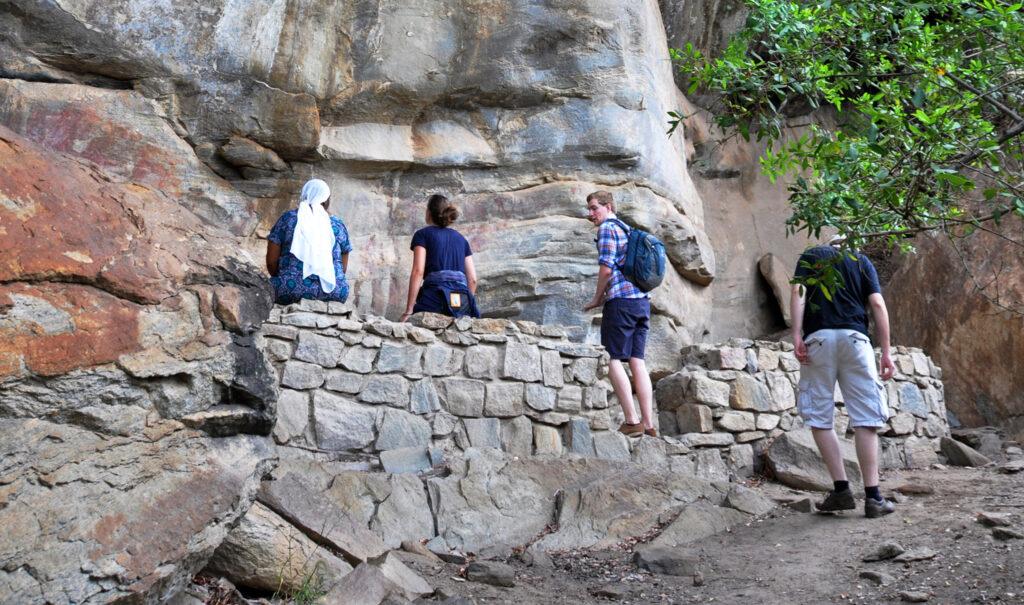
- Description: While not primarily “caves” in the typical sense, the Kondoa Irangi Rock-Art Sites are a UNESCO World Heritage Site featuring numerous rock shelters with ancient paintings. These shelters often have overhanging walls that provide natural protection for the artwork.
- Features: The paintings, some dating back tens of thousands of years, depict elongated human figures, animals, and scenes of hunting and daily life. They represent the cultural expressions of hunter-gatherers and later agro-pastoralists.
- Significance: These sites are incredibly important for understanding the history and art of early human habitation in East Africa. They still hold spiritual significance for local communities and are used for rituals.
Nguu Caves (Nguru Mountains):

- Description: Located in the Nguru Mountains in northeastern Tanzania, these caves are associated with local legends of freedom fighters hiding from German colonists.
- Significance: They remain sacred to nearby communities, with rituals still taking place at their entrances. Bats inhabit the deeper sections of the caves.
Lava Tubes
Tanzania, being part of the East African Rift Valley, also has volcanic activity, which has led to the formation of lava tubes.
Ol Doinyo Lengai (Arusha Region):

- Description: Ol Doinyo Lengai, known as the “Mountain of God” by the Maasai, is a unique active volcano in northern Tanzania. It’s the only volcano in the world that erupts natrocarbonatite lava, which is unusually cool and highly fluid.
- Lava Tubes: While not explicitly marketed as “lava tube tours” in the same way as some other regions, the active nature of Ol Doinyo Lengai means that lava flows and their subsequent cooling can create formations akin to lava tubes within its craters. Trekking the volcano offers a direct view into its unique volcanic landscape.
- Experience: Climbing Ol Doinyo Lengai is a challenging trek, often undertaken at night to witness the sunrise over the crater. It provides a unique opportunity to observe the distinctive carbonatite lava.
Important Considerations for Cave and Lava Tube Exploration in Tanzania:
- Guided Tours: It is highly recommended, and often mandatory, to visit these sites with local guides. They provide essential safety information, historical context, and cultural insights.
- Safety: Caves can have uneven terrain, slippery surfaces, and tight spaces. Wear sturdy shoes and carry a headlamp or torch. Some caves may have bats, snakes, or insects.
- Respect for Cultural Sites: Many caves hold deep spiritual and cultural significance for local communities. Be respectful of local customs and traditions.
- Permits: Some sites may require permits or community approval for entry.
- Best Time to Visit: Dry seasons are generally better for cave exploration to avoid muddy conditions.
Exploring Tanzania’s underground caves and lava tubes offers a unique perspective on the country’s geology, history, and culture, revealing a hidden world beneath its spectacular surface.
