


Dar es Salaam City Guide: Exploring Tanzania’s Vibrant Hub Dar es Salaam, often simply referred to as “Dar,” is far more than just Tanzania’s largest city and primary port; it’s the beating heart of the nation’s commerce, a vibrant tapestry woven with threads of history, culture, and the relentless energy of a rapidly developing African metropolis. To truly understand Dar es Salaam is to delve into its layers, appreciating its historical evolution, the diverse communities that call it home, the economic forces that drive it, and the unique character that sets it apart.
Tracing the Footprints of Time: A Historical Journey

The story of Dar es Salaam begins humbly as the small fishing village of Mzizima. Its transformation into a significant urban center began in the mid-19th century when Sultan Majid bin Said of Zanzibar recognized its potential as a safe harbor and initiated its development, bestowing upon it the evocative name “Bandar-es-Salaam,” meaning “haven of peace” in Arabic. This marked the beginning of its role as a crucial trading post along the East African coast, attracting merchants and settlers from across the Indian Ocean and the African interior.
The late 19th century saw the arrival of German colonial rule, which further shaped the city’s infrastructure and urban planning. While their influence left a lasting architectural imprint, particularly in some of the older administrative buildings and churches, it also marked a period of subjugation for the local population. Following World War I, British administration took over, continuing to develop Dar es Salaam as the administrative and commercial center of Tanganyika.
The struggle for independence in the mid-20th century was a pivotal moment in Dar es Salaam’s history. It became a focal point for nationalist movements, and the eventual achievement of independence in 1961 and the subsequent union with Zanzibar in 1964 to form Tanzania solidified Dar es Salaam’s importance as the nation’s economic engine and de facto capital (though Dodoma was later designated the official capital). Exploring the remnants of these historical periods, from colonial-era architecture to monuments commemorating independence, provides a deeper understanding of the city’s identity.
Dar es Salaam City Guide: Exploring Tanzania’s Vibrant Hub A Melting Pot of Cultures: The Human Landscape

Dar es Salaam’s true richness lies in its people – a vibrant mosaic of cultures and ethnicities. Tanzanians from all corners of the country have migrated to the city in search of opportunities, bringing with them their unique traditions, languages, and culinary practices. This internal migration is complemented by a long history of interaction with people from the Arabian Peninsula, the Indian subcontinent, and, more recently, a growing international community.
Walking through the city, you’ll hear the lyrical sounds of Swahili, the lingua franca of East Africa, often intertwined with other local languages and English. The aroma of diverse cuisines fills the air, from spicy Swahili dishes and flavorful Indian curries to international fare. The vibrant clothing, from colorful kangas and kitenges worn by women to more contemporary styles, reflects this cultural fusion.
The bustling markets, like Kariakoo, are not just places of commerce but also social hubs where people from different backgrounds interact, negotiate, and share stories. Religious diversity is also a prominent feature, with mosques, churches, and temples coexisting, reflecting the city’s inclusive spirit. Understanding this intricate human landscape is crucial to appreciating the dynamism and resilience of Dar es Salaam.
The Engine of Progress: Economic Drivers and Challenges
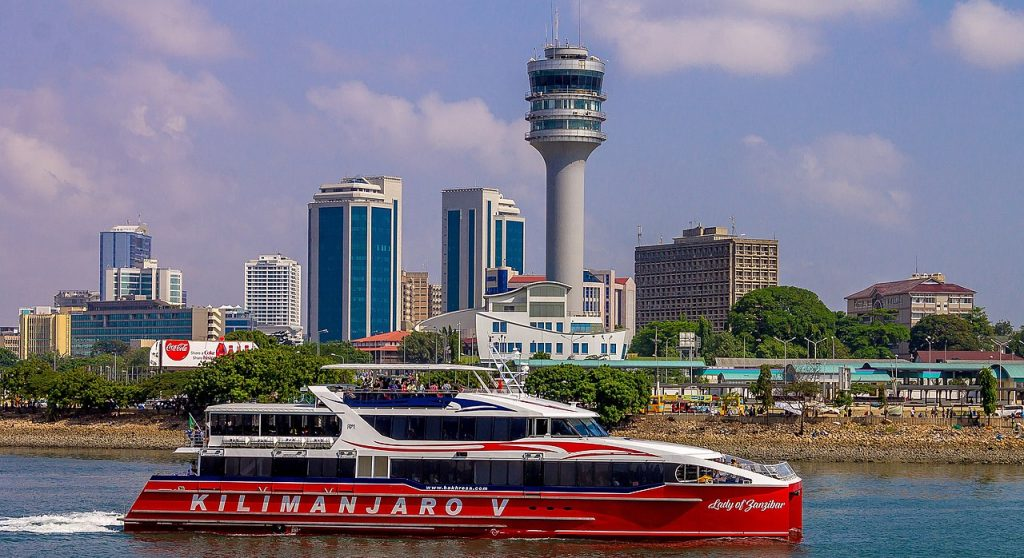
As Tanzania’s primary port and commercial center, Dar es Salaam plays a pivotal role in the nation’s economy. The Port of Dar es Salaam is a vital gateway for trade, handling a significant volume of imports and exports for Tanzania and several landlocked neighboring countries. This makes logistics, shipping, and related industries major employers and economic drivers.
The city is also a hub for manufacturing, finance, tourism, and a burgeoning service sector. Business districts buzz with activity, and entrepreneurial spirit is palpable in the numerous small businesses and informal markets that thrive throughout the city. However, this rapid growth also presents significant challenges. Infrastructure development struggles to keep pace with the expanding population, leading to traffic congestion, strain on utilities, and the need for improved housing and sanitation.
Poverty and inequality remain significant issues, with a stark contrast between affluent areas and informal settlements. Understanding the economic realities of Dar es Salaam requires acknowledging both its dynamism and the challenges it faces in ensuring sustainable and equitable development for all its residents.
Beyond the Surface: Unveiling the City’s Character
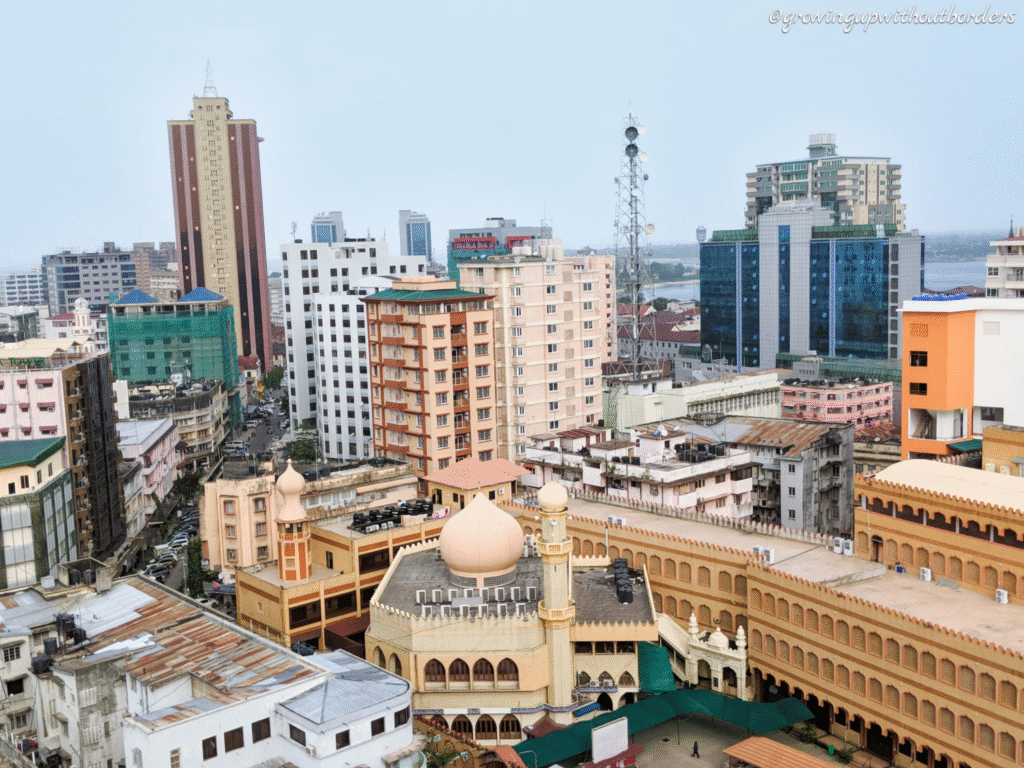
Dar es Salaam has a unique character that goes beyond its economic and historical significance. It possesses a certain grittiness and authenticity that can be both captivating and challenging. Unlike some more manicured tourist destinations, Dar es Salaam offers a raw and unfiltered glimpse into Tanzanian urban life.
The pace of life can feel both frenetic and laid-back simultaneously. While the business districts pulse with urgency, there’s also a prevailing sense of pole pole (slowly slowly) in daily interactions. The warmth and hospitality of the Tanzanian people are almost universally experienced, with a genuine willingness to help and engage with visitors.
Exploring the city requires a degree of patience and adaptability. Navigating the traffic, understanding local customs, and embracing the unexpected are all part of the Dar es Salaam experience. However, those who take the time to delve deeper will be rewarded with a rich and rewarding encounter with a truly dynamic African city.
Conclusion: Discover the Vibrant Heart of Tanzania – Dar es Salaam
Dar es Salaam is a city of contrasts and rich complexity, where history meets modernity and diverse cultures thrive together. As Tanzania’s economic and cultural hub, it reflects the resilience, energy, and spirit of its people. To truly experience Dar es Salaam is to explore its layers, from bustling markets and historic sites to vibrant neighborhoods, making every visit unforgettable.
