
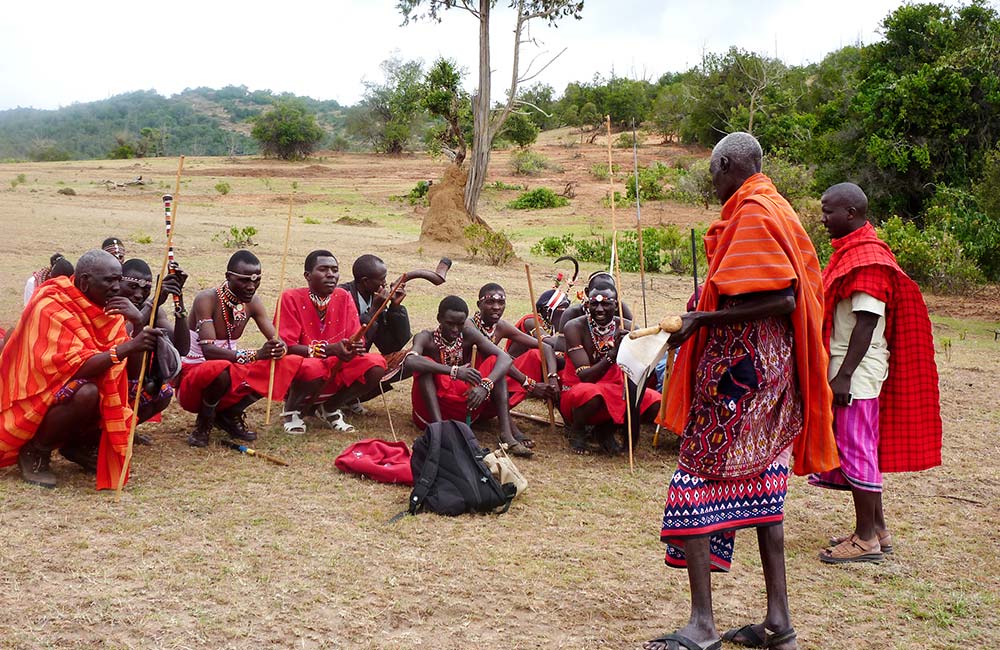
Conflict Resolution by Elders: A Safari Cultural Lesson Tanzania, with its rich tapestry of ethnic groups, offers a fascinating insight into traditional conflict resolution methods, with elders often at the heart of these processes. While a safari primarily focuses on wildlife, understanding this crucial aspect of local culture deepens your appreciation of the communities you might encounter.
The Enduring Role of Elders in Conflict Resolution
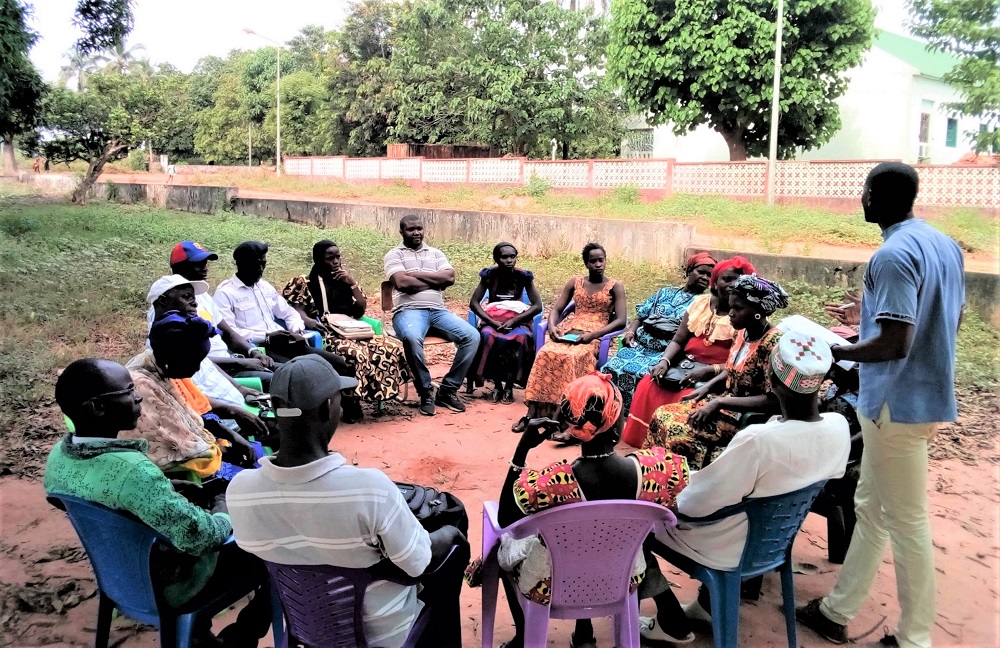
In many Tanzanian communities, particularly in rural areas, elders hold immense respect and authority. Their wisdom, experience, and deep understanding of customary law and social norms make them natural mediators and arbitrators. Unlike Western legal systems that often focus on assigning blame and punishment, traditional African conflict resolution, led by elders, prioritizes:
Restoring Harmony and Relationships: The primary goal is to mend broken social bonds and re-establish peace within the family, clan, or community. It’s not about winning or losing, but about finding a mutually agreeable solution that allows everyone to coexist.
Communal Well-being: Conflicts are seen as disruptions to the collective well-being. Elders strive to find solutions that benefit the entire community, not just the individuals involved.
Consensus Building: Decisions are often reached through extensive dialogue and negotiation, aiming for consensus rather than imposition. This ensures that all parties feel heard and are more likely to adhere to the agreed-upon resolution.
Restorative Justice: Instead of punitive measures, the emphasis is on making amends for harm caused. This might involve restitution, compensation (e.g., livestock, goods, or services), or symbolic gestures of apology and reconciliation.
Holistic Approach: Elders often delve into the root causes of the conflict, addressing underlying issues that might contribute to discord, rather than just the surface symptoms.
Conflict Resolution by Elders: A Safari Cultural Lesson How Elders Resolve Conflicts

The process can vary between ethnic groups, but common elements include:
Mediation and Dialogue: Elders act as neutral third parties, facilitating open discussions between the disputing parties. They listen patiently to all sides, clarify issues, and guide the conversation towards a resolution.
Community Gatherings (Barazas/Mabaraza): For more serious disputes, public meetings may be convened where community members, including other respected leaders, offer their input and support the resolution process. This ensures transparency and collective ownership of the outcome.
Customary Law and Wisdom: Elders draw upon their vast knowledge of unwritten customary laws, traditions, and precedents to guide their decisions. Their long experience allows them to apply wisdom to complex situations.
Rituals and Ceremonies: In some cases, rituals or ceremonies may be performed to symbolize reconciliation, purify individuals, or seek spiritual blessings for the renewed harmony within the community.
Apology and Forgiveness: A sincere apology from the offending party and acceptance of that apology by the aggrieved party are crucial steps in the reconciliation process.
Social Pressure: The high regard for elders and the importance of community cohesion often mean that their decisions are widely respected and adhered to, reinforced by social pressure within the close-knit community.
Examples of Conflict Resolution in Tanzanian Communities:

- Maasai Elders (Laibon): Among the Maasai, elders, particularly spiritual leaders known as Laibon, play a significant role in resolving disputes, especially those related to land, livestock, and inter-clan issues. Their decisions are highly revered.
- Sukuma Elders: In Sukuma communities, elders are integral to resolving various disputes, often focusing on maintaining social harmony and ensuring that agreements are honored.
- Gorowa Community: The Gorowa, in northeastern Tanzania, have traditional experts (bariser kwatlema) and elders who convene meetings to resolve land conflicts, emphasizing communal discussion and consensus.
Safari Cultural Lessons:
While you might not directly witness a full conflict resolution process, a safari can provide cultural insights that highlight the importance of elders:
- Village Visits: If your safari includes a visit to a local village (e.g., Maasai boma, Hadzabe camp), observe the social dynamics. You’ll likely notice the respect accorded to older members of the community.
- Local Guides: Engage with your local Tanzanian guides. They are a wealth of information about their own cultural practices and can often share anecdotes about how conflicts are traditionally resolved in their communities.
- Understanding Community Structure: Recognize that many rural communities operate on principles of collective responsibility and decision-making, where elders guide and protect traditional values.
Conclusion
Experiencing Tanzania on safari with Jambo International Tour is more than just witnessing its iconic wildlife—it’s an immersive journey into the heart of its vibrant cultures. From colorful festivals and community football matches to the wisdom of elders in conflict resolution, each encounter offers a deeper understanding of the resilience, traditions, and spirit of Tanzanian communities. This unique blend of nature and culture ensures an unforgettable adventure that leaves you with memories, insights, and connections that last a lifetime.
